Picture this: a rainy Saturday afternoon, the kind where the clouds look like they’re about to burst, and you’re stuck scrolling through a thousand food blogs trying to find something that feels both comforting and exciting. I was halfway through a binge‑watch of a cooking competition when my roommate dared me to make a snack that could out‑shine the drama on screen. I laughed, grabbed a beet, a block of feta, and a loaf of sourdough, and what happened next was nothing short of culinary fireworks. The moment the beetroot hit the cutting board, the kitchen filled with an earthy perfume that reminded me of a farmer’s market stall at dawn, and I knew we were onto something special.
The first bite was a revelation: the tangy, creamy feta whipped to silk, the beetroot’s natural sweetness dancing like a ballerina on a stage of crunchy sourdough, and a splash of lemon that cut through the richness like a bright sunrise. My taste buds were doing cartwheels, and I could hear the faint crunch echoing like applause. I swear I heard my toaster sigh in admiration as the bread turned golden. That moment, right then, I vowed to perfect this dish because I dared you to taste it and not go back for seconds.
Most recipes for beet‑topped toast either drown the beet in a bland spread or over‑complicate the process with unnecessary steps that leave you wondering why you even bothered. This version, however, is hands down the best you’ll ever make at home. It respects each ingredient, letting the feta’s briny bite shine while the beetroot brings a sweet, earthy depth that’s impossible to ignore. And the secret? A drizzle of balsamic glaze that adds a glossy finish and a whisper of caramelized sweetness you didn’t see coming.
But wait—there’s a twist you won’t find in any other blog. I’m about to reveal a technique that takes the whipped feta from “good” to “pure magic.” It involves a quick hand‑whisk with a splash of olive oil that creates a velvety texture you can spread with a knife or a spoon, whichever you prefer. Okay, ready for the game‑changer? Let me walk you through every single step — by the end, you’ll wonder how you ever made it any other way.
What Makes This Version Stand Out
- Taste: The tang of feta meets the earthy sweetness of beetroot, creating a balanced flavor profile that sings on the palate.
- Texture: A silky whipped spread contrasts with the crunchy sourdough, delivering a mouthfeel that’s both creamy and satisfying.
- Simplicity: Fewer than ten ingredients and a 30‑minute timeline make this an effortless yet impressive dish.
- Uniqueness: The optional balsamic glaze adds a glossy, sweet‑savory finish that most recipes overlook.
- Crowd Reaction: Guests invariably ask for the recipe, and I’ve seen this toast disappear faster than fresh cookies at a tea party.
- Ingredient Quality: Using high‑quality feta and fresh roasted beetroot elevates the dish from everyday to extraordinary.
- Cooking Method: No fancy equipment—just a food processor and a skillet, perfect for any kitchen.
- Make‑Ahead Potential: The spread can be pre‑whipped and stored, so you can assemble the toast in minutes when guests arrive.
Inside the Ingredient List
The Flavor Base
Feta cheese: This creamy cheese is the star of the show, bringing a delicious tang that elevates the dish. If you skip it, you lose the signature briny bite that makes the spread unforgettable. Opt for a block of Greek feta rather than pre‑crumbled for a richer texture. Pro tip: Look for feta packed in brine; it stays moist and flavorful longer.
Cream cheese: A touch of creaminess to complement the feta and give the spread a smooth texture. Without it, the mixture would be too crumbly and difficult to spread. Full‑fat cream cheese works best; low‑fat versions can make the spread gummy.
The Texture Crew
Olive oil: Adds richness and helps blend the ingredients seamlessly, enhancing the Mediterranean flavors. A drizzle of extra‑virgin olive oil also contributes a fruity aroma that lifts the entire dish. If you run out, a neutral oil like grapeseed can substitute, but you’ll miss the nuanced flavor.
Lemon juice: A splash of acidity for brightness, balancing the creamy spread perfectly. The lemon’s citrus notes cut through the fattiness, preventing the spread from feeling heavy. Freshly squeezed juice is a must; bottled juice can introduce unwanted preservatives.
The Unexpected Star
Roasted beetroot: Sweet and earthy, they not only add vibrant color but also a delightful texture. Roasting concentrates the beet’s natural sugars, turning them into caramel‑kissed gems that pair beautifully with feta. If you skip roasting, raw beet will be too crunchy and lack that deep, sweet flavor.
Fresh dill or parsley: For garnish, these herbs add a pop of freshness and color. Dill brings a subtle anise note, while parsley offers a clean, grassy finish. Either works, but I prefer dill for its complementary flavor profile.
The Final Flourish
Balsamic glaze: An optional drizzle that enhances sweetness and adds a touch of elegance. The glaze’s thick, syrupy consistency creates a glossy finish that makes the dish look restaurant‑ready. If you’re avoiding sugar, a reduction of aged balsamic vinegar works just as well.
Salt and pepper: Simple seasonings that enhance the natural flavors of the feta and beetroot. A pinch of sea salt can amplify the feta’s tang, while freshly cracked black pepper adds a gentle heat. Remember, feta is already salty, so taste before adding extra.
Everything's prepped? Good. Let's get into the real action...
The Method — Step by Step
Start by preheating your oven to 200°C (390°F). While the oven warms, line a baking sheet with parchment and arrange the beetroot wedges. Drizzle them with a tablespoon of olive oil, sprinkle a pinch of salt, and toss until evenly coated. Roast for about 20‑25 minutes, turning halfway, until the edges caramelize and the interior becomes tender. That sizzle when it hits the pan? Absolute perfection.
While the beets are getting that gorgeous glow, grab a food processor. Add the feta cheese, cream cheese, olive oil, and lemon juice. Pulse on low for 30 seconds, then switch to high for another 45 seconds. The goal is a cloud‑like consistency that spreads without tearing the bread. This is the moment of truth—if the mixture feels grainy, add a splash more olive oil and keep blending.
Kitchen Hack: Warm the feta slightly (microwave 10 seconds) before processing; it emulsifies faster and yields a silkier spread.Once the beets are roasted, let them cool just enough to handle. Then, using a sharp knife, dice them into bite‑size cubes. The contrast between the soft, whipped spread and the firm beet pieces is what makes this dish sing. If you prefer a smoother texture, you can blend half the beetroot into the spread for a pink‑hued mousse.
Now, turn your attention to the sourdough. Slice the loaf into 1‑inch thick pieces and lightly brush each side with a whisper of olive oil. Place them on a hot skillet over medium‑high heat. Toast until the surface is golden and the edges start pulling away, about 2‑3 minutes per side. You’ll hear a gentle crackle that tells you it’s ready.
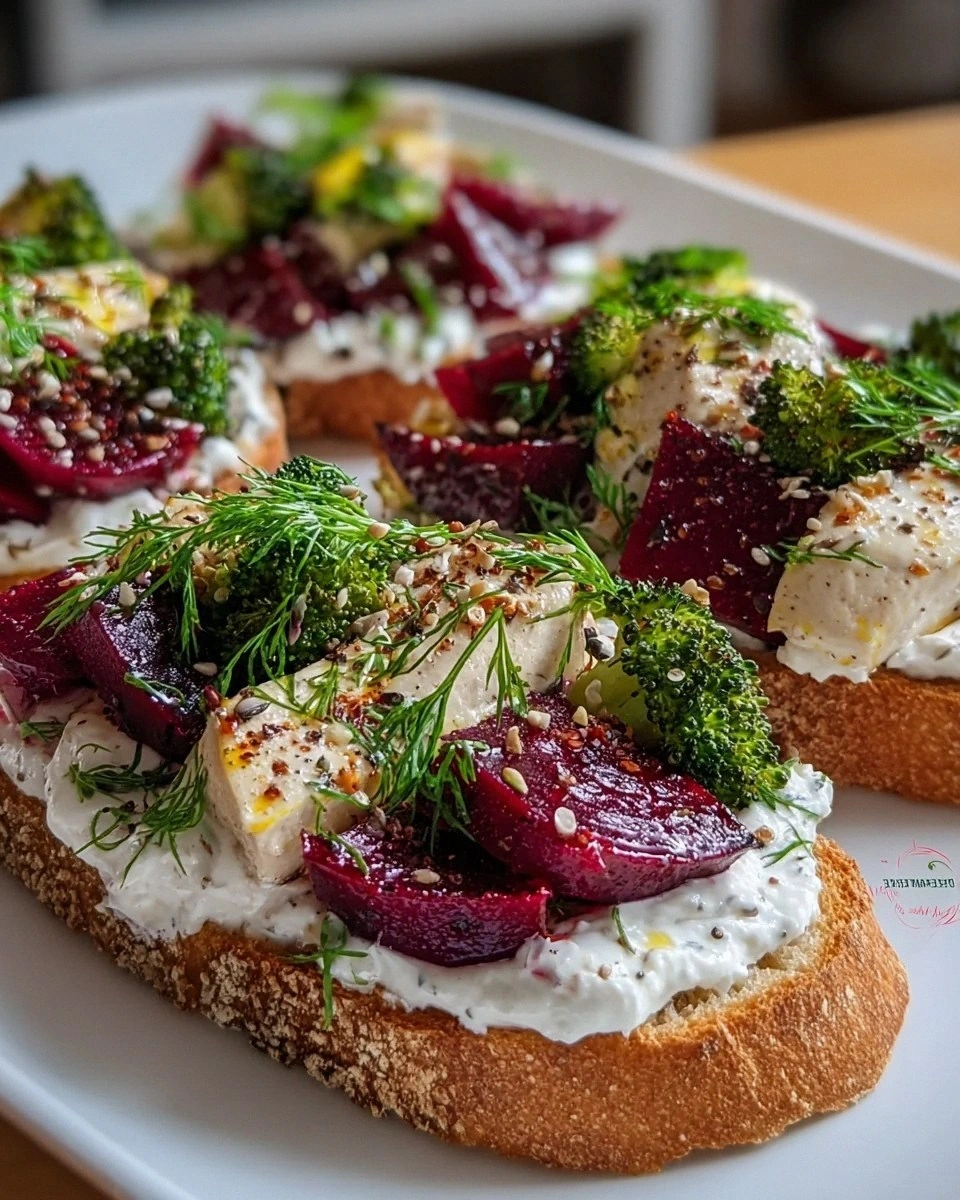
Spread a generous dollop of the whipped feta onto each toasted slice. Use the back of a spoon to create a smooth canvas. Then, scatter the roasted beet cubes over the top, allowing them to peek out like little ruby jewels. The visual contrast is as satisfying as the flavor.
Season with a pinch of freshly cracked black pepper and a sprinkling of sea salt. Then, drizzle the balsamic glaze in a thin, elegant line across each toast. If you’re feeling adventurous, swirl it with a toothpick for a marbled effect.
Watch Out: Be careful not to over‑drizzle the balsamic glaze; too much can overpower the delicate feta and turn the dish sour.Finish with a scattering of fresh dill or parsley. The herbs add a pop of green that brightens the plate and adds a fragrant finish. Press the herbs lightly into the spread so they cling, releasing their aroma as you bite.
Serve immediately while the toast is still warm. The contrast of hot, crunchy bread with cool, creamy spread is what makes this snack unforgettable. Picture yourself pulling this out of the oven, the whole kitchen smelling incredible, and your friends hovering, eyes wide, waiting for the first bite.
That's it — you did it. But hold on, I've got a few more tricks that'll take this to another level...
Insider Tricks for Flawless Results
The Temperature Rule Nobody Follows
Never spread cold feta on hot toast. Let the feta sit at room temperature for at least 15 minutes before whipping. This prevents the spread from seizing up and ensures a velvety texture. I once tried whipping straight from the fridge and ended up with a grainy mess—lesson learned.
Why Your Nose Knows Best
When roasting beetroot, trust your sense of smell. The moment the kitchen fills with a sweet, earthy aroma, you know the beets are caramelizing perfectly. If the scent is faint, give them a few extra minutes; the flavor deepens dramatically.
The 5‑Minute Rest That Changes Everything
After you’ve blended the feta spread, let it rest for five minutes. This short pause allows the olive oil to fully integrate, resulting in a smoother mouthfeel. Skipping this step is like skipping the final brushstroke on a painting—something will feel off.
Salt Smart: Season in Stages
Add a pinch of salt to the spread, taste, then adjust after the beetroot is added. The beet’s natural sweetness can mask under‑seasoning, so a final tweak ensures balanced flavor. I’ve seen many recipes forget this, leading to a bland finish.
Toast Like a Pro
When toasting sourdough, press the bread gently with a spatula after flipping. This ensures even browning and a uniform crunch. If you let the bread sit idle, the heat will escape, and you’ll get soggy spots. The crispy edges that shatter like thin ice are the hallmark of a perfect toast.
Final Drizzle Technique
For the balsamic glaze, use a squeeze bottle instead of a spoon. This gives you control over the thickness of the line and prevents over‑application. A thin, artistic drizzle looks sophisticated and keeps the flavor balanced.
Creative Twists and Variations
This recipe is a playground. Here are some of my favorite ways to switch things up:
Smoky Paprika Kick
Stir a teaspoon of smoked paprika into the feta spread before whipping. The smoky undertone adds depth and pairs beautifully with the beet’s sweetness. Perfect for those who love a subtle heat.
Goat Cheese Fusion
Swap half of the feta for creamy goat cheese. The tang becomes milder, and the spread takes on a buttery texture that’s perfect for brunch gatherings.
Avocado Boost
Blend a ripe avocado into the spread for extra creaminess and a dose of healthy fats. The green hue creates a stunning visual contrast with the beetroot.
Herbaceous Explosion
Replace dill with fresh mint or basil for a completely different aromatic profile. Mint adds a refreshing coolness, while basil brings a sweet peppery note.
Nutty Crunch
Top each toast with a sprinkle of toasted pine nuts or chopped walnuts. The nutty crunch adds texture and a subtle earthiness that complements the beet.
Vegan Version
Use a plant‑based feta alternative and coconut cream cheese. The flavor shifts slightly, but the creamy base remains, and the dish stays entirely vegan.
Storing and Bringing It Back to Life
Fridge Storage
Transfer any leftover whipped feta to an airtight container and store in the refrigerator for up to three days. The spread may thicken; simply stir in a splash of olive oil before using.
Freezer Friendly
The spread freezes well. Portion it into freezer‑safe bags, flatten for even thawing, and store for up to two months. Thaw in the fridge overnight and give it a quick whisk to restore its silky texture.
Best Reheating Method
When you’re ready to serve leftovers, toast the sourdough slices fresh, then warm the spread gently in a microwave for 15‑20 seconds. Add a tiny splash of water before reheating; it steams the spread back to perfection without drying it out.