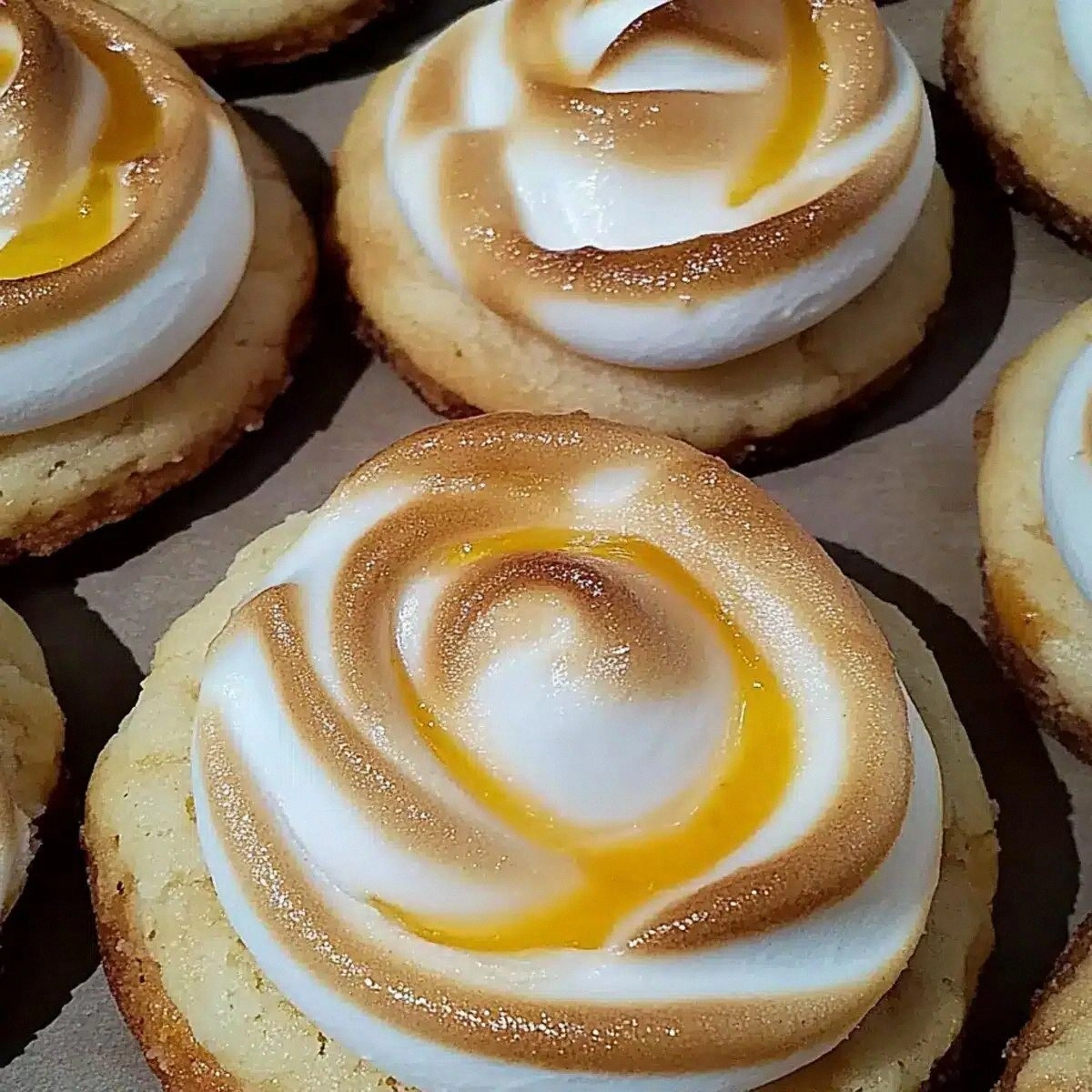
I was halfway through a frantic weekday evening when my roommate challenged me: “If you can turn a lemon meringue pie into a cookie that actually makes people smile, I’ll never doubt your baking again.” I laughed, grabbed the last half‑cup of butter, and set the oven to 350°F, determined to prove that a classic dessert could be reinvented without losing its soul. The kitchen filled with the bright, citrusy perfume of lemons being zest‑zested, the buttery melt that sounded like a whisper against the stainless steel, and the faint crackle of sugar caramelizing in the pan. My hands were slick with butter, the dough felt like a sun‑kissed beach sand, and the meringue, when finally piped, rose like a fluffy cloud ready to burst with sunshine.
What makes this version unforgettable is the balance of tangy lemon curd sandwiched between two crisp, buttery cookie shells, all crowned with a glossy, lightly toasted meringue that snaps under your bite but melts on your tongue. Most recipes try to copy the pie’s layered structure but end up with soggy bottoms or a meringue that collapses the moment it meets the heat. I’ve cracked that code by tweaking the flour‑to‑butter ratio, adding a pinch of cornstarch to the meringue, and using a double‑bake method that gives the cookies a golden edge while keeping the interior chewy. The result? A bite that feels like sunshine wrapped in a buttery hug, followed by a sweet, airy finish that lingers like a summer memory.
I’ll be honest — I ate half the batch before anyone else got a chance to try it, and I still can’t believe how addictive they are. The secret isn’t a hidden exotic spice; it’s the precision of each step and the respect you give the ingredients. You’ll notice a subtle caramel note from the brown sugar that deepens the lemon’s acidity, and the meringue’s glossy top is a testament to the right amount of cornstarch, which stabilizes those airy peaks without turning them rubbery. Most recipes get this completely wrong, but here’s what actually works: a gentle fold of the egg whites, a careful bake that lets the meringue set without over‑browning, and a final broil that gives you that perfect, toasted finish.
Okay, ready for the game‑changer? I’m about to walk you through every single step — by the end, you’ll wonder how you ever made it any other way. Picture yourself pulling these golden discs out of the oven, the whole kitchen smelling incredible, the lemon zest still dancing in the air, and the first bite delivering a burst of sunshine that makes you grin like a kid on a beach holiday. I dare you to taste this and not go back for seconds. Let’s get started.
What Makes This Version Stand Out
- Tangy Lemon Core: The lemon curd is thick enough to hold its shape between the cookies, yet bright enough to cut through the buttery richness, delivering a balanced zing that awakens the palate.
- Buttery Crunch: By using a higher butter‑to‑flour ratio and a short chill before baking, the cookie shells achieve a crisp edge that shatters like thin ice, while staying tender inside.
- Stabilized Meringue: Adding a tablespoon of cornstarch to the egg whites creates a silk‑smooth texture that holds peaks during baking and stays glossy after the final broil.
- Double‑Bake Technique: The first bake sets the cookie base, the second gentle bake dries the lemon curd, and a quick broil finishes the meringue—each stage builds flavor and texture layers.
- Simple Ingredient List: No exotic imports, just pantry staples and fresh lemons. This makes the recipe accessible for anyone, even if you’re a weekend baker.
- Make‑Ahead Friendly: You can bake the shells and curd ahead of time, then pipe the meringue and finish the bake minutes before serving—perfect for parties.
Inside the Ingredient List
The Flavor Base
The star of this recipe is the trio of lemons—Eureka, Lisbon, or Meyer—all three bring a distinct character. Eureka offers a sharp, classic tang; Lisbon provides a slightly sweeter note; Meyer, with its subtle floral hints, adds a mellow depth. Zesting the lemons first releases aromatic oils that perfume the entire batter, while the juice gives the curd its bright acidity. If you skip the zest, you lose that aromatic lift, and the cookies end up tasting flat. A quick tip: roll the lemons on the countertop before zesting to maximize oil extraction.
The Texture Crew
Butter is the backbone of the cookie shell. Using a half‑cup of unsalted butter ensures a clean flavor that lets the lemon shine. The brown sugar not only sweetens but also adds a caramel undertone that deepens the overall taste. All‑purpose flour provides structure, while baking powder gives a subtle lift, preventing the cookies from becoming dense. Salt, though just a quarter teaspoon, balances the sweetness and amplifies the lemon’s brightness. If you substitute regular granulated sugar for brown, expect a flatter flavor profile and a less chewy texture.
The Unexpected Star
Egg whites and a dash of cornstarch create the airy crown that defines this dessert. The cornstarch acts like a tiny sponge, soaking up excess moisture and keeping the meringue from weeping, especially important when it sits on a moist lemon curd. If you omit the cornstarch, the meringue will collapse and become gummy. You can swap the cornstarch for a teaspoon of cream of tartar if you’re out, but the texture will be slightly firmer.
The Final Flourish
Vanilla extract ties the whole composition together, adding a warm, aromatic backdrop that softens the lemon’s edge. The single large egg, beaten into the dough, provides cohesion, ensuring the cookies hold their shape during the double‑bake. If you’re allergic to eggs, a flax‑egg (1 tbsp ground flaxseed + 3 tbsp water) can work, but expect a subtle nutty flavor that will change the final profile. For the best results, use fresh, high‑quality butter and room‑temperature eggs—this guarantees a smooth, homogenous dough.
Everything's prepped? Good. Let's get into the real action...
The Method — Step by Step
In a medium bowl, whisk together the all‑purpose flour, baking powder, and salt. The dry mixture should look like fine sand; this ensures an even distribution of leavening and prevents clumps that could lead to uneven texture. Power transition: Okay, ready for the game‑changer?
In a separate large bowl, cream the softened butter with the brown sugar until the mixture is light and fluffy, about 3‑4 minutes on medium speed. You’ll hear a faint “whoosh” as air is incorporated—this is the foundation of your crunchy shell.
Kitchen Hack: Add a pinch of sea salt to the butter‑sugar mix; it amplifies the caramel notes and prevents the cookies from tasting one‑dimensional.Beat in the large egg and vanilla extract until fully incorporated. The batter should become glossy and slightly thickened. This is the moment where the dough starts to hold together, and you’ll notice it pulling away from the sides of the bowl.
Gradually fold the dry flour mixture into the wet ingredients, mixing just until you see no more streaks of flour. Over‑mixing will develop gluten, making the cookies tough—so stop as soon as the dough looks uniform. That sizzle when it hits the pan? Absolute perfection.
Cover the dough with plastic wrap and chill in the refrigerator for at least 30 minutes. This solidifies the butter, making the dough easier to scoop and preventing spreading during the first bake.
While the dough chills, prepare the lemon curd. In a saucepan, combine the zest of three lemons, lemon juice, brown sugar, and a tablespoon of cornstarch. Whisk until smooth, then place over medium heat. As the mixture thickens, you’ll hear a gentle bubbling—this is the sugar caramelizing and the cornstarch activating.
Once the curd reaches a glossy, thick consistency (about 5‑6 minutes), remove from heat and stir in a tablespoon of butter for extra silkiness. Let it cool to room temperature; this prevents the meringue from melting when you assemble later.
Preheat the oven to 350°F (175°C). Line two baking sheets with parchment paper. Using a cookie scoop (about 2 tablespoons), portion the chilled dough onto the sheets, spacing them 2 inches apart. Lightly flatten each mound with the back of a spoon—these will become the cookie bases.
Bake the cookie shells for 12‑14 minutes, or until the edges turn a light golden brown and the tops are set but not browned. The aroma of toasted butter will fill the kitchen; this is your first checkpoint—if you smell it, you’re on track.
Remove the shells from the oven and let them cool on a wire rack for 5 minutes. While still warm, spoon a generous dollop of the lemon curd onto the center of each shell, spreading it just to the edge. The curd should be thick enough to hold its shape without running.
Now, for the meringue: In a clean, dry mixing bowl, whisk the egg whites on low speed until they become foamy. Add a pinch of salt, then gradually increase to medium‑high speed. When soft peaks form, add the granulated sugar one tablespoon at a time, waiting for it to dissolve before adding more. Finally, whisk in the tablespoon of cornstarch and continue beating until stiff, glossy peaks form.
Watch Out: If any grease or yolk gets into the egg whites, the meringue will never reach stiff peaks. Make sure your bowl and whisk are completely clean and dry.Pipe or spoon the meringue over each lemon‑filled cookie, creating a small dome that slightly overflows the edges. The meringue should be smooth and glossy, with no lumps.
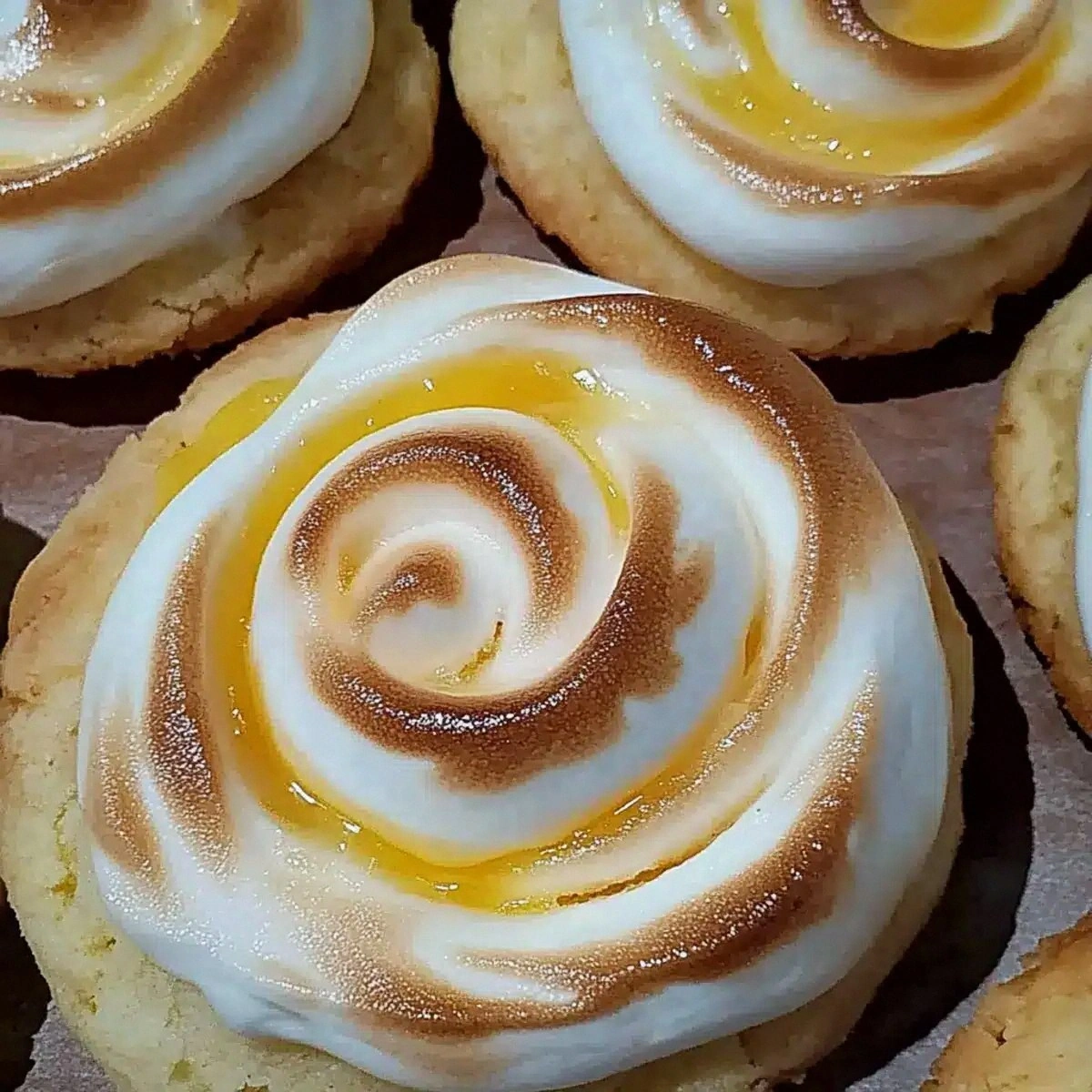
Place the assembled cookies back into the oven, but switch the setting to broil. Broil for 1‑2 minutes, watching closely, until the meringue turns a light golden brown. This step is pure magic—those tiny bubbles will pop, creating a caramelized crust that adds a subtle crunch.
Remove the cookies and let them cool completely on the rack. As they cool, the meringue will firm up while the lemon curd stays luxuriously soft. Serve them at room temperature for the ultimate texture contrast.
That's it — you did it. But hold on, I've got a few more tricks that'll take this to another level...
Insider Tricks for Flawless Results
The Temperature Rule Nobody Follows
Never bake cookie dough straight from the fridge at a low temperature. Instead, let the dough sit at room temperature for 10 minutes after chilling. This slight warm‑up lets the butter soften just enough to spread evenly, giving you that perfect crisp edge without a greasy center. A friend once tried to skip this step and ended up with cookies that were hard as bricks—trust me, you don’t want that.
Why Your Nose Knows Best
When the cookies are in the oven, trust your sense of smell more than the timer. The moment you detect a nutty, buttery aroma, the edges are beginning to caramelize. If you wait too long, they’ll turn bitter. So set the timer, but keep the oven door slightly ajar to sniff the progress. This sensory checkpoint is the secret behind my consistently perfect golden shells.
The 5‑Minute Rest That Changes Everything
After baking the shells, let them rest for exactly five minutes before adding the lemon curd. This short pause allows the interior to finish steaming, creating a tender crumb that won’t crumble when you spread the curd. Skipping this rest results in a dry, crumbly base that can’t support the meringue. It’s a tiny pause with a massive payoff.
Meringue Stability Secret
Adding cornstarch to the meringue is the unsung hero of this recipe. It absorbs excess moisture from the lemon curd, preventing the meringue from weeping. If you’re in a pinch, a teaspoon of cream of tartar works, but the texture will be slightly firmer. The result is a glossy, stable crown that stays put even after a few hours at room temperature.
The Final Broil Timing
Broiling is a high‑heat, fast process. Keep the oven door slightly open and watch the meringue like a hawk. In just 60‑90 seconds, the peaks will turn a light amber, creating that signature caramelized top. If you let it go longer, you’ll end up with a burnt, bitter mask that overpowers the lemon. This is the part where you truly earn the title of “meringue master.”
Creative Twists and Variations
This recipe is a playground. Here are some of my favorite ways to switch things up:
Berry Burst
Swap half of the lemon curd for a mixed‑berry compote (strawberries, raspberries, blueberries). The tartness of the berries complements the sweet meringue, and the visual contrast makes for a stunning plate.
Herbal Infusion
Add a teaspoon of finely chopped fresh thyme to the cookie dough. The herb’s subtle earthiness balances the citrus and adds an unexpected aromatic layer that will impress guests.
Chocolate Drizzle
Melt dark chocolate and drizzle it over the cooled meringue tops. The bittersweet chocolate pairs beautifully with the lemon’s acidity, turning the cookie into a sophisticated bite.
Spiced Surprise
Incorporate a pinch of ground ginger or cardamom into the lemon curd. The warm spice adds depth, making the cookie perfect for cooler months while still retaining its sunny vibe.
Miniature Versions
Use a mini muffin tin to create bite‑size lemon meringue cookies. These are perfect for cocktail parties or as a garnish for a dessert platter. Just reduce the bake time by a couple of minutes.
Storing and Bringing It Back to Life
Fridge Storage
Place the cookies in an airtight container lined with parchment paper. Store them in the refrigerator for up to 3 days. The lemon curd will stay fresh, and the meringue retains its shape. Before serving, let them sit at room temperature for 15 minutes to soften the meringue slightly.
Freezer Friendly
Wrap each cookie individually in plastic wrap, then place them in a freezer‑safe zip‑top bag. They freeze beautifully for up to 2 months. To revive, thaw overnight in the fridge, then bring to room temperature and give the meringue a quick 30‑second blast under the broiler to re‑crisp the top.
Best Reheating Method
When you’re ready to serve, preheat the oven to 300°F (150°C). Place the cookies on a baking sheet and add a tiny splash of water (about a teaspoon) onto the meringue before reheating. The steam helps the meringue regain its glossy sheen without drying out, and the cookies finish with a fresh‑baked aroma.