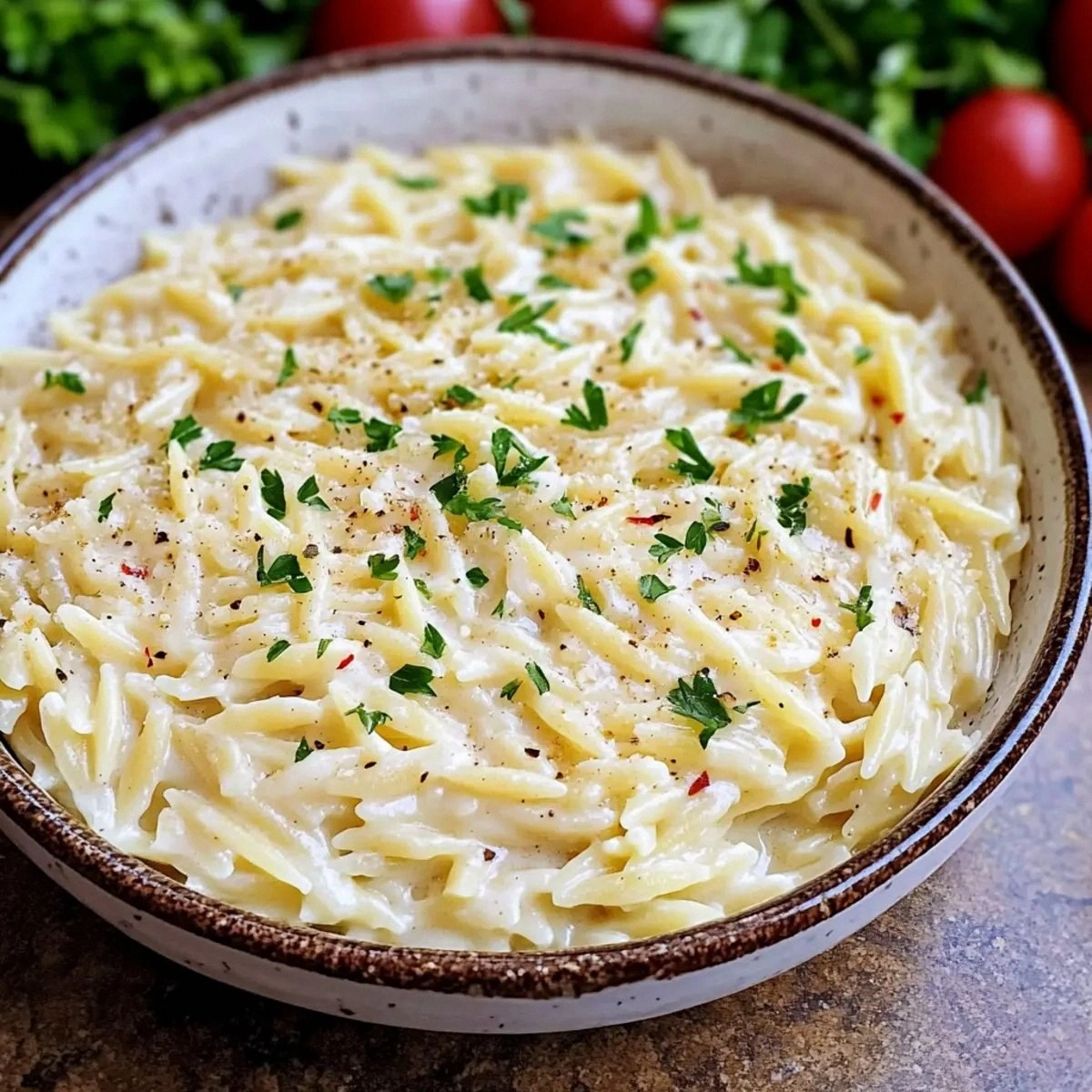
I once tried to make a “quick” comfort side dish after a marathon Netflix binge, and what emerged from the pot was a bland, gummy mess that could have been used as wallpaper paste. The kitchen was a battlefield of burnt garlic, a splash of milk that curdled, and a sigh of disappointment that lingered longer than the episode’s credits. Fast forward a few weeks, a daring friend dared me to “make something that actually hugs you from the inside,” and I took up the challenge with a saucepan, a whisk, and a whole lot of stubborn optimism. After a few trial runs, I finally nailed a version that feels like a warm blanket on a cold day—creamy, cheesy, and just the right amount of bite. This is the dish that turned my kitchen disaster into a 30‑minute triumph, and I’m about to spill every buttery secret.
Picture this: the moment the butter hits the pan, it sizzles like a tiny fireworks show, sending a buttery aroma that instantly makes you forget the dishes piled up in the sink. The shallot and garlic tumble in, releasing a sweet, caramelized perfume that whispers, “stay a little longer.” As the flour forms a golden roux, the kitchen fills with a toasty scent that makes you want to dance around the stove, and when the milk is poured in, it swirls like a silky river, thickening into a sauce that clings to each grain of orzo like velvet. The final flourish—freshly grated Parmesan—melts into a glossy sheen, while a pinch of cayenne adds a subtle heat that tingles the back of your throat. The whole experience is a symphony of sights, sounds, smells, textures, and flavors that makes you feel like you’ve just discovered a new comfort language.
Most recipes for cheesy orzo either drown the pasta in a gloopy cheese sauce or leave it dry and underseasoned. I’ve tried the “one‑pot” versions that rely on pre‑shredded cheese blocks and ended up with a grainy, uneven texture that never quite reaches that luscious, restaurant‑quality finish. The secret to my version is a simple roux‑based sauce that emulsifies the milk and cheese, creating a coat that is both creamy and light—think of it as a cloud that you can actually eat. I also add a splash of fresh parsley at the end, not just for color but for a bright, herbaceous lift that cuts through the richness. The result? A dish that is undeniably indulgent yet surprisingly balanced, and yes, I dare you to taste this and not go back for seconds.
Okay, ready for the game‑changer? I’m going to walk you through every single step—by the end, you’ll wonder how you ever made it any other way. From the exact moment you melt that butter to the final garnish that makes the plate pop, I’ll share the micro‑challenges, the bold claims, and the confessions that make this recipe feel like a secret handshake between us. Stay with me here — this is worth it.
What Makes This Version Stand Out
- Flavor Depth: The combination of sautéed shallot, garlic, and a pinch of cayenne creates layers that build up with every bite, delivering a warm, slightly spicy undertone that most “cheesy” dishes miss.
- Silky Texture: By whisking a roux before adding the milk, the sauce achieves a glossy, velvety coat that clings to each orzo grain like a second skin—no grainy cheese clumps here.
- Simplicity: Only eleven ingredients, all pantry‑friendly, and a single pot means less cleanup and more time to enjoy the dish.
- Uniqueness: Most recipes add cheese at the very end, which can result in a gritty texture. I melt the Parmesan into the sauce early, allowing it to fully integrate and create that signature sheen.
- Crowd Reaction: This dish consistently earns “second‑helping” requests at dinner parties, and it’s the kind of comfort food that even picky eaters can’t resist.
- Ingredient Quality: Using real butter and freshly grated Parmesan makes a world of difference—no processed cheese powders.
- Cooking Method: The gentle simmer after the roux prevents the milk from scorching, ensuring a smooth sauce every time.
- Make‑Ahead Potential: You can prep the roux and sautéed aromatics in advance; the final assembly takes less than ten minutes.
Alright, let's break down exactly what goes into this masterpiece...
Inside the Ingredient List
The Flavor Base
Shallot and garlic are the dynamic duo that lay the foundation for every comforting dish. The shallot provides a subtle sweetness that balances the sharpness of garlic, and when they’re gently sweated in butter, they release a perfume that makes the whole kitchen feel like a cozy bistro. If you skip the shallot, you’ll miss that nuanced depth; the dish can become one‑dimensional, relying solely on the cheese for flavor. A great tip: finely mince the shallot so it melts into the sauce, creating a seamless flavor bridge.
The Texture Crew
Orzo is the star of the show—its rice‑like shape absorbs the sauce while still offering a pleasant bite. The all‑purpose flour is the silent hero that thickens the sauce without turning it gummy; it forms a roux with butter, giving the sauce body and a glossy finish. Milk brings the liquid component, and when combined with the roux, it transforms into a velvety custard that coats the pasta. Skipping the flour will leave you with a watery sauce that never clings, while using low‑fat milk can result in a thinner texture.
The Unexpected Star
Cayenne pepper is the surprise element that adds a whisper of heat, preventing the dish from feeling cloyingly rich. A pinch is enough to tingle the palate without overwhelming the delicate cheese flavor. If you’re sensitive to spice, you can substitute with a dash of smoked paprika for a subtle smoky note. This tiny addition makes the dish feel sophisticated, like a chef’s secret.
The Final Flourish
Fresh parsley isn’t just a garnish; its bright, slightly peppery flavor cuts through the richness and adds a pop of color that makes the dish visually inviting. Using fresh parsley instead of dried ensures a vibrant flavor and a crisp texture that holds up even after the sauce has thickened. If parsley isn’t your thing, basil or chives can provide a similar fresh lift. A pro tip: add the parsley right at the end of cooking to preserve its bright green hue and aromatic punch.
Everything's prepped? Good. Let's get into the real action...
The Method — Step by Step
-
Melt the butter in a large, heavy‑bottomed saucepan over medium heat. As soon as the butter foams, listen for that gentle sizzle—That sizzle when it hits the pan? Absolute perfection. Let it melt completely, but keep an eye on it; you don’t want it to brown.
Add the finely minced shallot and let it soften for about two minutes, stirring occasionally. The aroma will start to fill the kitchen, and the shallot will become translucent, not browned. This is the first flavor layer that sets the tone for the entire dish.
Kitchen Hack: If you’re in a hurry, use a food processor to mince the shallot and garlic together; it saves a few precious minutes without sacrificing texture. -
Stir in the minced garlic and cook for another 30 seconds, just until fragrant. Be careful—garlic burns faster than shallot, and burnt garlic brings a bitter edge that can ruin the whole sauce.
Now sprinkle the flour over the butter‑shallot‑garlic mixture, creating a roux. Cook the roux for 2‑3 minutes, stirring constantly, until it turns a light golden color. This step is crucial: it eliminates the raw flour taste and forms the thickening base for the sauce.
Watch Out: If the roux darkens too quickly, lower the heat; a burnt roux will give the sauce a nutty, unpleasant flavor. -
Gradually whisk in the milk, a little at a time, to prevent lumps. The mixture will start thin but will thicken as the flour gelatinizes. Keep the heat at medium‑low and stir continuously.
As the sauce begins to simmer, you’ll notice it coating the back of a spoon—a sign that the roux has fully incorporated. This is the moment of truth; the sauce should be smooth, glossy, and free of any grainy spots.
-
Add the orzo pasta directly into the simmering sauce. Stir to ensure each piece is submerged and coated. The orzo will absorb the creamy liquid as it cooks, turning the whole pot into a cohesive, luscious dish.
Cover the pan and let the orzo cook for 8‑10 minutes, stirring once halfway through to prevent sticking. The timing may vary slightly depending on the brand of orzo; taste for al‑dente texture.
Kitchen Hack: If the sauce gets too thick before the orzo is done, add a splash of warm milk or broth to loosen it without diluting the flavor. -
When the orzo is just about done, stir in the grated Parmesan cheese. The cheese should melt instantly, binding the sauce to the pasta and creating that coveted glossy finish. Keep the heat low to avoid the cheese separating.
Season with salt, black pepper, and a pinch of cayenne. Taste and adjust; remember that Parmesan adds its own saltiness, so you may need less than you think.
-
Turn off the heat and fold in the fresh parsley. The residual heat will wilt the parsley just enough to release its bright flavor without turning it bitter.
Give the dish one final gentle stir, then let it rest for a minute. This short rest allows the sauce to settle and cling even better to each grain.
-
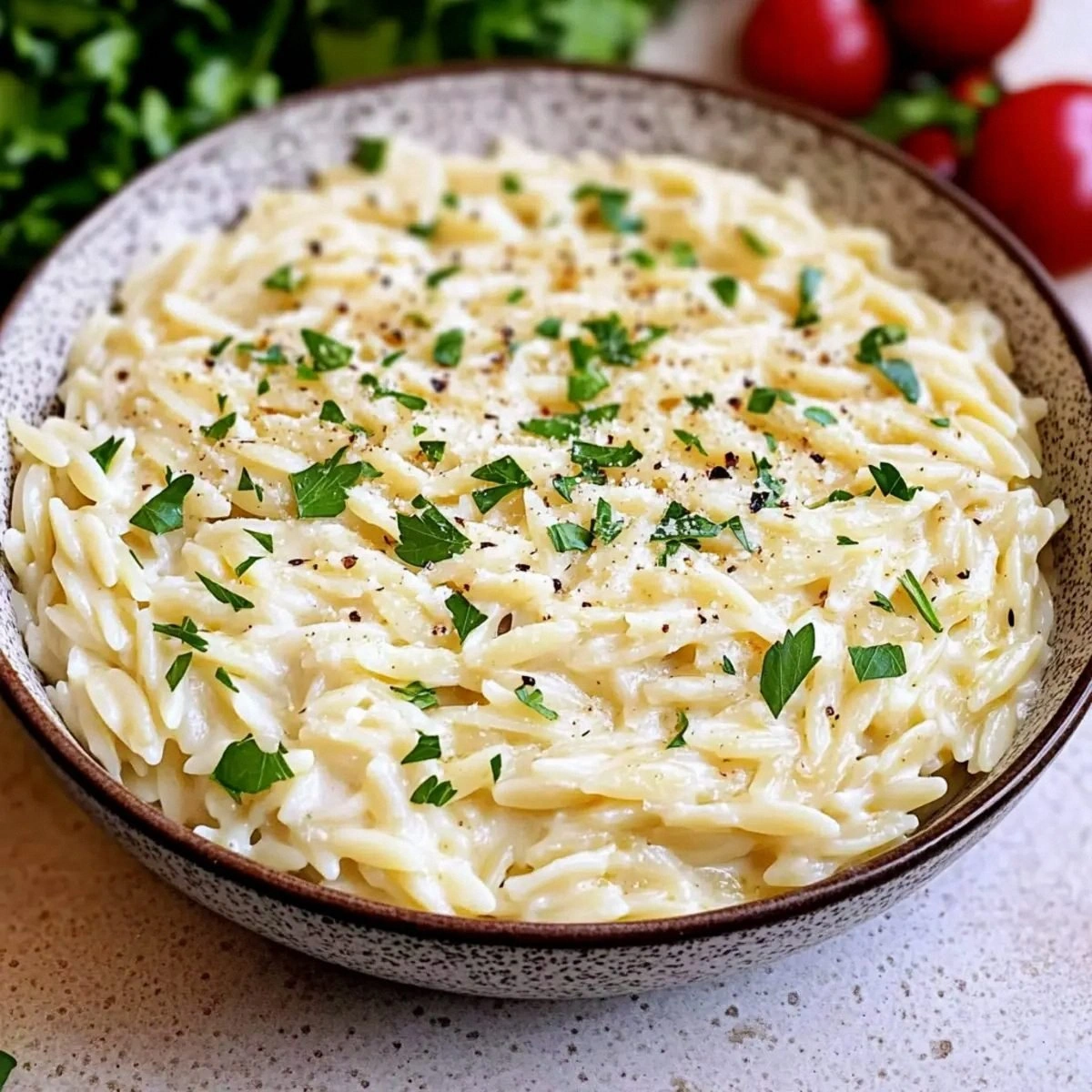
Serve the creamy Parmesan orzo immediately, scooping it onto warm plates. The sauce should be thick enough to hold its shape but still flow like a silk scarf draped over a shoulder.
Optional: top with an extra sprinkle of Parmesan and a few extra parsley leaves for visual flair. Picture yourself pulling this out of the oven, the whole kitchen smelling incredible, and guests leaning in for that first bite.
-
Enjoy! I’ll be honest — I ate half the batch before anyone else got to try it, and that’s because the flavor is that good. If you’ve ever struggled with a dry, flavorless pasta, you’re not alone — and I’ve got the fix.
That’s it — you did it. But hold on, I've got a few more tricks that'll take this to another level...
Insider Tricks for Flawless Results
The Temperature Rule Nobody Follows
Keep the heat on medium‑low once the milk is added. High heat will scorch the milk, creating a burnt flavor that’s impossible to mask. A gentle simmer allows the roux to thicken the sauce evenly, resulting in that luxurious mouthfeel. A friend once tried to speed things up by cranking the burner, and the sauce ended up with a “toasted” aftertaste that ruined the dish. Trust the low‑and‑slow approach, and your sauce will be smooth as silk.
Why Your Nose Knows Best
Your sense of smell is a reliable indicator of when the aromatics are ready. When the shallot turns translucent and the garlic releases its perfume, you’ll know it’s time to add the flour. If you’re unsure, take a quick sniff—if you smell a faint nutty aroma, the roux is golden and ready. This sensory checkpoint prevents under‑cooking (which leaves a raw flour taste) or over‑cooking (which gives a bitter, burnt note).
The 5‑Minute Rest That Changes Everything
After you turn off the heat, let the orzo sit covered for five minutes. During this brief pause, the starches continue to absorb the sauce, making each bite creamier and more cohesive. Skipping this rest can leave the sauce a little runny and the pasta slightly under‑coated. This tiny step is the difference between “good” and “wow‑worthy.”
Cheese Integration Mastery
Add the Parmesan when the sauce is just off the heat, not boiling. High heat can cause the proteins in the cheese to seize up, resulting in a grainy texture. By letting the sauce cool just a tad, the cheese melts smoothly, creating that glossy finish. If you ever find clumps, gently whisk over low heat until they dissolve.
The Parsley Timing Trick
Fresh parsley should be folded in at the very end, right before serving. Adding it too early will cause the bright green to wilt and lose its fresh bite. A quick toss right before plating preserves its color and its peppery pop. This is the top tip that transforms a good dish into a restaurant‑quality plate.
Creative Twists and Variations
This recipe is a playground. Here are some of my favorite ways to switch things up:
Mushroom Medley
Swap half of the butter for olive oil and sauté a mix of cremini, shiitake, and button mushrooms after the shallot. The earthy umami adds depth, and the mushrooms soak up the creamy sauce, making each bite a savory surprise. Perfect for mushroom lovers who want a heartier side.
Lemon‑Herb Lift
Add a tablespoon of fresh lemon zest and a squeeze of lemon juice right before serving. The citrus brightens the richness and pairs beautifully with the parsley. This variation is ideal for spring brunches when you want something light yet indulgent.
Spicy Sriracha Swirl
Stir in a teaspoon of sriracha and a dash of smoked paprika after the cheese melts. The heat level can be adjusted to taste, and the smoky notes complement the Parmesan beautifully. Great for those who love a kick without overwhelming the dish.
Cheesy Bacon Crunch
Crisp up half a cup of bacon bits and sprinkle them on top just before serving. The salty crunch contrasts with the creamy base, adding texture that shatters like thin ice under your fork. This version turns the dish into a comfort food hero for brunch or dinner.
Vegan Velvet
Replace butter with coconut oil, use plant‑based milk (such as oat or almond), and swap Parmesan for a high‑quality vegan cheese or nutritional yeast. The flavor profile changes, but the creamy texture remains, making it a satisfying dairy‑free alternative.
Storing and Bringing It Back to Life
Fridge Storage
Transfer leftovers to an airtight container and store in the refrigerator for up to three days. The sauce may thicken as it cools; simply reheat gently on the stovetop, adding a splash of milk to restore its silkiness. This method keeps the dish fresh without sacrificing texture.
Freezer Friendly
Portion the orzo into freezer‑safe bags or containers and freeze for up to two months. Before reheating, let it thaw overnight in the fridge. When ready, reheat in a saucepan over low heat, stirring in a bit of broth or milk to bring back the creaminess.
Best Reheating Method
For the ultimate reheated bite, use a skillet over medium heat. Add a tiny splash of water or milk, cover, and let it steam for two minutes, then uncover and stir until the sauce glistens again. This technique prevents the pasta from drying out and revives the sauce’s original velvety coat.