I was standing in my kitchen on a Tuesday night, staring down a half‑empty jar of buffalo sauce and a lonely bag of penne, when my roommate shouted, “You’re not making anything bland again, right?” That tiny dare sparked a full‑blown culinary showdown that ended with me devouring half the batch before anyone else even set a fork down. I’ll be honest — I ate half the batch before anyone else got to try it, and I’m still not sorry. The sauce that emerged was so rich it could have been a velvet curtain, the garlic hit you like a high‑five from a seasoned chef, and the Parmesan added that perfect salty snap that makes you question every other pasta dish you’ve ever made.
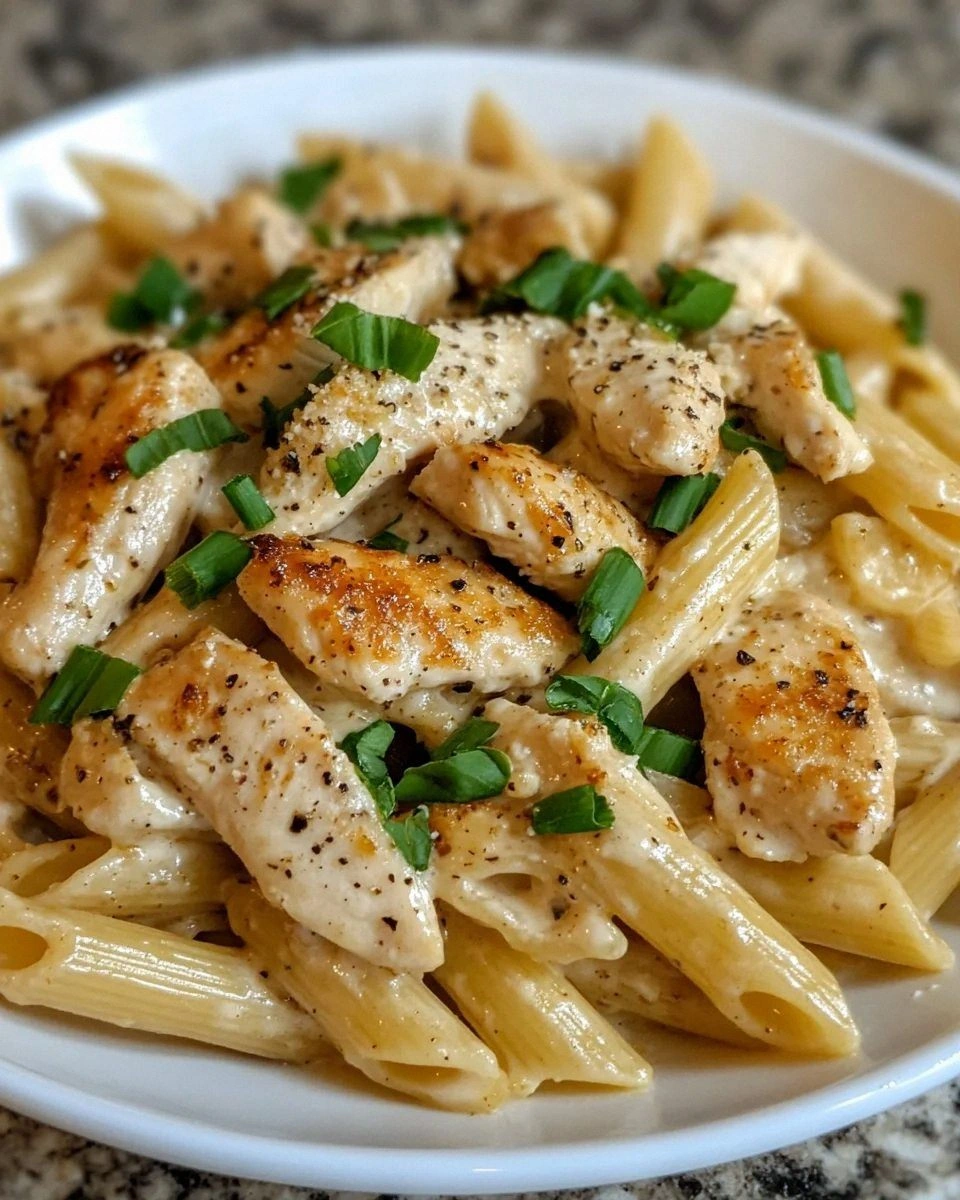
Picture this: the kitchen humming with the sizzle of olive oil as diced chicken hits the pan, the air thickening with the scent of garlic and onion powder, and a daring splash of buffalo sauce that turns the whole room a shade of fiery orange. You hear the occasional pop of the sauce as it meets the hot pan, feel the heat radiating from the stovetop, and taste that first bite that makes you think, “I dare you to taste this and not go back for seconds.” Most recipes get the balance of heat and cream completely wrong, leaving you with a dish that either burns your tongue or drowns the flavor in dairy. Not this one. Here, the buffalo sauce is tamed by a luxurious heavy‑cream swirl that coats every strand of penne like a silk scarf.
What really sets this version apart is a secret weapon: a pinch of garlic powder that amplifies the fresh garlic without overwhelming it, and a quick finish of fresh parsley that adds a pop of garden‑bright color. Most people forget the power of a good garnish, but trust me, that green isn’t just for looks—it lifts the whole dish with a fresh, herbaceous note that cuts through the richness. And if you think you need a fancy kitchen gadget to pull this off, think again. All you need is a sturdy skillet, a pot, and the confidence to trust your instincts. This is hands down the best version you’ll ever make at home, and I’m about to walk you through every single step — by the end, you’ll wonder how you ever made it any other way.
Okay, ready for the game‑changer? I’m about to reveal a technique that most cooks skip: deglazing the pan with a splash of the buffalo sauce before adding the cream. This tiny step creates a glossy, cohesive sauce that clings to the pasta like a love‑letter that refuses to be ignored. Stay with me here — this is worth it. Let me walk you through every single step — by the end, you’ll wonder how you ever made it any other way.
What Makes This Version Stand Out
- Flavor Fusion: The buffalo heat is perfectly balanced by the buttery cream, creating a harmonious dance that’s both bold and comforting.
- Texture Triumph: Penne’s ridges trap the sauce, while the chicken stays tender and juicy, giving each bite a satisfying chew.
- Simplicity: Fewer than fifteen ingredients and a single skillet mean you can pull this off on a weeknight without a kitchen nightmare.
- Unique Twist: Garlic powder adds depth without the mess of fresh cloves, and the final parsley sprinkle adds brightness that most recipes lack.
- Crowd‑Pleaser: Whether it’s a game‑day gathering or a family dinner, this dish earns applause and empty plates every single time.
- Ingredient Quality: Using fresh Parmesan and high‑quality buffalo sauce elevates the dish from “good” to “legendary.”
- Cooking Method: The one‑pan finish saves cleanup and ensures every component shares the same flavor profile.
- Make‑Ahead Potential: You can prep the chicken and sauce ahead of time, then just toss with cooked pasta when you’re ready to serve.
Inside the Ingredient List
The Flavor Base
The buffalo sauce is the heart‑throb of this dish, delivering that signature tangy heat that makes you think of wing night. Pair it with garlic powder, which provides a mellow, rounded garlicky note that won’t overpower the sauce’s spice. Onion powder adds a subtle sweetness and depth, turning a simple heat into a layered experience. If you’re feeling adventurous, swap half the buffalo sauce for a splash of smoked paprika for a smoky undertone that whispers “barbecue” without stealing the show.
The Texture Crew
Penne is chosen deliberately; its tube‑like shape captures the creamy sauce in every crevice, ensuring no bite is left dry. Heavy cream is the silk that binds the sauce, turning the sharp buffalo bite into a velvety blanket. Grated Parmesan not only adds salty richness but also helps thicken the sauce as it melts, creating that perfect cling‑to‑pasta effect. If you’re watching calories, substitute half‑and‑half, but expect a slightly thinner coating.
The Unexpected Star
Fresh parsley might seem like a garnish, but its bright, slightly peppery flavor cuts through the richness, preventing the dish from feeling heavy. Green onions add a crisp, oniony bite that contrasts the smooth sauce, giving you that satisfying crunch you never knew you needed. For a dairy‑free twist, try nutritional yeast in place of Parmesan; it adds a cheesy note without the lactose.
The Final Flourish
Olive oil is the silent workhorse that fries the chicken to golden perfection, imparting a subtle fruitiness that complements the buffalo’s acidity. A modest amount of salt and black pepper enhances all flavors without making the dish overly salty—remember, the buffalo sauce already carries salt. When selecting chicken, choose boneless, skinless breasts for quick cooking; if you opt for thighs, you’ll get extra juiciness but a longer cooking time.
Everything's prepped? Good. Let's get into the real action…
The Method — Step by Step
Bring a large pot of salted water to a rolling boil. Add the penne and cook until al dente, about 10‑11 minutes. Reserve a cup of the pasta water before draining; this starchy liquid will be your secret weapon for a glossy sauce. While the pasta cooks, heat 2 tablespoons of olive oil in a wide skillet over medium‑high heat. Let the oil shimmer— that sizzle when it hits the pan? Absolute perfection.
Season the diced chicken with garlic powder, onion powder, salt, and black pepper. Toss the pieces into the hot skillet, spreading them out so they’re not crowded. Let them sear undisturbed for 2‑3 minutes; you’ll hear a faint crackle as the edges start pulling away—a sign they’re caramelizing beautifully. Flip the chicken and cook another 2‑3 minutes until golden on all sides. Watch out: If the pan gets too hot, the chicken will burn before it cooks through, so adjust the flame as needed.
Once the chicken is browned, lower the heat to medium and pour in the ½ cup of buffalo sauce. Use a wooden spoon to deglaze, scraping up all the flavorful browned bits stuck to the pan. Let the sauce simmer for about a minute, allowing the heat to mellow and the flavors to meld.
Kitchen Hack: Add a splash of the reserved pasta water now; it helps the sauce emulsify and prevents it from separating later.Stir in the heavy cream, watching the sauce transform from a bright orange to a dreamy, buttery pink. The cream should swirl into the buffalo, creating a silky texture that coats the back of a spoon. Let the mixture come to a gentle simmer—don’t let it boil aggressively, or the cream may curdle. This is the moment of truth: the sauce should be thick enough to coat a spoon but still fluid enough to coat the pasta later.
Gradually sprinkle in the grated Parmesan cheese, stirring constantly. The cheese will melt into the sauce, thickening it further and adding a nutty depth. Taste at this point and adjust seasoning with a pinch more salt or a dash of extra buffalo sauce if you crave more heat. Remember, the sauce will thicken slightly as it sits, so aim for a slightly looser consistency now.
Drain the cooked penne, reserving a little more pasta water if you think the sauce needs loosening later. Toss the hot pasta straight into the skillet, turning it over so every tube gets a generous coating. If the sauce looks too thick, add a splash of the reserved water, stirring until you achieve that perfect cling‑to‑pasta sheen. The penne should look glossy, as if each piece is wearing a silk dress.
Scatter the sliced green onions and chopped parsley over the pasta, giving the dish a fresh, vibrant finish. Give everything a final toss, making sure the herbs are evenly distributed. Let the dish sit for a minute off the heat; this allows the flavors to meld and the parsley to release its aromatic oils.
Plate the pasta in shallow bowls, drizzle any remaining sauce from the pan over the top, and finish with an extra sprinkle of Parmesan if you’re feeling indulgent. Serve immediately while the sauce is still warm and the pasta is perfectly al dente. That first bite? Expect a burst of heat, a wave of creaminess, and a satisfying crunch from the green onions. That's it — you did it. But hold on, I've got a few more tricks that'll take this to another level…
Insider Tricks for Flawless Results
The Temperature Rule Nobody Follows
Never crank the heat to “high” when adding the cream. A moderate simmer allows the cream to integrate without curdling. I once tried a “quick‑cook” approach and ended up with a grainy sauce that tasted like burnt milk. Keep the flame steady, and you’ll get that luxurious, velvety texture every time.
Why Your Nose Knows Best
Your sense of smell is a better indicator of doneness than a timer. When the chicken releases a golden, nutty aroma, you know it’s perfectly seared. When the sauce starts to smell buttery with a hint of smoked pepper, it’s ready for the cream. Trust that nose— it’s your built‑in kitchen gauge.
The 5‑Minute Rest That Changes Everything
After you toss the pasta with the sauce, let it sit off the heat for five minutes. This short rest lets the starches absorb the sauce, making each bite more cohesive. A friend tried to serve it immediately and complained the sauce was “runny.” A quick rest solves that problem without any extra work.
Parmesan Power Boost
Seasoning at the End
A final dash of flaky sea salt just before plating amplifies the flavors and adds a pleasant crunch. I’ve seen cooks add salt too early, only to have the buffalo sauce mask it. The late addition ensures every bite hits the palate with balanced seasoning.
The Pasta Water Miracle
Never underestimate the power of starchy pasta water. Adding a tablespoon at a time while tossing the pasta creates a glossy, cohesive sauce that clings to each penne tube. If the sauce seems too thick, a splash of that water will loosen it without diluting the flavor.
Creative Twists and Variations
This recipe is a playground. Here are some of my favorite ways to switch things up:
Smoky Chipotle Kick
Swap half the buffalo sauce for chipotle in adobo. The smoky heat adds a Mexican‑inspired twist that pairs beautifully with the cream. Perfect for those who love a deeper, earthy spice.
Garlic‑Lover’s Dream
Replace the garlic powder with 3 minced fresh garlic cloves, sautéed with the chicken. The fresh garlic brings a pungent brightness that makes the sauce sing louder.
Veggie‑Boosted Version
Add a cup of roasted broccoli florets or sautéed spinach after the sauce is done. The veggies add texture, color, and a nutritional punch without stealing the spotlight.
Cheese‑Heavy Delight
Mix in a quarter‑cup of shredded mozzarella along with the Parmesan for a gooey, stretchy finish. This version feels like a buffalo‑style mac‑and‑cheese—comfort food on steroids.
Low‑Carb Swap
Replace penne with spiralized zucchini or shirataki noodles. The sauce adheres just as well, and you’ll get a lighter, low‑carb version that still satisfies the craving for heat and cream.
Herb‑Infused Elegance
Add a teaspoon of fresh thyme or rosemary when you deglaze with buffalo sauce. The herbaceous notes add complexity and a sophisticated aroma that elevates the dish for a dinner‑party setting.
Storing and Bringing It Back to Life
Fridge Storage
Cool the pasta to room temperature, then transfer to an airtight container. It will keep for up to three days. When reheating, add a splash of milk or water and stir over low heat to restore creaminess.
Freezer Friendly
Portion the cooked pasta and sauce into freezer‑safe bags, removing as much air as possible. Freeze for up to two months. Thaw overnight in the fridge, then reheat gently on the stovetop, again adding a little liquid to bring back that silky texture.
Best Reheating Method
The stovetop is king. Warm the leftovers over medium‑low heat, stirring constantly, and add a teaspoon of water or broth every minute until the sauce glistens again. Microwaving works in a pinch, but you’ll lose some of that luxurious mouthfeel.