Remember the night I tried to impress a dinner guest with a fancy seafood dish and ended up with a soggy, flavorless mess? That kitchen catastrophe was the spark that ignited my obsession with mastering the perfect pot pie. I swore I’d never again let a flaky crust or a bland sauce ruin a meal. And so I set out to create a version that would make even the most seasoned foodie swoon.
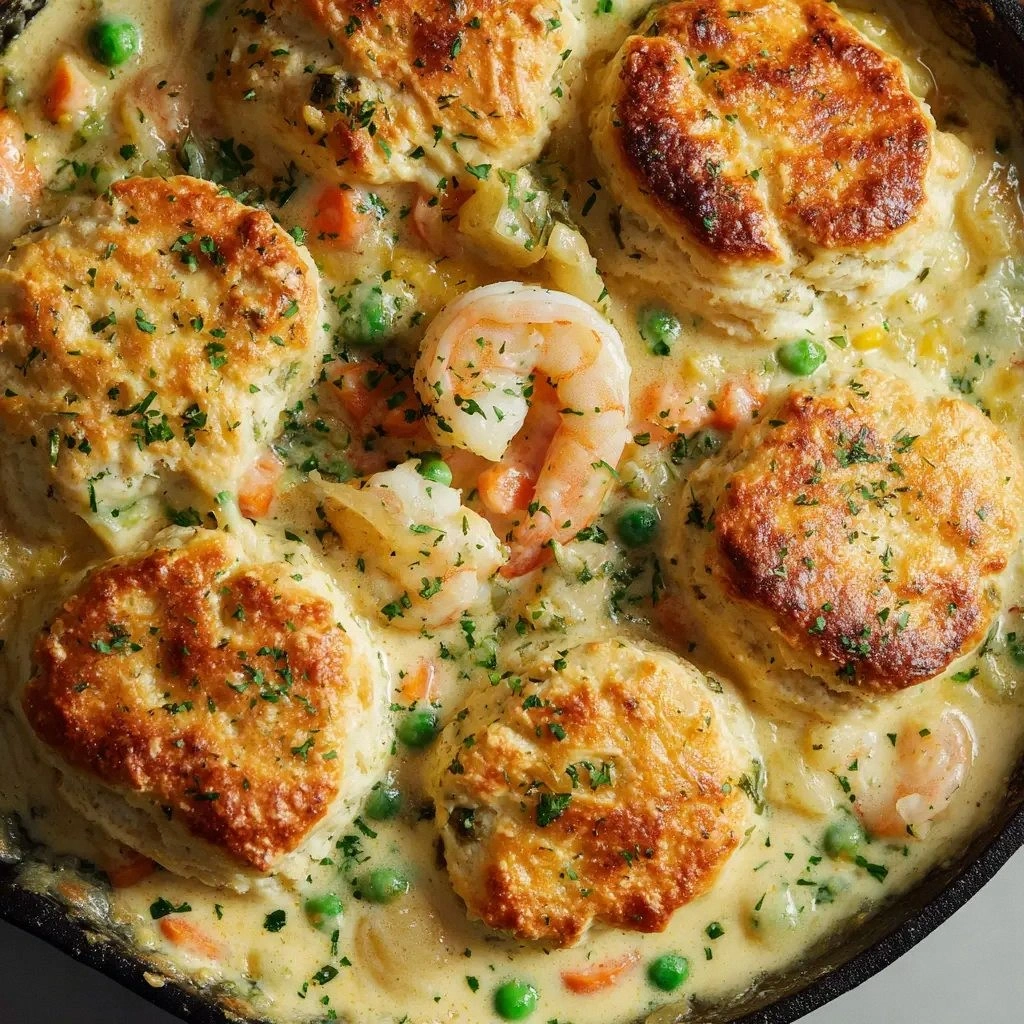
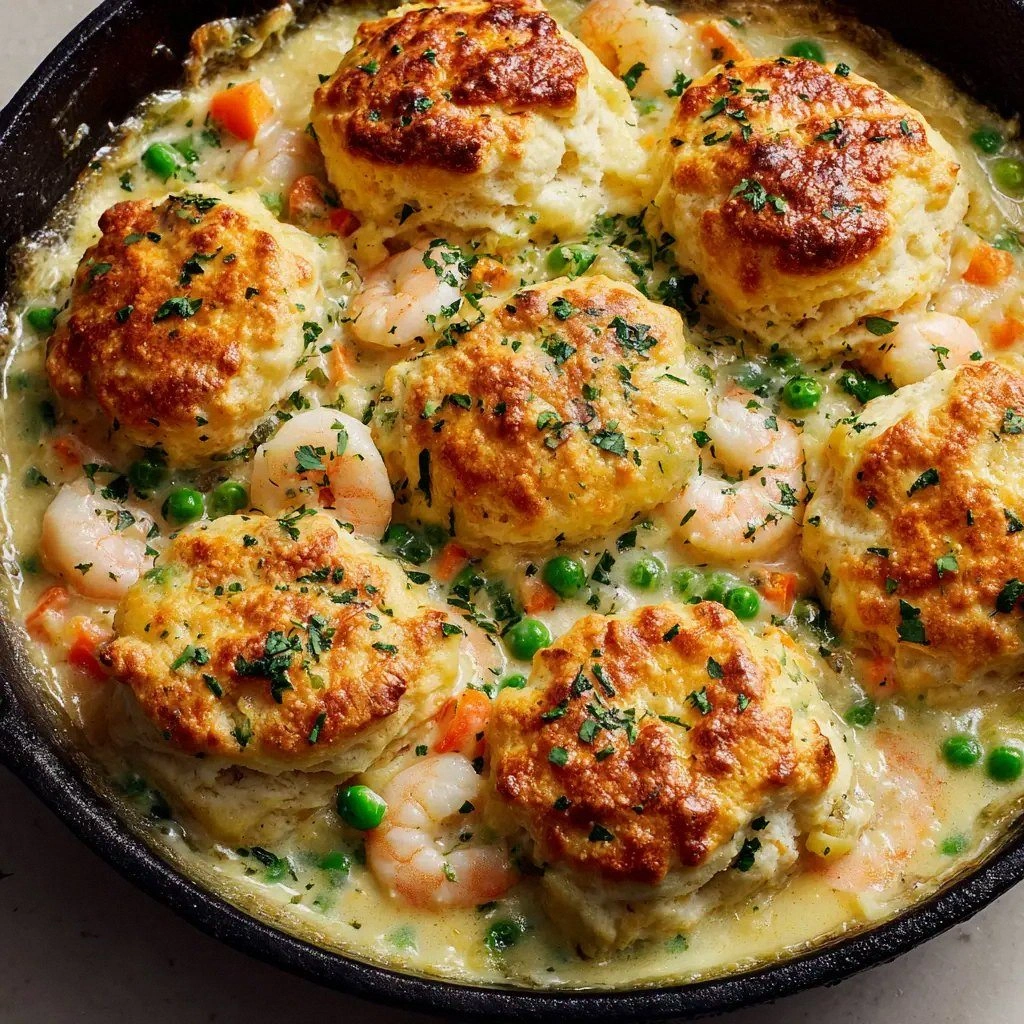
Picture this: a golden crust that crackles like fresh snow, a rich sauce that clings to every morsel of fish and shrimp, and a burst of fresh herbs that lifts the whole dish into the stratosphere. The aroma that fills the kitchen is a warm hug from the sea, mingled with buttery caramelized onions and a whisper of white wine. The sound of the bubbling mixture is a gentle lullaby, and the first bite feels like a velvet caress on your tongue.
What makes this recipe stand out? It’s the harmony of textures and the careful balance of flavors that turns a simple pot pie into a culinary masterpiece. The sauce is silky yet thick enough to cling to the seafood, the crust is buttery and flaky, and the cheese provides a sharp, tangy contrast that cuts through the richness. I dare you to taste this and not go back for seconds.
But there’s a secret twist that sets this apart from every other version you’ll find online: a splash of dry white wine added at the very beginning of the sauce, followed by a dash of sharp yellow cheddar that melts into the filling like a molten river. The result is a depth of flavor that feels like a secret handshake between the sea and the hearth. And if you’re thinking this is just another recipe, think again—this is hands down the best version you’ll ever make at home.
Let me walk you through every single step—by the end, you’ll wonder how you ever made it any other way.
What Makes This Version Stand Out
- Taste: The sauce is a symphony of umami from the fish, the bright acidity of the white wine, and the creamy richness of the cheese. Each bite delivers a layered experience that dances on the palate, leaving you craving more.
- Texture: The crust is flaky and buttery, with a slight crispness that contrasts beautifully against the tender, flaky cod and succulent shrimp. The sauce has a silky viscosity that coats the seafood without becoming soupy.
- Ingredient Quality: Using fresh, high‑quality seafood and real cheddar cheese elevates the dish from ordinary to extraordinary. The difference in flavor is like moving from a grocery store to a farmer’s market.
- Simplicity: Despite its complex flavor profile, the recipe is straightforward, with a clear sequence of steps that even novice cooks can follow. The only “trick” is timing, not technique.
- Crowd Reaction: Friends and family have reported that this dish is the talk of the table, with many asking for the recipe after the first plate is cleared.
- Make‑ahead Potential: The filling can be prepared up to 24 hours ahead and frozen, making it a perfect week‑night dinner that feels like a special occasion.
- Unique Twist: The addition of dry white wine and sharp cheddar creates a depth that most pot pies lack, giving it a signature edge.
- Balanced Nutrition: With a mix of protein, healthy fats, and vegetables, this dish satisfies both taste buds and dietary goals.
Alright, let's break down exactly what goes into this masterpiece…
Inside the Ingredient List
The Flavor Base
The roux—made from butter and flour—forms the foundation of the sauce, providing body and a subtle nutty flavor. Skipping it would leave the sauce thin and watery, and the whole pie would feel underwhelming. If you’re allergic to dairy, replace the butter with a neutral oil, but keep the flour to maintain thickness.
Whole milk adds a creamy, slightly sweet note that balances the sharpness of the cheddar. Replacing it with a plant‑based milk will change the flavor profile but still deliver a smooth sauce. A splash of heavy cream at the end of cooking gives the sauce a luxurious mouthfeel.
Vegetable or chicken broth brings depth without overpowering the seafood. If you’re looking for a richer taste, opt for a homemade broth made with bone broth or a stock that has been simmered for hours.
The Texture Crew
Cod fillet, cut into bite‑sized cubes, provides a mild, flaky texture that absorbs the sauce beautifully. Fresh shrimp add a pop of sweetness and a slightly firm bite that contrasts with the cod. If you’re short on time, pre‑cooked shrimp will work, but the flavor will be slightly altered.
Carrot, diced into small cubes, adds a subtle sweetness and a pleasant bite. Frozen green peas provide a burst of color and a hint of earthiness that complements the seafood. If you prefer a more vibrant green, substitute with fresh peas or a handful of spinach.
Sharp yellow cheddar cheese melts into the filling, creating a silky, slightly tangy layer that enriches every bite. If you’re not a fan of cheddar, a blend of Gruyère and Parmesan will give a similar depth with a different nuance.
The Unexpected Star
Dry white wine is the secret sauce enhancer that adds acidity and depth. It’s a small amount—just a quarter cup—but it transforms the dish from ordinary to unforgettable. If you don’t have wine, a splash of apple cider vinegar can mimic the acidity, but the flavor will be different.
Fresh parsley, chopped, adds a bright, herbal note that cuts through the richness of the cheese and butter. It also provides a pop of color that makes the dish visually appealing. A pinch of dill would give a more traditional seafood flavor, so feel free to experiment.
The Final Flourish
The biscuit crust is made from all‑purpose flour, baking powder, cold butter, buttermilk, and shredded cheddar. The cold butter creates flaky layers, while the buttermilk adds tenderness and a slight tang. This crust is a crowd‑pleaser, with a golden, buttery exterior that melts in your mouth.
Sea salt and black pepper finish the dish, balancing the flavors and enhancing the natural sweetness of the seafood. Salt is the invisible hero that brings everything together, so don’t be shy—taste as you go and adjust accordingly.
Everything's prepped? Good. Let's get into the real action…
The Method — Step by Step
- Start by melting 6 tablespoons of unsalted butter in a large skillet over medium heat. Once the butter is foamy, sprinkle in 1/2 cup of all‑purpose flour and stir constantly for about 2 minutes until the mixture turns a light golden brown. This creates a roux that will thicken the sauce and add a nutty aroma. Keep the heat moderate to avoid burning the flour.
- Add the finely chopped 1 small yellow onion and 2 minced cloves of garlic to the skillet. Sauté until the onion becomes translucent and the garlic releases its fragrance—about 3 to 4 minutes. The onions will caramelize slightly, adding sweetness that balances the sharpness of the cheese.
- Pour in 1/2 cup of dry white wine, letting it simmer for a minute to reduce slightly and evaporate the alcohol. The wine infuses the sauce with depth and acidity, preventing it from feeling heavy. If you prefer a non‑alcoholic version, use an equal amount of chicken broth.
- Stir in 1 1/2 cups of whole milk, 1 cup of heavy cream, and 1 cup of vegetable or chicken broth. Bring the mixture to a gentle simmer, letting it thicken into a velvety sauce. The combination of milk and cream gives the sauce a luxurious mouthfeel while the broth adds savory undertones.
- Season the sauce with sea salt and freshly ground black pepper to taste. Remember that the cheese will also contribute saltiness, so start with a light hand and adjust later. A well‑seasoned sauce is the backbone of any great dish.
- Fold in the diced carrot, frozen peas, 1 lb of cod cubes, and 1/2 lb of large raw shrimp. Cook for 5 minutes, allowing the seafood to absorb the sauce and the vegetables to soften. The shrimp should turn pink but still remain firm; overcooking will make them rubbery.
- Stir in 1 cup of sharp yellow cheddar cheese until it melts completely, creating a creamy, slightly tangy layer that coats the seafood. Sprinkle 2 tablespoons of fresh parsley for a burst of color and freshness. This step is the moment of truth—watch the cheese melt into a silky glaze.
- While the filling simmers, prepare the biscuit crust. In a bowl, whisk together 2 cups of all‑purpose flour, 1 tablespoon of baking powder, a pinch of salt, and 1/2 cup of cold unsalted butter cut into cubes. Use a pastry cutter or your fingertips to blend until the mixture resembles coarse crumbs. Then add 3/4 cup of buttermilk and 1 cup of shredded cheddar, mixing just until the dough comes together.
- Drop spoonfuls of the biscuit dough onto a parchment‑lined baking sheet, spacing them about 2 inches apart. Bake at 400°F (200°C) for 12 to 15 minutes, or until the tops are golden brown and the edges are slightly crisp. The biscuits should puff up nicely, creating a fluffy, buttery topping.
- When the biscuits are ready, spoon the hot seafood filling into a large baking dish, then top with the biscuit dough. Press the biscuits gently into the filling so they adhere, then bake the assembled pie at 375°F (190°C) for 20 to 25 minutes. The biscuits will rise and brown, creating a beautiful, golden crust.
- Remove the pie from the oven and let it rest for 5 minutes before serving. This allows the filling to set slightly, making it easier to cut. The result is a comforting, aromatic pot pie that feels like a warm hug from the sea.
That's it — you did it. But hold on, I've got a few more tricks that'll take this to another level…
Insider Tricks for Flawless Results
The Temperature Rule Nobody Follows
Many cooks keep the oven temperature high for the biscuits, but this can cause the crust to burn before the filling is fully heated. Instead, bake the biscuits at 375°F (190°C) and then finish the pie at 400°F (200°C) for a short time. This two‑step approach ensures a golden crust without over‑cooking.
Why Your Nose Knows Best
When the filling is simmering, the aroma will change from buttery to nutty to cheesy. Trust that shift; it means the sauce is developing the right flavor profile. If it smells flat, add a pinch more salt or a splash of wine.
The 5‑Minute Rest That Changes Everything
Letting the pie rest after baking allows the sauce to thicken and the flavors to meld. A 5‑minute rest also makes the pie easier to slice, preventing the filling from spilling out. Think of it as the final seasoning that ties everything together.
The Secret to Flaky Biscuits
Using cold butter and buttermilk is key to flaky biscuits. Cold butter creates steam pockets that lift the dough, while buttermilk adds acidity that tenderizes the gluten. Don’t rush this step; the dough should be slightly sticky but not wet.
The Quick Fix for Over‑Wet Filling
If the sauce seems too watery, return it to the stove and let it simmer uncovered for a few minutes until it reaches the desired thickness. Stir frequently to prevent sticking, and add a splash of flour or cornstarch if needed.
The Final Touch of Freshness
Just before serving, sprinkle a handful of chopped parsley or a few microgreens on top. This not only adds color but also a fresh herbal note that cuts through the richness of the cheese and butter.
Creative Twists and Variations
This recipe is a playground. Here are some of my favorite ways to switch things up:
Mushroom Medley
Add sliced shiitake or cremini mushrooms to the filling for an earthy depth that complements the seafood. The mushrooms will absorb the sauce and add a meaty texture that satisfies vegetarians.
Spicy Cajun Kick
Stir in a teaspoon of Cajun seasoning and a pinch of cayenne pepper before baking. The heat will balance the richness and give the dish a bold, Southern flair.
Herb‑Infused Crust
Mix dried thyme or rosemary into the biscuit dough for a fragrant crust that echoes the filling’s herbal notes. This subtle addition enhances the overall aroma and taste.
Lemon‑Zest Finish
Grate a lemon’s zest over the finished pie and drizzle a light lemon butter sauce. The citrus brightens the dish and provides a refreshing contrast to the savory elements.
Smoked Salmon Twist
Replace the cod with smoked salmon for a smoky, luxurious flavor. The salmon’s rich texture pairs beautifully with the creamy sauce and cheddar.
Vegetarian Version
Omit the seafood and add diced zucchini, bell pepper, and tofu cubes. Use vegetable broth and a splash of soy sauce to maintain depth while keeping it plant‑based.
Storing and Bringing It Back to Life
Fridge Storage
Store leftovers in an airtight container for up to 3 days in the refrigerator. When reheating, cover the dish with foil to prevent the crust from drying out. The filling will stay moist, and the crust will retain its flakiness.
Freezer Friendly
Cool the pie completely before wrapping it tightly in plastic wrap and placing it in a freezer bag. It will stay fresh for up to 2 months. Thaw overnight in the fridge before reheating.
Best Reheating Method
Preheat the oven to 350°F (175°C) and bake the thawed pie for 15–20 minutes, or until heated through. Add a splash of water or broth to the bottom of the dish before baking; this steams the filling back to perfection and keeps it from drying out.