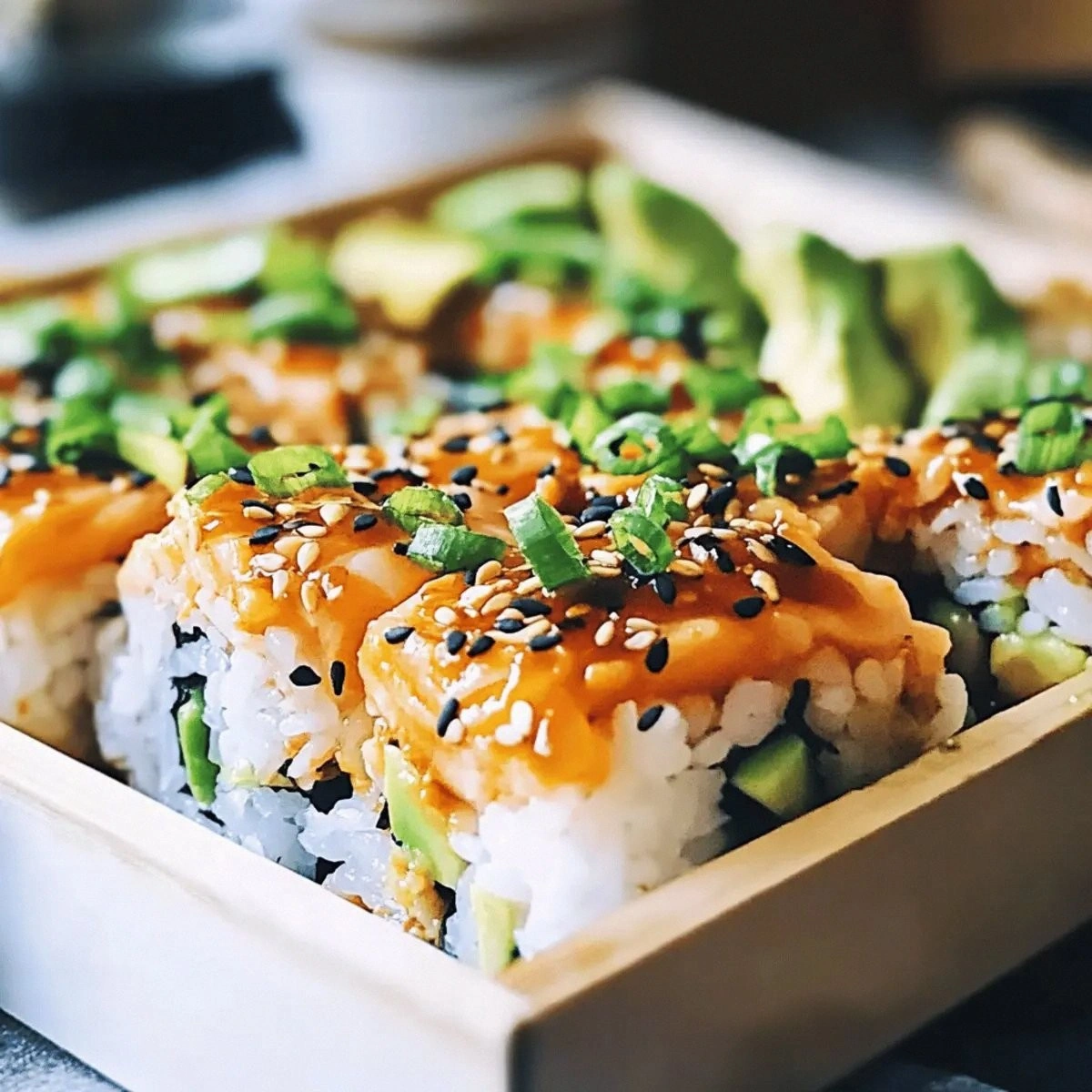
I’ll be honest — I was halfway through a boring Tuesday night when my roommate dared me to turn the leftover sushi roll ingredients into something that would actually make us forget about pizza. I stared at the half‑cooked sushi rice, a sad looking salmon fillet, and that lonely bottle of sriracha, and I thought, “What if I could make a bake that feels like a warm hug but still has that punch of heat?” The kitchen was a mess of clattering chopsticks, the faint hum of the fridge, and the distant sound of a sitcom laugh track, but the scent of rice vinegar and toasted nori was already dancing in the air, promising something magical. I imagined the first bite: the buttery salmon, the creamy mayo‑sriracha swirl, the crisp avocado, all tucked under a golden, slightly caramelized crust that would crack like thin ice under a spoon.
That moment sparked a culinary experiment that turned into what I now call the “Irresistibly Cozy Spicy Salmon Sushi Bake.” Most sushi bakes I've tried either end up soggy, flavor‑less, or just a reheated sushi roll masquerading as a casserole. This version, however, is a game‑changer: the rice is seasoned perfectly, the salmon is marinated in a spicy mayo that clings like velvet, and the topping crisps up in the oven to a buttery, umami‑rich finish that makes you want to lick the pan. I dare you to taste this and not go back for seconds – it’s that good.
What truly sets this recipe apart is the balance of textures and flavors. The rice stays fluffy, never mushy, thanks to a precise water‑to‑rice ratio and a gentle steam after the vinegar seasoning. The salmon gets a double‑dose of flavor – first a quick sear that locks in juices, then a generous coating of spicy mayo that caramelizes in the oven, creating those coveted crispy edges that shatter like thin ice. And the avocado? It adds a buttery coolness that cuts through the heat, while the nori strips bring that classic sea‑weed crunch you love from sushi rolls.
I’m about to spill the beans on a secret technique that most recipes completely miss: a quick flash‑broil at the end that turns the top layer into a golden, slightly caramelized blanket without drying out the interior. Picture yourself pulling this out of the oven, the whole kitchen smelling incredible, the steam rising like a cloud of anticipation. Okay, ready for the game‑changer? Let me walk you through every single step — by the end, you'll wonder how you ever made it any other way.
What Makes This Version Stand Out
- Taste: The marriage of creamy mayo, fiery sriracha, and delicate salmon creates a flavor explosion that’s both comforting and exhilarating.
- Texture: A fluffy rice base, tender fish, and a crisp, caramelized topping deliver a satisfying crunch with every bite.
- Simplicity: Fewer than fifteen ingredients and a single‑pan method keep prep time short and cleanup minimal.
- Uniqueness: The flash‑broil finish gives a restaurant‑quality crust that most home‑cooked sushi bakes lack.
- Crowd Reaction: Guests constantly ask for seconds and rave that it “tastes like a sushi bar but feels like home cooking.”
- Ingredient Quality: Using fresh, skinless salmon and real avocado elevates the dish from a hack to a headline‑worthy entrée.
- Cooking Method: Baking, not steaming, ensures the flavors meld while the top caramelizes perfectly.
- Make‑Ahead Potential: Assemble the night before, refrigerate, and bake fresh the next day for a stress‑free dinner.
Inside the Ingredient List
The Flavor Base
The combination of rice vinegar, sugar, and salt is the holy trinity that transforms plain sushi rice into a subtle sweet‑sour canvas. The vinegar adds that bright tang that awakens the palate, while the sugar softens the acidity, creating a balanced backdrop for the bold salmon. Skipping the sugar will leave the rice tasting flat, and omitting the vinegar will make the whole dish feel like bland rice pudding. If you’re out of rice vinegar, a splash of apple cider vinegar works in a pinch, though the flavor profile shifts slightly toward fruitiness.
The Texture Crew
Sushi rice itself is a star, but the water ratio is crucial – 2 cups of water to 2 cups of rice yields that perfect plumpness without turning mushy. The salmon, when seared briefly before baking, develops a slight crust that locks in juices; this step is non‑negotiable for that melt‑in‑your‑mouth texture. The avocado slices add a buttery coolness that counteracts the heat from the sriracha, while the nori strips contribute a subtle sea‑weed crunch that mimics the bite of a traditional roll.
The Unexpected Star
Mayonnaise and sriracha together create a spicy mayo that’s richer than a simple hot sauce. The mayo’s fat carries the heat deep into the salmon, ensuring every bite has that lingering warmth without overwhelming the palate. If you’re feeling adventurous, swap half the mayo for Greek yogurt for a tangier, lighter version that still holds the heat. Remember, the key is to mix the sauce thoroughly so the heat distributes evenly – clumps will leave hot pockets and bland spots.
The Final Flourish
Sesame oil adds an earthy, nutty aroma that whispers of traditional Japanese cuisine. A drizzle over the top before the final broil creates a glossy sheen and deepens the umami notes. Green onions bring a fresh, sharp bite that cuts through the richness, while soy sauce at the table lets each diner adjust saltiness to taste. If you’re watching sodium, use low‑sodium soy sauce or a splash of tamari for a gluten‑free twist.
Everything's prepped? Good. Let's get into the real action…
The Method — Step by Step
Start by rinsing the sushi rice under cold water until the water runs clear. This removes excess starch and prevents the rice from becoming gummy. After rinsing, let the rice soak in the measured 2 cups of water for exactly 20 minutes – set a timer so you don’t forget. Once soaked, bring the pot to a boil, then reduce the heat to the lowest setting, cover, and let it simmer for 12 minutes. When the timer dings, remove the pot from heat and let it sit, still covered, for another 10 minutes. That’s the moment where the grains become perfectly fluffy, each one distinct and ready to soak up the vinegar mixture.
While the rice is steaming, whisk together the rice vinegar, sugar, and salt in a small saucepan over low heat. Stir until the sugar dissolves completely – you’ll notice a gentle shimmer as the mixture becomes glossy. Remove from heat and let it cool slightly; this is the seasoning that will give the rice its signature bright tang. Once the rice has rested, transfer it to a large wooden or plastic bowl (metal reacts with the vinegar) and gently fold in the seasoned vinegar using a rice paddle or spatula. Be careful not to smash the grains; a cutting motion preserves the texture.
Now, turn to the salmon. Pat the fillet dry with paper towels; moisture is the enemy of a good sear. Cut the salmon into bite‑size cubes, about 1‑inch pieces. In a bowl, combine the mayonnaise, sriracha sauce, and sesame oil, whisking until smooth. Toss the salmon cubes in this spicy mayo, ensuring each piece is fully coated – the sauce should cling like a silky veil. Let the mixture rest for 5 minutes; this brief marination lets the flavors penetrate the fish.
Heat a non‑stick skillet over medium‑high heat and add a drizzle of sesame oil. When the oil shimmers, add the salmon cubes in a single layer, making sure not to overcrowd the pan. You’ll hear a satisfying sizzle – that’s the sound of flavor forming a crust. Cook for 2‑3 minutes per side, just until the exterior turns lightly golden but the interior remains pink. Overcooking will make the salmon dry, and we don’t want that. Transfer the seared salmon to a plate lined with paper towels to drain any excess oil.
Preheat your oven to 375°F (190°C). While it’s heating, spread the seasoned sushi rice evenly in a 9×13‑inch baking dish, pressing it down gently with the back of a spoon to create a compact base. This compactness ensures the rice holds together after baking and provides a sturdy platform for the salmon.
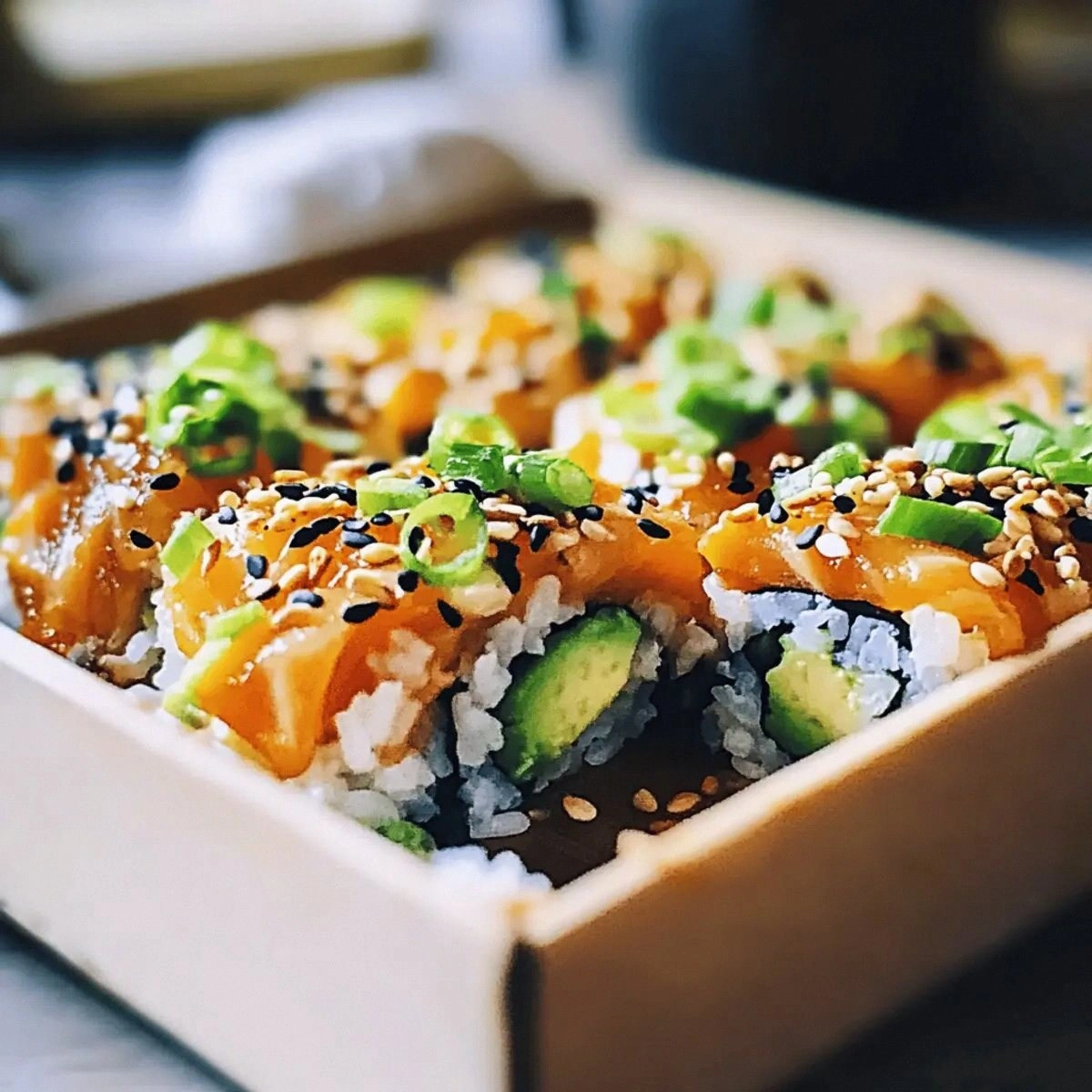
Scatter the avocado slices over the rice, arranging them in a single layer. The avocado’s buttery texture will soften slightly during baking but retain enough firmness to avoid turning into mush. Next, evenly distribute the seared salmon cubes across the avocado, making sure every bite gets a piece of fish. Sprinkle the chopped green onions and nori strips on top – they’ll crisp up in the oven, adding that essential crunch.
Place the baking dish in the preheated oven and bake for 15 minutes. You’ll notice the edges of the salmon beginning to brown and the avocado releasing a gentle aroma. After 15 minutes, switch the oven to broil and let the top broil for 2‑3 minutes, watching closely. This flash‑broil creates a caramelized crust that’s golden‑brown and slightly crispy – the hallmark of a perfect sushi bake. The scent at this point is intoxicating; it’s the moment of truth.
Remove the bake from the oven and let it rest for 5 minutes before serving. This short rest allows the flavors to meld and the heat to distribute evenly, preventing the rice from sliding off the plate. Serve hot, with soy sauce on the side for those who like an extra salty kick. That final drizzle of soy sauce is the finishing touch that brings everything together, making each bite a harmonious blend of sweet, salty, spicy, and umami.
That's it — you did it. But hold on, I've got a few more tricks that'll take this to another level…
Insider Tricks for Flawless Results
The Temperature Rule Nobody Follows
Never bake sushi rice at a temperature above 375°F. Higher heat dries out the rice, making it crumbly instead of tender. By staying at 375°F, the rice gently absorbs the vinegar seasoning without evaporating too quickly, preserving that perfect bite‑size texture. A friend once cranked the oven to 425°F hoping for a quicker bake, and the result was a dry, cracked rice bed that felt more like a rice cake than a sushi bake.
Why Your Nose Knows Best
When the salmon starts to caramelize, trust the aroma more than the clock. A sweet, toasted scent signals that the Maillard reaction is happening – that’s the flavor gold we’re after. If you smell a hint of burnt butter, pull the dish out immediately; the sugars in the mayo can go from caramelized to charred in seconds. Your nose is the ultimate timer for that perfect golden crust.
The 5‑Minute Rest That Changes Everything
Allowing the bake to rest for five minutes after it comes out of the oven lets the steam redistribute, keeping the rice moist and the salmon juicy. This brief pause also lets the avocado settle, preventing it from turning mushy when you cut into the dish. Skipping this step often results in a dish that looks great but feels dry on the palate.
Nori Crunch Boost
If you love extra crunch, toast the nori strips in a dry skillet for 30 seconds before sprinkling them on top. This light toasting releases the sea‑weed’s natural oils, intensifying its flavor and giving the strips a satisfyingly crisp edge that survives the bake. It’s a tiny step that makes a massive difference in texture.
Sauce Consistency Check
The spicy mayo should be thick enough to coat the salmon without running off. If it feels too runny, whisk in an extra half‑teaspoon of mayonnaise; if it’s too thick, thin it with a splash of water or extra sriracha for more heat. This adjustment ensures every salmon cube is enveloped in a silky, flavorful glaze.
Creative Twists and Variations
This recipe is a playground. Here are some of my favorite ways to switch things up:
Tropical Heat
Swap the avocado for diced mango and add a tablespoon of lime zest to the spicy mayo. The sweet mango balances the heat, creating a bright, summer‑ready flavor profile that’s perfect for beachside dining.
Crispy Panko Overlay
Mix panko breadcrumbs with a drizzle of melted butter and sprinkle over the top before the final broil. This adds an ultra‑crunchy layer that mimics the texture of a tempura‑style sushi bake.
Umami Boost
Add a tablespoon of miso paste to the spicy mayo mixture. The miso deepens the umami, giving the dish a richer, more complex flavor that will impress even the most seasoned sushi lovers.
Veggie‑Forward
Replace half of the salmon with diced shiitake mushrooms marinated in soy sauce and sesame oil. The mushrooms absorb the sauce and provide a meaty texture for those looking to reduce fish consumption.
Cheesy Fusion
Sprinkle a thin layer of shredded mozzarella over the top before broiling. The cheese melts into the sauce, creating a gooey, indulgent crust that’s unexpectedly delightful.
Storing and Bringing It Back to Life
Fridge Storage
Allow the bake to cool completely, then cover tightly with plastic wrap or foil. It will keep fresh in the refrigerator for up to 3 days. When reheating, sprinkle a tiny splash of water over the surface before microwaving or baking – this creates steam that revives the rice’s fluffiness.
Freezer Friendly
Portion the bake into individual servings, wrap each portion in parchment paper, then place in a freezer‑safe bag. It freezes well for up to 2 months. To reheat, thaw overnight in the fridge, then bake at 350°F for 15 minutes, finishing with a 2‑minute broil for that signature crust.
Best Reheating Method
For the crispiest results, reheat in a preheated oven at 375°F for 10‑12 minutes, then broil for 1‑2 minutes. Avoid the microwave if you want to preserve the crunchy topping – the microwave will make the rice soggy and the nori limp.