I still remember the day I set out to make a simple lemon dessert and accidentally created what my family now calls liquid sunshine in a pan. The kitchen smelled like a citrus grove had exploded, my counters looked like a flour bomb had detonated, and I was sweating bullets because I had promised to bring dessert to book club in exactly ninety minutes. What happened next defied every baking rule I thought I knew: the batter separated into layers while baking, the lemon custard floated to the top, and the cake sank to the bottom like it had given up on life. I pulled it from the oven ready to toss the whole thing and order emergency donuts, but then I tasted a corner crumb. Holy mother of all that is holy, it was like eating a lemon cloud that had been kissed by angels and rolled in powdered sugar.
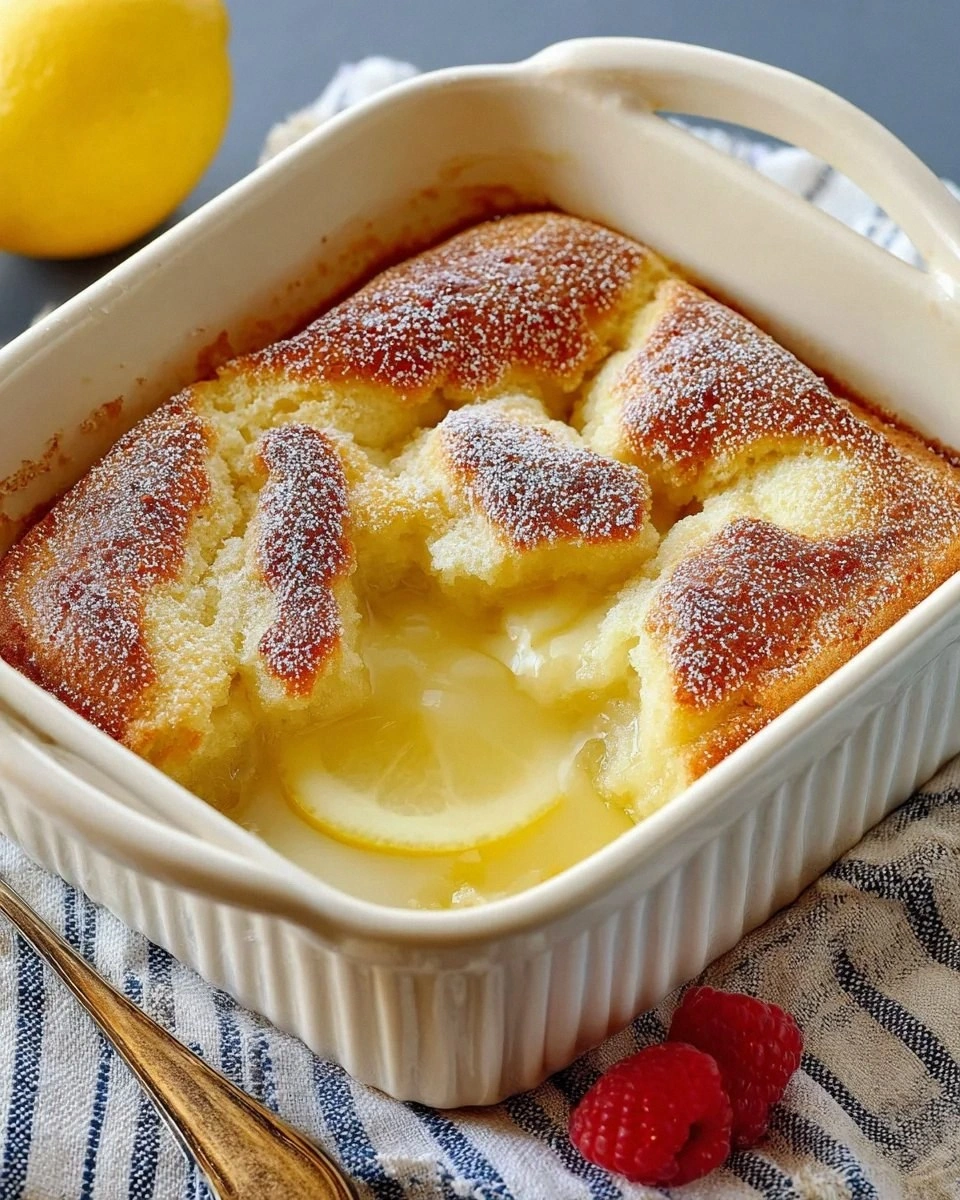
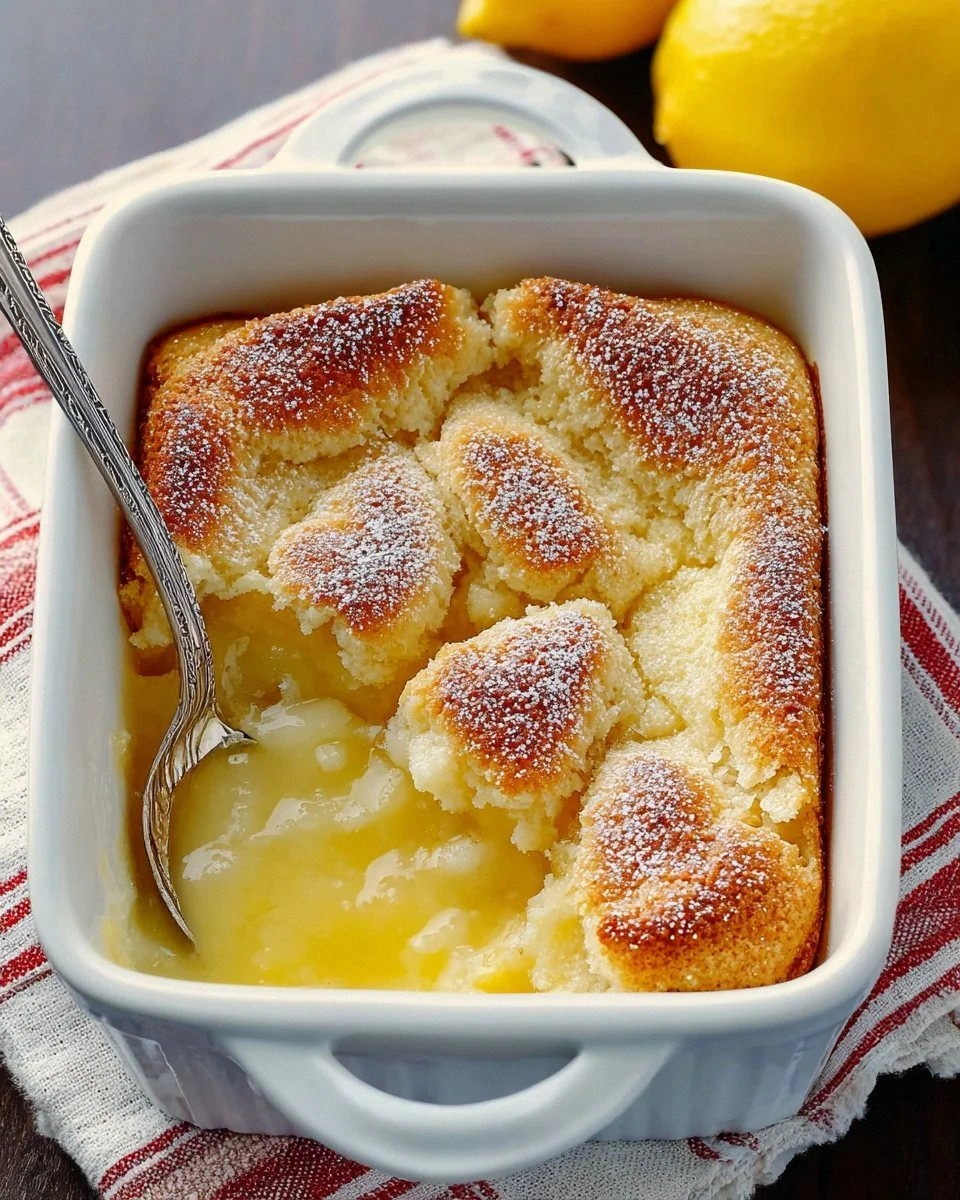
Picture this: you crack through a whisper-thin, golden crust that shatters like caramelized glass, revealing a molten river of tangy lemon curd so bright it practically glows. Underneath, a pillowy cake layer soaks up every drop of citrus magic, turning into a spoon-soft pudding that tastes like summer vacation in the South of France. The edges caramelize into chewy candy while the center stays wobbly and custardy, creating a textural roller coaster that makes grown adults close their eyes and hum. I dare you to taste this and not go back for thirds — yes, thirds, because seconds happen before your brain can register the first bite.
Most lemon cobblers are sad, soggy affairs where the filling turns into lemon water and the topping tastes like wet cardboard sprinkled with despair. They rely on boxed cake mixes that taste like artificial lemon Pledge, or they curdle into grainy scrambled eggs because someone on the internet said you could skip the tempering step. This version? It's the Beyoncé of desserts — flawless, confident, and absolutely unforgettable. The secret lies in pouring hot lemon custard over raw batter and letting physics do the heavy lifting while you sip coffee and pretend you're a pastry wizard.
Stay with me here — this is worth it. I'm about to show you how to create a dessert that will make your mother-in-law request the recipe, your neighbor offer to babysit your kids, and your dentist send you a thank-you card. By the time we're done, you'll have a foolproof arsenal of techniques that work even if your oven runs hot, your lemons are stingy, or your cat decides to sit on the cookbook. Let me walk you through every single step — by the end, you'll wonder how you ever made it any other way.
What Makes This Version Stand Out
Taste Explosion: This isn't polite lemon flavor that whispers from the corner. We're talking full-volume citrus that punches you in the taste buds with bright, clean acidity balanced by buttery richness that coats your mouth like velvet. The lemon juice gets reduced into a syrup that concentrates every drop of sunshine, while the zest provides floral oils that taste like you bottled the color yellow.
Texture Wizardry: Three distinct layers form like magic: a crackly sugar crust that crunches like crème brûlée, a molten lemon curd river that flows like warm honey, and a cake base that eats like the love child of angel food and bread pudding. Each spoonful delivers crispy, creamy, and cloud-soft textures that play off each other like a well-rehearsed jazz trio.
One-Bowl Simplicity: Forget separating eggs, whipping meringues, or dirtying every pan in your kitchen. The entire batter comes together in one bowl with a whisk and the patience of a toddler. The lemon custard mixes in the same measuring cup you used for juice — no extra dishes, no fancy equipment, no culinary degree required.
Unexpected Science: Here's the game-changer: pouring hot custard over raw batter creates a temperature differential that forces the components to separate while baking. The heavy custard sinks then rises, the light cake batter climbs the sides and creates a shell, and somewhere in the oven alchemy they swap places. It's like watching a lava lamp made of dessert.
Make-Ahead Champion: This cobbler actually improves after a four-hour nap in the fridge. The flavors meld into deeper complexity, the custard sets to perfect spoonability, and you can reheat individual portions in the microwave for 20 seconds to recreate that fresh-from-oven magic. I've been known to bake two on Sunday and ration them through Wednesday — not that they ever last that long.
Crowd Reaction Guarantee: I've served this to lemon dessert skeptics who claimed they "don't do citrus sweets" and watched them lick their bowls clean. It converts chocolate devotees, wins over pie purists, and makes children who normally only eat neon candy ask for seconds of something that contains actual fruit. The last time I brought this to a potluck, three people proposed marriage and one tried to hire me as their personal baker.
Alright, let's break down exactly what goes into this masterpiece — and why each ingredient matters more than your ex's apology text.
Inside the Ingredient List
The Flavor Foundation
Fresh lemons are non-negotiable here — bottled juice tastes like lemon-scented disappointment and will ruin your life. You need the whole fruit: zest provides aromatic oils that taste like sunshine concentrated into tiny flecks, while the juice delivers bright acidity that makes your mouth water just thinking about it. Buy lemons that feel heavy for their size with thin, smooth skins — thick-skinned lemons are older and drier than your aunt's dinner rolls. Four medium lemons will give you exactly what you need, and if you end up with extra juice, freeze it in ice cube trays for future cocktails or vinaigrettes.
Butter does triple duty in this recipe, creating flavor, texture, and that irresistible golden crust. Use the good European stuff with 82% fat content — it tastes like butter should taste, not like the watery pale sticks that sit in American fridges for months. The butter gets melted and mixed into the batter, creating tenderness that prevents the cake from turning rubbery. When it hits the hot oven, the milk solids caramelize into nutty, toasty flavors that make your kitchen smell like a French bakery.
The Texture Crew
All-purpose flour gives the cake structure without making it tough — we're not building a skyscraper here, just a tender framework for all that lemon magic. Measure it correctly by spooning it into your cup and leveling with a knife, unless you enjoy eating lemon-flavored hockey pucks. The flour creates gluten when mixed with liquid, but we're keeping that gluten development minimal by whisking just until combined. Think of it as lazy mixing that results in tender, almost pudding-like texture.
Baking powder is our chemical leavening hero, creating carbon dioxide bubbles that make the cake rise and create those dramatic layers. Make sure yours is fresh — if it's been sitting in your pantry since the Clinton administration, buy a new can. Old baking powder loses its punch, and you'll end up with a dense, sad cake that sits in your stomach like a lemon-flavored paperweight. Test it by dropping a teaspoon in hot water — it should fizz like an excited soda.
The Unexpected Star
Whole milk might seem boring, but it's carrying the entire flavor profile on its dairy shoulders. The fat carries lemon's volatile compounds to your taste buds, while the proteins help create that custardy middle layer. Full-fat milk is mandatory — skim milk will give you watery, separated disappointment that tastes like lemon water poured over stale bread. If you're feeling fancy, substitute half-and-half for an even richer, more luxurious texture that eats like lemon pudding wearing a silk robe.
The Final Flourish
Vanilla extract might seem odd in a lemon dessert, but it rounds out sharp edges and adds depth that makes people ask "what's that amazing flavor?" Use the real stuff, not the imitation vanilla that tastes like a candle factory exploded. A tiny pinch of salt amplifies all the flavors and prevents the sweetness from becoming cloying — it's like turning up the contrast on a photograph. Granulated sugar does more than sweeten; it creates that crackly top crust that shatters under your spoon like thin ice on a pond.
Everything's prepped? Good. Let's get into the real action where the magic happens and your kitchen becomes the best-smelling room in the house.
The Method — Step by Step
- Melt your butter first — this gives it time to cool slightly so it doesn't scramble the eggs when mixed. I microwave mine in a big bowl because I'm washing one dish anyway, and watching butter transform from solid gold into liquid sunshine never gets old. You want it just melted, not bubbling hot, or you'll cook your eggs before they even hit the oven. The butter should smell nutty and rich, like you're about to make the world's best popcorn. Let it hang out while you zest and juice the lemons, but don't let it resolidify or your batter will have butter lumps that refuse to cooperate.
- Zest those lemons like your life depends on it, using the fine side of a grater or a microplane if you're fancy enough to own one. The zest contains lemon oil that's fifty times more flavorful than the juice — it's basically lemon concentrate in colorful flake form. Stop zesting when you hit the white pith underneath, because that stuff tastes like bitter regret and will ruin your dessert faster than you can say "oops." You should end up with about two tablespoons of bright yellow flecks that smell like you bottled happiness. If you've never zested lemons before, prepare for your hands to smell amazing for hours.
- Juice the lemons into a separate measuring cup, fishing out seeds with a fork like you're performing miniature surgery. Four lemons should give you about half a cup of juice, but don't panic if you're a little short — you can top off with water or, better yet, a splash of orange juice for complexity. The juice should taste bright and acidic, making your mouth pucker like you just kissed a battery. If your lemons are stingy with juice, microwave them for ten seconds then roll them under your palm like you're trying to get the last bit of toothpaste from the tube.
- Whisk together the flour, sugar, baking powder, and salt in your melted butter bowl until it looks like wet sand at the beach. This step coats the flour with fat, preventing tough gluten development and creating tender cake texture. The mixture should be lumpy and weird-looking — resist the urge to whisk until smooth, because those lumps create steam pockets that make the cake rise. Think of it as controlled chaos that results in dessert magic. If you've ever made pancakes from scratch, this step will feel familiar.
- Beat in the eggs one at a time, whisking just until each disappears into the batter like a spy into the night. The batter should start looking more cohesive and less like sandy soup, but it won't be completely smooth — that's perfect. Add the vanilla and lemon zest, whisking just to distribute those flavor bombs evenly. The batter should smell like lemon cookies and taste like sweet sunshine if you sneak a finger swipe. Don't eat too much or you'll run short for the actual dessert.
- Spread the thick batter into a buttered 9-inch baking dish, using a spatula to coax it into the corners like you're tucking it in for a nap. The batter will be thick and sticky, more like cookie dough than cake batter — that's exactly right. Wet your spatula with water to prevent sticking, and don't worry about making it perfectly smooth because it will all transform in the oven. The batter should fill the dish about halfway up the sides, leaving room for the lemon layer that comes next. Give the dish a gentle shake to settle everything evenly.
- Now for the game-changer moment: heat your lemon juice, sugar, and water in a saucepan until it simmers and the sugar dissolves completely. This creates a hot lemon syrup that will perform the magic separation trick when poured over the raw batter. The mixture should be clear and slightly thickened, like liquid lemon candy. Don't let it boil or the juice will lose its bright flavor and taste cooked. You're looking for tiny bubbles around the edges and steam rising like a lemon-scented ghost.
- Slowly pour the hot lemon syrup over the back of a spoon onto the batter — this prevents it from digging craters and distributes it evenly. The syrup will sit on top like a lemon lake, and you'll swear you've ruined everything because it looks like a hot mess. Resist every instinct to stir or swirl or fix anything — the oven will sort this out better than you ever could. The heat differential between hot syrup and room-temperature batter creates convection currents that do the layering automatically. It's like having a tiny dessert scientist working inside your oven.
- Bake at 350°F for 30-35 minutes until the top is golden brown and the center still jiggles like a happy bowl of gelatin. The edges will pull away from the sides slightly, and the top should be cracked and caramelized in spots. Your kitchen will smell like a lemon grove had a party with a bakery, and neighbors may start dropping by with empty containers. The center should move when you gently shake the pan, but it shouldn't look liquid — think set custard, not soup. Cool for at least 15 minutes before serving or you'll burn your mouth on lemon lava and ruin the experience.
That's it — you did it. But hold on, I've got a few more tricks that'll take this to another level and make you the dessert hero of every gathering from here forward.
Insider Tricks for Flawless Results
The Temperature Rule Nobody Follows
Room temperature ingredients aren't just snobby chef talk — they're the difference between smooth custard and scrambled lemon eggs. Cold eggs hit hot butter like ice water on a griddle, creating tiny butter pellets that refuse to incorporate and leave greasy pockets in your cake. Pull your eggs out of the fridge 30 minutes before baking, or speed things up by placing them in warm water for five minutes. The same goes for milk — cold milk makes the batter seize up like it's scared, while room-temperature milk blends seamlessly. Your future self will thank you when you're not picking butter chunks out of your dessert like finding treasure in a archaeological dig.
Why Your Nose Knows Best
Trust your sense of smell more than any timer — when this cobbler is perfectly baked, your kitchen will smell like caramelized lemons and toasted butter. If you still smell raw flour or eggy notes, give it another five minutes. The aroma develops in layers: first you get bright lemon, then buttery richness, finally caramelized sugar that signals the top is properly golden. A friend tried pulling hers out when the timer dinged despite the weak aroma, and ended up with a pale, flabby mess that tasted like lemon pudding wearing a sweater. Your nose has been trained by thousands of meals — listen to it like it's giving you dessert prophecy.
The 5-Minute Rest That Changes Everything
Here's where patience pays off in dessert dividends: let the cobbler rest for exactly five minutes after baking, but not a second longer. During this brief window, the custard sets to perfect spoonability while staying molten and dreamy. Wait too long and it becomes thick and cold, dig in too early and you'll burn your tongue on lemon napalm. Set a timer and walk away — check your phone, dance to one song, or practice saying "why yes, I did make this myself" in your best humble voice. The texture transforms from liquid chaos to silky perfection during this magic pause.
The Sugar Crust Secret
That crackly sugar top doesn't happen by accident — it's the result of sugar rising to the surface and caramelizing under direct heat. To amplify this effect, sprinkle an extra teaspoon of sugar over the top right before baking. The heat melts the sugar first, then caramelizes it into a thin, glass-like crust that shatters beautifully under your spoon. Use regular granulated sugar, not brown or powdered — they contain too much moisture and will create a soft, sticky top instead of the desired crunch. This tiny extra step elevates the dessert from delicious to absolutely show-stopping.
When Life Gives You Lemons, Zest First
Always zest your lemons before juicing them — trying to zest a squeezed lemon half is like trying to grate a wet napkin. The zest contains essential oils that are volatile and fade quickly, so zest directly into your batter to capture every drop of flavor. Use a light touch and stop at the white pith, which tastes like bitter disappointment and will ruin your dessert. If you zest too aggressively and hit pith, just flip the lemon over and zest the other side. The zest should smell like you bottled sunshine and tastes like lemon concentrate in colorful flake form.
Creative Twists and Variations
This recipe is a playground. Here are some of my favorite ways to switch things up:
Orange Creamsicle Cobbler
Swap the lemon juice and zest for fresh orange and add a teaspoon of vanilla bean paste to the batter. The result tastes like those orange creamsicle pops from childhood but dressed up for a dinner party. Top with whipped cream and you've got a dessert that converts orange-skeptics into citrus evangelists. The orange version is milder than lemon but still packs that bright, fresh flavor that tastes like liquid sunshine.
Lavender Honey Dream
Add a tablespoon of dried culinary lavender to the lemon syrup and replace half the sugar with honey. The floral notes complement the citrus like they're old friends who haven't seen each other in years. The honey creates deeper, more complex sweetness that plays beautifully against the tart lemon. This version tastes like eating dessert in a Provence garden while wearing a flowing linen dress, even if you're actually in a studio apartment wearing pajamas.
Coconut Lime Beach Party
Replace the milk with full-fat coconut milk and swap lemons for limes, adding a handful of toasted coconut to the batter. The coconut milk creates an even richer, more tropical texture that transports you to a beach vacation with every bite. The lime version is brighter and more refreshing than lemon, perfect for hot summer days when you want dessert but can't handle heavy sweets. Top with coconut flakes toasted until golden and you've got a dessert that tastes like vacation in a bowl.
Bourbon Caramel Comfort
Add two tablespoons of good bourbon to the lemon syrup and replace the water with strong coffee. The bourbon adds vanilla and caramel notes that deepen the flavor profile into something sophisticated enough for a dinner party. The coffee provides subtle bitterness that balances the sweet and tart elements perfectly. This version tastes like a warm hug from your favorite bartender who happens to be a dessert genius.
Berry Lemon Explosion
Scatter a cup of fresh raspberries or blueberries over the batter before adding the lemon syrup. The berries burst during baking, creating pockets of jammy fruit that complement the lemon like they're dance partners. The berries add color and flavor complexity that makes each bite slightly different. Use frozen berries in winter — just don't thaw them first or they'll turn your batter purple and streaky.
Spicy Mango Tango
Add a pinch of cayenne to the batter and replace half the lemon juice with mango nectar. The subtle heat builds slowly and makes the mango and lemon flavors pop like they're under a spotlight. This version has a sweet-heat profile that keeps people guessing and coming back for more. The mango adds tropical sweetness that softens the lemon's sharp edges while maintaining that bright, fresh flavor.
Storing and Bringing It Back to Life
Fridge Storage
Cover the completely cooled cobbler with plastic wrap pressed directly onto the surface to prevent a skin from forming. It keeps beautifully for up to four days in the refrigerator, though I've never seen it last more than two in real life. The flavors actually deepen and meld after the first day, creating a more complex, sophisticated dessert. Store it in the original baking dish if you have room, or transfer to a smaller container to save precious fridge real estate. If the top gets soggy from condensation, pop it under the broiler for 30 seconds to re-crisp the sugar crust.
Freezer Friendly
This cobbler freezes like a dream — cut it into portions and wrap each piece in plastic wrap, then foil. It keeps for up to two months in the freezer, though the texture will be slightly less magical than fresh. Thaw overnight in the refrigerator, then reheat in a 300°F oven for 10 minutes to restore the original glory. The custard layer might weep slightly after freezing, but a quick stir with a spoon redistributes everything perfectly. Label your packages or you'll play frozen dessert roulette in three months.
Best Reheating Method
Individual portions reheat best in the microwave for 20-30 seconds — just enough to warm through without turning the custard into lemon scrambled eggs. For larger portions, use a 300°F oven for 10-15 minutes until heated through but not piping hot. Add a tiny splash of water to the dish before reheating — it creates steam that brings back the original texture. Never reheat more than you plan to eat, as repeated heating breaks down the custard and creates rubbery texture. The top might not be quite as crisp as fresh, but the flavors will still make you close your eyes and hum.