I was standing in my kitchen, half‑asleep, watching the smoke from a burnt batch of frozen chicken nuggets curl up like lazy ghosts. The whole family was giving me the kind of look that says, “If you can’t even master nuggets, how are you going to handle a real dinner?” That moment of culinary humiliation sparked a dare from my roommate: “Make something that actually tastes like a restaurant, and I’ll do the dishes for a week.” I accepted, but what emerged from that challenge was not just a quick fix—it was a revelation, a stir‑fry that turned my kitchen into a miniature wok‑shop of flavor. This Chinese Chicken and Broccoli Stir‑Fry is the kind of dish that makes you forget the burnt nuggets ever existed and replaces them with a glossy, savory sauce that clings to each bite like a second skin.
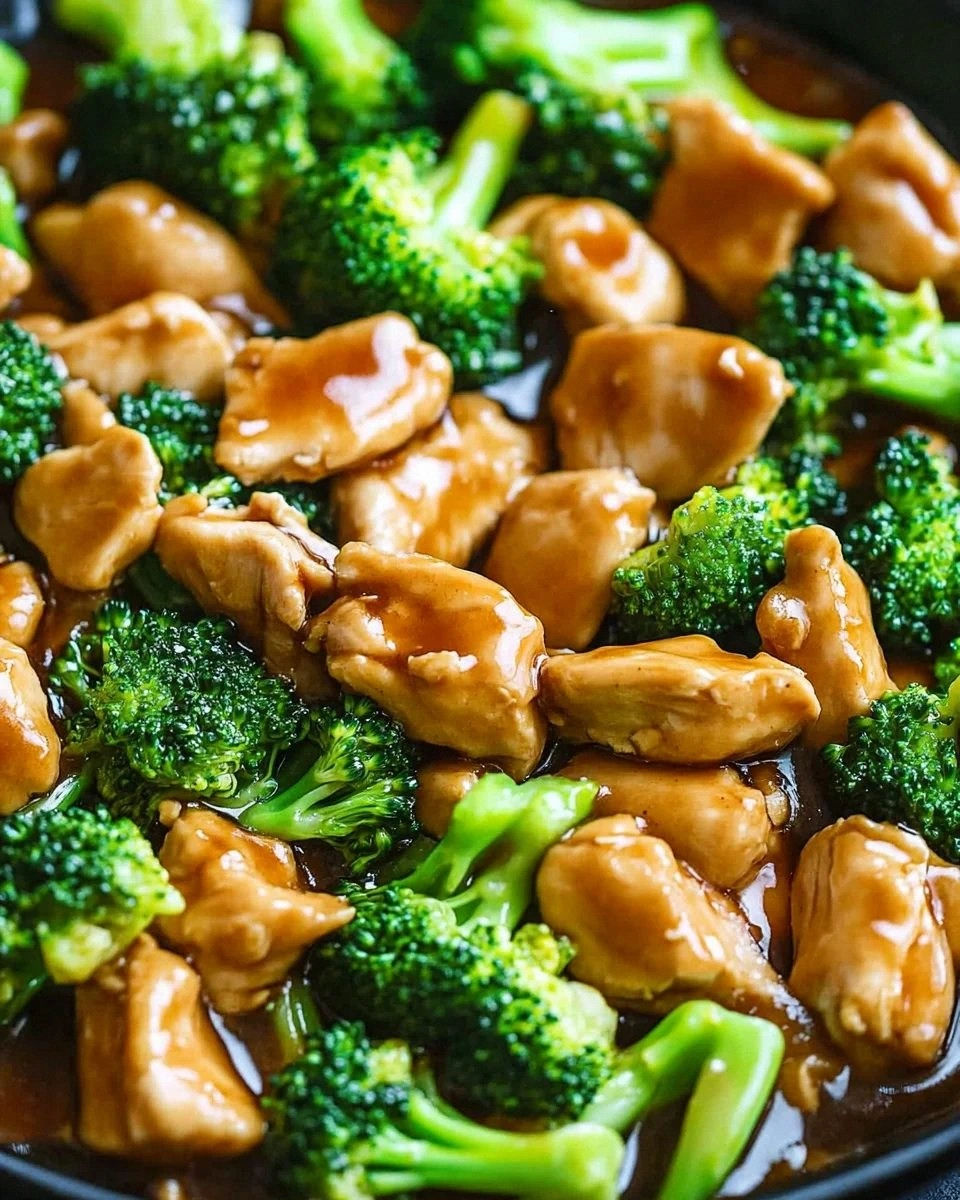
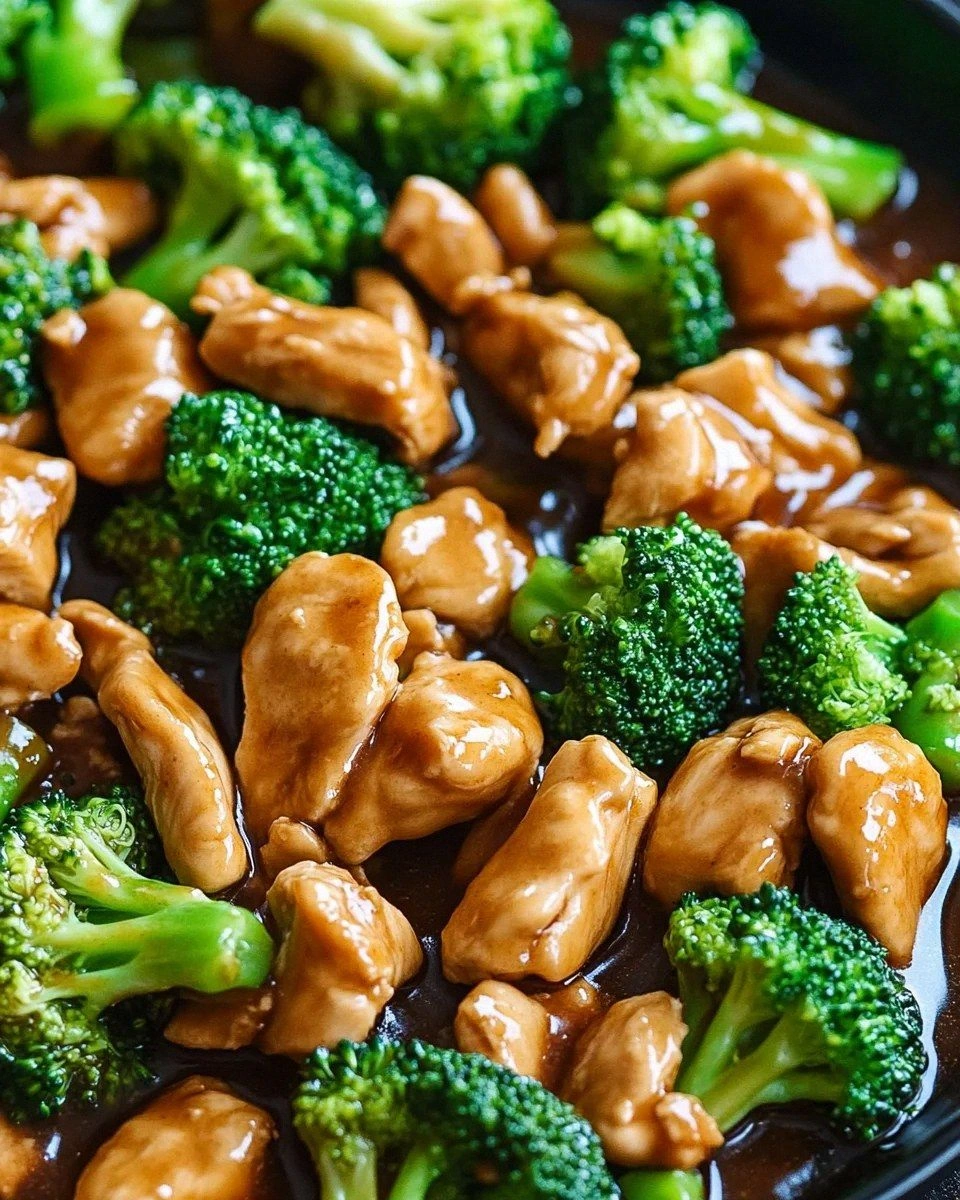
Picture this: the sizzle of a hot wok, the fragrant pop of garlic and ginger, the bright green of broccoli heads that look like tiny trees freshly cut from a garden. The aroma hits you first—a sweet‑savory perfume that whispers promises of umami and a hint of caramelized sugar. When you finally take a forkful, the chicken is tender, almost buttery, while the broccoli retains a satisfying crunch that snaps like fresh twigs underfoot. The sauce? It’s glossy, silky, and coats everything in a sheen that makes the whole plate look like a piece of edible art. I dare you to taste this and not go back for seconds; I’ve tried, and honestly, I ate half the batch before anyone else could even get a spoonful.
Most recipes for chicken and broccoli either overcook the chicken into a dry rubbery mess or drown the vegetables in a watery broth that tastes like nothing more than boiled water. This version flips that script by using a precise balance of cornstarch and soy‑based sauces that create a light, velvety glaze without any sogginess. The secret? A splash of Shaoxing wine that adds depth you’d expect from a chef’s kitchen, plus a dash of sesame oil that brings a nutty finish you can’t ignore. I’m being honest—I’m already planning my next batch before I’ve even finished this paragraph, because the flavor lingers on the tongue like a good song you can’t get out of your head.
Okay, ready for the game‑changer? I’m about to walk you through every single step—by the end, you’ll wonder how you ever made it any other way. From the moment you start prepping the ingredients to the final garnish of toasted sesame seeds, you’ll see why this is hands down the best version you’ll ever make at home. Stay with me here — this is worth it.
What Makes This Version Stand Out
- Taste: The sauce balances salty soy, sweet sugar, and umami oyster sauce so perfectly that each bite feels like a mini celebration on your palate.
- Texture: The chicken stays juicy thanks to a quick cornstarch coating, while the broccoli stays crisp, giving you that satisfying snap that most take‑out places can’t replicate.
- Simplicity: Fewer than fifteen ingredients, all of which you probably already have in your pantry, make this a weeknight hero without any exotic shopping trips.
- Uniqueness: The splash of Shaoxing wine is the secret weapon; it adds a depth that plain soy sauce alone can’t achieve, turning a simple stir‑fry into a restaurant‑level dish.
- Crowd Reaction: Friends who try this for the first time often claim it’s “better than the Chinese place down the street,” and that’s a bold claim that holds up every single time.
- Ingredient Quality: Using fresh broccoli florets (not frozen) and high‑quality chicken thighs makes a measurable difference in flavor and texture.
- Cooking Method: High‑heat wok cooking locks in juices and creates that signature “wok‑hei” (breath of the wok) you hear as a gentle hiss.
- Make‑Ahead Potential: The sauce can be pre‑made and stored, and the chicken can be marinated ahead of time, shaving minutes off your actual cooking.
Inside the Ingredient List
The Flavor Base
Soy sauce is the backbone of the sauce, providing salty depth that anchors the other flavors. A good quality, low‑sodium soy sauce lets you control the salt level without sacrificing that umami punch. If you skip it, the sauce will taste flat, like a song missing its bass line. You can swap it for tamari if you need a gluten‑free version, but keep in mind tamari is a bit sweeter, so you may want to reduce the sugar slightly.
Oyster sauce adds a briny, slightly sweet marine note that is essential for that authentic Chinese flavor profile. It’s the secret behind the “wok‑hei” that makes the sauce feel luxurious. If you’re allergic to shellfish, mushroom soy sauce mimics the umami without the seafood element, though the flavor will be a shade earthier.
The Texture Crew
Cornstarch is the unsung hero that gives the sauce its glossy sheen and helps it cling to the chicken and broccoli. By coating the chicken before cooking, it creates a thin protective barrier that locks in moisture, resulting in juicy bites. Skipping the cornstarch will leave you with a sauce that runs off the ingredients like water off a duck’s back.
Broccoli florets provide the bright green contrast and a satisfying crunch. Fresh broccoli is key; frozen versions release water and can turn the sauce soggy. If you can’t find fresh broccoli, try Chinese broccoli (gai lan) for a slightly bitter edge that pairs beautifully with the sweet‑savory sauce.
The Unexpected Star
Shaoxing wine (or dry sherry) is the ingredient most home cooks overlook, yet it adds a subtle fermented depth that elevates the whole dish. It’s the culinary equivalent of a bass boost on a song—noticeable but not overpowering. If you don’t have Shaoxing wine, a splash of mirin or a teaspoon of rice vinegar mixed with a pinch of sugar can mimic the acidity and sweetness.
The Final Flourish
A drizzle of toasted sesame oil at the end adds a nutty aroma that makes the dish feel finished, like a painter’s final brushstroke. It’s potent, so a little goes a long way—overdo it and you’ll mask the other flavors. Garnish with sliced green onions and a sprinkle of sesame seeds for visual appeal and a tiny crunch that surprises the palate.
Everything’s prepped? Good. Let’s get into the real action…
The Method — Step by Step
First, gather all your ingredients and set up a mise en place station. Slice the chicken thighs into bite‑size pieces, then toss them with 2 tablespoons of cornstarch, ensuring each piece is lightly coated. This coating will create a thin barrier that keeps the meat juicy while giving it a subtle crisp when seared. Let the chicken rest while you prep the aromatics; the cornstarch needs a few minutes to adhere properly.
Next, whisk together the sauce: combine 2 tablespoons soy sauce, 1 tablespoon oyster sauce, 1 tablespoon Shaoxing wine, 1 teaspoon sesame oil, 2 teaspoons sugar, and 1/4 cup chicken broth. Stir until the sugar dissolves completely; the mixture should look slightly amber and glossy. This is the moment of truth—taste it and adjust with a pinch of salt if needed, but remember the soy sauce already brings plenty of saltiness.
Heat a wok or large skillet over high heat until a drop of water sizzles and evaporates instantly. Add 2 tablespoons vegetable oil, swirling to coat the surface. When the oil shimmers, it’s ready—this is the “wok‑hei” stage where the pan is hot enough to sear but not burn.
Slide the cornstarch‑coated chicken into the wok in a single layer. Let it sit for about 30 seconds without stirring; you’ll hear a faint hiss as the meat sears. Then stir‑fry for 3–4 minutes, moving the pieces around until they turn golden brown on all sides. The chicken should be about 80% cooked at this point—don’t overcook, or you’ll lose that tender bite.
Push the chicken to the edges of the wok and add the minced garlic and ginger to the center. The aromatics should sizzle immediately, releasing a fragrant perfume that fills the kitchen. Stir‑fry for 20‑30 seconds, being careful not to let them burn—burnt garlic turns bitter and can ruin the sauce.
Add the broccoli florets directly into the wok. Toss everything together so the broccoli gets coated in the residual oil and aromatics. Cook for 2–3 minutes, letting the broccoli stay bright green and retain its crunch. If you prefer a softer texture, splash a tablespoon of water and cover the wok for a quick steam, but uncover quickly to preserve the snap.
Pour the prepared sauce over the chicken and broccoli, stirring constantly to ensure every piece is glossy and well‑coated. The sauce should thicken within a minute, clinging to the ingredients like a velvety veil. Taste at this point; the flavor should be balanced—salty, slightly sweet, with a hint of nuttiness from the sesame oil.
Finish with a drizzle of an extra teaspoon of sesame oil and a sprinkle of sliced green onions and toasted sesame seeds. Give the wok one last quick toss, then slide the stir‑fry onto a serving plate. That final glossy sheen is the visual cue that tells you the dish is ready for the table.
That’s it — you did it. But hold on, I’ve got a few more tricks that’ll take this to another level…
Insider Tricks for Flawless Results
The Temperature Rule Nobody Follows
Never let the wok sit idle for more than a few seconds between steps; a hot wok is the secret to that quick sear and the “wok‑hei” flavor. If you notice the oil smoking too aggressively, lower the heat just a notch and let the wok regain temperature before adding the next ingredient. I once let the wok cool too much, and the chicken turned out soggy—lesson learned.
Why Your Nose Knows Best
When the garlic and ginger start to turn golden and release their fragrance, that’s your cue to move on. The scent is a reliable indicator that the aromatics have reached the perfect level of caramelization without burning. Trust your nose more than a timer; it’s an ancient kitchen instinct that never fails.
The 5‑Minute Rest That Changes Everything
After you finish cooking, let the stir‑fry sit for about five minutes before serving. This short rest allows the sauce to settle and the flavors to meld, much like letting a steak rest after grilling. The result is a more harmonious bite where each component shines.
Marinate Like a Pro
If you have time, marinate the chicken in half the soy sauce, a splash of Shaoxing wine, and a pinch of sugar for 30 minutes before coating with cornstarch. The extra flavor penetration makes the chicken taste deeper and juicier. A friend tried skipping the marination once—let’s just say the chicken tasted bland, and the whole dinner felt flat.
The Secret of the Final Drizzle
A final drizzle of sesame oil right before serving adds a glossy finish and a nutty aroma that awakens the senses. It’s the culinary equivalent of adding a splash of lemon juice to a finished dish—subtle but transformative. This tip is my favorite, and I’m putting it front‑and‑center for you.
Creative Twists and Variations
This recipe is a playground. Here are some of my favorite ways to switch things up:
Spicy Szechuan Spin
Add 1 teaspoon of Szechuan peppercorn oil and a pinch of dried red chili flakes to the sauce for a tongue‑tingling heat that awakens the palate. This variation is perfect for anyone who loves a little fire without overwhelming the delicate flavors.
Mushroom Medley
Swap half of the broccoli for a mix of shiitake and oyster mushrooms. The earthy umami from the mushrooms deepens the sauce’s complexity and adds a chewy texture that contrasts nicely with the chicken.
Citrus‑Ginger Burst
Stir in the zest of one orange and a splash of fresh orange juice right at the end. The citrus brightens the sauce, giving it a fresh, summer‑ready vibe that pairs wonderfully with a side of jasmine rice.
Cashew Crunch
Toss in a handful of roasted cashews during the final minute of cooking. The nuts add a buttery crunch that elevates the dish from everyday to special‑occasion worthy.
Low‑Carb Cauliflower
Replace the broccoli with cauliflower rice for a low‑carb version that still delivers the satisfying crunch. The cauliflower absorbs the sauce beautifully, making it a great option for those watching their carbs.
Storing and Bringing It Back to Life
Fridge Storage
Allow the stir‑fry to cool to room temperature, then transfer it to an airtight container. It will keep fresh for up to three days in the refrigerator. When reheating, add a splash of water or broth to revive the sauce’s gloss.
Freezer Friendly
Portion the cooled stir‑fry into freezer‑safe bags, removing as much air as possible. It freezes well for up to two months. Thaw overnight in the fridge, then reheat in a hot wok with a little extra broth to restore the texture.
Best Reheating Method
The stovetop is king. Heat a splash of oil in a wok over medium‑high heat, add the frozen or refrigerated stir‑fry, and toss for 3–4 minutes until piping hot. The added water or broth prevents the sauce from drying out, and the high heat restores the crispness of the broccoli.