I was in the middle of a frantic week, juggling deadlines, a broken dishwasher, and a sudden craving for something that felt both comforting and exotic. I tried to order takeout, but the delivery driver got stuck in traffic and I was left with an empty fridge and a growling stomach. In a moment of desperation, I grabbed the only thing that looked promising: a pack of chicken thighs that had been sitting in the freezer for a week, a tub of Greek yogurt, and a random spice jar I’d never used before. I thought, “Why not throw together a Turkish‑inspired dish and see what happens?” The result? A dish that turned my kitchen into a mini Istanbul bazaar, complete with the aroma of cumin and paprika dancing with the buttery whisper of a creamy white sauce.
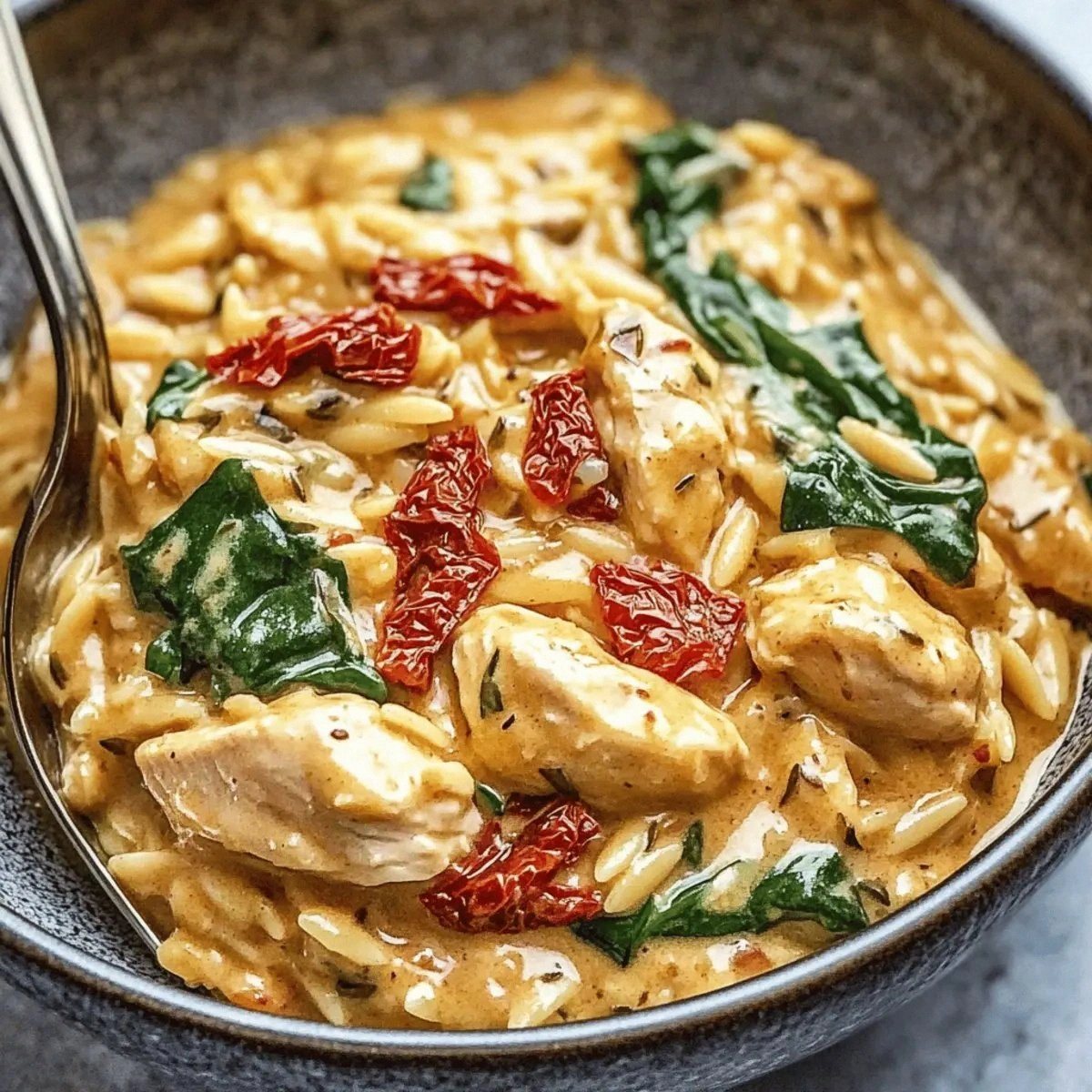
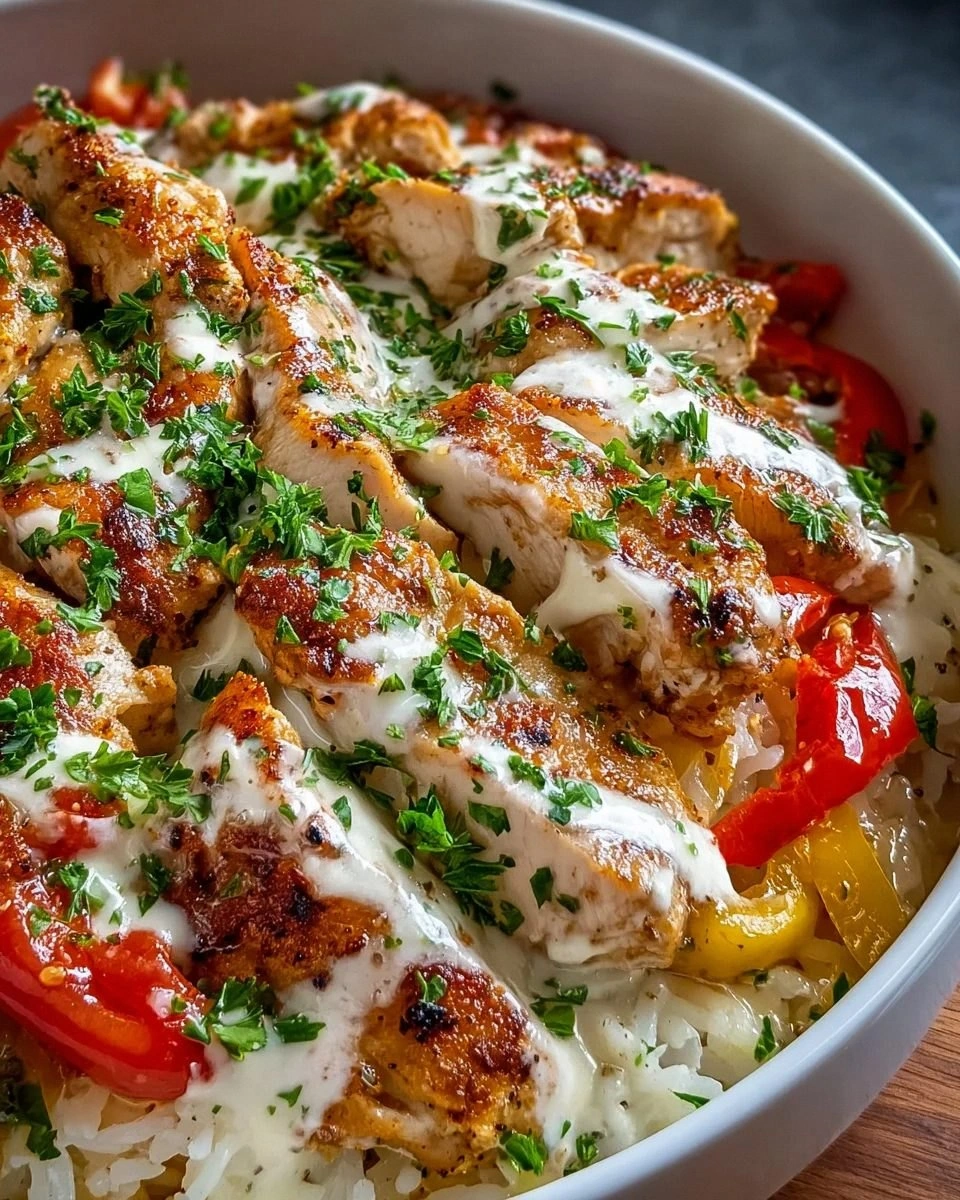
Picture this: the sizzle of chicken hitting a hot pan, the first whiff of garlic and lemon juice mingling with the earthy perfume of cumin, and the way the sauce slowly thickens, turning a milky hue into a luscious, velvety blanket that clings to every morsel. The sound of the sauce bubbling gently is like a soft drumroll, promising something spectacular. When you finally scoop a bite, the chicken is tender enough to fall apart at the slightest pressure, while the sauce coats it like a silk scarf—rich, buttery, with a subtle tang from the yogurt that cuts through the richness like a cool breeze on a summer night. The final garnish of fresh parsley adds a pop of color that makes the dish look as good as it tastes.
Most recipes I’ve tried for Turkish chicken end up either too dry, overly spicy, or with a sauce that looks like a sad, watery gravy. This version, however, hits the sweet spot: the yogurt in the marinade tenderizes the meat while adding a subtle tang, and the combination of butter, flour, milk, and heavy cream creates a sauce that is both thick and silky without feeling heavy. I dare you to taste this and not go back for seconds. I’ll be honest — I ate half the batch before anyone else got a chance to try it, and I’m still not over it.
One technique that makes all the difference is the brief high‑heat sear followed by a gentle finish in the oven, locking in juices while allowing the flavors to meld. And there’s a secret ingredient that most people overlook: a pinch of freshly grated nutmeg, which adds a warm, comforting undertone that ties the whole dish together. Let me walk you through every single step — by the end, you’ll wonder how you ever made it any other way.
What Makes This Version Stand Out
- Flavor Fusion: The marriage of tangy yogurt, bright lemon, and warm Turkish spices creates a complex palate that feels both familiar and adventurous.
- Silky Texture: The sauce achieves a velvety mouthfeel thanks to the perfect ratio of butter, flour, milk, and cream—no lumps, no graininess.
- Simple Prep: With just one bowl for the marinade and a single pan for the sauce, cleanup is a breeze, making it ideal for weeknight dinners.
- Ingredient Quality: Using plain Greek yogurt and real Parmesan elevates the dish from “just okay” to “restaurant‑grade.”
- Crowd‑Pleaser: Even the pickiest eaters love the subtle heat from cayenne and the comforting creaminess of the sauce.
- Make‑Ahead Potential: The chicken can be marinated overnight, and the sauce reheats beautifully, so you can prep ahead for busy nights.
- Versatile Serving: Serve it over fluffy rice, buttery couscous, or even a bed of roasted vegetables for a complete meal.
- Time Efficient: Total hands‑on time is under 20 minutes, with the rest handled by the oven.
Inside the Ingredient List
The Flavor Base
The cornerstone of any great Turkish dish is a bold spice blend, and here we rely on ground cumin, paprika, and coriander. Ground cumin brings an earthy, slightly smoky depth that grounds the dish, while paprika adds a subtle sweetness and a gorgeous ruby hue—feel free to swap for smoked paprika if you love a deeper, wood‑smoked flavor. Ground coriander contributes a citrusy brightness that balances the richness of the sauce. If you skip any of these, the dish loses its characteristic Turkish warmth and could end up tasting flat.
The Texture Crew
Boneless, skinless chicken thighs are the heart of this recipe. Their higher fat content compared to breast meat ensures juicy, tender bites that stay moist even after a quick sear. Look for thighs with a uniform size so they cook evenly; if you can, ask the butcher to trim any excess fat. Plain Greek yogurt in the marinade not only adds a tangy flavor but also acts as a natural tenderizer thanks to its lactic acid. Skipping the yogurt means you’ll miss that subtle tang and the chicken could end up a bit tougher.
The Unexpected Star
Grated Parmesan cheese might seem out of place in a Turkish‑style dish, but its nutty umami depth amplifies the sauce’s richness without overwhelming the spices. Ground nutmeg, used sparingly, adds a warm, almost nostalgic aroma that ties the creamy sauce to the spices. A pinch is enough—too much and you’ll dominate the palate. This tiny addition is the secret weapon that transforms a good sauce into a great one.
The Final Flourish
Fresh chopped parsley is the final garnish that adds a burst of color and a fresh herbaceous note, cutting through the richness of the sauce. Don’t be shy—use a generous handful; it brightens the entire plate. Butter and flour form a classic roux, the foundation of the sauce’s silky texture. If you replace butter with olive oil, you’ll lose that luxurious mouthfeel, and the sauce may separate. Lastly, the combination of whole milk and heavy cream gives the sauce body and a luscious finish that feels indulgent without being cloying.
Everything's prepped? Good. Let's get into the real action...
The Method — Step by Step
-
In a large bowl, combine the Greek yogurt, olive oil, lemon juice, minced garlic, cumin, paprika, coriander, cayenne (if using), salt, and black pepper. Stir until everything is well‑blended, creating a thick, aromatic paste. This is where the magic begins— the acid in the lemon juice and the tang of the yogurt start to break down the muscle fibers of the chicken, ensuring a tender bite later on.
Add the chicken thighs, turning them over so each piece is fully coated. Cover the bowl with plastic wrap and let it marinate for at least 30 minutes, but if you have the time, pop it in the fridge for up to 12 hours. The longer the marination, the deeper the flavor penetration— trust me, this is worth the wait.
Kitchen Hack: Use a zip‑top bag for marinating; you can massage the spices into the chicken more evenly and it takes up less fridge space. -
Preheat your oven to 375°F (190°C). While it’s heating, heat a large, oven‑safe skillet over medium‑high heat and add a splash of olive oil. When the oil shimmers, lay the marinated chicken thighs in the pan, skin‑side down (if they have skin) or the side that was in contact with the yogurt first.
Sear the chicken for about 3‑4 minutes per side, or until a deep golden crust forms. You’ll hear that satisfying sizzle that tells you the Maillard reaction is happening— this is what gives the chicken its irresistible caramelized flavor.
Watch Out: If the pan is too hot, the spices can burn, turning bitter. Keep the heat at a steady medium‑high and adjust as needed. -
Once the chicken is nicely browned, remove it from the pan and set aside on a plate. In the same pan, reduce the heat to medium and add the butter. Let it melt completely, then sprinkle the flour over it, whisking constantly to form a smooth roux.
Cook the roux for about 1‑2 minutes, just until it turns a light golden color. This step is crucial: it cooks out the raw flour taste and creates the thickening base for our sauce.
-
Gradually whisk in the whole milk, making sure to scrape the browned bits from the bottom of the pan— those are flavor gold! Continue whisking until the mixture is smooth and starts to thicken, about 3‑4 minutes.
Next, stir in the heavy cream, allowing the sauce to become richer and silkier. At this point, you should notice the sauce turning a creamy ivory shade, a sign that the dairy is fully incorporated.
Kitchen Hack: Warm the milk and cream before adding them; this prevents the sauce from seizing and speeds up thickening. -
Stir in the grated Parmesan cheese until it melts completely, giving the sauce a deep, nutty umami backbone. Then add a pinch of freshly grated nutmeg, which will add a whisper of warmth that lingers on the palate.
Season the sauce with additional salt and pepper to taste. Remember, the cheese already contributes salt, so taste before you add too much.
-
Return the seared chicken thighs to the skillet, nestling them into the sauce so they’re partially submerged. Spoon a little sauce over the top of each piece; this ensures every bite gets that creamy coating.
Transfer the skillet to the preheated oven and bake for 15‑20 minutes, or until the chicken reaches an internal temperature of 165°F (74°C). The oven finishes cooking the chicken gently while allowing the flavors to meld together.
-
While the chicken bakes, keep an eye on the sauce. It should be bubbling gently around the edges, thick enough to coat the back of a spoon. If it looks too thick, add a splash of milk; if it’s too thin, let it reduce a minute or two longer.
When the timer dings, remove the skillet from the oven. The sauce should now be glossy and velvety, hugging the chicken like a warm blanket.
-
Finish the dish by sprinkling the fresh chopped parsley over the top. The bright green flecks not only add visual appeal but also a fresh, herbaceous note that cuts through the richness.
Give the chicken a final drizzle of a little extra olive oil if you like a glossy finish. Serve immediately over rice, couscous, or even buttery noodles— the sauce clings to everything like velvet.
-
That’s it — you did it. But hold on, I’ve got a few more tricks that’ll take this to another level, like a secret garnish or a quick pan‑sear finish for extra texture. Stay with me here — this is worth it.
Insider Tricks for Flawless Results
The Temperature Rule Nobody Follows
Always let your pan come to a steady medium‑high heat before the chicken touches it. If the pan is too cool, the chicken will release its juices and steam rather than sear, resulting in a pale, soggy exterior. I once tried to speed things up by cranking the heat, only to burn the spices; the lesson? Patience and a consistent temperature are your best friends.
Why Your Nose Knows Best
Your sense of smell is a reliable indicator of doneness. When the butter‑flour roux starts to smell nutty and the sauce gives off a faint buttery aroma, you know the flour is cooked. Similarly, when the chicken releases a caramelized scent, that’s the cue that a crust has formed. Trust those olfactory hints more than a timer.
The 5‑Minute Rest That Changes Everything
After you pull the skillet from the oven, let the chicken rest for five minutes. This short pause allows the juices to redistribute, preventing a dry bite when you cut into it. I once sliced the chicken straight away and ended up with a pool of liquid on the plate— a total flavor waste.
Parmesan Timing Trick
Add the Parmesan cheese just before you return the chicken to the oven. This ensures the cheese melts smoothly into the sauce without clumping. If you add it too early, the cheese can separate and create a grainy texture.
The Secret Herb Finish
Instead of just parsley, try mixing half parsley with a handful of fresh mint or dill for an unexpected pop of freshness. The herb blend lifts the dish, making it feel lighter despite the creamy sauce. I experimented with mint once and the result was a bright, garden‑fresh twist that my guests loved.
Creative Twists and Variations
This recipe is a playground. Here are some of my favorite ways to switch things up:
Spicy Harissa Kick
Swap the cumin and paprika for a tablespoon of North African harissa paste. The result is a smoky, fiery sauce that pairs beautifully with the creamy base. Great for anyone who loves a bold heat profile.
Mediterranean Veggie Boost
Add sliced zucchini, bell peppers, and cherry tomatoes to the skillet after searing the chicken. The vegetables soak up the sauce, creating a one‑pan meal that’s colorful and nutritious.
Cheesy Delight
Stir in a handful of crumbled feta or a slice of halloumi during the last five minutes of baking. The salty cheese melts into the sauce, adding a tangy, briny contrast that’s pure decadence.
Herb‑Infused Cream
Infuse the milk and cream with a sprig of rosemary or thyme before adding them to the roux. This subtle herb infusion adds an aromatic layer that elevates the dish without overpowering the Turkish spices.
Coconut Cream Alternative
Replace half of the heavy cream with coconut milk for a dairy‑free twist that adds a faint tropical sweetness. It pairs surprisingly well with the cumin and coriander, giving the dish an exotic edge.
Storing and Bringing It Back to Life
Fridge Storage
Allow the chicken and sauce to cool to room temperature (no more than two hours), then transfer to an airtight container. It will keep nicely in the refrigerator for up to three days. When reheating, add a splash of milk or water and gently warm over low heat, stirring frequently to restore its silky texture.
Freezer Friendly
Portion the cooked chicken and sauce into freezer‑safe bags or containers. Freeze for up to two months. To thaw, move it to the fridge overnight, then reheat on the stovetop, again adding a tiny splash of water or milk to revive the sauce’s creaminess.
Best Reheating Method
The stovetop method is king: place the leftovers in a saucepan over low‑medium heat, stir in a tablespoon of milk or broth, and gently bring to a simmer. This prevents the sauce from separating and ensures the chicken stays juicy. Avoid microwaving, as it can cause the sauce to become grainy.