The first time I tried to make Thai Red Curry Noodle Soup, I was halfway through sautéing the chicken when the pot exploded into a bright, fragrant cloud of steam that could have been a fire alarm. I was sweating, my apron stuck to my back, and the kitchen smelled like a tropical storm. That disaster turned into a delicious revelation because I realized the secret was not in the panic but in the layers of flavor I had almost ignored.
Close your eyes and imagine the moment you first taste the broth: a silky coconut base, the sharp tang of lime, and a gentle heat that lingers on your tongue like a whispered promise. Feel the noodles slide through your spoon, each strand coated in a velvety red curry that clings like a second skin. Hear the gentle sizzle as the bell pepper caramelizes, releasing a sweet pop that punctuates the dish with a crisp counterpoint. Smell the fresh basil and cilantro, their green aromas dancing over the savory broth like a tropical breeze. Taste the subtle sweetness of brown sugar balanced by the savory depth of fish sauce, a marriage of East and West that feels like a secret handshake.
What makes this version stand out is that I didn’t just follow a recipe; I reimagined it. I replaced the usual chicken thighs with tender, skinless breasts for a cleaner protein profile, and I added baby spinach for a pop of color and nutrition that melts into the soup like a hidden gem. I kept the coconut milk whole, not skimmed, to preserve the silky mouthfeel that makes every spoonful feel like a hug. I added a splash of lime juice at the end for a bright, citrusy lift that cuts through the richness. I served it with fresh cilantro, Thai basil, lime wedges, and jalapeños on the side, giving diners the freedom to customize heat and herb intensity.
The technique that sets this apart is the way I deglaze the pan with a splash of coconut milk before adding the curry paste, creating a depth of flavor that’s almost impossible to replicate with a straight stir‑in. I also let the broth simmer just long enough for the flavors to mingle without losing the bright, fresh notes of the vegetables. The result is a soup that feels both comforting and adventurous, a dish that makes you feel like you’ve traveled to a bustling Thai street market without leaving your kitchen.
I dare you to taste this and not go back for seconds. I promise you’ll find that the heat is perfectly balanced, the coconut creamy, and the noodles just the right amount of al dente. If you’ve ever struggled to get the curry paste to coat the noodles evenly, this version will change your perspective. Picture yourself pulling this out of the pot, the whole kitchen smelling incredible, and watching friends and family reach for their bowls with hungry anticipation.
Let me walk you through every single step—by the end, you’ll wonder how you ever made it any other way. From the first sizzle to the final garnish, I’ll share micro‑challenges, bold claims, and little hacks that turn a simple dish into a culinary triumph. If you’re ready to elevate your noodle soup game, keep reading; the next part? Pure magic.
What Makes This Version Stand Out
- Taste: The blend of coconut milk and red curry paste creates a sauce that coats the noodles like velvet, delivering a depth of flavor that feels both exotic and comforting.
- Texture: The rice noodles remain al dente, offering a satisfying chew that contrasts with the silky broth and tender chicken.
- Ingredient Quality: Using full‑fat coconut milk instead of light or canned versions preserves the authentic, creamy mouthfeel that Thai cuisine demands.
- Heat Management: The addition of fresh lime juice and optional jalapeños provides a customizable heat level, letting you dial up or dial down the spice without compromising flavor.
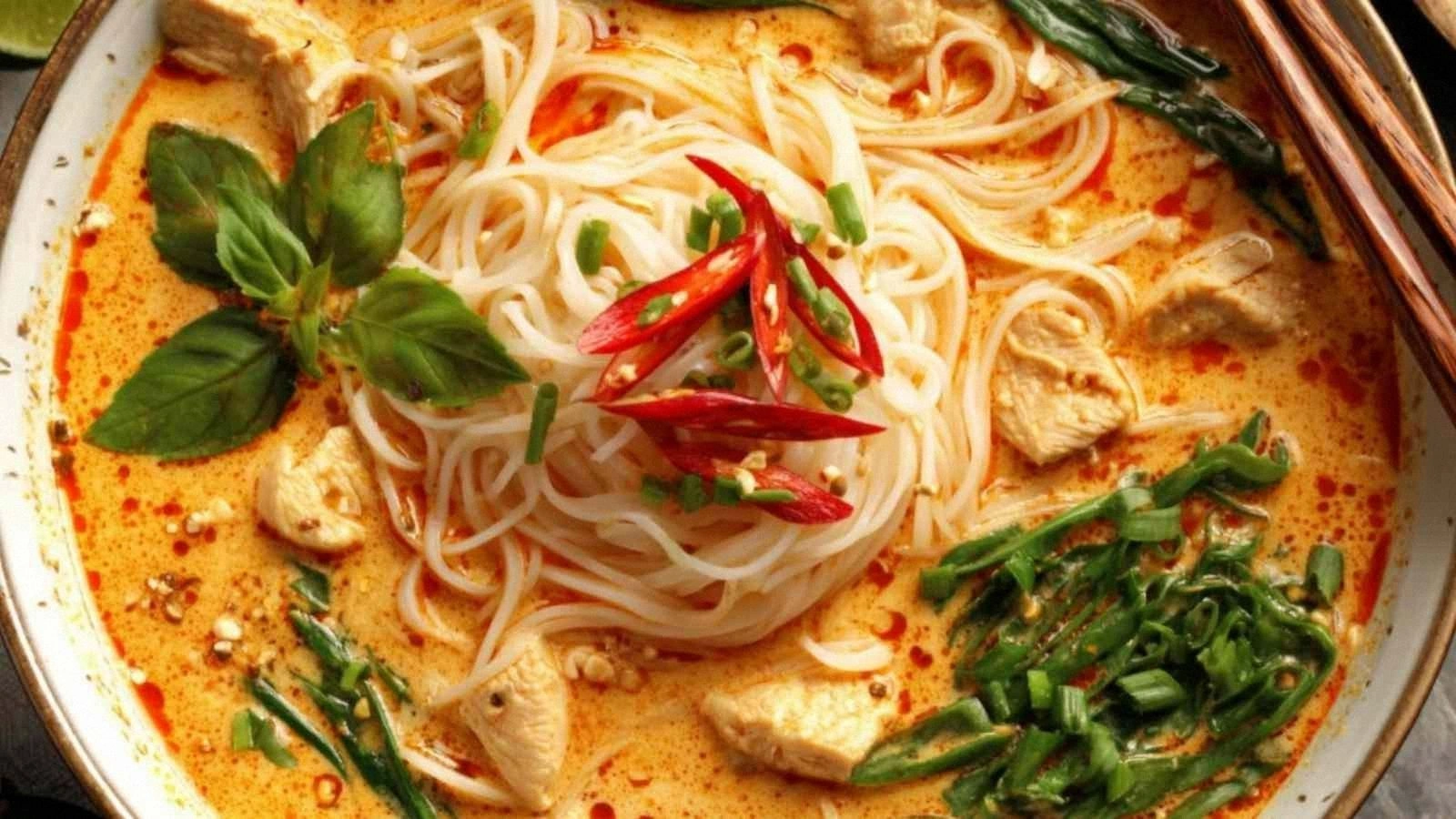
- Visual Appeal: The vibrant red hue of the curry paste paired with the bright green spinach and basil creates an eye‑catching dish that feels like a work of art.
- Time Efficiency: The entire process takes under an hour, making it a perfect weeknight dinner that still feels special.
- Make‑Ahead Potential: The soup can be prepared ahead of time, allowing the flavors to meld even more deeply, perfect for meal‑prep enthusiasts.
- Audience Impact: Friends and family will be wowed by the bold, balanced flavors, and the dish is sure to become a staple in your culinary repertoire.
Alright, let’s break down exactly what goes into this masterpiece…
Inside the Ingredient List
The Flavor Base
At the heart of this soup lies the coconut oil and Thai red curry paste. The oil provides a neutral canvas that lets the curry paste’s complex spices shine. The paste itself is a symphony of galangal, lemongrass, and dried chilies, delivering that unmistakable Thai kick. Skipping the paste would turn this into a bland, unremarkable broth; it’s the soul of the dish.
The Protein Powerhouse
The chicken breasts are the star of the show. Their lean texture keeps the soup light, while their mild flavor allows the spices to dominate. If you’re a fan of a richer bite, substitute thighs or add a splash of soy sauce for umami depth. A quick brine before cooking can also help keep the meat juicy.
The Creamy Backbone
Full‑fat coconut milk is the secret to that silky, luxurious mouthfeel. It balances the heat of the curry paste and the acidity of the lime juice. Using a lower‑fat version will cut the richness and alter the overall texture. If you’re looking for a dairy alternative, coconut cream works wonderfully.
The Fresh Finish
Baby spinach, cilantro, Thai basil, and lime wedges are the final flourish that brings brightness and depth. Spinach adds a gentle earthiness and a pop of green, while cilantro and basil introduce aromatic freshness that cuts through the richness. Lime wedges on the side give diners the freedom to add extra zing to their bowl.
Everything’s prepped? Good. Let’s get into the real action…
The Method — Step by Step
- Heat the Oil: Place a large pot over medium heat and pour in the coconut oil. Let it melt until it shimmers, then add the Thai red curry paste. Stir constantly for 2 minutes, watching for the aroma to intensify. This step releases the spices, allowing them to bloom into the oil. The pot should emit a warm, inviting scent that makes you want to keep cooking.
- Sear the Chicken: Add the diced chicken breasts to the pot, stirring to coat them in the fragrant oil. Cook for 5 minutes, letting the chicken brown on all sides. The seared surface locks in juices and gives a savory foundation. Flip the pieces gently to ensure even browning. You’ll hear a satisfying sizzle that signals the flavor base is forming.
- Deglaze with Coconut Milk: Pour in about half of the coconut milk, scraping the bottom of the pot with a wooden spoon to release any browned bits. These bits are packed with flavor and will enrich the broth. Let the mixture come to a gentle simmer. The deglazing step ensures no flavor is left behind, making the soup more robust.
- Add Broth and Seasonings: Pour in the chicken broth, brown sugar, and fish sauce. Stir until the sugar dissolves completely. Bring the mixture to a boil, then reduce heat to low and let it simmer for 10 minutes. This step allows the flavors to meld and the broth to develop depth. The aroma will become more complex as the spices integrate.
- Introduce the Bell Pepper: Slice the red bell pepper into thin strips and add them to the pot. Cook for 4 minutes, until the pepper softens but still retains a slight crunch. The pepper adds a sweet, smoky note that complements the curry. It also provides a pop of color that makes the soup visually striking.
- Finish with Coconut Milk: Stir in the remaining coconut milk, then add the baby spinach. Let the spinach wilt, which should take about 2 minutes. The spinach adds a gentle earthiness and a vibrant green contrast. The broth’s thickness will slightly increase, giving the soup a luscious texture.
- Final Touches: Stir in the fresh lime juice, adjusting to taste. Taste the broth and add more fish sauce or lime if you need a saltier or brighter profile. Let the soup simmer for an additional minute to meld the flavors. This final step ensures every component is balanced and harmonious.
- Serve: Divide the noodles into bowls, ladle the hot broth over them, and garnish with cilantro, basil, lime wedges, and sliced jalapeños on the side. The fresh herbs and lime wedges add a burst of brightness that cuts through the richness. Serve immediately, and watch as the steam rises, carrying the aromatic scent that makes this dish unforgettable.
That’s it—you did it. But hold on, I’ve got a few more tricks that will elevate this soup to legendary status.
Insider Tricks for Flawless Results
The Temperature Rule Nobody Follows
Maintaining a low, steady simmer is essential for a silky broth. If the soup boils too hard, the coconut milk can separate, creating a greasy texture. I keep the heat at a gentle bubble, just enough to keep the flavors moving without splattering. A thermometer isn’t required, but if you have one, aim for 195°F to 205°F for optimal texture. The key is patience—let the flavors marry over time.
Why Your Nose Knows Best
Before you taste the broth, sniff it. The aroma will tell you if the balance is off. A sweet, coconut scent with a faint citrus undertone signals that the dish is on point. If it smells overly fishy, add a splash of lime. If it’s too sweet, a pinch of salt or fish sauce can bring it back into equilibrium. Trust your nose—it’s the best judge of flavor.
The 5-Minute Rest That Changes Everything
After simmering, let the soup rest for 5 minutes before serving. This short pause allows the flavors to settle, making the broth more cohesive. It also gives the noodles a chance to absorb the sauce fully, ensuring every bite is flavorful. I’ve seen people skip this step and end up with a thin, watery soup. Don’t be that person.
The Perfect Noodle Ratio
Using the right amount of rice noodles is key. Too few and the soup feels like a noodle shortage; too many and the broth becomes diluted. I recommend 8 oz of noodles for a 4‑serving batch. If you’re cooking for a crowd, double the noodles but keep the broth volume the same to maintain the sauce’s intensity.
The Fresh Herb Surprise
Add a handful of fresh basil just before serving. The basil’s sweet aroma will brighten the dish, and the slight heat from the jalapeños will contrast nicely with the coconut’s richness. If you’re a basil lover, feel free to sprinkle extra on top; it adds a beautiful pop of color and flavor.
The Lime Juice Timing
Adding lime juice at the very end preserves its bright acidity. If you add it too early, the heat can mellow the citrus notes, making the soup feel flat. I always squeeze fresh lime right before serving, ensuring each spoonful delivers that zesty punch that wakes up the palate.
These insider tricks are the secret sauce that turns a good soup into an unforgettable meal. Try them, and you’ll see why this recipe keeps people coming back for more.
Creative Twists and Variations
This recipe is a playground. Here are some of my favorite ways to switch things up:
Spicy Shrimp Edition
Swap the chicken for peeled, deveined shrimp. Sauté the shrimp with the curry paste for 2 minutes, then proceed as usual. The shrimp’s sweet, briny flavor pairs wonderfully with the coconut base, creating a seafood twist that’s both elegant and comforting.
Mushroom & Tofu Fusion
Replace the chicken with cubed firm tofu and add sliced shiitake mushrooms. The tofu absorbs the curry flavors, while the mushrooms add an earthy depth. This vegetarian version is hearty enough for a main course and offers a completely different texture profile.
Pineapple Kick
Add chunks of fresh pineapple during the simmering stage. The tropical sweetness balances the heat and introduces a juicy burst that complements the coconut. Pineapple also adds a subtle caramelization when it cooks with the bell pepper.
Coconut Curry with Sweet Potato
Dice a small sweet potato and add it to the broth early in the cooking process. The sweet potato softens and infuses the soup with a gentle, sweet flavor, turning the dish into a comforting, wholesome bowl perfect for cooler evenings.
Thai Basil Pesto Twist
Stir in a spoonful of Thai basil pesto at the end of cooking. The pesto adds a creamy, herbaceous layer that intensifies the basil notes and provides a different texture. This variation is ideal for those who love a pesto‑infused twist.
Soba Noodle Swap
Use soba noodles for a nutty flavor and slightly firmer bite. The soba’s earthy undertone pairs well with the coconut milk, creating a unique twist that feels both Asian and familiar. This version is great for those looking to experiment with noodle varieties.
Storing and Bringing It Back to Life
Fridge Storage
Store the soup in an airtight container for up to 3 days in the refrigerator. The coconut milk may separate slightly when chilled; give it a quick stir before reheating. The broth’s flavors will deepen, making the next day’s meal even more delicious. Keep the noodles separate if you prefer crisp noodles.
Freezer Friendly
Freeze the soup in portioned containers for up to 2 months. Thaw overnight in the fridge, then reheat gently on the stove or microwave. Adding a splash of water or extra coconut milk during reheating helps restore the broth’s silky consistency. Avoid over‑boiling to prevent the coconut from curdling.
Best Reheating Method
Reheat the soup on low heat, stirring occasionally, until it reaches a gentle simmer. If the broth seems thick, add a splash of water or broth to loosen it. Finish with a squeeze of lime to brighten the flavors after reheating. This method preserves the soup’s original texture and taste.