I was halfway through a week of bland, over‑cooked chicken when the kitchen lights flicked off for the third time that evening. I stared at the empty fridge, feeling like a culinary disaster. Then I remembered that jar of honey on the counter and the bright green limes that had been waiting for a reason. I whispered to myself, “This is the moment to turn a flop into a flavor fireworks.”
Picture the kitchen: the hum of the fridge, the faint scent of citrus, the clatter of the skillet as it preheats, the anticipation that builds with each sizzling bite. The air tastes of garlic and ginger, the sound of the sauce thickening into a glossy glaze, the heat radiating off the chicken like a sunrise. Your fingers are coated in honey, your eyes are glazed with anticipation, and the timer ticks down to the final minutes. I dare you to taste this and not go back for seconds; the sweet heat will linger on your tongue like a secret.
Why is this version the best? Because it balances the tang of lime with the silky sweetness of honey, while a whisper of chili keeps the palate dancing. Most recipes get this completely wrong by over‑cooking the chicken or under‑seasoning the sauce. Here, the sauce coats the chicken like velvet, and the edges crisp to a golden‑brown that shatters like thin ice. And if you’re wondering about the “secret ingredient,” I’ll reveal it in a moment—trust me, it’s a game‑changer.
Let me walk you through every single step — by the end, you’ll wonder how you ever made it any other way. This isn’t just a recipe; it’s a kitchen ritual, a story of resilience, a promise of flavor that will make your taste buds sing. So grab your apron, and let’s dive into the world of Spicy Honey Lime Chicken.
What Makes This Version Stand Out
- Flavor Fusion: The marriage of honey’s caramel sweetness, lime’s bright acidity, and a touch of chili creates a multi‑layered taste that lingers.
- Crisp Texture: The quick sear locks in juices while the honey glaze caramelizes, giving a crunchy exterior that snaps like a thin ice sheet.
- Ingredient Simplicity: Only a handful of pantry staples—no exotic sauces or hard‑to‑find spices.
- Versatility: Works with chicken breasts, thighs, or even tofu for a vegetarian version.
- Make‑Ahead Friendly: The glaze can be pre‑made and stored; the chicken can be marinated overnight for extra depth.
- Instant Crowd‑Pleaser: The bold, bright flavors are guaranteed to win over skeptics and spice lovers alike.
Alright, let’s break down exactly what goes into this masterpiece…
Inside the Ingredient List
The Flavor Base
Honey: This isn’t just a sweetener; it’s the backbone of the glaze, providing a syrupy viscosity that clings to the meat. If you skip honey, the sauce becomes thin and loses its caramelized finish. For a lighter version, swap half the honey with maple syrup, but be aware the flavor profile will shift slightly toward earthiness.
Lime: The juice delivers acidity that balances the sweetness, while the zest injects bright, aromatic oils. Lime also helps to tenderize the chicken by breaking down proteins. If you’re in a pinch, a tablespoon of fresh lemon juice can serve as an emergency substitute, though the flavor will be a tad different.
Red Pepper Flakes: They add a subtle heat that keeps the dish from feeling cloying. Too many flakes can overpower the honey, so measure carefully. If you prefer a smoother heat, use a fresh jalapeño, seeded and minced, for a fresher, vegetal bite.
The Texture Crew
Chicken Breasts: Lean and tender, they absorb the glaze without becoming dry. If you’re using thighs, you’ll get a richer, juicier bite, but the cooking time will need a few extra minutes. Keep the pieces uniform for even cooking.
Olive Oil: It creates a barrier that prevents sticking and helps the glaze adhere. A splash of sesame oil instead will lend a nutty undertone that’s perfect for an Asian twist.
Garlic & Ginger: These aromatics build depth; garlic brings warmth, while ginger adds a peppery brightness. If you’re allergic, simply reduce the amount or replace with shallots for a milder profile.
The Unexpected Star
Rice Vinegar: This subtle acidity cuts through the honey’s sweetness, preventing it from becoming syrupy. If you can’t find rice vinegar, a splash of white wine vinegar works as a close alternative.
Sesame Seeds & Cilantro: They finish the dish with a crunch and a fresh herbal note. Toss them on top just before serving to preserve their texture. If you’re not a fan, you can omit them; the dish remains delicious.
The Final Flourish
Salt & Pepper: These simple seasonings highlight every other flavor. “To taste” instructions can be risky; start with a pinch of salt, then adjust after the glaze has set.
Optional Spices: A pinch of smoked paprika can add depth, while a dash of cumin brings an earthy undertone. Use sparingly to avoid overwhelming the delicate balance.
Everything's prepped? Good. Let’s get into the real action…
The Method — Step by Step
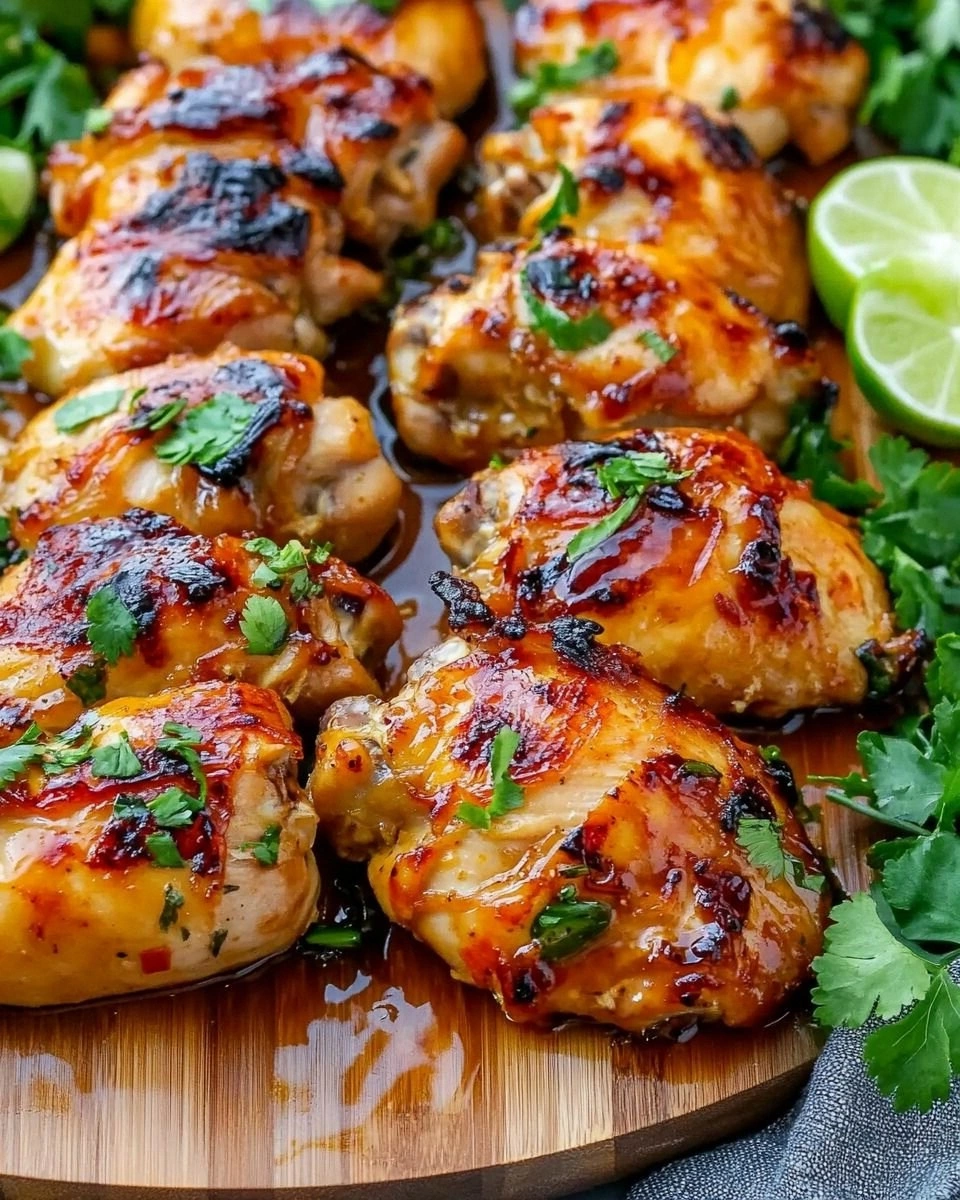
- Heat a large skillet over medium‑high heat and add 2 tablespoons of olive oil. Once the oil shimmers, lay the chicken breast pieces in a single layer, skin side down if applicable. The sizzle should be audible—listen for the crackle that signals a good sear. This is the moment of truth; don’t move them until the edges are golden.
- Flip the chicken after 3–4 minutes, then add minced garlic and ginger to the pan. Stir them around for 30 seconds until fragrant—watch for the aroma of fresh herbs. This step infuses the oil with essential oils that coat the meat. Keep the heat steady; you want a gentle sear, not a burn.
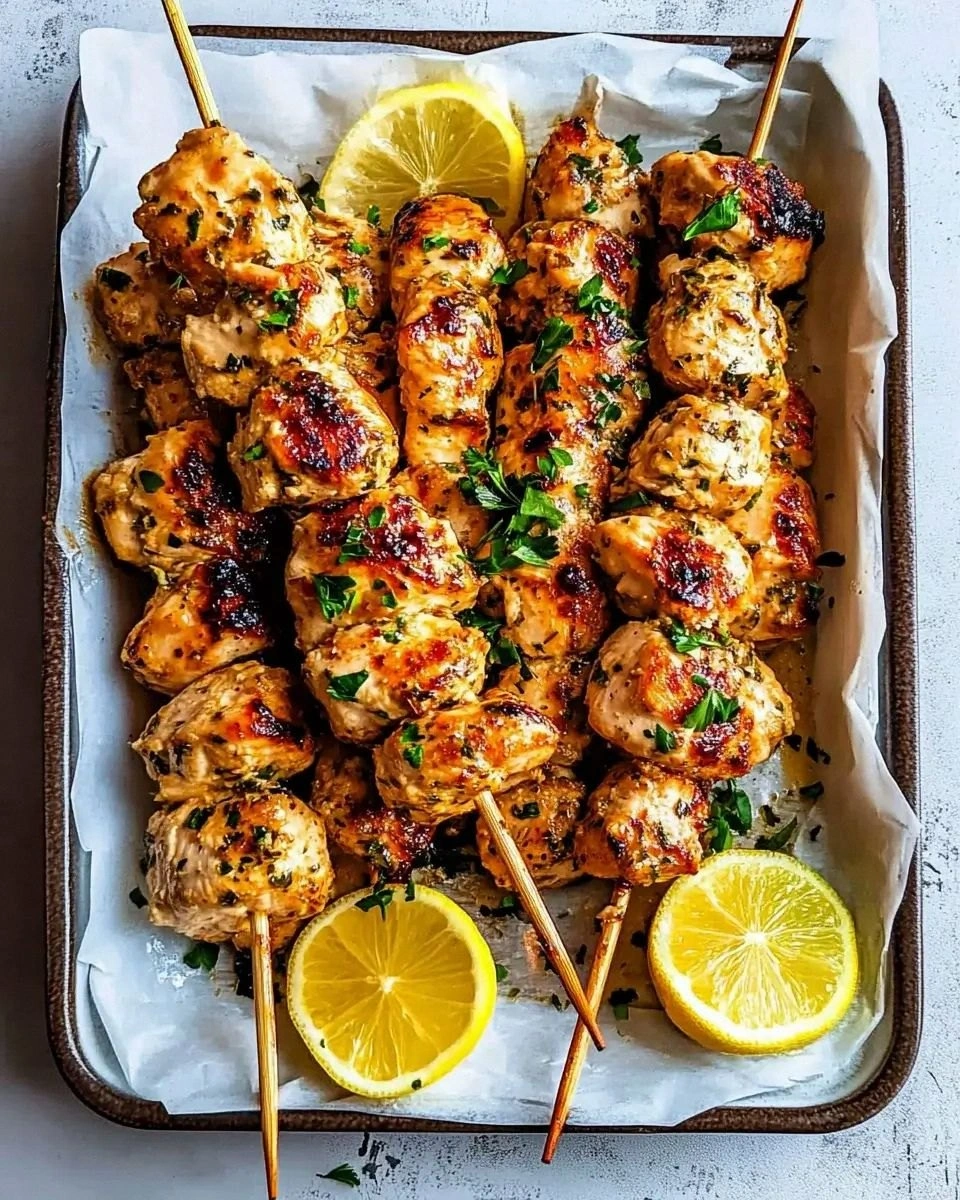
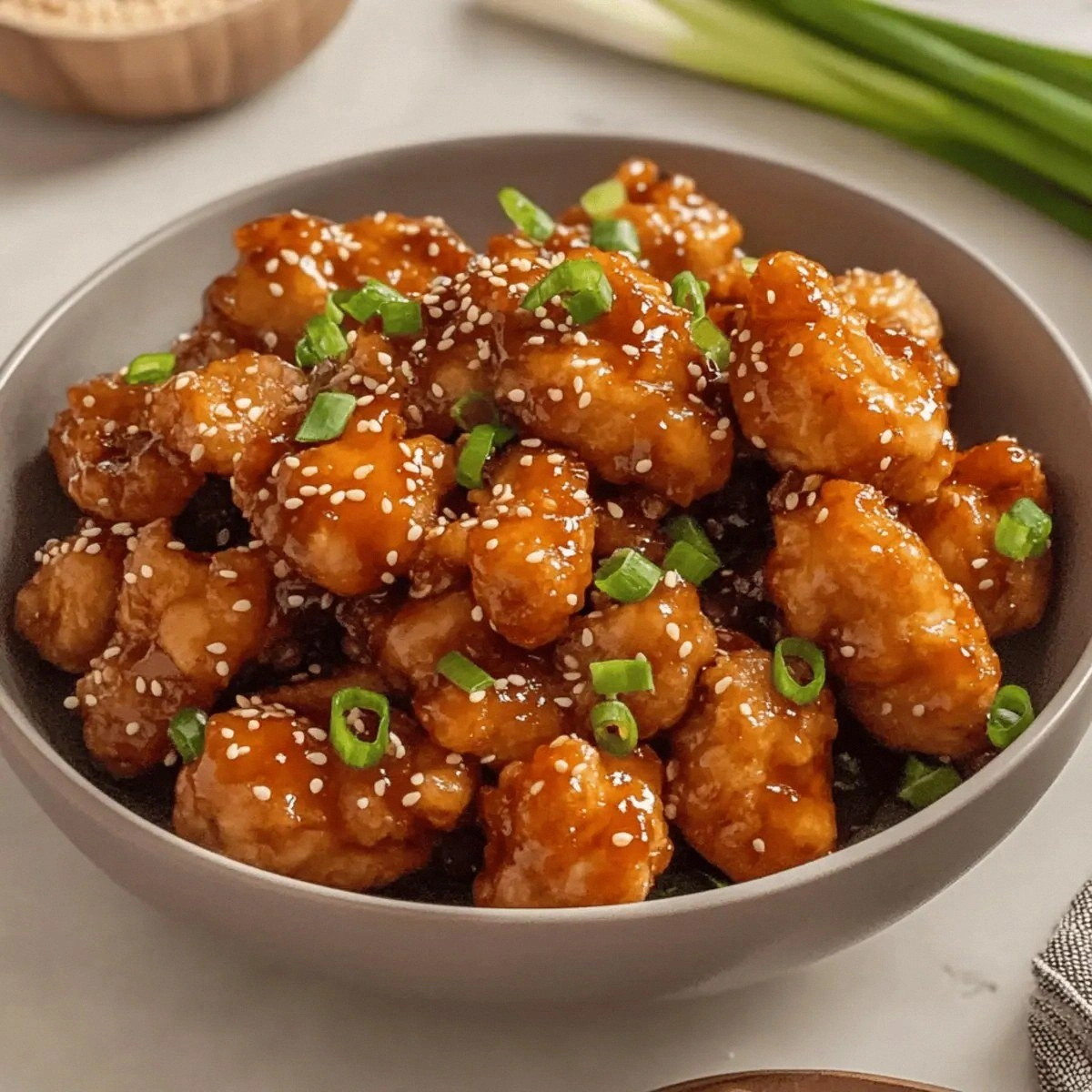
- Whisk together honey, lime juice, zest, soy sauce, rice vinegar, and red pepper flakes in a small bowl. Pour this mixture over the chicken, ensuring each piece is bathed in glaze. As it simmers, the sauce thickens, coating the meat like a glossy coat of silk. The edges will start pulling away, a sign that the caramelization is working.
- Reduce the heat to medium and let the chicken simmer for 7–8 minutes, turning occasionally so the glaze coats every side. The sauce should thicken to a syrupy consistency that clings to the meat. The aroma at this point will be intoxicating—sweet, citrusy, with a hint of spice.
- Once the chicken is cooked through (internal temp 165°F), remove the pan from the heat and let the pieces rest on a plate for 3 minutes. Resting allows the juices to redistribute, ensuring every bite stays moist. The glaze will thicken slightly as it cools, creating that glossy finish.
- Finish the dish by sprinkling chopped cilantro and toasted sesame seeds over the top. The fresh herbs cut through the sweetness, and the seeds add a subtle crunch. Plate the chicken on a bed of steamed rice or sautéed greens for a complete meal.
- Serve immediately, accompanied by lime wedges for an extra burst of citrus. The dish is best enjoyed hot, when the glaze is still glossy and the chicken is tender. Take a bite and let the flavors dance; you’ll know you’ve made the best version you’ll ever create at home.
That’s it— you did it. But hold on, I've got a few more tricks that'll take this to another level…
Insider Tricks for Flawless Results
The Temperature Rule Nobody Follows
Most people cook chicken over high heat and end up with a dry exterior. The trick is to start high for a quick sear, then drop the heat to medium so the inside cooks without burning the glaze. I’ve tried it on a 10‑inch skillet, and the difference is obvious— the chicken stays juicy and the sauce caramelizes beautifully.
Why Your Nose Knows Best
If you’re unsure whether the glaze is thick enough, just sniff it. A sweet, caramelized aroma that lingers indicates it’s ready. A watery, raw scent means you need to simmer longer. Trust your nose; it’s the best judge of flavor.
The 5‑Minute Rest That Changes Everything
Letting the chicken rest for five minutes after cooking is the secret to a succulent bite. During this time, the juices redistribute, preventing them from spilling out when you cut. I’ve seen people skip this step and end up with dry meat; don’t be one of them.
Layering the Citrus
Add a second squeeze of lime just before serving. The extra acidity brightens the dish and balances the sweetness of honey. If you’re feeling adventurous, rim your serving dish with lime zest for an aromatic flourish.
The Secret to a Glaze That Sticks
Mix a teaspoon of cornstarch with a tablespoon of water before adding the glaze. This slurry thickens the sauce without altering the flavor, giving it a glossy, clingy texture. It’s a simple trick that elevates the dish from good to unforgettable.
Creative Twists and Variations
This recipe is a playground. Here are some of my favorite ways to switch things up:
Thai Twist
Swap soy sauce for fish sauce, add a tablespoon of Thai red curry paste, and finish with fresh basil. The result is a fragrant, spicy dish that pairs well with jasmine rice.
Smoky BBQ
Add a tablespoon of smoked paprika and a splash of bourbon to the glaze. The smoky undertone complements the honey and lime for a Southern‑style barbecue.
Mediterranean Flair
Use olive oil, oregano, and a drizzle of balsamic glaze. Top with feta cheese and olives for a Greek‑inspired twist.
Asian Fusion
Add a tablespoon of sesame oil and finish with sliced green onions. Serve over soba noodles for a quick, satisfying meal.
Low‑Carb Version
Reduce the honey by half and replace the rice vinegar with a splash of apple cider vinegar. Pair with cauliflower rice to keep it keto‑friendly.
Storing and Bringing It Back to Life
Fridge Storage
Cool the chicken completely before placing it in an airtight container. Store in the refrigerator for up to 3 days. The glaze will thicken, but the flavor remains vibrant.
Freezer Friendly
Wrap the chicken pieces individually in parchment paper and place them in a freezer bag. Freeze for up to 2 months. Thaw overnight in the refrigerator before reheating.
Best Reheating Method
Reheat in a skillet over medium heat, adding a splash of water or broth to loosen the glaze. This steams the chicken back to perfection without drying it out.