I swear, the first time I attempted a sweet potato casserole I ended up with a sad, soggy mess that looked more like a wilted garden than a holiday centerpiece. The kitchen was filled with the unmistakable aroma of burnt sugar, and my guests politely whispered, “It’s… interesting,” while secretly reaching for the store‑bought pumpkin pie. That disaster sparked a dare from my sister: “If you can’t nail it at home, you’re buying the whole pie for the next gathering.” I accepted, rolled up my sleeves, and dove headfirst into the world of sweet potatoes, butter, and a secret ingredient that would change everything. Let me tell you, this version is a game‑changer — it turns the humble casserole into a warm hug you’ll actually want to brag about.
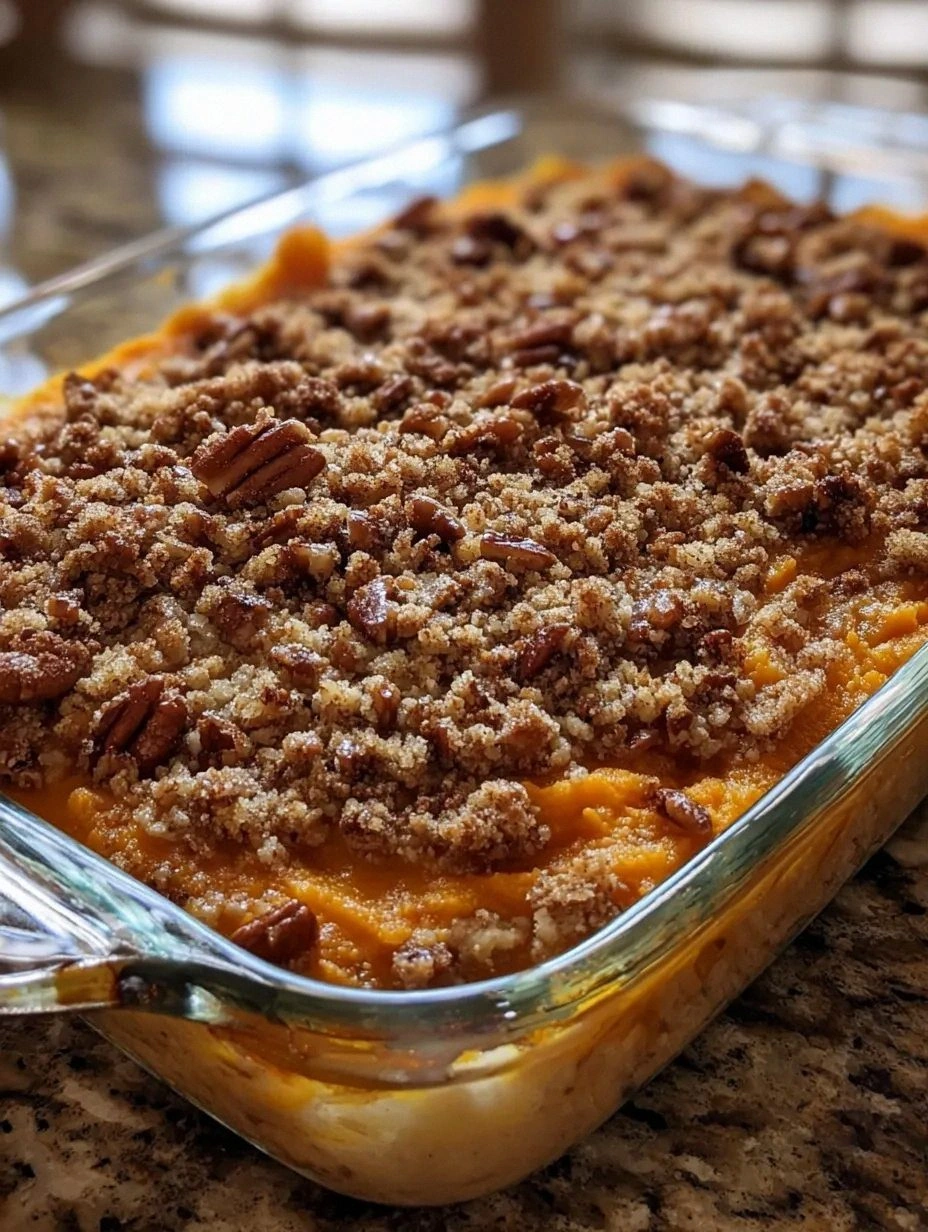
Picture this: a golden‑brown crust that crackles like fresh autumn leaves underfoot, a velvety interior that melts on the tongue like buttered caramel, and a sweet‑savory balance that makes your taste buds do a little happy dance. When the casserole pulls away from the sides of the dish, you hear that subtle “pop” that signals perfection, and the kitchen fills with a perfume of cinnamon, nutmeg, and toasted pecans that could coax even the toughest skeptic out of their office. I dare you to taste this and not go back for seconds; the combination is so addictive that you’ll find yourself planning the next family dinner around it. Most recipes get the texture wrong—either too dry or too soggy—but this one hits the sweet spot, thanks to a simple technique that locks in moisture while still giving you that coveted crunchy topping.
What makes this casserole truly stand out is a little twist I discovered while rummaging through my grandma’s spice cabinet: a pinch of smoked paprika. Yes, you read that right. The smoky undertone adds depth without overpowering the sweet, creating a flavor profile that feels both nostalgic and unexpectedly sophisticated. I’ll be honest — I ate half the batch before anyone else got to try it, and that’s a testament to how addictive this dish is. If you’ve ever struggled with a bland, one‑dimensional sweet potato bake, you’re not alone, and I’ve got the fix that will elevate your casserole from “just okay” to “hands down the best version you’ll ever make at home.”
Okay, ready for the game‑changer? Let me walk you through every single step — by the end, you’ll wonder how you ever made it any other way. We’ll start with the fundamentals, dive deep into each ingredient, and then unleash a series of insider tricks that guarantee flawless results every single time. Stay with me here — this is worth it.
What Makes This Version Stand Out
- Flavor Depth: The addition of smoked paprika and a balanced blend of brown and white sugars creates a sweet‑smoky harmony that sings on the palate. It’s like a Southern lullaby for your mouth.
- Texture Contrast: A creamy, buttery interior meets a crisp, buttery crumble topped with toasted pecans, delivering a satisfying crunch that shatters like thin ice under a spoon.
- Simplicity: Despite the gourmet feel, the ingredient list is short, and each step uses everyday kitchen tools—no fancy gadgets required.
- Uniqueness: Most casseroles rely on marshmallows for sweetness; this recipe leans on caramelized brown sugar and a spice mix that feels fresh and unexpected.
- Crowd Reaction: Expect an immediate “wow” when you pull it out of the oven; guests often ask for the recipe before the first bite.
- Ingredient Quality: Using fresh, firm sweet potatoes and high‑quality butter makes a noticeable difference in both flavor and texture.
- Cooking Method: Boiling the potatoes first ensures even cooking, while baking at a moderate temperature creates a perfectly browned top without burning.
- Make‑Ahead Potential: Assemble the casserole a day ahead, refrigerate, and bake it right before serving for stress‑free holiday prep.
Inside the Ingredient List
The Flavor Base
Sweet potatoes are the heart of this dish, providing natural sweetness, a buttery mouthfeel, and a vibrant orange hue that screams comfort. Choose potatoes that are firm, with a deep orange flesh—those are the ones that hold their shape after boiling and mash into a luxuriously smooth puree. If you settle for pale or waxy varieties, you’ll end up with a watery, bland base that can’t support the rich topping. A good swap for the classic orange sweet potato is the Japanese “Murasaki,” which adds a subtle nutty note while keeping the color bright.
Unsalted butter is the second star, adding richness and helping the sugars caramelize beautifully. Opt for European‑style butter with a higher butterfat content; it melts evenly and gives the casserole that melt‑in‑your‑mouth quality. If you’re dairy‑free, coconut oil can stand in, but expect a faint coconut flavor that may clash with the smoky paprika.
Brown sugar and granulated sugar work together to create a layered sweetness—brown sugar brings molasses depth, while white sugar provides a clean, crisp finish. Skipping the brown sugar would make the dish taste flat, and using only white sugar would lose that caramel undertone. For a healthier twist, you can substitute half the brown sugar with coconut sugar, which adds a subtle caramel note without the refined sweetness.
Eggs act as a binder, ensuring the casserole sets without becoming gummy. They also add a subtle richness that lifts the overall flavor. If you’re avoiding eggs, a mixture of 1 tablespoon of flaxseed meal plus 3 tablespoons of water per egg works, though the texture will be slightly less firm.
A splash of vanilla extract and a dash of smoked paprika are the secret weapons that elevate this casserole from ordinary to unforgettable. Vanilla adds a fragrant backdrop, while the paprika introduces a whisper of smokiness that balances the sweetness. Without these, the dish would feel one‑dimensional, missing that complex flavor dance.
The Texture Crew
All‑purpose flour appears in the topping, where it absorbs butter and sugar to form a crumbly, buttery crust. Using cake flour would make the topping too delicate, while bread flour would create a tougher, chewier texture. If you’re gluten‑free, a 1‑to‑1 substitution with almond flour works, though the topping will be slightly denser and nuttier.
A pinch of salt is essential; it amplifies the sweet flavors and rounds out the overall taste. Skipping salt is a common mistake that leaves the casserole tasting bland, no matter how much sugar you add. Sea salt crystals sprinkled on top just before baking add a subtle crunch and a burst of flavor.
The Unexpected Star
Mini marshmallows are optional, but when used, they create a gooey, caramelized layer that contrasts beautifully with the crunchy topping. If you’re wary of marshmallows turning into a burnt mess, add them during the last five minutes of baking. For a dairy‑free version, use vegan marshmallows, which behave similarly but won’t melt quite as quickly.
The Final Flourish
Chopped pecans bring a buttery crunch and a nutty aroma that ties the whole dish together. Toast them lightly in a dry skillet before mixing into the topping; this brings out their natural oils and prevents a raw, bitter taste. If you’re allergic to nuts, toasted pumpkin seeds make an excellent substitute, offering a similar crunch with a milder flavor.
Everything's prepped? Good. Let's get into the real action...
The Method — Step by Step
- Preheat the oven to 350°F (175°C). This moderate temperature ensures the casserole cooks evenly without scorching the topping. While the oven warms, line a 9‑x‑13‑inch baking dish with parchment for easy cleanup. Kitchen Hack: Place the baking dish in the oven while it preheats; this helps the bottom of the casserole start cooking immediately, preventing sogginess.
- Peel, cube, and boil the sweet potatoes. Cut them into uniform 1‑inch cubes so they cook at the same rate. Boil in salted water for 12‑15 minutes, until they’re fork‑tender but not falling apart. Drain, reserving a splash of the cooking water for later. Watch Out: Over‑cooking turns the potatoes mushy, which leads to a gummy casserole.
- Mash the sweet potatoes to silky perfection. Use a potato masher or hand mixer on low speed; avoid over‑mixing, which can make the texture gluey. Add a tablespoon of the reserved cooking water if the mash feels dry. This is the moment of truth—your mash should be smooth, glossy, and slightly warm.
- In a large bowl, combine melted butter, brown sugar, white sugar, and smoked paprika. Whisk until the mixture is glossy and the sugars begin to dissolve. The butter should sizzle gently when it meets the sugars, creating a caramel‑like perfume that signals you’re on the right track. Kitchen Hack: Use a small whisk instead of a fork; it incorporates air and prevents lumps.
- Add eggs, vanilla, milk, cinnamon, nutmeg, and a pinch of salt to the butter‑sugar mixture. Beat until fully combined, then fold in the mashed sweet potatoes. The batter should be thick but pourable; if it’s too stiff, drizzle in a splash more milk. This step is where the flavors meld—listen for the faint hiss of the butter as it emulsifies with the eggs.
- Transfer the sweet potato mixture into the prepared baking dish. Use a spatula to smooth the top, creating an even surface. The edges should be slightly higher than the center; this helps the topping cling during baking.
- Prepare the crunchy topping. In a separate bowl, combine flour, brown sugar, melted butter, and chopped pecans. Mix with your fingertips until the mixture resembles coarse crumbs. If you like a sweeter crust, add a drizzle of maple syrup; if you prefer extra crunch, sprinkle a handful of toasted breadcrumbs.
- Evenly spread the topping over the sweet potato base. Press gently with the back of a spoon to ensure it adheres. For an extra layer of decadence, scatter mini marshmallows over the top, but only if you love that gooey melt.
- Bake for 30‑35 minutes, or until the edges are bubbling and the topping is a deep golden brown. The kitchen will fill with an intoxicating aroma that makes you want to peek every few minutes. About five minutes before the timer dings, you can add the marshmallows if you’ve held them back; this prevents them from turning black.
- Remove from the oven and let rest for 10 minutes. This rest period allows the casserole to set, making it easier to slice without crumbling. The steam that rises is a fragrant reminder of the caramelized sugars and toasted nuts. Serve warm, and watch your guests swoon.
That's it — you did it. But hold on, I've got a few more tricks that'll take this to another level, ensuring every bite is as perfect as the first.
Insider Tricks for Flawless Results
The Temperature Rule Nobody Follows
Never bake a sweet potato casserole at a temperature higher than 375°F. Higher heat will scorch the sugars on the top before the interior has a chance to set, resulting in a bitter aftertaste. Keep the oven at 350°F for a gentle, even bake that allows the flavors to meld. One time a friend cranked the heat to 425°F and ended up with a burnt crust and raw middle—trust me, the disappointment was real.
Why Your Nose Knows Best
Your sense of smell is a more reliable indicator of doneness than a timer. When the topping starts to emit a nutty, caramel scent, you know it’s nearing perfection. If the aroma is faint, give it another five minutes; if it’s strong and slightly smoky, pull it out immediately. This sensory checkpoint prevents over‑baking and guarantees that golden‑brown finish every time.
The 5‑Minute Rest That Changes Everything
Allowing the casserole to rest for at least five minutes after baking lets the steam redistribute, firming up the interior. Cutting too early results in a runny mess that slides off the plate. I once served a hot, freshly baked casserole straight from the oven, and the slices fell apart like a soggy pancake. Patience here pays off in clean, elegant slices that hold their shape.
Butter‑Infused Topping Hack
Spice Timing Secrets
Add ground spices (cinnamon, nutmeg, smoked paprika) to the wet mixture, not the dry topping. This allows the spices to dissolve fully, permeating the sweet potato base rather than sitting on the surface where they could burn. A friend once tossed cinnamon into the topping and ended up with a bitter edge—learning this nuance saved my next batch.
Creative Twists and Variations
This recipe is a playground. Here are some of my favorite ways to switch things up:
Maple‑Pecan Delight
Swap half the brown sugar for pure maple syrup and increase the chopped pecans by a quarter cup. The maple adds a deep, wood‑syrupped sweetness that pairs perfectly with the toasted nuts. Perfect for autumn gatherings where maple is the star.
Spicy Kick
Add a pinch of cayenne pepper to the spice blend and mix in finely diced jalapeños into the topping. The heat cuts through the sweetness, creating a balanced flavor profile that will surprise and delight spice lovers. Serve with a dollop of cool sour cream to tame the fire.
Coconut‑Lime Breeze
Replace the milk with coconut milk and add a tablespoon of lime zest to the sweet potato mixture. The coconut adds a tropical creaminess, while lime brightens the overall palate. This version shines at summer potlucks.
Savory Herb Infusion
Omit the marshmallows and incorporate fresh rosemary and thyme into the topping. The herbaceous notes turn the casserole into a side dish that pairs beautifully with roasted turkey or grilled pork chops. A dash of grated Parmesan on top adds an umami punch.
Vegan Victory
Swap butter for coconut oil, use flax‑egg replacer, and choose vegan marshmallows. The texture remains luscious, and the flavor stays true to the original. This version proves you don’t need dairy to achieve that comforting hug.
Storing and Bringing It Back to Life
Fridge Storage
Cool the casserole to room temperature, then cover tightly with foil or plastic wrap. It will keep fresh for up to four days in the refrigerator. When reheating, place a splash of milk or water over the top to restore moisture, then bake at 300°F for 15‑20 minutes until heated through.
Freezer Friendly
Wrap the cooled casserole in a double layer of freezer‑safe parchment and aluminum foil. It freezes beautifully for up to three months. To reheat, thaw overnight in the fridge, then bake at 350°F for 25‑30 minutes, adding a drizzle of butter to the topping for extra crispness.
Best Reheating Method
For the ultimate revival, preheat the oven to 325°F, sprinkle a tablespoon of water around the edges of the dish, and cover loosely with foil for the first 10 minutes. Then remove the foil and let the top crisp for another 10 minutes. This steam‑and‑crisp technique brings the casserole back to its original glory, with a moist interior and a crunchy crown.