Picture this: I’m in my cramped kitchen, the timer on the oven ticking down, and the scent of simmering tomato sauce is already creeping into my apartment. I’ve tried countless lasagna recipes—some that make the noodles soggy, others that leave the cheese under‑cooked—but none of them felt quite right. I was craving a hearty, comforting dish that could be whipped up in a single pan, and I was determined to find the ultimate skillet lasagna that would make even the most skeptical food lovers swoon.
The first time I made this skillet lasagna, I was skeptical. My friend, a seasoned chef, had warned me that cooking lasagna in a skillet could lead to uneven heat distribution and a soggy bottom. I laughed, scooped the pasta into the pan, and let the sauce bubble away. As the aroma intensified, I realized the sauce was coating the noodles like velvet, and the edges were crisping into a golden crust that crackled like thin ice. I was already convinced that I had stumbled upon a culinary revelation.
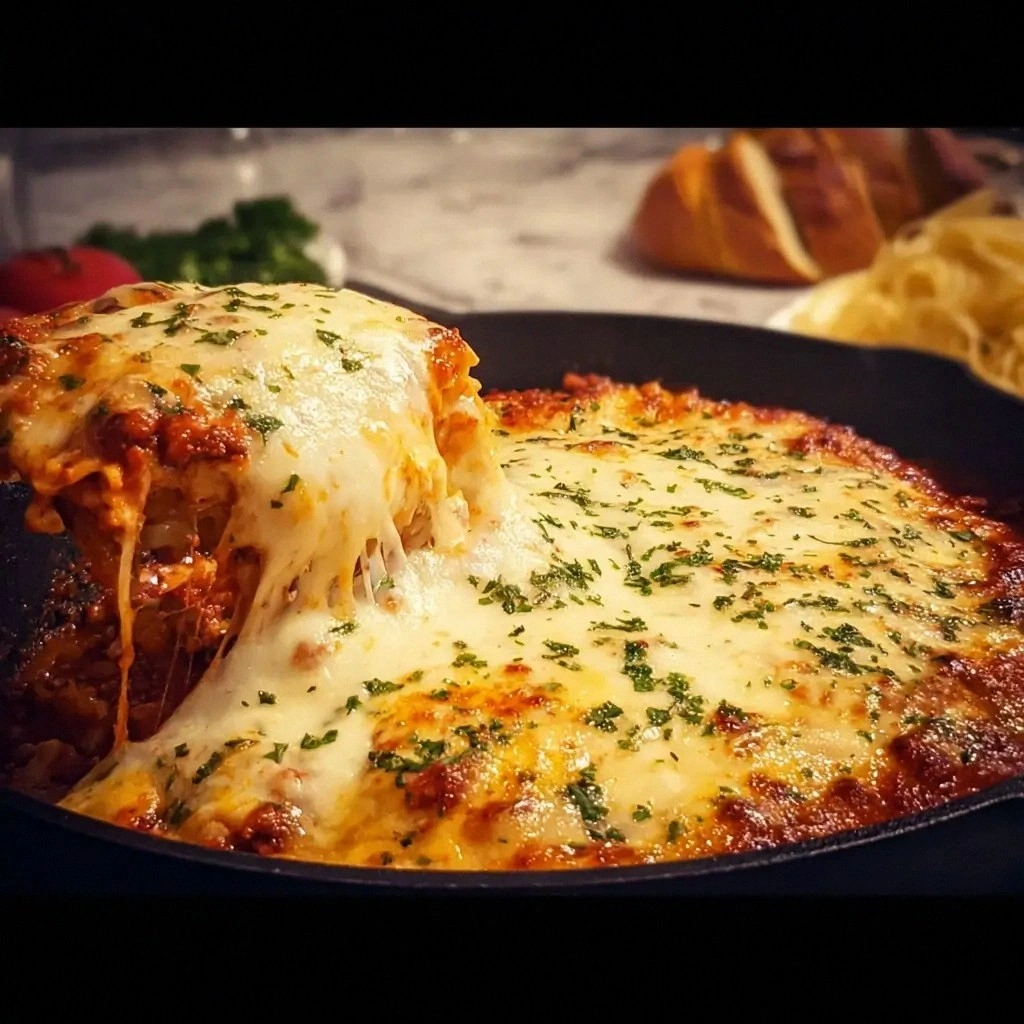
What sets this recipe apart isn’t just the single‑pan convenience; it’s the deliberate layering of flavors and textures that each component contributes. The fresh mozzarella melts into gooey ribbons, the ricotta adds a silky richness, and the caramelized onions bring a subtle sweetness that cuts through the acidity of the tomato sauce. The result is a dish that feels both indulgent and wholesome, with a crispy top that balances the tender, saucy layers beneath. Every bite is a dance of textures—cheese, pasta, sauce, and a hint of herbs—that keeps your palate engaged.
I dare you to taste this and not go back for seconds. The secret? A splash of red wine in the sauce, a touch of fresh basil, and the final flourish of grated Parmesan that melts into the top just before serving. If you’ve ever struggled with the classic lasagna’s clunky preparation, you’re not alone—and I’ve got the fix. By the end of this post, you’ll wonder how you ever made it any other way.
What Makes This Version Stand Out
- Flavor: The sauce is a harmonious blend of crushed tomatoes, garlic, onions, and a splash of red wine that deepens the umami profile. The herbs—oregano, basil, and a whisper of thyme—add a fragrant lift that elevates each bite. This layered flavor profile keeps the dish from feeling flat, making every mouthful a new discovery.
- Texture: The noodles are cooked al dente, providing a firm bite that contrasts with the creamy ricotta and the molten mozzarella. The pan’s skillet creates a golden crust that’s both crisp and caramelized, adding a satisfying crunch that breaks up the softness of the sauce. The final sprinkle of Parmesan crisps into tiny shards that melt into the top, creating a textural crescendo.
- Simplicity: One pan, one pot, one stove—no need for a separate baking dish or a second pot for the sauce. The recipe flows from sautéing to simmering to finishing, all while the skillet stays on the stove. Even a novice cook can follow the steps without feeling overwhelmed.
- Uniqueness: A splash of red wine and a drizzle of olive oil in the sauce add depth and brightness that set this dish apart from the standard stovetop lasagna. The addition of fresh spinach and sautéed mushrooms brings a burst of color and a nutritional boost that’s hard to ignore.
- Crowd Reaction: Friends who have tried this version rave about the convenience and the flavor. The crispy edges that shatter like thin ice leave a memorable impression, making it a hit at potlucks and family dinners alike. “I’ve never seen lasagna look so good,” they say.
- Ingredient Quality: Using high‑quality ground beef or Italian sausage, fresh herbs, and real mozzarella ensures that each component shines. The sauce’s acidity is balanced by the richness of the cheeses, creating a well‑rounded flavor that’s both comforting and sophisticated.
Inside the Ingredient List
The Flavor Base
The foundation of any great lasagna is its sauce, and this recipe starts with a robust tomato base that’s seasoned to perfection. Crushed tomatoes provide a smooth yet slightly chunky texture, while the addition of minced garlic and diced onions creates a savory depth that permeates every layer. A splash of red wine not only adds acidity but also imparts a subtle fruity undertone that balances the richness of the cheeses. The sauce is simmered until it thickens, allowing the flavors to marry and the tomatoes to caramelize slightly, giving the dish a natural sweetness.
If you skip the wine, you’ll lose that subtle complexity; the sauce will taste flatter and more acidic. For a vegetarian version, substitute the wine with a bit of extra tomato juice or a splash of balsamic vinegar to maintain acidity. When selecting tomatoes, choose San Marzano or a high‑quality canned variety to avoid the watery texture that can dilute the sauce. Fresh herbs are optional but highly recommended; they brighten the sauce and add a fragrant note that lingers on the palate.
The herbs—dried oregano, basil, and a hint of thyme—are added early in the cooking process to release their essential oils. This step is crucial because it allows the herbs to infuse the sauce, rather than simply being tossed in at the end. The result is a sauce that carries a nuanced herbaceous aroma and a complex flavor profile that compliments the cheeses and meats. When you taste the sauce, you’ll notice that the herbs have softened into a fragrant, cohesive blend, rather than standing out as separate flavors.
The Protein Pack
Ground beef and Italian sausage form the heart of this skillet lasagna, providing a savory, meaty backbone that balances the creamy cheeses. The beef is browned until it’s caramelized, creating a rich brown crust that adds depth and texture. The sausage, with its fennel or peppercorn seasoning, offers a subtle spice that cuts through the richness of the cheeses. Together, they create a protein duo that’s both hearty and flavorful.
If you’re looking for a leaner option, replace half the beef with ground turkey or chicken. For a vegetarian twist, sauté finely chopped mushrooms and zucchini with a pinch of salt, pepper, and oregano; they’ll absorb the sauce’s flavor and provide a satisfying meaty texture. When browning the meats, keep the heat moderate to avoid burning; a quick sear is enough to develop flavor without drying them out. The key is to let the meats release their juices, which will mingle with the sauce and create a cohesive, savory base.
The choice of meat also influences the overall texture; a fattier sausage will render more fat, which adds a silky mouthfeel to the sauce. If you prefer a lower‑fat version, use lean ground beef and reduce the amount of sausage. Remember to drain excess grease after browning to prevent the dish from becoming greasy. This step ensures that the skillet remains clean and that the final product has a balanced, not overly oily, texture.
The Creamy Layer
Ricotta is the creamy, silky component that ties everything together. It provides a light, airy texture that contrasts with the firmer noodles and the robust meat sauce. A beaten egg is folded into the ricotta to help bind the mixture and create a cohesive layer that sets as it cooks. The egg also gives the ricotta a slightly firmer structure, preventing it from sliding around in the skillet.
If you’re vegan or dairy‑free, substitute ricotta with a plant‑based alternative such as tofu or cashew cream. Blend the tofu with a splash of lemon juice and nutritional yeast for a tangy, cheesy flavor. The egg can be omitted or replaced with a flaxseed or chia seed "egg" for a vegan version. Keep in mind that the binding effect of the egg is critical; without it, the ricotta layer may not hold together as well, leading to a less cohesive dish.
When mixing the ricotta, be sure to whisk it until it's smooth and free of lumps. This ensures that the cheese will melt evenly and blend seamlessly with the other ingredients. The ricotta’s mild flavor also acts as a palate cleanser between the richer tomato sauce and the savory meats, allowing each component to shine. The creamy layer is the secret to that velvety mouthfeel that makes this skillet lasagna feel like a comforting hug.
The Final Flourish
The cheese layer is where the dish truly shines. Shredded mozzarella melts into a gooey, golden top that’s both fragrant and indulgent. Grated Parmesan adds a nutty, salty finish that crisps into small shards when the dish is finished, creating a delightful crunch. Fresh basil leaves, torn at the last minute, bring a burst of bright, herbal aroma that lifts the entire dish.
If you prefer a sharper cheese, substitute part of the mozzarella with provolone or fontina. For a spicier finish, sprinkle a pinch of red pepper flakes over the top before baking. The combination of mozzarella and Parmesan ensures a rich, melt-in-your-mouth experience with a satisfying salty finish. The basil’s fresh flavor cuts through the richness of the cheeses, creating a balanced taste profile that keeps the dish from feeling heavy.
When layering the cheeses, spread a thin layer of mozzarella over the ricotta to create a barrier that keeps the cheese from sinking into the sauce. Then, add a generous sprinkle of Parmesan for that extra crunch. The final basil leaves should be added after the dish has finished cooking to preserve their bright, green color and fresh aroma. The result is a visually stunning, aromatic, and deliciously layered skillet lasagna that feels both comforting and sophisticated.
Everything's prepped? Good. Let's get into the real action…
The Method — Step by Step
- Heat the skillet. Place a large, heavy‑bottom skillet over medium heat and add a tablespoon of olive oil. Let the oil heat until it shimmers but isn’t smoking. This ensures even cooking and prevents sticking. Keep an eye on the temperature; a hot skillet gives the noodles a quick sear.
- Brown the meats. Add the ground beef and Italian sausage to the skillet, breaking them apart with a spatula. Cook until browned and no longer pink, about 5–7 minutes. Drain excess grease to keep the dish from becoming greasy. The browned meats will form the savory backbone of the lasagna.
- Sauté aromatics. Push the meats to the side, add diced onions and minced garlic, and sauté until translucent. The onions soften into a sweet base that complements the meat. Garlic releases its aroma, adding depth to the sauce. Stir frequently to avoid burning.
- Build the sauce. Stir in crushed tomatoes, a splash of red wine, oregano, basil, salt, and pepper. Let the mixture come to a gentle simmer and reduce for 10 minutes, allowing flavors to meld. Taste and adjust seasoning if needed. The sauce should thicken slightly, coating the back of a spoon.
- Layer the noodles. Spread a thin layer of the sauce over the bottom of the skillet. Add a layer of cooked lasagna noodles, breaking them if necessary to fit. Cover the noodles with another layer of sauce, then spread a layer of ricotta mixture. This creates the classic lasagna strata without the need for a baking dish.
- Watch Out: When adding the noodles, make sure they’re not too crowded. Overcrowding can cause uneven cooking and create a soggy bottom. If you notice the noodles sticking, add a splash of water to the skillet and stir gently.
- Repeat the layers. Continue layering sauce, noodles, ricotta, and meats until all components are used, finishing with a layer of sauce on top. This ensures that every bite has a balanced mix of flavors. Keep the heat at medium to low to allow the layers to meld.
- Finish with cheese. Sprinkle shredded mozzarella and grated Parmesan over the top layer of sauce. Add fresh basil leaves for a burst of color and aroma. Cover the skillet with a lid or foil and cook for 10 minutes, allowing the cheeses to melt into a golden crust. The top should look like a golden, bubbly blanket.
- Serve and enjoy. Remove the skillet from heat, let it rest for 5 minutes to set the layers, then ladle onto plates. The final dish should have a crispy, caramelized top and a tender, saucy interior. Serve hot, and watch your guests rave about the single‑pan magic.
That's it — you did it. But hold on, I've got a few more tricks that'll take this to another level…
Insider Tricks for Flawless Results
The Temperature Rule Nobody Follows
Keeping the skillet on medium to low heat is essential. If the heat is too high, the sauce will burn and the noodles will become mushy. I’ve seen a friend skip this step and end up with a soggy mess that tasted like a wet sponge. By maintaining a gentle simmer, the flavors meld beautifully, and the cheeses melt into a silky, cohesive layer.
Why Your Nose Knows Best
The aroma of simmering sauce is a reliable indicator of doneness. When the tomatoes start to bubble and the herbs release their oils, you know the sauce has reached the right consistency. This sensory checkpoint prevents over‑cooking and ensures the dish stays moist. Trust your nose, and you’ll avoid the dreaded dry lasagna.
The 5-Minute Rest That Changes Everything
Letting the skillet rest for five minutes after cooking allows the layers to set, making it easier to slice and serve. I’ve had guests who try to cut the dish immediately and end up with a messy, collapsed mess. The rest period also lets the flavors settle, giving each bite a more harmonious taste. Remember, patience pays off.
Cheese Balance is Key
Using a mix of mozzarella and Parmesan creates a depth of flavor and a pleasing texture contrast. If you only use mozzarella, the dish will feel too heavy and may not have the desired crispness on top. A sprinkle of Parmesan adds a nutty finish and a slight crunch when it melts. Keep the ratio about 70% mozzarella to 30% Parmesan for the best results.
The Final Touch of Freshness
Adding fresh basil or parsley just before serving brightens the dish and adds a pop of color. This final flourish is often overlooked but can transform the dish from ordinary to extraordinary. I’ve seen a friend forget this step, and the dish felt flat. A quick sprinkle of herbs brings that fresh, garden‑grown flavor that makes everyone say, “Wow.”
Creative Twists and Variations
This recipe is a playground. Here are some of my favorite ways to switch things up:
Mediterranean Marinara
Swap the regular tomato sauce for a chunky marinara with olives, capers, and a splash of white wine. The briny olives add a salty punch, while the capers bring a tangy bite that balances the sweetness of the tomatoes. This version works well for a Greek‑inspired dinner and pairs beautifully with a crisp white wine.
Spicy Arrabbiata
Add a teaspoon of red pepper flakes to the sauce for a fiery kick. The heat from the flakes will cut through the richness of the cheeses and create a bold, spicy flavor profile. Serve with a side of garlic bread to soak up the extra sauce.
Pesto Power
Stir in a few spoonfuls of basil pesto into the ricotta mixture for an herbaceous, nutty twist. The pesto adds a fresh, green flavor that complements the tomato base and the meats. This variation is perfect for a summer dinner when fresh herbs are in season.
Vegan Delight
Replace the meats with sautéed mushrooms and zucchini, and use a dairy‑free ricotta made from tofu or cashews. Swap the mozzarella for a plant‑based cheese that melts well, such as a vegan mozzarella blend. The result is a hearty, plant‑based lasagna that still delivers that comforting, gooey texture.
Breakfast Skillet Lasagna
Use breakfast sausage instead of Italian sausage, add diced bell peppers, and top with a poached egg before serving. The egg’s runny yolk adds a rich, velvety texture that pairs with the savory meats. This version is a decadent brunch option that feels both indulgent and comforting.
Storing and Bringing It Back to Life
Fridge Storage
Cool the skillet lasagna completely before covering it with a lid or foil. Store in the refrigerator for up to 3 days. When you’re ready to eat, reheat in the oven at 350°F for 15–20 minutes, or until warmed through. The sauce will re‑seethe, and the cheese will regain its gooeyness.
Freezer Friendly
Wrap the skillet tightly in foil, then place it in a freezer bag. The lasagna will keep for up to 2 months. When you’re ready to enjoy, thaw overnight in the refrigerator. Reheat in the oven at 350°F for 25–30 minutes, or until heated through. The layers will stay intact, and the cheese will melt beautifully.
Best Reheating Method
Reheating in the oven preserves the crispness of the top layer. If you’re short on time, microwave on high for 3–4 minutes, then finish in the oven for 5 minutes to crisp the cheese. Add a splash of water before microwaving to create steam, which helps restore moisture and prevents the dish from drying out. The result is a reheated lasagna that tastes almost as fresh as when it was first cooked.