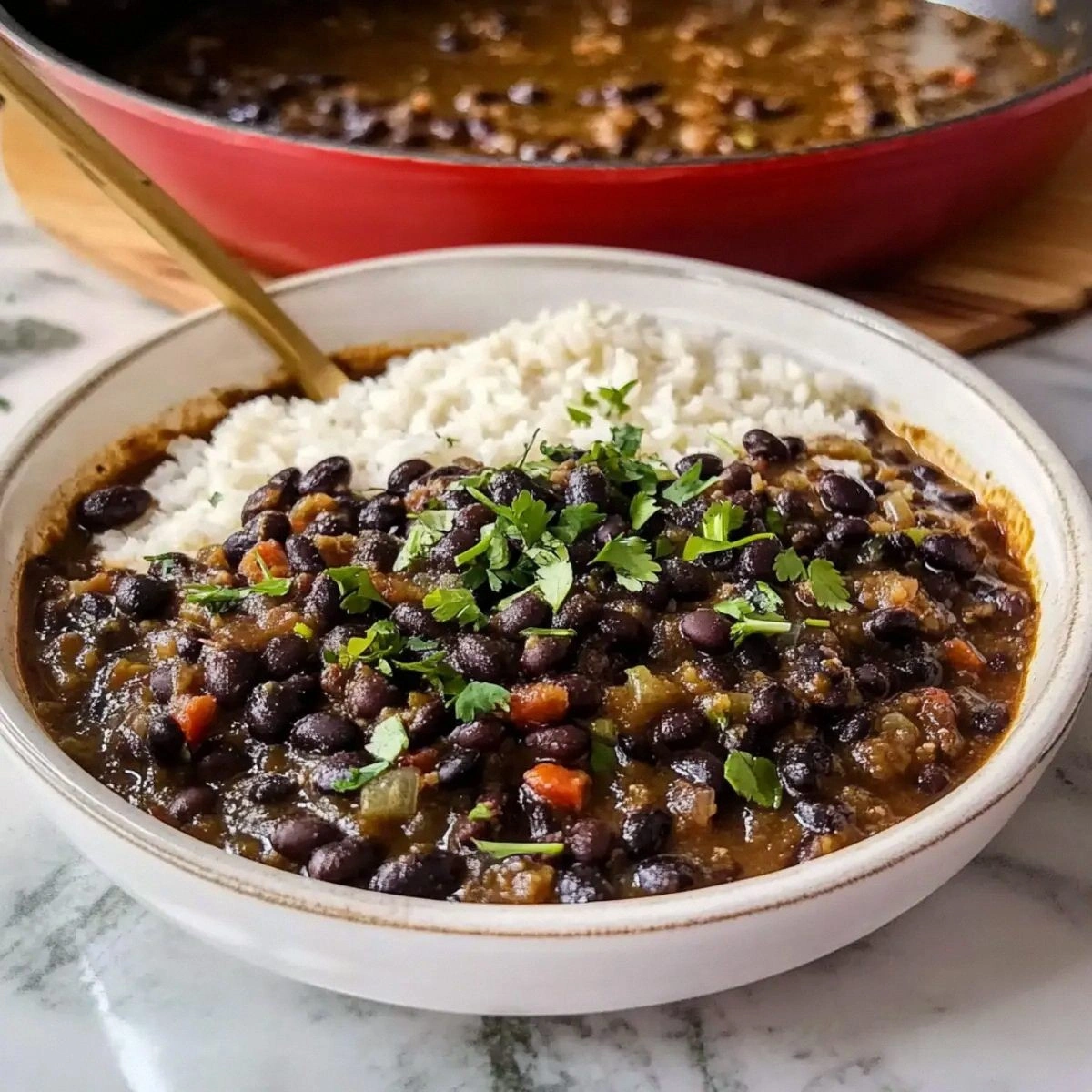
I was standing in my kitchen on a rainy Tuesday, staring at a half‑empty pantry and a sudden craving that felt like a tropical thunderstorm. I had a can of black beans, a couple of peppers, and a vague memory of my Cuban aunt’s “frijoles negros” that used to make the whole block stop by the window just to sniff the air. I tried a quick microwave hack, but the beans came out flat, lifeless, and about as exciting as plain rice. I dared my roommate to taste my first attempt and she politely declined, which, let’s be honest, is the universal sign that something is seriously off. That moment sparked a kitchen experiment that turned into the most comforting, flavor‑packed black bean dish I’ve ever mastered.
Picture this: the moment the olive oil hits the hot pan, you hear a gentle sizzle that sounds like a tiny applause. The onions melt into translucent sweetness, the peppers release a smoky perfume, and the garlic bursts open with a perfume that makes you want to hug the chef. The beans then soak up a broth that’s brightened by white vinegar, spiced with cumin and oregano, and finished with a handful of cilantro that adds a fresh, almost citrusy snap. The whole pot becomes a symphony of aromas, and the first spoonful hits your tongue like a warm hug from a long‑lost cousin — earthy, tangy, and just a touch smoky.
Most black‑bean recipes I’ve seen either drown the beans in heavy tomato sauce or drown the flavor in endless spices that never truly blend. This version stands out because it respects the bean’s natural earthiness while layering just the right amount of heat, acidity, and herbaceous brightness. I’m talking about a balance that makes the dish feel both rustic and refined, like a classic Cuban street‑food stall meets a modern bistro. The secret? A dash of white vinegar added at the very end, which lifts the whole dish like a bright spotlight on a stage.
I’ll be honest — I ate half the batch before anyone else got a chance to try it, and I’m still not over it. I dare you to taste this and not go back for seconds; I’m willing to bet you’ll be the one bragging about it at your next dinner party. Let me walk you through every single step — by the end, you’ll wonder how you ever made it any other way.
What Makes This Version Stand Out
- Depth: The combination of cumin and oregano creates a smoky‑earthy foundation that feels like a slow‑cooked stew, even though the cooking time is modest.
- Texture: By sautéing the peppers just until their edges start to caramelize, you get a tender‑crisp bite that contrasts beautifully with the silky beans.
- Simplicity: Only eleven ingredients, all pantry staples, mean you can whip this up on a weeknight without a grocery run.
- Unique Twist: The splash of white vinegar added at the end brightens the dish like a burst of citrus, something most recipes overlook.
- Crowd‑Pleaser: This dish has been known to turn skeptics into bean addicts; the first spoonful usually earns a “more, please!” from even the most stubborn eaters.
- Ingredient Quality: Using fresh cilantro and crisp bell peppers elevates the flavor profile far beyond canned‑only versions.
- Method: A quick sauté followed by a gentle simmer ensures the beans stay intact and absorb maximum flavor without turning mushy.
- Make‑Ahead Potential: This dish improves after a night in the fridge, allowing the flavors to meld and deepen.
Inside the Ingredient List
The Flavor Base
The onion and garlic are the aromatic backbone of any great Latin dish. The onion, when sweated in olive oil, releases natural sugars that turn sweet and buttery, creating a luscious canvas. Garlic adds that unmistakable punch that makes your nose perk up and your taste buds tingle. Skipping either means you lose the depth that turns a simple bean pot into a comfort classic. If you’re allergic to garlic, try a pinch of asafoetida; it mimics the umami without the bite.
The Texture Crew
Red and green bell peppers bring color, crunch, and a subtle sweetness that balances the earthiness of the beans. The red pepper is sweeter, while the green adds a grassy bite, creating a layered mouthfeel. If you can’t find fresh peppers, roasted jarred ones work, but they’ll lack that fresh snap. When sautéed just right, the edges caramelize, giving you that “crispy‑edges that shatter like thin ice” sensation.
The Unexpected Star
White vinegar is the secret weapon. A tablespoon or two added at the end lifts the entire flavor profile, cutting through the richness and adding a bright, almost tangy finish. It’s the culinary equivalent of turning up the lights on a stage — everything becomes clearer. If you don’t have white vinegar, a splash of apple cider vinegar works, though it will add a faint fruit note.
The Final Flourish
Cilantro is the herb that ties everything together with a fresh, citrusy pop. It should be added at the very end to preserve its bright flavor; overcooking cilantro turns it bitter. If cilantro isn’t your thing, fresh parsley can substitute, but you’ll lose that characteristic Caribbean zing. When you garnish, sprinkle a generous handful and watch the color pop like fireworks on a night sky.
Everything's prepped? Good. Let’s get into the real action…
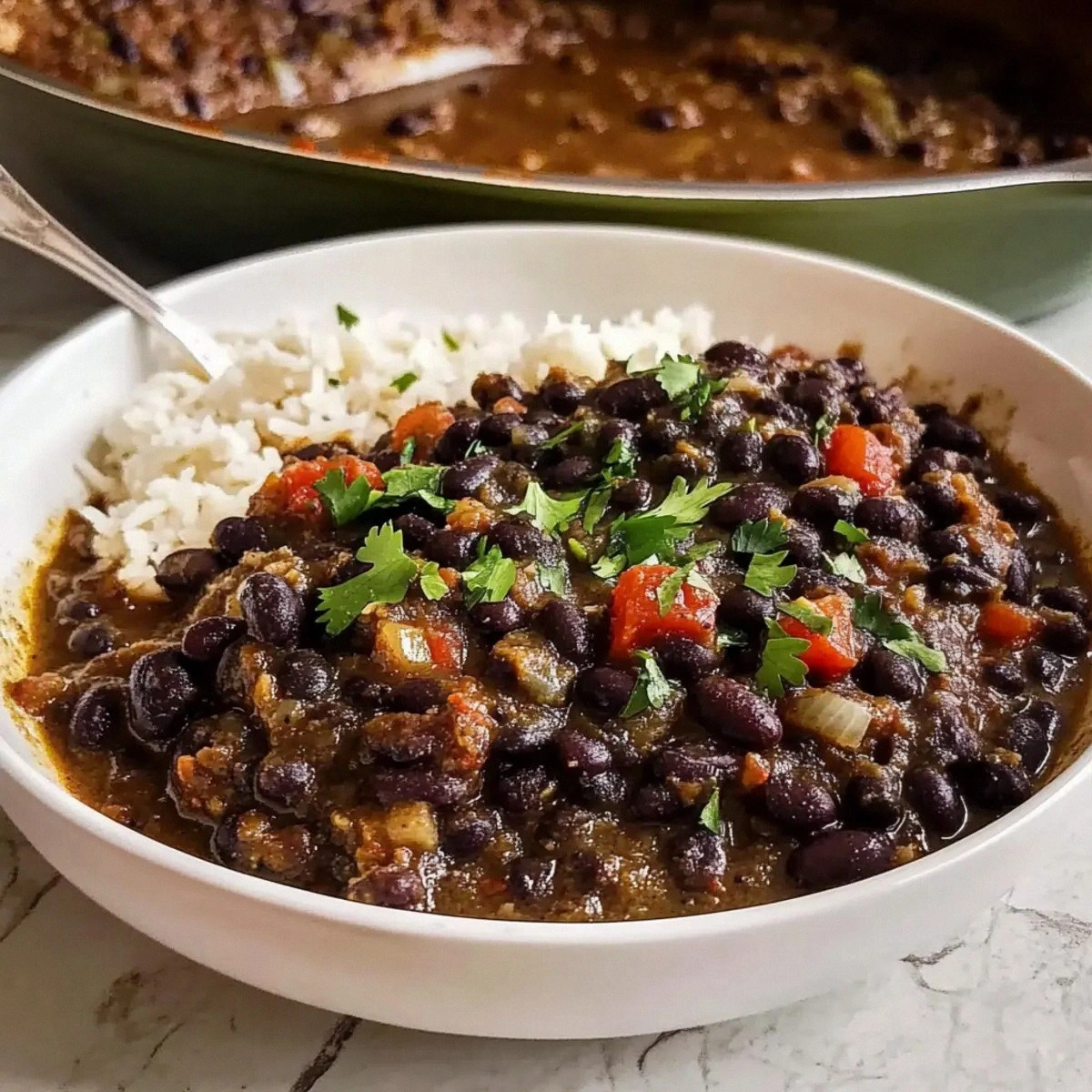
The Method — Step by Step
Heat the olive oil in a heavy‑bottomed Dutch oven over medium heat. As soon as the oil shimmers, toss in the diced onion. That sizzle when it hits the pan? Absolute perfection. Cook, stirring occasionally, until the onion turns translucent and starts to caramelize at the edges — about 5 minutes. If the onions start to brown too quickly, lower the heat; you want them sweet, not burnt.
Add the minced garlic and diced red and green bell peppers. Stir constantly for another 3‑4 minutes until the peppers soften but still retain a slight crunch. Watch the colors meld — the reds will deepen, the greens will stay vibrant, creating a visual feast.
Kitchen Hack: To speed up chopping, slice the peppers in half, remove seeds, then stack the halves and slice them vertically before chopping.Stir in the ground cumin and dried oregano, letting the spices toast for about 30 seconds. This brief toasting releases essential oils, turning the mixture aromatic and deep. You’ll notice the kitchen filling with a warm, earthy scent that says “we’re about to create something unforgettable.”
Add the chopped tomatoes, cooking them down until they break apart and form a saucy base, about 5 minutes. The tomatoes add a subtle acidity that balances the later vinegar splash. If the mixture looks too dry, splash in a splash of water or broth; you want a glossy, not sticky, consistency.
Now it’s bean time. Drain and rinse the canned black beans, then add them to the pot. Stir gently to coat each bean with the aromatic base.
Watch Out: Over‑stirring can cause the beans to break down into a mush; use a gentle hand and a wooden spoon.Pour in enough water or low‑sodium broth to just cover the beans (about 2 cups). Bring the pot to a gentle boil, then reduce to a low simmer. Let it cook uncovered for 20‑25 minutes, stirring occasionally. The beans will absorb the spices, and the liquid will reduce to a thick, velvety sauce.
When the beans are tender and the sauce has thickened, stir in the white vinegar. This is the game‑changer: the acidity lifts the flavors, making each bite pop like fireworks. Taste and adjust salt if needed; the beans will need a pinch of salt to bring everything together.
Finally, fold in the chopped cilantro just before serving. The fresh herb adds a bright, herbal finish that makes the dish feel light despite its richness. Let the pot sit for a couple of minutes so the cilantro can release its aroma.
Serve hot, spooned over fluffy white rice, with a side of fried plantains or a simple green salad. If you’re feeling fancy, top each bowl with a dollop of sour cream or a drizzle of olive oil. Picture yourself pulling this out of the pot, the whole kitchen smelling incredible, and the first bite delivering a perfect balance of earth, heat, and brightness.
That’s it — you did it. But hold on, I’ve got a few more tricks that'll take this to another level…
Insider Tricks for Flawless Results
The Temperature Rule Nobody Follows
Keep the heat on medium‑low once the beans start simmering. A gentle bubble coaxed from the bottom ensures the beans stay whole and absorb flavor without breaking apart. I once turned the heat up to a rolling boil, and the beans turned to mush — a disaster that taught me the value of patience. If you hear a high‑pitched hiss, lower the flame immediately.
Why Your Nose Knows Best
Your sense of smell is the ultimate doneness gauge. When the onions turn golden and the spices release their perfume, you know you’re on the right track. When the sauce smells slightly sweet with a hint of vinegar, it’s ready for the final garnish. Trust that nose; it’s more reliable than a timer.
The 5‑Minute Rest That Changes Everything
After you turn off the heat, cover the pot and let it rest for five minutes. This short rest allows the beans to re‑absorb the broth, deepening the flavor and creating a silkier texture. I’ve seen people serve straight away and miss out on that extra layer of richness. Set a timer, and you’ll taste the difference.
Seasonal Salt Timing
Add salt in two stages: a pinch during the sauté to season the aromatics, then a final adjustment after the beans have simmered. This layered salting prevents the beans from becoming overly salty and ensures every component is seasoned evenly. A friend once added all the salt at the end and ended up with a briny mess — don’t be that friend.
The Secret of the Cilantro Splash
Rough‑chop the cilantro and sprinkle it over the beans just before serving, rather than mixing it in early. The bright green flecks stay vivid, and the herb’s flavor stays crisp. If you over‑mix, the cilantro turns wilted and loses its punch. Keep it fresh, keep it bold.
Creative Twists and Variations
This recipe is a playground. Here are some of my favorite ways to switch things up:
Spicy Chipotle Kick
Add one finely chopped chipotle pepper in adobo sauce with the tomatoes. The smoky heat deepens the flavor, making the dish perfect for those who love a little fire. It pairs wonderfully with a dollop of cool avocado crema.
Coconut‑Infused Comfort
Swap half the water for full‑fat coconut milk during the simmer. The creamy coconut adds a tropical richness that balances the acidity of the vinegar. Serve with toasted coconut flakes for extra texture.
Smoky Bacon Boost
Crisp 4 strips of bacon, crumble, and stir them in with the beans. The smoky, salty crunch adds depth and makes the dish heartier, turning it into a main‑course centerpiece.
Mediterranean Fusion
Replace the cumin with smoked paprika and add a handful of chopped olives and a splash of lemon juice at the end. This creates a bright, Mediterranean‑style bean stew that pairs well with crusty bread.
Vegan Protein Power
Add a cup of cooked quinoa or diced tempeh during the final simmer. This boosts the protein content and turns the dish into a complete, plant‑based meal that’s perfect for athletes.
Storing and Bringing It Back to Life
Fridge Storage
Transfer the cooled beans to an airtight container and store in the refrigerator for up to 4 days. The flavors will continue to meld, making leftovers even tastier. Before reheating, stir in a tablespoon of water to loosen the sauce.
Freezer Friendly
Portion the beans into freezer‑safe bags or containers, leaving a little headspace for expansion. Freeze for up to 3 months. Thaw overnight in the fridge, then reheat gently on the stove, adding a splash of water or broth if needed.
Best Reheating Method
Reheat in a saucepan over low heat, stirring occasionally, until steaming hot. Add a tiny splash of water or broth before heating; the steam brings the beans back to a silky texture. Avoid microwaving at high power, as it can dry out the beans and make them rubbery.