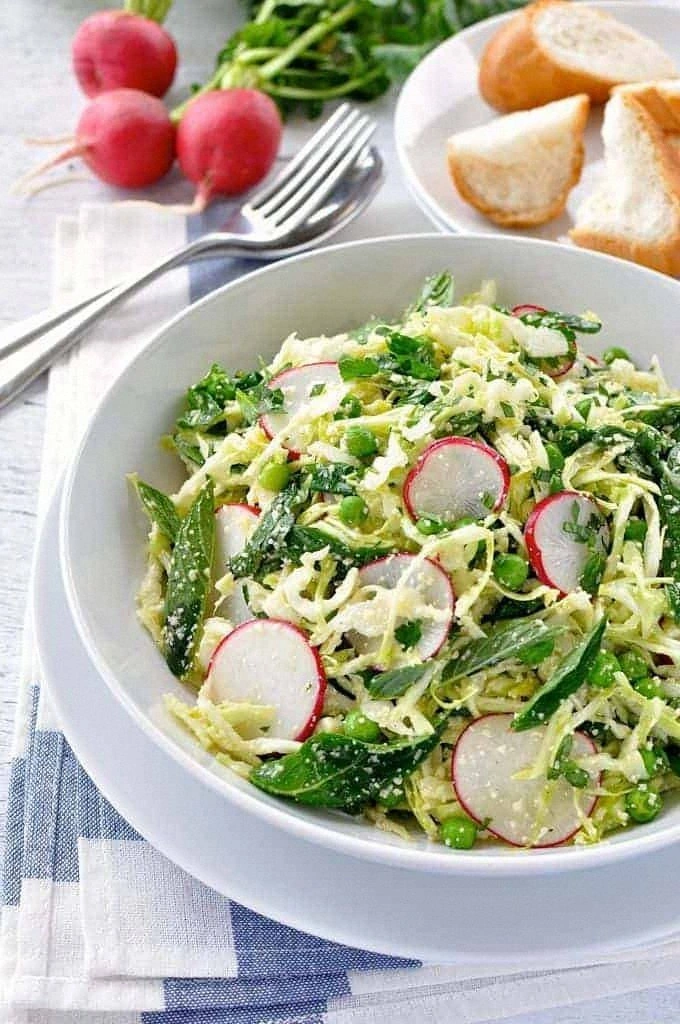
I was in the middle of a Sunday afternoon binge‑watching my favorite sitcom when a sudden, desperate craving hit me like a tiny tornado: I needed something crisp, bright, and utterly addictive. I raided the fridge, pulled out a bag of frozen peas, a wilted cabbage head, and a handful of mint that had been lounging in the produce drawer for weeks. As I tossed those ingredients together, the kitchen filled with a chorus of sounds— the snap of peas hitting the boiling water, the rustle of cabbage leaves, and the faint, almost mischievous whisper of mint leaves being torn apart. The scent? A fresh, herbaceous perfume that made my nostrils do a little happy dance, while the bright green colors looked like a painter’s palette gone wild. I could almost taste the buttery crunch of peas, the peppery bite of cabbage, and the nutty kiss of Parmesan before the first bite even touched my tongue.
Now, I know what you’re thinking: “A salad? How exciting can that be?” Let me tell you, most salad recipes get this completely wrong. They either drown the greens in a soggy dressing or they skimp on flavor, leaving you with a bland, wilted mess. This version, however, is the result of a daring experiment where I decided to treat each component like a soloist in a symphony, each with its own moment to shine. The peas are blanched just enough to stay firm—think of them as tiny emerald fireworks exploding in your mouth. The cabbage is shaved so thin it practically melts on the palate, delivering that satisfying crunch without the chewiness. And the mint? It’s not just a garnish; it’s the secret weapon that lifts the whole dish to a whole new level of freshness.
What truly sets this recipe apart is the unexpected but glorious addition of grated Parmesan. I dared to sprinkle a generous amount of that salty, nutty cheese over the top, and the result is a flavor explosion that feels like a summer garden meeting an Italian trattoria. It coats the peas and cabbage in a velvety, savory veil that makes every bite feel indulgent yet light. And the lemon‑olive oil dressing? It’s the perfect bridge, marrying the earthiness of the veggies with the brightness of the citrus and the smooth richness of the oil. I’m confident this is hands down the best version you’ll ever make at home, and I dare you to taste it and not go back for seconds.
I’ll be honest — I ate half the batch before anyone else got a chance to try it, and I’m still not over that feeling of pure, uncomplicated joy. If you’ve ever struggled with getting a salad to taste as exciting as a main course, you’re not alone — and I’ve got the fix. Picture yourself pulling this bowl of color from the fridge, the whole kitchen smelling like a fresh spring market, and a single forkful delivering a perfect balance of sweet, salty, tangy, and herbaceous notes. Okay, ready for the game‑changer? Let me walk you through every single step — by the end, you’ll wonder how you ever made it any other way.
What Makes This Version Stand Out
- Flavor Explosion: The combination of sweet peas, peppery cabbage, and sharp Parmesan creates a layered taste that evolves with each bite, keeping your palate engaged from start to finish.
- Texture Symphony: You get the snap of peas, the crunch of cabbage, and the silky melt of cheese—all in one harmonious mouthfeel that’s impossible to resist.
- Simplicity at Its Finest: With just ten ingredients and a few quick steps, this dish is a shortcut to gourmet without the fuss.
- Unique Herb Twist: Fresh mint isn’t just a garnish; it’s a flavor catalyst that lifts the entire salad, making it taste like it was plucked from a garden at sunrise.
- Crowd‑Pleaser: Even the most skeptical eaters are won over by the bright colors and bold flavors—perfect for potlucks or a quick weekday lunch.
- Ingredient Quality: Using frozen peas ensures a burst of sweetness that outshines fresh peas that can be mushy if overcooked.
- Cooking Method: The quick blanch‑then‑shock technique locks in color and crunch, a trick most recipes overlook.
- Make‑Ahead Magic: This salad holds up beautifully for up to two days in the fridge, letting the flavors meld into an even richer experience.
Alright, let's break down exactly what goes into this masterpiece...
Inside the Ingredient List
The Flavor Base
1 cup frozen peas – These tiny green gems are the sweet heart of the dish. Their natural sugars pop when you bite, providing a contrast to the savory cheese. If you skip them, you lose that bright, juicy bite and the dish feels flat. A good swap is fresh snap peas, but be sure to blanch them quickly to retain crunch.
3 cups green or white cabbage – Shredded cabbage adds a crisp, peppery backbone. It’s the canvas that carries the dressing and cheese. Using white cabbage gives a milder flavor, while green cabbage adds a bit more bite. If you’re out of cabbage, try thinly sliced kale or bok choy for a different texture.
The Texture Crew
1/2 cup mint leaves – Mint is the surprise element that lifts the whole salad. Its cool, fresh notes cut through the richness of Parmesan and make the dish feel lighter. Don’t overdo it; a handful is enough to deliver that refreshing snap. If mint isn’t your thing, try a blend of basil and mint for a sweeter herb profile.
1/2 cup parsley leaves – Parsley adds a grassy, slightly peppery note that balances mint’s sweetness. It also contributes a vibrant green color that makes the salad look restaurant‑ready. Fresh, flat‑leaf parsley works best; curly parsley can be a bit bitter.
The Unexpected Star
4 radishes – Thinly sliced radishes bring a peppery crunch that surprises the palate. Their slight bite contrasts beautifully with the soft peas and silky cheese. If you’re not a fan of raw radish heat, soak the slices in cold water for a few minutes to mellow them.
1/3 cup parmesan – Grated Parmesan is the umami powerhouse. It creates a salty, nutty coating that makes every bite feel indulgent. Use a fine grate for maximum surface area; the cheese should melt slightly into the dressing, not sit as clumps.
The Final Flourish
2 tbsp lemon juice – The acidity brightens the entire dish, cutting through the richness and bringing the flavors into harmony. Freshly squeezed lemon is a must; bottled juice can add unwanted preservatives.
3 tbsp extra virgin olive oil – A good quality oil coats the vegetables, helping the lemon juice cling and the cheese adhere. It also adds a subtle fruitiness that rounds out the flavor profile.
1/4 tsp salt – Just enough to enhance the natural flavors without overwhelming. Salt is the silent hero that makes every other ingredient sing.
Black pepper – Freshly cracked pepper adds a gentle heat and aromatic depth. A pinch at the end is all you need.
Everything's prepped? Good. Let's get into the real action...
The Method — Step by Step
Start by bringing a large pot of salted water to a rolling boil. While you wait, give the frozen peas a quick rinse under cold water to remove any ice crystals. Once boiling, drop the peas in and let them cook for exactly 2 minutes—no more, no less. You’ll hear a gentle pop as they soften, but they should still retain that firm snap. Watch out: Overcooking peas turns them mushy and loses that bright green color.
Watch Out: If you forget to add salt to the boiling water, the peas will taste flat; a pinch of sea salt does wonders.While the peas are blanching, slice the cabbage as thinly as possible using a mandoline or a very sharp knife. The thinner the shreds, the more they’ll absorb the dressing and soften just enough to be pleasant without losing crunch. Toss the cabbage in a large mixing bowl with a pinch of salt and let it sit for 5 minutes; this draws out excess moisture, preventing a soggy salad later.
Kitchen Hack: After salting the cabbage, give it a quick massage with your hands. This breaks down the fibers, making it more tender and ready to soak up the dressing.When the peas are done, immediately drain them and plunge them into a bowl of ice water. This shocking step halts the cooking process, preserving that vivid emerald hue and the crisp texture. Let them sit for 30 seconds, then drain and pat dry with a clean kitchen towel. The peas should feel cool to the touch and look like tiny, jeweled gems.
Now, prepare the herb mixture. Roughly chop the mint and parsley leaves—don’t over‑process; you want the leaves to retain a bit of texture. Combine them in a small bowl with the lemon juice, olive oil, salt, and a generous grind of black pepper. Whisk vigorously until the dressing emulsifies into a glossy, bright green liquid that smells like a spring garden after a rainstorm. This is the moment of truth: the dressing should coat the back of a spoon without dripping off.
Add the drained peas, shredded cabbage, and thinly sliced radishes to the large mixing bowl. Pour the herb‑lemon dressing over the top, then toss everything together with gentle, sweeping motions. The goal is to coat each piece evenly without bruising the delicate leaves. You’ll notice the peas glistening, the cabbage taking on a subtle sheen, and the radish slices turning a soft pink from the lemon’s acidity.
Watch Out: Over‑tossing can bruise the cabbage, making it turn brown and lose crunch. Toss just enough to coat.Transfer the tossed salad to a serving platter or individual bowls. While it’s still warm from the peas, sprinkle the grated Parmesan generously over the top. The residual heat will melt the cheese just slightly, creating a silky veil that clings to each bite. This step is pure magic—watch the cheese melt into the dressing, turning the whole dish into a glossy, aromatic masterpiece.
Give the salad a final gentle toss to distribute the cheese evenly. Taste and adjust seasoning if needed—perhaps a splash more lemon or a pinch of salt. Serve immediately, or if you’re planning ahead, cover loosely with plastic wrap and refrigerate. The flavors will meld beautifully, and the salad will stay crisp for up to two days.
And now the fun part: plate it with confidence. The colors—emerald peas, jade cabbage, ruby radish, and snow‑white Parmesan—make it look like a work of art. Take a bite, close your eyes, and let the symphony of sweet, salty, peppery, and citrusy notes dance across your tongue. That's it — you did it. But hold on, I've got a few more tricks that'll take this to another level...
Insider Tricks for Flawless Results
The Temperature Rule Nobody Follows
Never let your peas sit at room temperature for more than a minute before mixing them with the dressing. Warm peas absorb the lemon‑olive oil blend better, giving each bite a richer coating. I once left them out for too long and the salad tasted flat—lesson learned, always keep them cool or just‑warm.
Why Your Nose Knows Best
When whisking the dressing, trust your sense of smell. If you catch a faint grassy note from the mint and a bright citrus zing, you’re on the right track. If it smells oily or bland, add a pinch more lemon or a few extra mint leaves. Your nose is the ultimate taste tester before the fork even touches the food.
The 5‑Minute Rest That Changes Everything
After tossing the salad, let it rest for exactly five minutes. This short pause lets the cabbage fibers relax and the dressing seep deeper, creating a more harmonious flavor. I once skipped this rest and the salad felt disjointed—now I never skip it.
Radish Soak Secret
If you find radishes too peppery, give them a quick 2‑minute soak in ice water before adding to the mix. This mellows the heat without sacrificing crunch, making the salad appealing to a broader crowd.
Parmesan Timing Trick
Add the Parmesan while the salad is still slightly warm from the peas. The gentle heat melts the cheese just enough to bind the flavors without turning it into a gooey mess. This creates that luxurious, velvety coating that makes every forkful feel like a decadent bite.
Creative Twists and Variations
This recipe is a playground. Here are some of my favorite ways to switch things up:
Mediterranean Remix
Swap mint for fresh basil, add halved Kalamata olives, and replace Parmesan with crumbled feta. The salty feta and briny olives turn the salad into a seaside feast perfect for summer barbecues.
Asian Fusion
Introduce a splash of sesame oil, a drizzle of soy sauce, and sprinkle toasted sesame seeds. Replace parsley with cilantro and add shredded carrots for a vibrant, umami‑rich version that pairs well with grilled tofu.
Spicy Kick
Add thinly sliced jalapeños or a pinch of red pepper flakes to the dressing. Finish with a dollop of Greek yogurt for cool contrast. This version is perfect for those who love a little heat with their greens.
Nutty Crunch
Toast sliced almonds or pine nuts and toss them in at the end. The nutty aroma adds depth, and the extra crunch elevates the texture profile for a more sophisticated bite.
Protein Power
Add grilled chicken strips, smoked salmon, or chickpeas for a heartier meal. The protein makes this salad a complete lunch or dinner, keeping you satisfied for hours.
Storing and Bringing It Back to Life
Fridge Storage
Place the salad in an airtight container and store in the refrigerator for up to 48 hours. Keep the Parmesan separate if you plan to store longer; add it just before serving to retain its fresh melt.
Freezer Friendly
While this salad isn’t ideal for long‑term freezing, you can freeze the blanched peas and shredded cabbage separately for up to three months. Thaw in the fridge, then re‑assemble with fresh herbs and dressing.
Best Reheating Method
If the salad has chilled and you prefer a warm version, gently warm the peas in a skillet for 30 seconds, then toss with the rest of the ingredients. Add a tiny splash of water before reheating; it creates steam that revives the crispness without overcooking.