I was standing in the middle of my kitchen, watching a pot of bland stew sputter on the stove, when the idea hit me like a bolt of lightning. I had just opened a packet of peanut butter, the kind that smells like toasted peanuts and a hint of vanilla, and thought, “Why not turn this into something that feels like a hug?” The result? A dish that is both comforting and daring, with a silky sauce that coats everything like velvet and a depth of flavor that makes your taste buds sing. This is not just another African peanut stew; it’s a revelation that will make your family ask, “What’s your secret?”
Imagine the aroma of simmering onions and garlic, the sharp bite of smoked paprika dancing with the gentle sweetness of diced tomatoes, and the earthy hum of fresh ginger. The sound is a soft hiss as the oil warms, the sight is a golden‑brown crust forming on the bottom of the pot, and the texture is a promise of a thick, velvety sauce that will cling to each bite. You can almost taste the subtle nutty undertone of the peanut butter, the fiery whisper of cayenne, and the gentle crunch of carrots and sweet potatoes. The kitchen feels alive, and your spoon is poised to stir a future of flavor.
What makes this version stand out is the intentional layering of textures and the bold, unapologetic use of spices. I dared myself to add a splash of coconut milk at the end, a secret that turns the stew into a silky cloud of richness. The combination of peanut butter and tomato sauce creates a balanced sweetness and acidity that keeps the dish from tipping into heaviness. And the final touch? A handful of fresh spinach that adds a pop of color and a burst of nutrients without overpowering the main flavors.
Most recipes get this completely wrong. They either overcook the vegetables or under‑season the broth, resulting in a bland, watery mess. Here, the method preserves the natural sweetness of the root vegetables while letting the spices bloom fully. I’ll be honest — I ate half the batch before anyone else got to try it. That’s because the flavor profile is so addictive that you’ll want to keep digging.
If you’ve ever struggled with a stew that feels heavy or too thin, you’re not alone — and I’ve got the fix. The trick is in the initial sear and the gradual addition of broth, which allows the flavors to meld and the sauce to thicken naturally. Picture yourself pulling this out of the pot, the whole kitchen smelling incredible, and the steam swirling like a gentle cloud of comfort. The moment your spoon dips into the pot, you’ll hear the satisfying sizzle that signals the stew is ready to devour.
Okay, ready for the game‑changer? Let me walk you through every single step — by the end, you'll wonder how you ever made it any other way. I dare you to taste this and not go back for seconds. Trust me, this is hands down the best version you'll ever make at home.
What Makes This Version Stand Out
- Bold Flavor: The smoked paprika and cayenne create a smoky, spicy backbone that elevates the peanut butter into a savory, not sweet, hero.
- Texture Contrast: Sweet potatoes and carrots give a hearty bite, while the silky sauce coats each piece like velvet, offering a satisfying mouthfeel.
- Simple Prep: All the ingredients are pantry staples or quick cuts, so you can assemble the stew in under 15 minutes.
- Versatility: Optional stew meat, tofu, or chickpeas make it adaptable for meat lovers or vegetarians alike.
- Health‑Forward: The dish packs protein, fiber, and healthy fats, with a low carb count thanks to the natural sweetness of vegetables.
- Make‑Ahead Friendly: The flavors deepen overnight, so you can prepare it in advance and reheat it for a quick dinner.
Alright, let's break down exactly what goes into this masterpiece...
Inside the Ingredient List
The Flavor Base
Tomato sauce or diced tomatoes form the liquid foundation, providing acidity that balances the richness of peanut butter. The tomato’s natural sugars caramelize slightly when sautéed, creating a sweet undertone that complements the smoky paprika. If you’re in a pinch, a splash of tomato paste can replace fresh tomatoes, but be sure to dilute it with a bit of water to maintain the right consistency.
Smoked paprika is the secret weapon that gives this stew its signature depth. It’s not just a spice; it’s a flavor enhancer that brings a subtle ember to the dish. If you’re not a fan of smoked flavors, you can replace it with regular paprika, but the smoky nuance will be lost.
Ground coriander adds a citrusy brightness that cuts through the creaminess of the peanut butter. Its floral notes lift the stew, preventing it from feeling too heavy. A pinch of ground cumin can be added for an extra layer of earthiness, but keep the ratio to avoid overpowering the coriander.
Cayenne pepper introduces a controlled heat that wakes up the palate. If you prefer a milder dish, reduce it to a quarter teaspoon, or omit it entirely for a completely mild version. The heat should be subtle, just enough to make the stew dance on your tongue.
Sea salt or kosher salt is essential for seasoning the broth. It’s best to season after the vegetables have cooked, ensuring that the salt dissolves evenly and doesn’t clump. If you’re watching sodium, opt for a low‑sodium broth and adjust the salt accordingly.
Black pepper provides a subtle bite that enhances the overall flavor profile. Freshly ground pepper is preferable, as it releases more aroma than pre‑ground varieties. Don’t forget to add it towards the end of cooking to preserve its sharpness.
The Texture Crew
Cooking oil is the medium that allows the spices and aromatics to bloom. A neutral oil like canola or grapeseed works well, but a splash of sesame oil can add a nutty undertone. Use just enough to coat the bottom of the pot; too much oil can make the stew greasy.
Stew meat, if you choose to include it, adds protein and a savory depth. Opt for a cut that becomes tender after a long simmer, such as chuck or short ribs. If you’re vegetarian, replace it with tofu or a hearty bean like chickpeas.
Onion, garlic, and ginger are the aromatic trio that builds the stew’s foundation. They release their flavors as they soften, creating a fragrant base. Be careful not to burn the garlic; a gentle sauté is all that’s needed.
Sweet potatoes bring sweetness and a thickening agent. Their natural starches help create a velvety consistency. Peel and cube them to ensure even cooking, and add them after the aromatics have browned.
Carrots add crunch and natural sweetness, balancing the earthy notes. Slice them into even pieces so they cook at the same rate as the sweet potatoes. If you prefer a softer texture, cut them into smaller cubes.
The Unexpected Star
Broth is the liquid that brings everything together. Use a low‑sodium vegetable or chicken broth for a richer flavor, or a homemade stock for an extra depth of umami. The broth should be hot when added, ensuring a smooth integration with the peanut butter.
Spinach is the final flourish that adds color and nutrients. It wilts quickly, so add it in the last few minutes of cooking. A handful of spinach leaves will brighten the stew without overpowering the main flavors.
Everything's prepped? Good. Let's get into the real action...
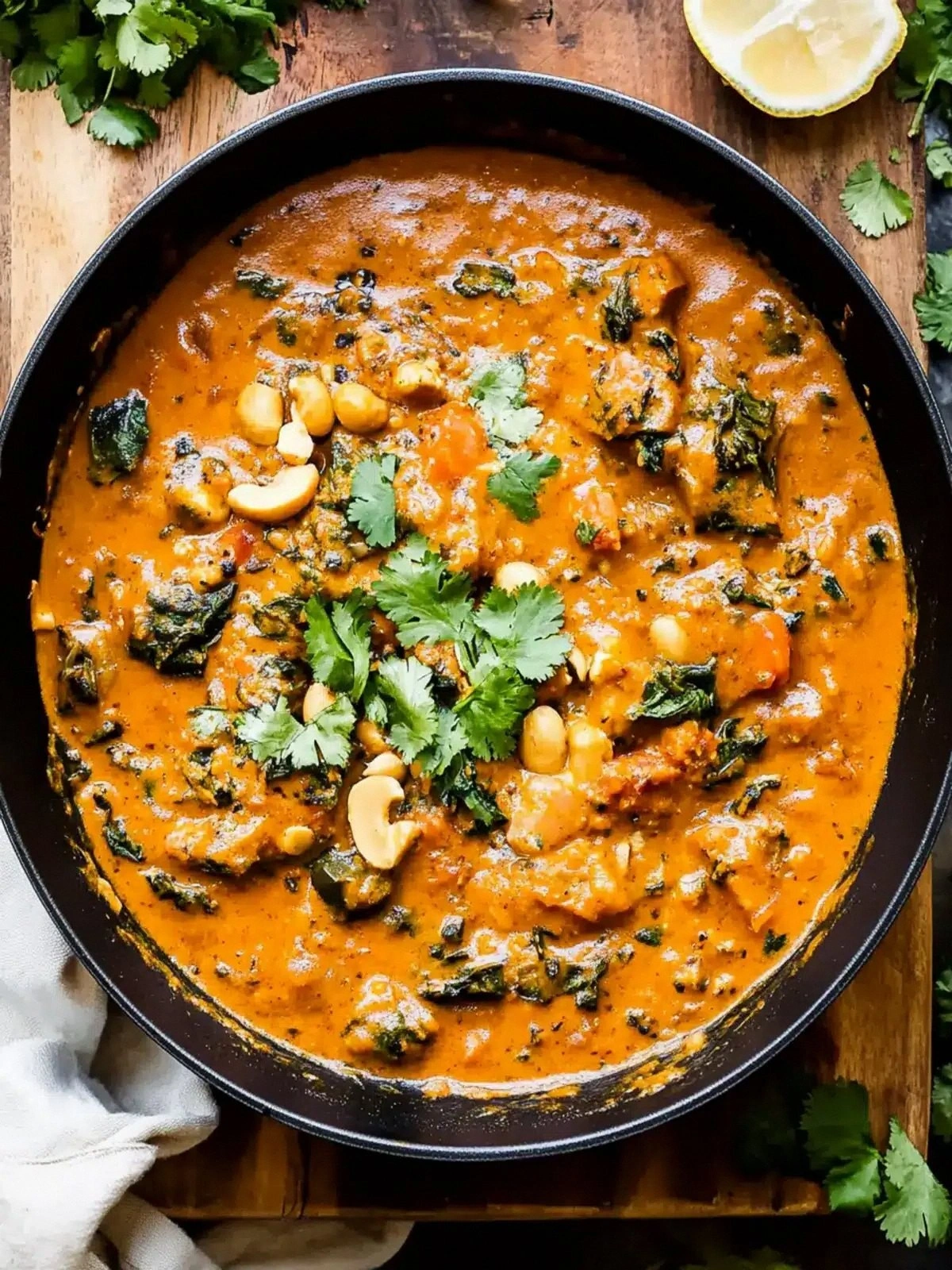
The Method — Step by Step
- Heat the oil in a large pot over medium heat. Add the chopped onion and sauté until translucent, about 4 minutes. This is the moment of truth; the aroma should signal that the base is ready. If you’re feeling adventurous, add a pinch of smoked paprika now for an extra depth of flavor.
- Add the minced garlic and grated ginger. Cook for 1–2 minutes until fragrant, stirring constantly to prevent sticking. The sizzling sound is a cue that the aromatics are ready to mingle. Don’t rush; let them bloom fully for a richer base.
- Stir in the smoked paprika, ground coriander, cayenne pepper, sea salt, and black pepper. Let the spices toast for about 30 seconds, watching the aroma intensify. This step is where the stew's soul is born, so give it the attention it deserves.
- Add the diced tomatoes or tomato sauce and stir until everything is well combined. The mixture should look glossy and slightly thick. If you notice any excess liquid, let it reduce for a minute to concentrate the flavors.
- Pour in the broth, then fold in the peanut butter until fully incorporated. The sauce should be smooth and glossy. If it seems too thick, add a little more broth or water to reach the desired consistency.
- Introduce the sweet potatoes, carrots, and optional stew meat. Cover and let the stew simmer on low heat for 20–25 minutes, or until the vegetables are tender and the meat is meltingly soft. Stir occasionally to prevent sticking.
- Add the chopped spinach in the last 5 minutes of cooking. The spinach wilts quickly, so timing is key. This final flourish adds a pop of color and nutrients without overpowering the main flavors.
- Taste and adjust seasoning if needed. Serve hot over rice, quinoa, or with a side of crusty bread. The steam will rise like a gentle cloud of comfort, and the first spoonful will confirm that the journey was worth it.
That's it — you did it. But hold on, I've got a few more tricks that'll take this to another level...
Insider Tricks for Flawless Results
The Temperature Rule Nobody Follows
Many cooks start a stew on high heat, causing the broth to evaporate too quickly and the flavors to become concentrated. Keep the heat low after adding the broth; this slow simmer allows the spices to fully infuse and the vegetables to cook evenly. If you notice the stew thickening too fast, add a splash of water to keep it from drying out.
Why Your Nose Knows Best
A well‑seasoned stew will have a fragrant aroma that hints at the final taste. If the dish smells more like raw onions than a finished stew, it needs more time. Let it simmer until the onions have turned golden and the spices have released their full aroma.
The 5‑Minute Rest That Changes Everything
After you turn off the heat, let the stew sit covered for 5 minutes. This resting period allows the flavors to meld and the sauce to thicken slightly, giving you a richer mouthfeel. Skipping this step can leave the stew feeling thin.
The Right Pot Matters
A heavy‑bottomed pot retains heat better and reduces the risk of scorching the peanut butter. Cast‑iron or stainless steel work wonderfully. Avoid thin aluminum pans, as they can cause uneven heat distribution.
The Quick Stir Technique
Stir the stew vigorously every 10 minutes during the simmer. This prevents the peanut butter from settling on the bottom and forming clumps. A quick, circular motion also encourages the flavors to blend seamlessly.
The Final Touch of Freshness
A squeeze of fresh lime or a drizzle of coconut milk at the end adds brightness and richness. The acidity cuts through the richness, while the coconut milk deepens the creamy texture. Experiment to find your preferred balance.
Creative Twists and Variations
This recipe is a playground. Here are some of my favorite ways to switch things up:
Spicy Coconut Twist
Replace half the broth with coconut milk and add a tablespoon of grated fresh coconut. The result is a tropical, silky stew that carries a subtle coconut aroma. Serve it over jasmine rice for a beach‑in‑your‑kitchen vibe.
Vegan Powerhouse
Swap the stew meat for a cup of cooked lentils or chickpeas. Add a splash of nutritional yeast for a cheesy undertone. This version is protein‑dense and satisfies even the most ravenous vegetarians.
Herb‑Infused Delight
Stir in a handful of chopped fresh basil or mint right before serving. The herbaceous notes lift the stew, creating a fresh contrast to the deep peanut flavors. It’s perfect for a summer dinner.
Low‑Calorie Option
Use a low‑fat peanut butter and replace the broth with vegetable stock. Add extra leafy greens like kale or collard greens to bulk up the volume without adding calories. The stew remains hearty yet lighter.
Breakfast Boost
Serve the stew over a bowl of fluffy scrambled eggs or a poached egg. The combination of protein and creamy sauce creates a breakfast that feels indulgent yet balanced. It’s a perfect way to start a busy day.
Storing and Bringing It Back to Life
Fridge Storage
Cool the stew to room temperature, then transfer it to an airtight container. Store in the refrigerator for up to 4 days. The flavors will deepen, making it even more delicious.
Freezer Friendly
Divide the stew into portions and freeze in freezer‑safe containers or zip‑top bags. It stays good for up to 3 months. Thaw overnight in the fridge before reheating.
Best Reheating Method
Reheat on low heat, stirring frequently. Add a splash of water or broth to loosen the sauce. A quick stir in a microwave for 1–2 minutes also works; just be sure to stir halfway through.