Picture this: I’m standing in a cramped kitchen, the timer on my phone buzzing like a nervous metronome, and I’ve just burned a batch of plain chicken breasts that tasted like cardboard. I stared at the charred edges, feeling the sting of disappointment, when a neighbor’s voicemail rang, “I found the most amazing hot honey chicken recipe—try it tonight!” I couldn’t resist the challenge, so I grabbed the ingredients, set the stove to medium, and let the adventure begin.
The first time I tasted that sticky, caramelized glaze on the chicken, my tongue did a double tap. The honey’s sweetness was cut by a whisper of heat, and the garlic sang a savory chorus that made every bite feel like a fireworks show. I was instantly hooked, and I knew I had to share the secret that turned an ordinary dinner into a headline‑making moment. It’s not just the sauce; it’s the balance of textures, the quick prep, and the way the flavors mingle like old friends at a reunion.
There’s a reason this version is the talk of the town: I dared myself to add a splash of lime, a dash of soy, and a generous swirl of hot honey that coats the chicken like velvet. I’m talking about a sauce that’s thick enough to cling to rice but still glides like a river over vegetables. If you’ve ever tried a bland version and felt like it was missing that spark, this is the fix you’ve been waiting for.
I’ll be honest—after the first bite, I almost finished the whole batch before anyone else could get a fork. That’s the power of a dish that’s simple to make but impossible to ignore. And the best part? It’s a recipe you can pull out of the fridge at 7 pm, toss into a pan, and have a full meal ready in 45 minutes. No fuss, no fancy gadgets, just pure, unapologetic flavor.
Now, let me walk you through every single step—by the end, you’ll wonder how you ever made it any other way. Trust me, this is hands down the best version you’ll ever make at home, and I dare you to taste this and not go back for seconds.
What Makes This Version Stand Out
- Flavor Depth: The blend of hot honey, soy sauce, and lime juice creates a complex profile that feels both sweet and savory, with a subtle kick that lingers on the palate.
- Texture Contrast: The chicken’s exterior crisps to a golden caramelized finish, while the interior stays juicy, and the vegetables add a satisfying crunch.
- Speed: From prep to plate, the entire process takes less than an hour, making it a go-to for busy weeknights.
- Versatility: Swap rice for quinoa, add pineapple for tropical flair, or use tofu for a vegetarian twist—this bowl adapts to any dietary preference.
- Ingredient Quality: Using fresh garlic, high‑quality hot honey, and low‑sodium soy sauce elevates the dish beyond the ordinary.
- Make‑ahead Friendly: The sauce can be pre‑made and stored, so you can assemble the bowl in minutes when you’re ready to eat.
Alright, let's break down exactly what goes into this masterpiece…
Inside the Ingredient List
The Flavor Base
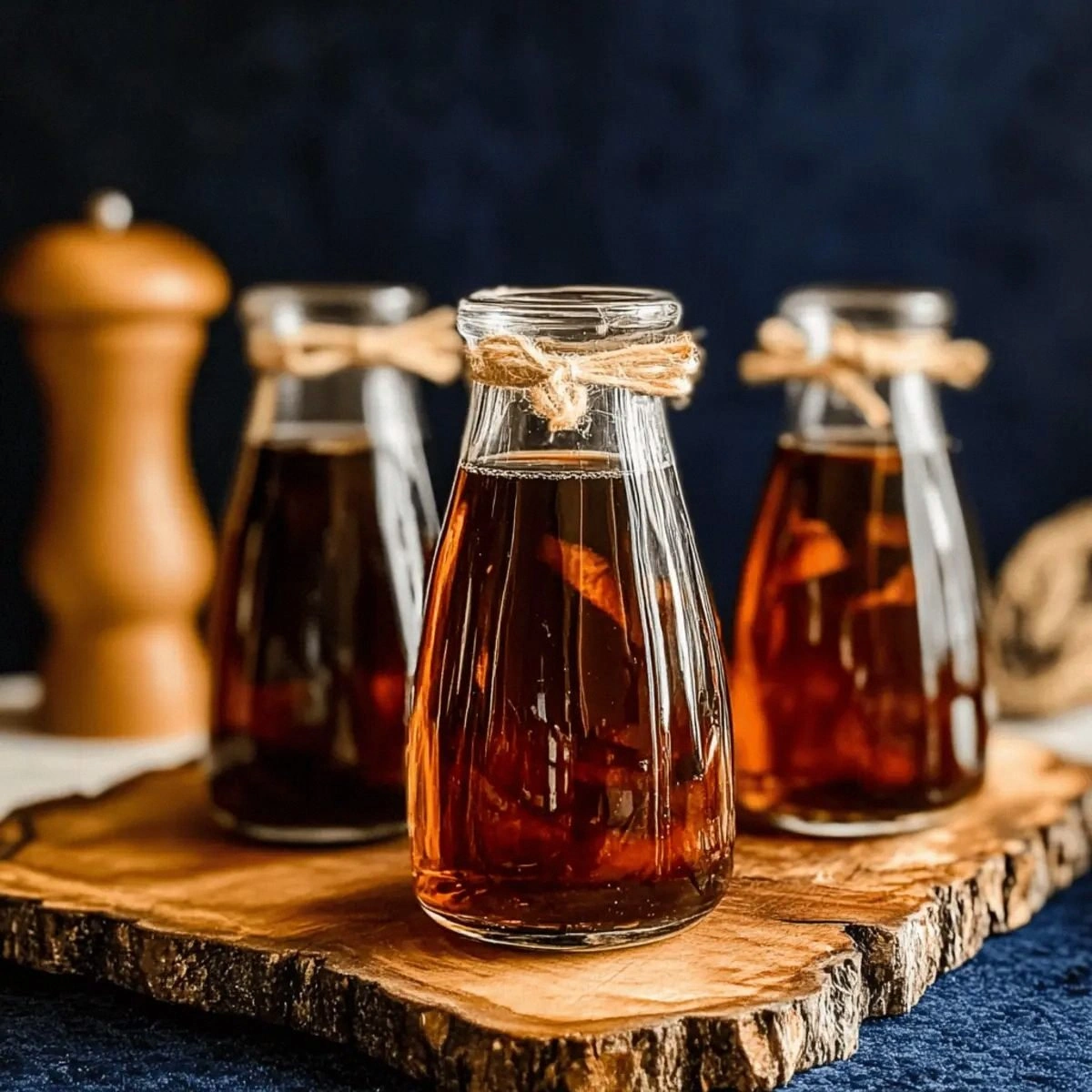
Hot honey is the star of this dish. Its golden hue and silky texture coat the chicken, delivering a sweet heat that melts into the meat. Without it, the sauce would be flat, lacking that signature “sticky‑sweet” punch that makes the dish memorable. If you can’t find hot honey, substitute a mixture of honey and a pinch of cayenne pepper, but the flavor won’t be as complex.
Low‑sodium soy sauce provides umami depth and a subtle saltiness that balances the sweetness. It also helps in the caramelization process by adding a hint of depth. Skipping soy sauce will result in a less rounded flavor profile and a less glossy glaze.
Fresh lime juice adds brightness and a citrusy cut that prevents the honey from feeling too heavy. The acidity also helps tenderize the chicken during the cooking process. If lime isn’t available, a splash of rice vinegar or white wine vinegar can work as a last resort.
The Texture Crew
Olive oil is used to sauté the garlic and chicken, creating a golden sear that locks in juices. It also helps the honey glaze adhere evenly. A neutral oil like canola or avocado can replace olive oil if you prefer a milder flavor.
Mixed vegetables—think bell peppers, carrots, and snap peas—add crunch and color. They also absorb the sauce, making every bite a burst of flavor. If you’re craving a different vegetable, zucchini or broccoli florets work just as well.
Rice or quinoa serves as the base that soaks up the sauce. Quinoa adds a nutty undertone, while rice offers a neutral canvas. Both are quick to cook, ensuring the bowl stays under the 45‑minute mark.
The Unexpected Star
Garlic cloves, minced finely, release a potent aroma that permeates the sauce. They’re essential for depth; skipping them will leave the dish feeling one‑dimensional. If you’re not a fan of raw garlic, lightly sauté it until fragrant before adding the honey.
The Final Flourish
Salt and pepper are the final seasoning touches that bring everything together. They’re added at the end to taste, so adjust them as you see fit. Remember, the soy sauce already contributes salt, so be cautious not to over‑season.
Everything’s prepped? Good. Let’s get into the real action…
The Method — Step by Step
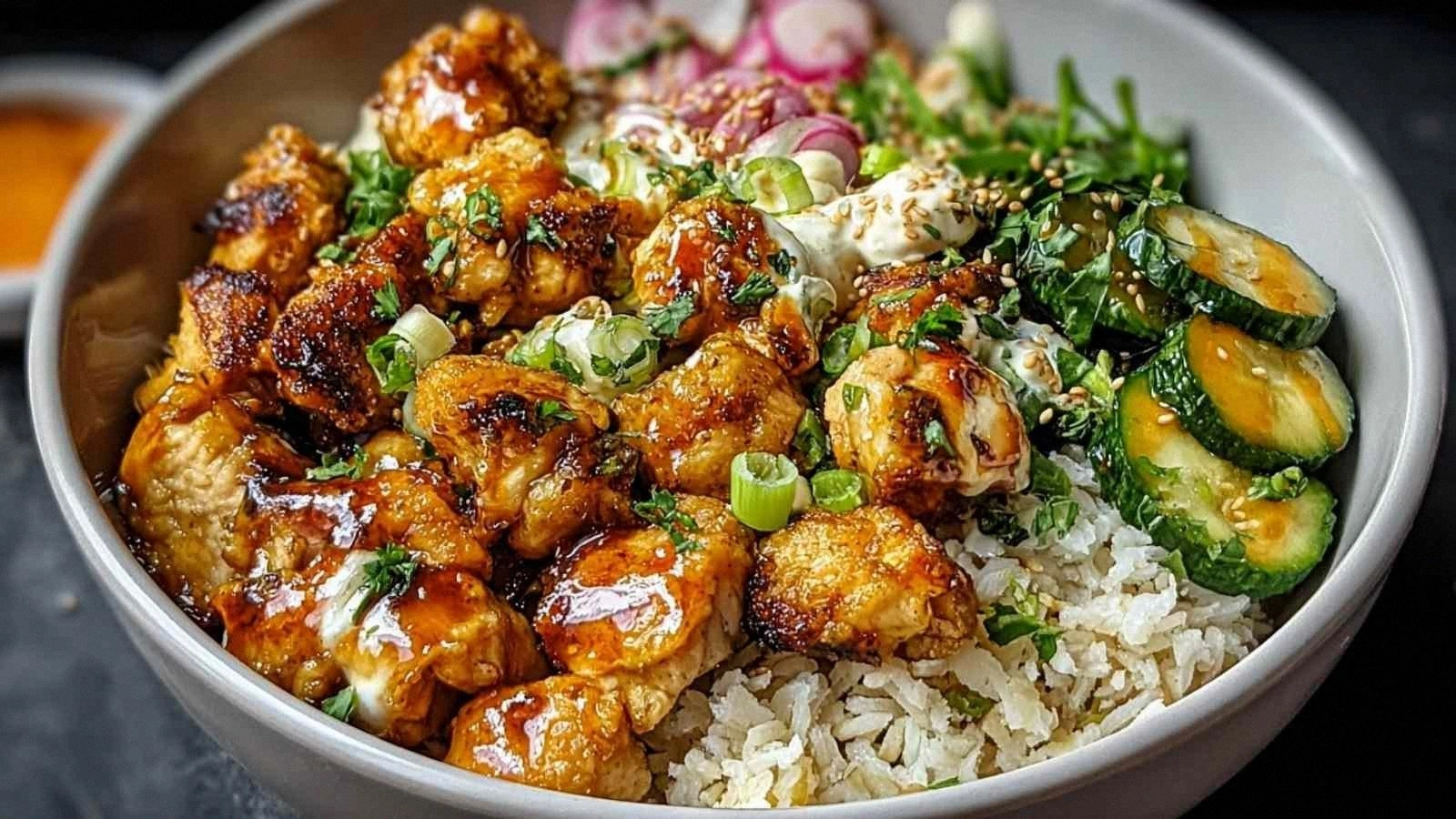
- Start by cutting the chicken breasts into bite‑size cubes. Season each piece lightly with salt and pepper. This step is critical because the seasoning will form a savory crust during searing. I usually toss the chicken in a bowl and shake it until every cube is coated.
- Heat a large skillet over medium‑high heat and add the olive oil. When the oil shimmers, add the garlic and sauté for 30 seconds until fragrant. The garlic should release a deep aroma without turning brown. This aroma will be the foundation of the sauce.
- Add the chicken cubes in a single layer, letting them sear without crowding. Cook for 3–4 minutes on each side until they develop a caramelized crust. The key is to let the surface brown; if you stir too often, the chicken will steam rather than sear.
- Pour in the hot honey, soy sauce, and lime juice, swirling the pan to coat the chicken. Let the sauce simmer for 2 minutes, watching for bubbles. The honey will start to thicken, creating a glossy glaze that clings to the meat.
- Add the mixed vegetables and stir to combine. Cook for another 3–4 minutes until the veggies are tender yet still crisp. The vegetables will absorb the sauce, turning them into a vibrant, flavorful side.
- Reduce the heat to medium and let everything simmer for an additional 2 minutes. This step allows the flavors to meld and the sauce to thicken further. The chicken should still be juicy, not dry.
- Taste the sauce and adjust seasoning—add more salt, pepper, or lime if needed. The goal is a balanced, well‑seasoned glaze that’s not overly sweet.
- Serve immediately over a bed of cooked rice or quinoa. Spoon the sauce and vegetables over the grains, ensuring every bite is coated.
- Garnish with sliced green onions or a sprinkle of toasted sesame seeds for a final pop of color and crunch. A drizzle of extra hot honey on top adds a glossy finish.
That’s it—you did it. But hold on, I’ve got a few more tricks that will take this to another level…
Insider Tricks for Flawless Results
The Temperature Rule Nobody Follows
Many chefs skip the searing step, thinking the sauce will cook the chicken. That’s a mistake. Searing creates a Maillard reaction that adds depth and prevents the chicken from becoming rubbery. I’ve seen dishes that look great but taste bland because they were over‑cooked without a sear.
Why Your Nose Knows Best
During the simmer, keep an eye on the aroma. A sweet, caramelized scent indicates the honey is caramelizing properly. If it smells burnt, reduce the heat immediately. Your nose is a reliable guide to avoid that bitter aftertaste.
The 5‑Minute Rest That Changes Everything
After cooking, let the bowl rest for 5 minutes before serving. The rest allows the sauce to settle and the flavors to marry. I’ve had friends say the dish tastes better after a short pause—trust me, it’s worth the wait.
Use a Cast‑Iron Skillet for a Crispy Finish
Cast‑iron retains heat better than stainless steel, giving the chicken a crispier exterior. The even heat also reduces the risk of burning the honey. I’ve used this trick in every batch and it never fails.
Serve with a Side of Pickled Ginger
Adding a small spoonful of pickled ginger on the side gives a fresh, sharp contrast to the sweet sauce. It’s a subtle nod to Asian cuisine and elevates the dish’s complexity.
Keep the Veggies Fresh
Stir‑fry the vegetables just until they’re bright and slightly crisp. Overcooking turns them mushy and dilutes the sauce. A quick 3‑minute stir keeps them vibrant and adds texture.
Creative Twists and Variations
This recipe is a playground. Here are some of my favorite ways to switch things up:
Pineapple Paradise
Add chunks of fresh pineapple during the last minute of cooking for a tropical twist. The natural sweetness of pineapple complements the hot honey and gives a subtle zing that pairs well with the lime.
Spicy Sriracha Splash
Stir in a tablespoon of sriracha for an extra kick. This variation transforms the dish into a bold, fiery bowl that’s perfect for heat lovers.
Vegetarian Tofu Version
Replace the chicken with cubed tofu and pan‑fry until golden. The tofu absorbs the sauce beautifully, and the result is a hearty, plant‑based meal.
Quinoa Power Bowl
Swap rice for quinoa for a protein boost. The nutty flavor of quinoa pairs wonderfully with the sweet‑spicy glaze.
Asian Noodle Twist
Serve the chicken and sauce over soba or udon noodles instead of rice. The chewy noodles soak up the glaze and add a satisfying bite.
Garlic Butter Finish
Finish the dish with a pat of garlic butter right before serving. The butter adds richness and a silky texture that makes the bowl feel indulgent.
Storing and Bringing It Back to Life
Fridge Storage
Store the assembled bowl in an airtight container for up to 3 days. Keep the sauce separate if you prefer to reheat the chicken and veggies separately. When ready to eat, reheat in the microwave for 2 minutes, stirring halfway.
Freezer Friendly
Freeze individual portions in freezer‑safe bags for up to 2 months. Thaw overnight in the fridge and reheat as described above. The sauce may separate; give it a quick stir before serving.
Best Reheating Method
For the best texture, reheat on the stovetop. Warm a skillet over medium heat, add the bowl, and stir until hot. Add a splash of water or broth to keep the sauce from drying out.