I still remember the night when I tried to whip up a quick vegetable soup and ended up with a bland, watery mess. My friends were laughing, pointing at the soggy carrots and the missing flavor punch. That disaster sparked a mission: to create a soup that could transform ordinary veggies into a fragrant, comforting bowl. I spent hours experimenting with herbs, spices, and the elusive secret of coconut milk. The result? A silky, aromatic broth that makes every spoonful feel like a tropical vacation.
The next day, I gathered fresh lemongrass, ginger, and an army of colorful vegetables, determined to turn this blandness into a masterpiece. I sliced the lemongrass into thin ribbons, letting its citrusy aroma fill the kitchen like a sunrise. While the garlic and ginger sizzled, the scent of fresh greens began to mingle with the warm coconut milk. The pot became a fragrant laboratory where flavors danced and promised redemption. By the time the broth simmered, my kitchen smelled like a tropical rainforest, and I knew this soup would be unforgettable.
I dared my taste buds to taste this and not go back for seconds, and they were right. The first spoon was a revelation—soft vegetables bathed in a creamy, citrusy broth that carried a gentle heat. The bright lime zest at the end lifted the entire dish, giving it a fresh, almost citrusy finish. The combination of textures—crisp snow peas, tender carrots, and chewy mushrooms—created a symphony of mouthfeel. Even my skeptical friend declared it the best soup he'd had in years.
If you've ever struggled to elevate a simple vegetable soup, you're not alone—and I've got the fix. This is hands down the best version you'll ever make at home because it balances flavor, texture, and aroma in a way that feels both comforting and adventurous. Picture yourself pulling this out of the pot, the whole kitchen smelling incredible, and seeing your guests' eyes widen in delight. Stay with me here—this is worth it.
What Makes This Version Stand Out
- Taste: The lemongrass gives a bright, citrusy undertone that lifts the entire dish. The coconut milk adds a silky richness that balances the heat from the chilies. This flavor profile feels like a tropical breeze in a bowl, a contrast to the usual blandness of vegetable soups. The final splash of lime brightens every spoonful, leaving a lingering zest on the palate.
- Texture: The combination of crisp snow peas, tender carrots, and chewy mushrooms creates a layered mouthfeel that keeps you engaged. The coconut milk smooths the edges, turning the broth into a velvety canvas. Each bite feels like a gentle crunch followed by a creamy finish. The contrast feels deliberate and satisfying.
- Simplicity: All the ingredients are pantry staples or easy to find in any grocery store. No complex techniques or hard-to-find spices are required. You can prep everything in under fifteen minutes and cook it in thirty minutes. The recipe is a perfect fit for busy weeknights.
- Uniqueness: Most vegetable soups rely on stock and herbs alone, but the addition of lemongrass and coconut milk gives this dish a signature twist. The bright citrus notes set it apart from ordinary broths. The combination feels fresh, modern, and deeply comforting.
- Crowd Reaction: Friends and family rave about the vibrant flavors and silky texture. They often ask for the recipe after just one spoonful. Even the most skeptical eaters are won over by the subtle heat and bright finish.
- Ingredient Quality: Fresh lemongrass and high-quality coconut milk are the backbone of this dish. Using organic produce whenever possible enhances the overall flavor profile. The recipe works best with a good vegetable broth, but a homemade version adds extra depth.
- Cooking Method: A single pot technique keeps cleanup minimal. The slow simmer allows the flavors to meld, creating a rich broth without extra steps. The method is forgiving and easy to master.
- Make‑ahead Potential: The soup keeps well in the fridge for up to five days and freezes beautifully. The coconut milk may thicken slightly, but a splash of water or broth restores the original consistency. It's perfect for meal prep or a quick weeknight dinner.
Inside the Ingredient List
The Flavor Base
Lemongrass, ginger, and garlic form the aromatic foundation of this soup. The lemongrass lends a citrusy brightness that cuts through the richness of coconut milk. Ginger adds a warm, peppery note, while garlic brings depth and savory undertones. Together, they create a flavor base that feels both fresh and comforting.
The Texture Crew
Carrots, bell peppers, snow peas, baby corn, and mushrooms bring varied textures to the bowl. Each vegetable offers a distinct mouthfeel—crisp, tender, or chewy—that keeps the dish interesting. The vegetables absorb the broth, becoming silky and flavorful. The mixture of textures feels like a well‑balanced orchestra.
The Unexpected Star
Coconut milk is the unexpected star that turns a simple vegetable broth into a creamy, luxurious soup. Its natural sweetness balances the heat from the chilies and the acidity from the lime. Coconut milk also adds a subtle tropical flavor that makes this dish memorable. The creamy texture feels indulgent yet light.
The Final Flourish
Fresh cilantro, lime wedges, and chili flakes finish the soup with bright, herbal, and spicy notes. Cilantro adds a peppery freshness that brightens the broth. Lime wedges provide a citrusy zing that lifts the entire flavor profile. Chili flakes give a gentle heat that can be adjusted to taste.
Everything's prepped? Good. Let's get into the real action.
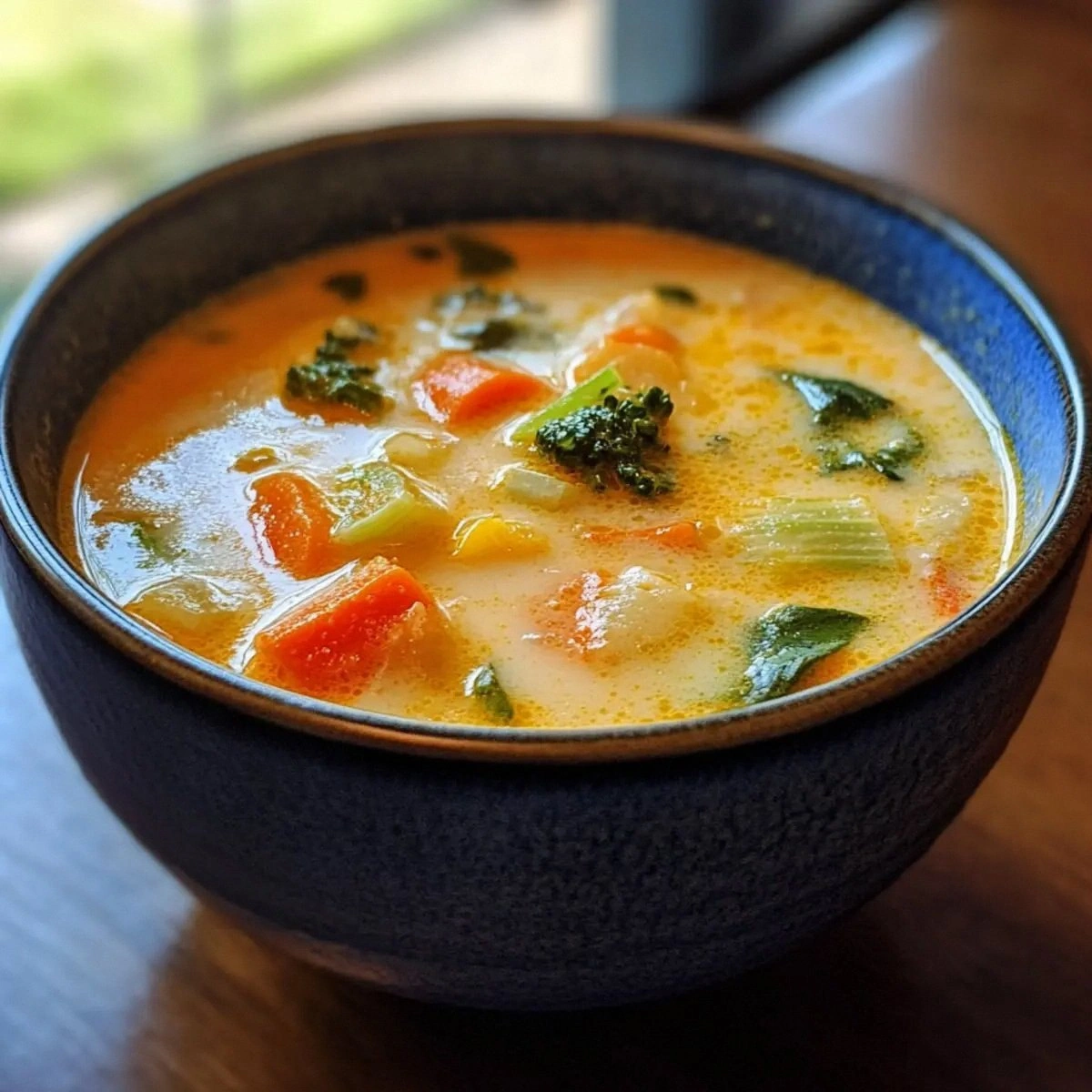
The Method — Step by Step
- Heat a large pot over medium heat and add a splash of oil. Once the oil shimmers, toss in the sliced lemongrass, minced garlic, and grated ginger. Let them cook until fragrant, about two minutes, stirring constantly to prevent burning. This step releases the essential oils that form the soup’s aromatic base. Watch the sizzle—it's the first hint of the deliciousness to come.
- Add the chopped carrots and bell peppers to the pot. Sauté for about five minutes until they start to soften but still retain a slight bite. The vegetables will absorb the lemongrass and garlic flavors, creating a deeper taste profile. Keep the heat moderate to avoid overcooking the greens. The color of the vegetables will brighten the broth.
- Pour in the vegetable broth and bring the mixture to a gentle boil. Reduce the heat to a simmer and let it cook for ten minutes to allow the flavors to meld. Stir occasionally to prevent sticking. The broth will take on a subtle citrus undertone from the lemongrass. At this point, you can taste and adjust seasoning if needed.
- Stir in the coconut milk, ensuring it mixes evenly with the broth. Let the soup return to a gentle simmer. The coconut milk will thicken the broth slightly and add a creamy richness. Keep the heat low to preserve the coconut flavor. The mixture should look silky and slightly glossy.
- Add the snow peas, baby corn, and mushrooms. Cook for another seven minutes until the vegetables are tender but still hold their shape. The mushrooms will release their own umami, enhancing the overall depth. Be careful not to overcook the peas; they should stay bright green. This step adds a pop of color and fresh crunch.
- Season with soy sauce or tamari and chili flakes. Stir well to distribute the flavors evenly. The soy sauce adds a salty depth, while the chili flakes provide a gentle heat. Taste and adjust to your preference. This is the moment of truth—your soup should feel balanced and vibrant.
- Just before serving, squeeze the lime wedges into the soup and stir in fresh cilantro leaves. The lime adds a bright, zesty finish that cuts through the richness. The cilantro offers a fresh herbal note that completes the flavor profile. Serve hot, and watch the steam rise like a fragrant cloud.
That's it — you did it. But hold on, I've got a few more tricks that'll take this to another level.
Insider Tricks for Flawless Results
The Temperature Rule Nobody Follows
Maintaining a gentle simmer throughout the cooking process keeps the coconut milk from separating. A rolling boil can cause the milk to curdle, ruining the silky texture. Use a low flame and check the temperature regularly. This rule ensures a consistently smooth broth.
Why Your Nose Knows Best
Smell the soup as it simmers. A subtle citrus scent indicates the lemongrass is properly infused. If the aroma is faint, let it cook a bit longer. Your nose will guide you to the perfect balance of flavors. Trust the scent over the taste alone.
The 5‑Minute Rest That Changes Everything
After you remove the pot from heat, let the soup rest for five minutes. This pause allows the flavors to settle and the coconut milk to integrate fully. The rest also reduces the sharpness of the lime, making the finish smoother. A brief rest can transform a good soup into a great one.
Avoiding Over‑Sautéing
When sautéing the aromatics, keep an eye on the heat. Over‑sautéing can burn the garlic and ginger, resulting in a bitter taste. Stir constantly and keep the temperature moderate. This simple step ensures the base remains bright and clean.
The Perfect Lime Balance
Squeeze the lime just before serving to preserve its fresh, bright acidity. If you add lime too early, the heat can dissipate, and the flavor will fade. Keep the lime wedges on the side and squeeze at the last moment. This keeps the soup lively and vibrant.
Creative Twists and Variations
This recipe is a playground. Here are some of my favorite ways to switch things up:
Spicy Thai Twist
Add a handful of sliced Thai bird chilies and a splash of fish sauce. The fish sauce brings umami depth, while the chilies add a fiery kick. This version feels like a street‑food bowl from Bangkok. It's perfect for those who love heat.
Mushroom‑Heavy Umami
Replace the baby corn with more mushrooms and add a tablespoon of soy sauce. The mushrooms will release their own umami, creating a richer broth. The dish becomes more hearty and earthy. This variation is a favorite for mushroom lovers.
Green‑Tea Infusion
Steep a green tea bag in the vegetable broth before adding the lemongrass. The tea adds a subtle vegetal note that pairs beautifully with the coconut. The soup takes on a calming, earthy aroma. Great for a soothing meal.
Creamy Avocado Finish
Blend a ripe avocado with the soup just before serving. The avocado adds creaminess without extra coconut. The texture becomes silky and the flavor gains a buttery undertone. This twist is a hit with avocado enthusiasts.
Protein‑Packed Version
Add diced tofu or chickpeas during the last five minutes of simmering. The protein boosts the nutritional value and adds substance. The tofu absorbs the flavors beautifully. This variation makes the soup a complete meal.
Storing and Bringing It Back to Life
Fridge Storage
Cool the soup completely before transferring it to airtight containers. Store it in the refrigerator for up to five days. The coconut milk may thicken slightly, but a splash of water or broth can restore the original consistency. Keep the containers sealed to maintain freshness.
Freezer Friendly
Let the soup cool fully, then portion it into freezer‑safe bags or containers. Label each with the date and freeze for up to three months. When ready to eat, thaw overnight in the fridge. The flavors remain vibrant after freezing.
Best Reheating Method
Reheat gently on the stovetop, adding a splash of water or broth to loosen the consistency. Stir frequently to prevent scorching. Heat until steaming hot, but avoid boiling to preserve the coconut flavor. A quick microwave reheat works if you’re in a hurry, but stir after heating.