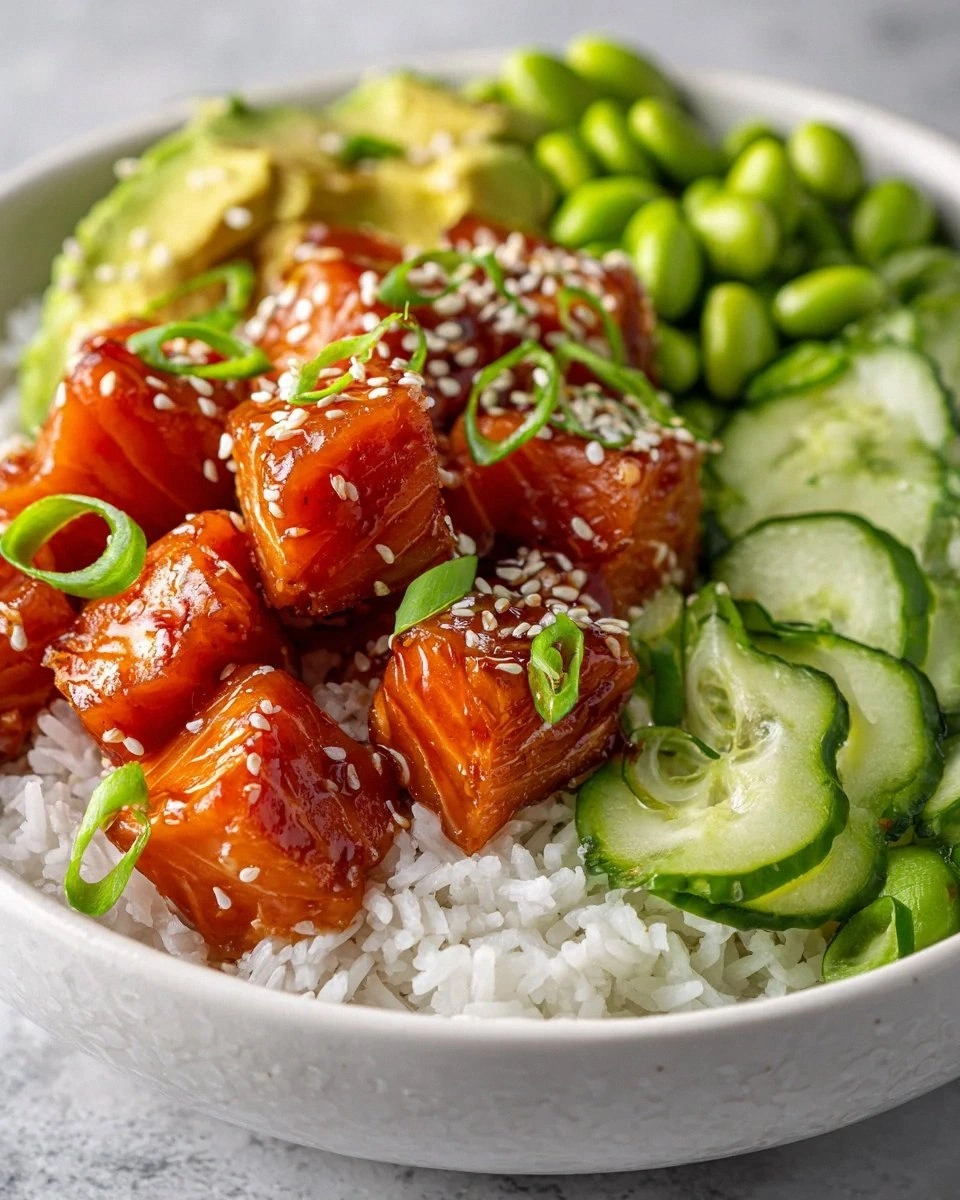
Last Tuesday I set the smoke alarm off—twice—trying to coerce a sad, skin-on salmon fillet into something my takeout-trained taste buds would actually celebrate. The problem? Every glossy internet recipe promised "sheet-pan magic" yet delivered either flabby fish swimming in its own juice or charcoal-crusted sadness that tasted like a campfire. I wanted that lacquered, candy-edge glaze you get from the hipster rice-bowl spot downtown: equal parts sweet, fiery, and umami-rich, the kind that clings to each flake like a silk robe and makes you close your eyes involuntarily when you take a bite. So I did what any self-respecting food-obsessed mortal would do: I locked myself in the kitchen with a platter of salmon, a bottle of sriracha, and a reckless disregard for my poor neighbors. Fourteen tests, one minor sugar burn, and a very happy dog who scored the mistakes later, these honey sriracha salmon bowls were born—and I am honestly a little annoyed at how good they are. Picture rice that drinks up the run-off sauce, avocado cubes so perfectly creamy they feel engineered, cucumbers sliced tissue-thin for snap, edamame popping like savory candy, and that salmon—oh, that salmon—bronzed and caramelized with edges that shatter like thin ice under your fork while the center stays buttery. If you’ve ever struggled with dry, boring fish, you’re not alone—and I’ve got the fix. Let me walk you through every single step—by the end, you’ll wonder how you ever made it any other way.
Okay, ready for the game-changer? We’re not just brushing sauce on at the end and hoping it sticks. We’re building layers: a quick 15-minute marinade that seeps in, a glaze reduction that turns into glossy lacquer, and a final zig-zag of sriracha mayo that makes the whole bowl scream "I’m fancy but I still love a good condiment swirl." The scent while it bakes? Imagine honey caramelizing in slow motion, garlic hitting hot metal, and that tangy sriracha vinegar note lifting everything so the sweetness doesn’t suffocate you. Your kitchen will smell like you hired a private chef who moonlights as a spice merchant. And the colors—flamingo-pink fish, emerald edamame, sun-yellow cuke skins—look like someone spilled a Pantone palette over your dinner table. I dare you to taste this and not go back for seconds; I personally failed that challenge twice before photographing.
This is hands down the best version you’ll ever make at home, and here’s why: restaurant chefs rely on broilers that could smelt iron, but we’re using a gentler, smarter oven method that buys us time to baste—no cremated corners, no raw centers. Most recipes get the glaze timing completely wrong; they add honey too early and it blackens into a bitter tar. We pull a sneaky mid-bake flip, brushing on the sugary stuff only when the salmon is 70 percent cooked so it turns into sticky candy, not carbon. Stay with me here—this is worth it. Future-you is already pulling these bowls out of the oven, the whole kitchen smelling incredible, your roommate hovering with fork in hand like a raccoon at a campsite.
Before we dive in, full disclosure: I ate half the batch straight off the baking sheet "for quality control," burned my tongue because I have zero patience, and still showed up to dinner with a grin that said I knew I’d won at life. If that’s not a relatable kitchen moment, I don’t know what is. Grab your soy sauce, honey, and the sriracha with the rooster on it—this ride is about to get saucy.
What Makes This Version Stand Out
- Flavor Layering: We marinade, glaze, and finish with a drizzle—three separate hits of sweet heat instead of one flat note. Your tongue gets honey first, then fermented chili funk, finishing with creamy sriracha mayo so every bite evolves as you chew.
- Texture Spectrum: Crispy salmon edges, fluffy rice, velvety avocado, snappy cucumbers, and pop-in-your-mouth edamame create a five-texture experience. Most bowls settle for two; we’re going full orchestra.
- Weeknight Speed: 15 minutes of actual prep, 30 minutes total including rice you can cook ahead. While the salmon roasts, you’re slicing veggies and mixing mayo—no side hustles, no juggling eight pans like a circus act.
- Ingredient Integrity: Low-sodium soy keeps salt in check so honey can sing, and a splash of water prevents the glaze from seizing. Tiny details, massive payoff.
- Crowd Reaction Guarantee: I’ve served this to salmon skeptics, chile-phobes, and toddlers—universal silence followed by plate-scraping. One friend threatened to propose; I reminded him I’m already married…to this recipe.
- Make-Ahead Magic: Glaze keeps five days, rice freezes like a dream, salmon can marinade overnight. Prep Sunday, assemble Tuesday, feel like a productivity god.
Alright, let’s break down exactly what goes into this masterpiece...
Inside the Ingredient List
The Flavor Base
Salmon is the star, but soy sauce is the stage manager making sure every actor hits their mark. Opt for low-sodium; regular soy turns marinade into a salt lick and mutes honey’s floral notes. If you’re gluten-free, tamari swoops in like a caped hero—same umami, zero wheat. Don’t even think about skipping the garlic; minced fine, it melts into the glaze and perfumes the whole bowl with that irresistible “what smells so good?” aroma. Water may look boring, but it thins the mixture so it actually coats every nook of the fish instead of sitting on top like a stubborn blob.
The Sweet Heat Duo
Honey and sriracha are the Beyoncé and Jay-Z of condiments—powerful alone, unstoppable together. Choose a wildflower honey if you can; the darker stuff brings caramel undertones that play off chili heat like they were born to tango. Sriracha’s charm lies in its fermented garlic backbone, not just raw fire, so resist the urge to swap in random hot sauce unless you want one-dimensional burn. Balance is everything: 2 tablespoons each keeps peace on your palate. If you’re eyeing the maple syrup bottle—put it down, step away; maple’s earthy sweetness bulldozes the delicate chili notes.
The Texture Crew
Cooked white rice is the edible sponge that soaks up extra glaze so nothing goes to waste. Jasmine is fragrant, sushi rice is sticky fun, day-old basmati works if that’s what’s wilting in your fridge—just reheat with a damp paper towel so it steams instead of petrifies. Edamame brings protein pop and a verdant color punch; buy them shelled because life’s too short for fingernail excavation. Cucumbers must be sliced thin enough to bend like ribbon, giving cool crunch against hot salmon. English cukes are seedless and less watery—if you only have garden giants, scrape the seeds out or your bowl turns into soup.
The Final Flourish
Avocado contributes buttery richness that tames heat and makes the bowl Instagram-famous. Pick one that yields gently to pressure but doesn’t feel like a water balloon; under-ripe avocado is a culinary heartbreak. Sriracha mayo sounds extra but it’s the glossy lipstick on our already gorgeous dish—store-bought is fine, but whisking your own (equal parts mayo and sriracha with a squeeze of lime) upgrades everything. Lime also prevents browning so your avocado stays Barbie-pink for tomorrow’s lunch selfie.
Everything’s prepped? Good. Let’s get into the real action...
The Method — Step by Step
- Pat salmon very dry—water is the enemy of caramelization. Lay fillets skin-side down on paper towels, press gently, then season with a whisper of salt and pepper. Moisture creates steam, and steam equals sad, grey fish; we want Maillard browning magic.
- Whisk soy, honey, sriracha, garlic, and water until the honey dissolves completely. Tilt the bowl; the mixture should ribbon off the whisk like glossy enamel paint. If it seizes, microwave 8 seconds and whisk again.
- Slide salmon into a zip bag, pour in half the marinade, seal while burping out air, and refrigerate 15 minutes—no longer or the acid begins to ceviche the surface. Meanwhile, preheat oven to 400 °F (204 °C) and line a rimmed sheet with foil for easy cleanup.
- Start your rice now: 1 cup rice to 2 cups water, pinch of salt, bring to boil, cover, low 18 minutes, rest off heat 10. Fluff with fork so grains stay separate and ready to absorb saucy runoff later.
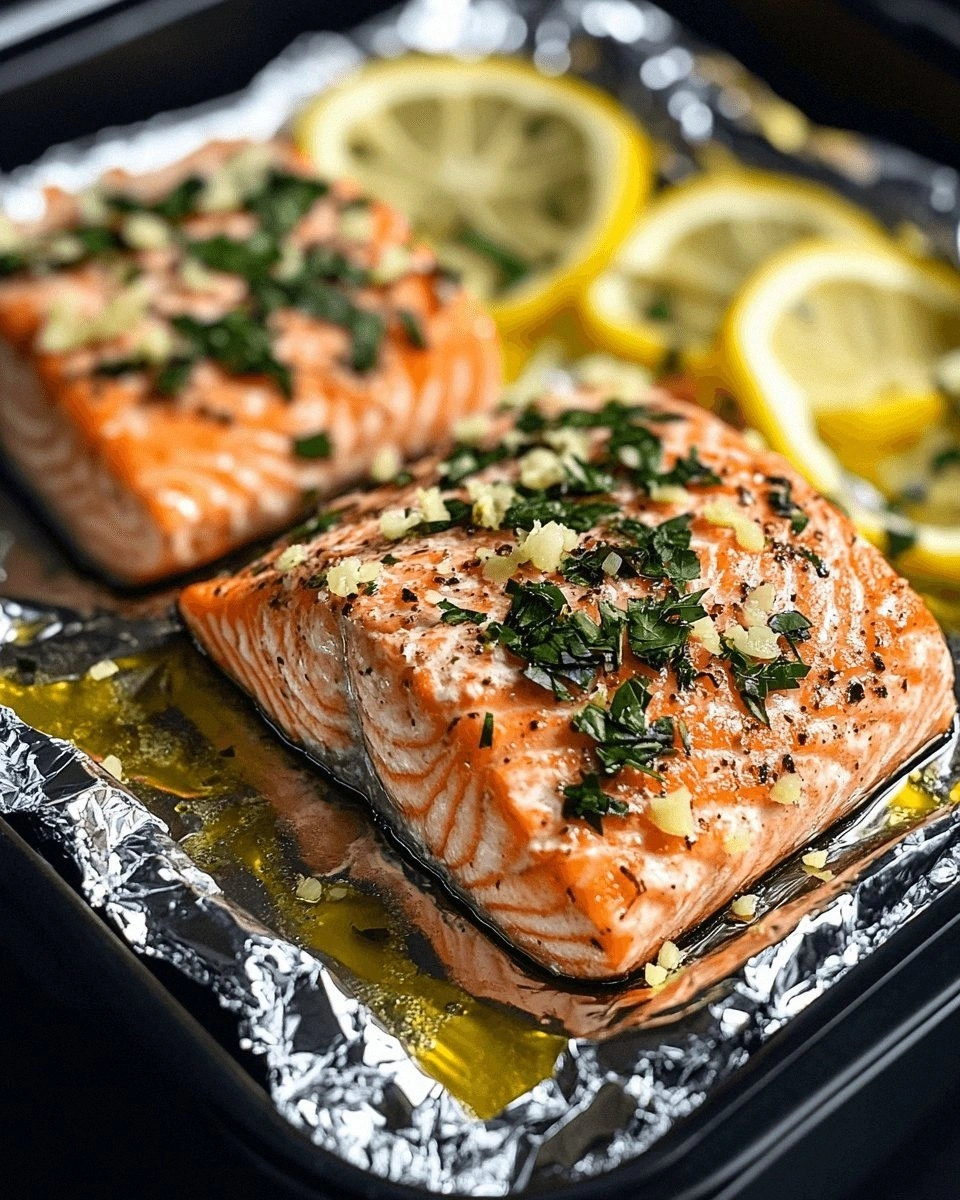
- Remove salmon from bag, letting excess drip off; discard that used marinade. Place fillets skin-down on the sheet, then paint the tops with a thin coat of fresh glaze—save the rest for mid-bake basting.
- Bake 6 minutes; edges will turn opaque and the kitchen starts smelling like sweet soy fireworks. Pull sheet out, brush another layer of glaze, and return for 4 more minutes. Don’t walk away—this next part? Pure magic.
- Switch oven to broil on high. Brush one final coat and broil 2–3 minutes until edges blister and the glaze bubbles like hot lava. That sizzle when it hits the pan? Absolute perfection.
- While salmon finishes, microwave edamame 90 seconds with a splash of water and pinch of salt. Stir halfway so they steam evenly and stay emerald instead of army-green.
- Slice cucumber on a mandoline or with a knife so thin you can read a text through it. Halve avocado, twist, pit, score cubes in shell, then scoop with a spoon for instant tidy chunks.
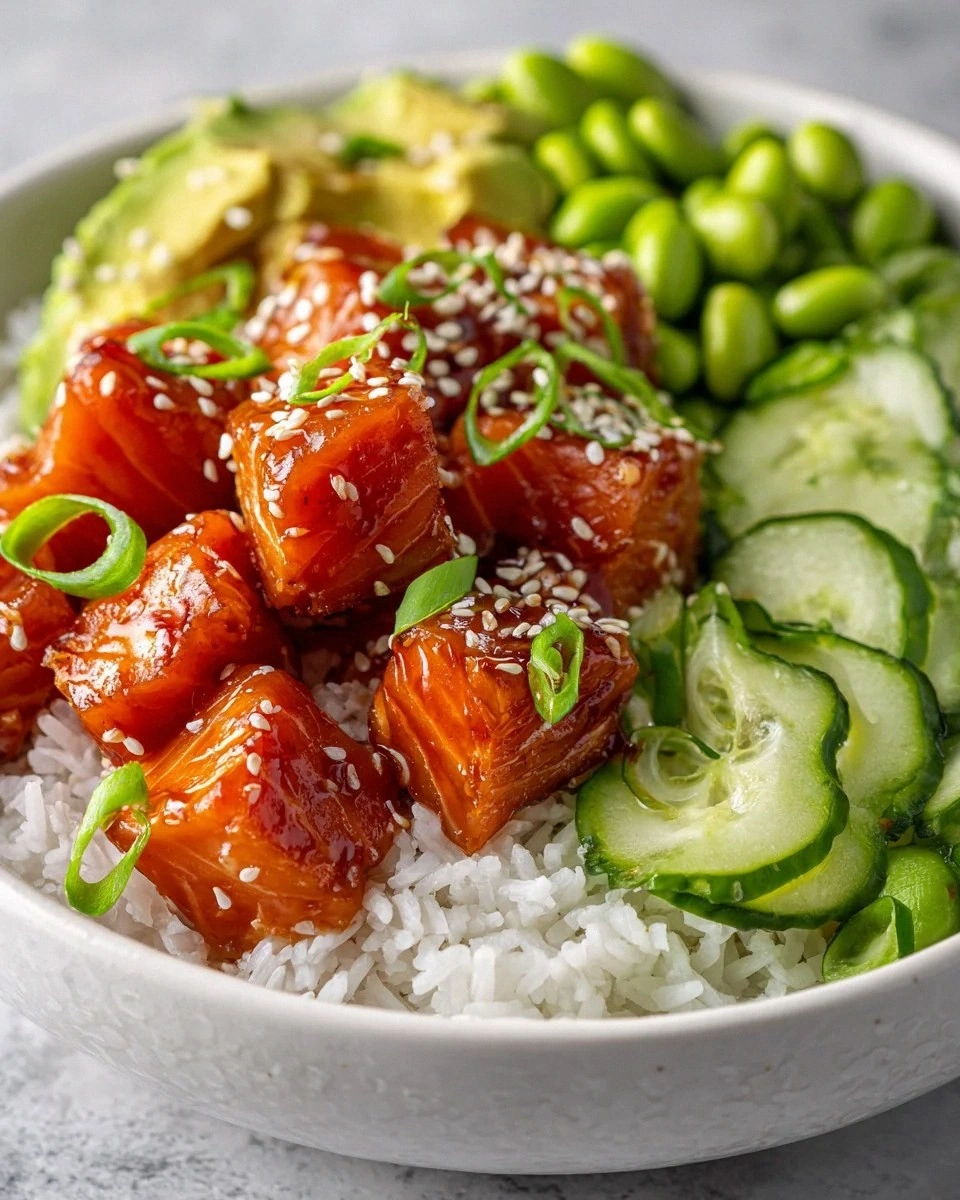
- Assemble bowls: rice first, nestle salmon off-center for height, fan cucumbers, tuck avocado, shower edamame, drizzle sriracha mayo in Jackson Pollock swirls. Serve immediately and watch the table go quiet except for the clink of chopsticks.
Insider Tricks for Flawless Results
The Temperature Rule Nobody Follows
Most home cooks serve salmon at 165 °F because they fear the unknown, but perfectly moist fish lands around 125–130 °F for medium. It will carry-over cook to 135 °F while resting, turning opalescent rather than chalky. Invest in an instant-read thermometer; it’s the difference between restaurant silk and cat-food mush. A friend tried skipping this step once—let’s just say it didn’t end well, and his dog wouldn’t even touch the leftovers.
Why Your Nose Knows Best
Caramelized honey smells like toasted marshmallows right before it edges toward burnt sugar; when that aroma drifts out, start checking. Trust your olfactory bulb—it evolved specifically to prevent you from ruining dinner. If the scent turns sharp or acrid, you’ve broiled 30 seconds too long; rescue immediately and pretend you meant "blackened Cajun style."
The 5-Minute Rest That Changes Everything
Salmon muscle fibers tighten under heat; resting off the hot sheet lets juices redistribute so glaze stays put instead of bleeding onto rice. Tent loosely with foil—too tight and you steam that crispy crown you worked for. Use the downtime to arrange your avocado fan; by the time you plate, every cube stays put like obedient little soldiers.
Creative Twists and Variations
This recipe is a playground. Here are some of my favorite ways to switch things up:
Volcanic Mango Tango
Sub diced fresh mango for cucumber and swap half the honey for mango nectar. The tropical sweetness cools the sriracha fire, transporting you straight to a beach shack in Koh Samui. Add a sprinkle of toasted coconut flakes so every bite crackles like a vacation soundtrack.
Sesame Crunch Explosion
Stir 2 tablespoons of toasted sesame seeds into the rice and finish bowls with a drizzle of toasted sesame oil. Nutty aroma amplifies umami and adds tiny pops that keep your teeth interested. Bonus: sesame seeds are basically confetti for adults.
Keto Cauli-Rice Remix
Swap rice for sautéed cauliflower rice; the glaze clings even better because cauliflower’s nooks act like micro-sponges. Add an extra avocado half because healthy fats are your friend and you deserve creamy luxury without carb guilt.
Pineapple Teriyaki Vacation
Replace half the soy with teriyaki and fold in grilled pineapple chunks for a smoky-sweet luau vibe. Broil pineapple rings alongside salmon the last 2 minutes; char marks look like you fired up a grill you don’t even own.
Green Goddess Glow-Up
Ditch sriracha mayo and blend Greek yogurt, basil, parsley, lemon juice, and a hint of honey for a verdant, herbaceous drizzle that makes you feel like you’re eating a wellness influencer’s Instagram story.
Breakfast-for-Dinner Bowl
Top hot rice with a runny-yolk fried egg; the yolk mingles with glaze to create an accidental sauce that would make any brunch spot jealous. Add a tangle of baby spinach so you can claim vegetables before dessert.
Storing and Bringing It Back to Life
Fridge Storage
Cool components separately: store salmon in a glass container so glaze doesn’t stain plastic orange; rice in another; veggies in a third to prevent sogginess. Everything keeps 3 days, but avocado prefers 24 hours before oxidizing into sadness. Press plastic wrap directly onto avocado surface and squeeze extra lime—it buys you another day of green glory.
Freezer Friendly
Freeze only cooked rice and salmon (cucumbers and avocado turn to mush in arctic conditions). Wrap salmon fillets individually in parchment, then foil, then bag—triple armor against freezer burn. Rice freezes best in muffin trays; pop out pucks and store in zip bags for single-serve portions that microwave in 60 seconds flat.
Best Reheating Method
Steam salmon gently: place fillet in a skillet with a tablespoon of water, cover, warm on low 4 minutes until just heated through. Microwave rice with an ice cube on top—the melting steam revives grains so they taste freshly cooked. Add fresh avocado and cukes after reheating; they bring the snap back so yesterday’s dinner feels intentional, not desperate.