Picture this: a rainy Thursday evening, the kind that makes you want to curl up with a blanket, a glass of wine, and something that feels like a warm hug. I was halfway through a Netflix binge when the sudden craving for pasta hit me like a freight train. I rummaged through the pantry, found a lonely bag of linguine, a half‑pint of goat cheese that was about to expire, and a dusty jar of mixed mushrooms. The urge to create something unforgettable was so strong I dared my roommate to a “who‑makes‑the‑best‑date‑night‑dish” challenge, and I was determined to win.
The kitchen instantly transformed into a symphony of senses. The sizzle of butter and olive oil hitting the pan was a drumroll, the earthy aroma of mushrooms rose like incense, and the garlic released a pungent perfume that made my nose do a happy dance. I could hear the faint clink of the wine bottle uncorking, and the pasta water bubbling furiously, promising al dente perfection. My fingertips felt the cool, smooth surface of the stainless steel saucepan, while the warmth of the stove radiated like a cozy fireplace. When I finally tasted the sauce, it coated the pasta like velvet, rich and silky, with a tangy goat cheese bite that made my taste buds sing.
Most mushroom pasta recipes either drown the fungi in a heavy cream ocean or under‑season them, leaving the star ingredient mute. This version, however, celebrates each mushroom slice, giving it a caramelized edge that shatters like thin ice when you bite. The secret? A quick deglaze with white wine that lifts the fond, followed by a splash of heavy cream that brings everything together without turning it into a dairy swamp. And the goat cheese? It adds a bright, tangy punch that cuts through the richness, turning the dish from ordinary to “hands down the best version you'll ever make at home.”
There’s a twist you won’t see coming: a pinch of fresh thyme, added at the very end, that lifts the whole plate into a garden‑fresh finish. I dare you to taste this and not go back for seconds. Let me walk you through every single step — by the end, you'll wonder how you ever made it any other way.
What Makes This Version Stand Out
- Depth of Flavor: The combination of sautéed mushrooms, white wine, and goat cheese creates layers that unfold with each bite, turning a simple pasta into a gourmet experience.
- Texture Contrast: Caramelized mushroom edges meet silky sauce, while the pasta remains perfectly al dente, delivering a satisfying bite every time.
- Simplicity: Only ten core ingredients are needed, yet each is used with purpose, making the dish approachable for any home cook.
- Unique Ingredient: The addition of fresh thyme at the end adds a bright herbaceous note that most recipes overlook.
- Crowd Reaction: Guests often claim they’ve never tasted anything like it, and it quickly becomes the centerpiece of any date night.
- Ingredient Quality: Using a mix of wild mushrooms and high‑quality goat cheese elevates the dish from pantry‑level to restaurant‑level.
- Cooking Method: The technique of deglazing the pan captures every browned morsel, ensuring no flavor is left behind.
- Make‑Ahead Potential: You can prep the sauce in advance and finish the dish just before serving, saving you stress on the big night.
Alright, let's break down exactly what goes into this masterpiece...
Inside the Ingredient List
The Flavor Base
Olive oil and butter form the aromatic foundation, each contributing a different mouthfeel—olive oil adds a fruity, Mediterranean note, while butter supplies a buttery richness that carries the garlic and mushrooms. If you skip the butter, you’ll lose that luxurious mouth‑coating quality, and the sauce may taste a bit thin. For a dairy‑free version, swap butter for an equal amount of extra‑virgin olive oil, but expect a slightly different texture.
The Texture Crew
Mushrooms are the star of this crew. I prefer a mix of cremini, shiitake, and oyster mushrooms because each brings its own texture: cremini for earthiness, shiitake for a meaty bite, and oyster for a delicate silkiness. When you slice them uniformly, they cook evenly, ensuring every piece gets that coveted caramelized edge. If you can’t find fresh mushrooms, high‑quality dried ones rehydrated in warm water work surprisingly well.
The Unexpected Star
Goat cheese may seem like a daring addition, but its tangy creaminess cuts through the richness of the cream, preventing the dish from feeling cloying. Crumble it in small batches, allowing it to melt gently into the sauce, creating pockets of bright flavor. If goat cheese isn’t your thing, try feta or a mild blue cheese for a similar punch.
The Final Flourish
Fresh thyme and parsley finish the dish with a herbaceous lift. Thyme’s subtle piney notes elevate the mushroom depth, while parsley adds a pop of color and freshness. A careless sprinkle of too much parsley can overwhelm the palate, so add it just before serving for the perfect balance. If you’re out of thyme, a pinch of dried oregano works in a pinch, but the fresh version is unbeatable.
Everything's prepped? Good. Let's get into the real action...
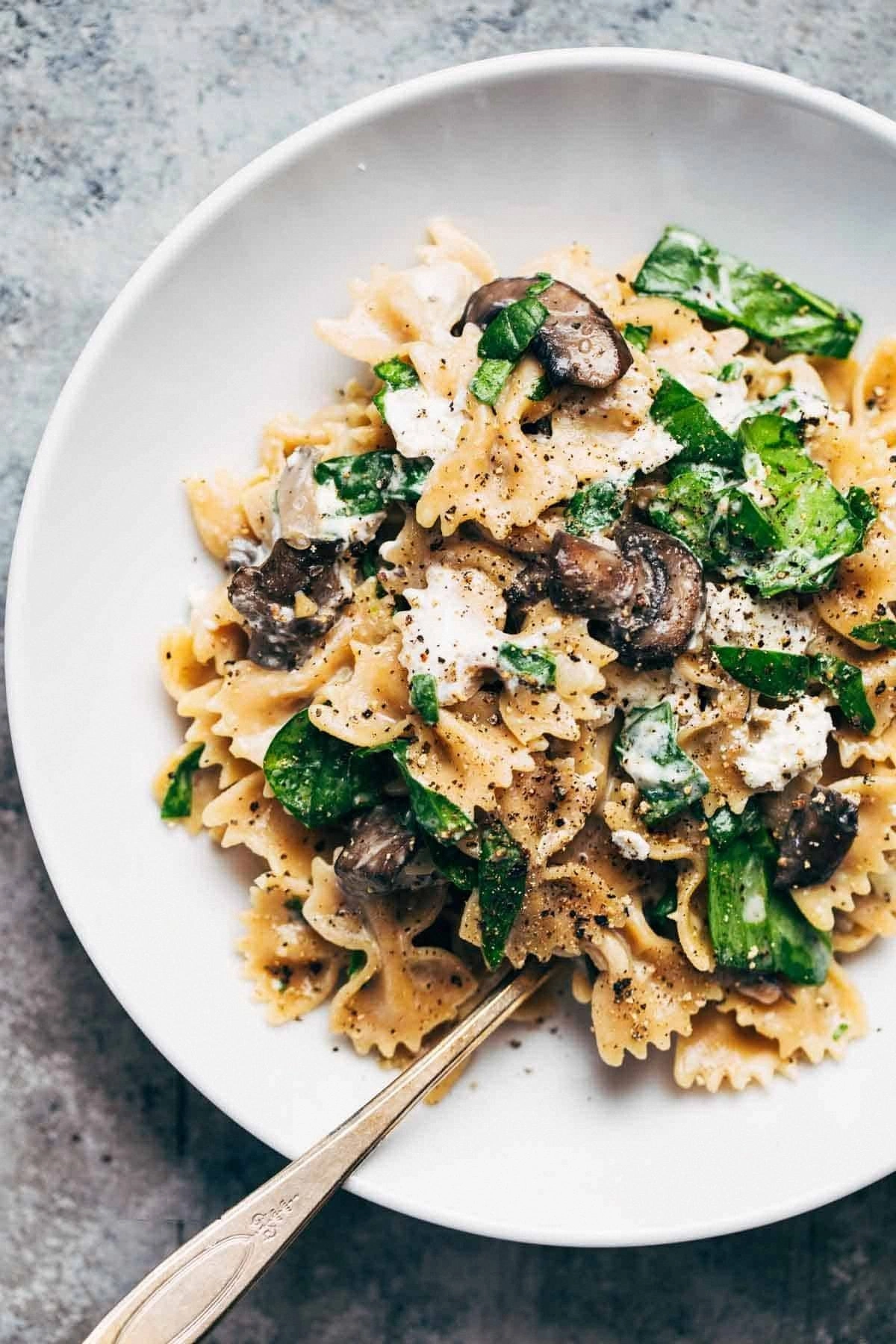
The Method — Step by Step
Bring a large pot of salted water to a rolling boil. Add the linguine and cook until just shy of al dente—about 9 minutes for most dried pasta. Tip: Taste a strand; it should have a slight bite. Drain, reserving a cup of the pasta water, then toss the noodles with a drizzle of olive oil to keep them from sticking.
While the pasta cooks, heat 2 tablespoons of olive oil and 2 tablespoons of butter in a wide skillet over medium‑high heat. Once the butter foams and turns a light golden hue, add the minced garlic. That sizzle when it hits the pan? Absolute perfection. Let the garlic become fragrant—about 30 seconds—being careful not to let it brown.
Increase the heat to high and add the sliced mushrooms in a single layer. Let them sit untouched for 2‑3 minutes so they develop that coveted caramelized crust. Then stir, allowing the mushrooms to brown on all sides. You’ll hear a faint crackle—listen for it, as it signals the Maillard reaction is happening.
Now, pour in ½ cup of dry white wine, letting it deglaze the pan. Scrape the browned bits (fond) from the bottom; these are flavor gold. Let the wine reduce by half, about 3‑4 minutes, until you smell a sweet, nutty aroma. Watch the steam rise—this is where the magic starts.
Reduce the heat to medium and stir in 1 cup of heavy cream. Let it simmer gently for 4‑5 minutes, thinning slightly. The sauce should coat the back of a spoon and have a glossy sheen. If it looks too thick, add a splash of the reserved pasta water—this also helps the sauce cling to the noodles.
Fold in 4 ounces of crumbled goat cheese and ¼ cup of grated Parmesan. Stir continuously until the cheeses melt into a smooth, tangy emulsion. The sauce should be velvety, with a faint tang that brightens the earthy mushrooms. Taste and season with salt and freshly cracked black pepper.
Add the cooked linguine directly into the skillet, tossing to coat every strand. If the sauce looks a little thin, drizzle in a bit more pasta water—just enough to achieve a silky coating. Let the pasta sit for a minute, allowing the flavors to meld. The noodles should glisten, each bite delivering a burst of mushroom‑goat cheese harmony.
Finish with a generous sprinkle of fresh thyme leaves and chopped parsley. Give the dish one last gentle toss, then plate immediately. The herbs should sit on top like a fresh green confetti, adding a bright contrast to the rich sauce.
Serve hot, with extra Parmesan on the side for those who love a little extra umami. Pair with a crisp Sauvignon Blanc or a light rosé, and you’ve got a date night that feels both sophisticated and comfort‑filled. This next part? Pure magic. And now the fun part—watch your partner's eyes widen as they take the first bite.
That's it — you did it. But hold on, I've got a few more tricks that'll take this to another level...
Insider Tricks for Flawless Results
The Temperature Rule Nobody Follows
Never add cream to a pan that’s screaming hot; you’ll scorch the dairy and end up with a grainy texture. Instead, lower the heat to medium‑low before pouring in the cream, and let it warm gradually. This gentle approach preserves the silkiness and prevents the sauce from breaking. A friend once tried adding cream straight from the fridge into a scorching pan—let’s just say the result was a curdled disaster.
Why Your Nose Knows Best
When the mushrooms start to caramelize, trust your sense of smell more than a timer. The moment you detect a deep, nutty scent, you know they’re ready to release their umami. Over‑cooking will make them soggy, while under‑cooking leaves them bland. Your nose is the ultimate kitchen gauge, so keep it close.
The 5‑Minute Rest That Changes Everything
After tossing the pasta with the sauce, remove the pan from heat and let it rest for five minutes. This short pause lets the starches absorb the sauce, creating a cohesive mouthfeel. It also allows the flavors to meld, turning a good dish into a great one. I used to serve immediately and missed this subtle but vital step.
Seasoning Layer by Layer
Salt isn’t just a final garnish; it should be added at each stage—water for the pasta, a pinch during mushroom sauté, and a final dash after the sauce comes together. This layering builds depth and prevents a flat taste. If you forget early seasoning, the final dish can feel under‑seasoned, no matter how much salt you add at the end.
Finish with Fresh Herbs, Not Dried
Dried herbs lose potency when exposed to heat for long periods. Fresh thyme and parsley added at the very end retain their bright flavors and aromatic oils. This simple switch makes the dish feel lighter and more refined. I once used dried thyme throughout the cooking, and the result was a muted, almost medicinal aftertaste.
Creative Twists and Variations
This recipe is a playground. Here are some of my favorite ways to switch things up:
Spicy Kick
Add a pinch of red‑pepper flakes when you sauté the garlic. The heat will contrast nicely with the creamy goat cheese, giving the dish a subtle warmth that’s perfect for chilly evenings.
Seafood Splash
Swap half of the mushrooms for a cup of peeled, deveined shrimp. Sear the shrimp quickly after the mushrooms, then proceed as usual. The sweet briny flavor of the shrimp pairs beautifully with the earthiness of the mushrooms.
Vegan Velvet
Replace the butter with vegan margarine, use coconut cream instead of heavy cream, and crumble a plant‑based feta. The sauce remains luxuriously thick, and the dish stays entirely plant‑based while still delivering that indulgent feel.
Herbaceous Garden
Introduce a handful of fresh spinach or arugula in the final minute of cooking. The greens wilt just enough to add a peppery note and a vibrant color contrast.
Smoky Depth
Use smoked paprika and a splash of liquid smoke when you deglaze with wine. This adds a subtle smokiness that deepens the mushroom flavor, perfect for a rustic, cabin‑style dinner.
Nutty Crunch
Toast a quarter cup of pine nuts and sprinkle them over the finished plate. The nuts add a delightful crunch and a buttery flavor that complements the goat cheese.
Storing and Bringing It Back to Life
Fridge Storage
Let the pasta cool to room temperature, then transfer it to an airtight container. It will keep for up to 3 days. When reheating, add a splash of milk or water, and gently warm over low heat while stirring to restore the sauce’s silkiness.
Freezer Friendly
Separate the sauce from the pasta before freezing. Portion the sauce into freezer‑safe bags and the cooked pasta into a zip‑top container. Freeze for up to 2 months. To serve, thaw the sauce overnight in the fridge, reheat gently, then toss with freshly cooked or reheated pasta.
Best Reheating Method
Place the leftover pasta in a skillet over medium‑low heat, add a tablespoon of broth or water, and stir constantly. This steam‑infusion revives the creamy texture without turning the sauce grainy. The result tastes almost as fresh as the original.