I'm about to confess something that might get me banned from certain culinary circles: I used to think salmon was boring. There, I said it. Despite living in the Pacific Northwest where fresh salmon practically swims up to your doorstep, I found myself gravitating toward flashier proteins like ribeye steaks or duck confit. That all changed one Tuesday evening when my friend Sarah dared me to try her "life-changing" glazed salmon recipe. "I dare you to taste this and not go back for seconds," she taunted, sliding a perfectly caramelized fillet across her kitchen island. Challenge accepted, I thought, mentally preparing my polite "it's good" response while secretly planning to stop for tacos on the way home.
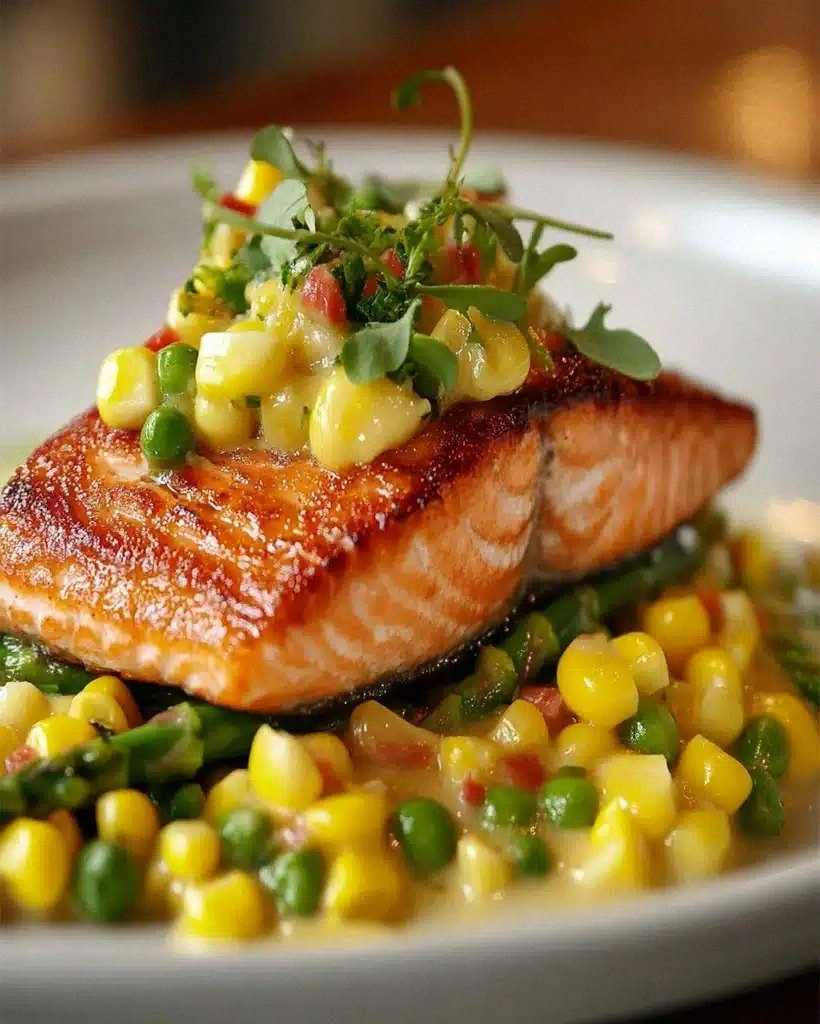
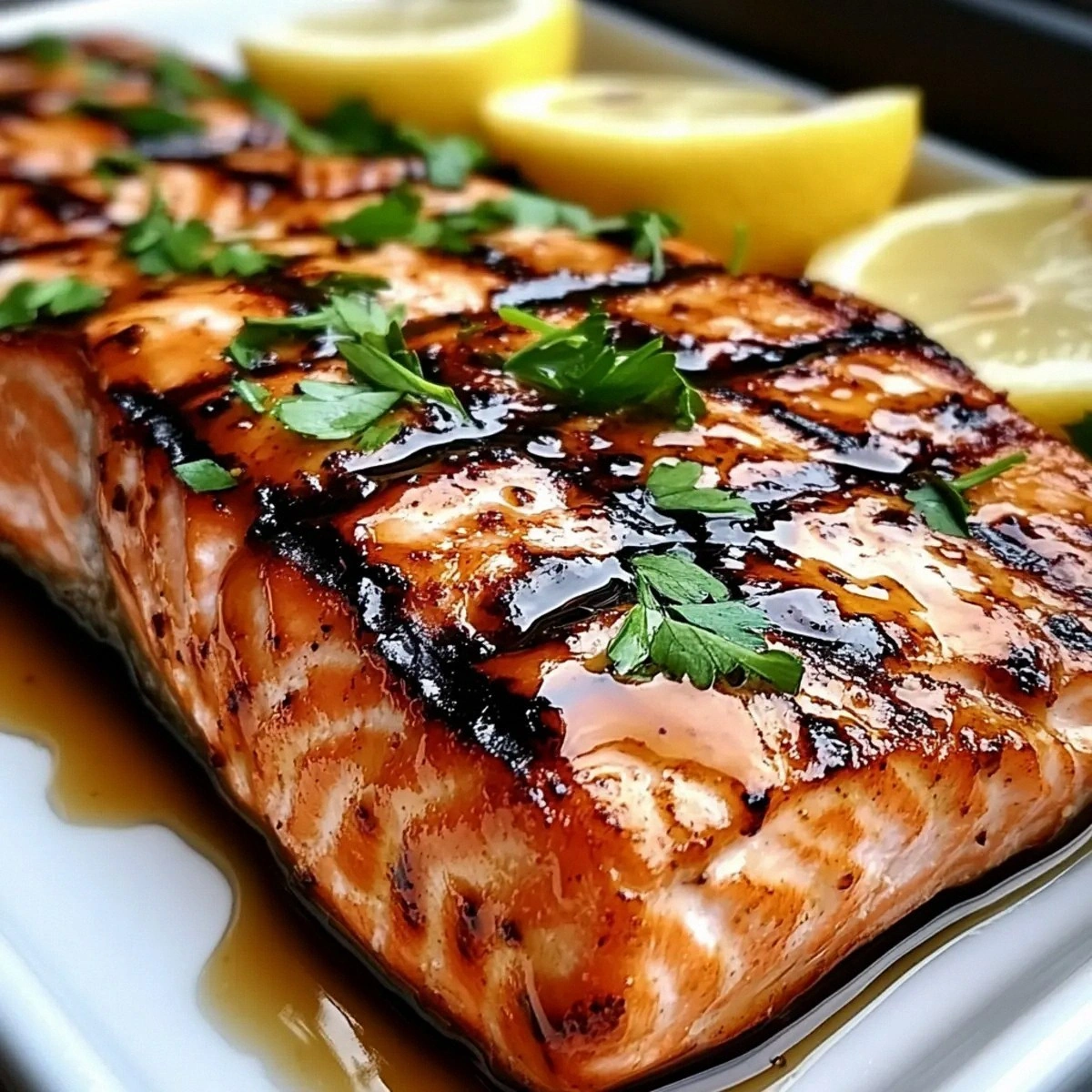
Picture this: the honey-garlic glaze bubbling away on the stovetop, releasing this intoxicating aroma that made my stomach growl embarrassingly loud. The salmon itself sat patiently on the counter, its ruby flesh glistening under the pendant lights like some precious jewel. As I watched Sarah work her magic, brushing that sticky-sweet elixir over the fish before it hit the screaming-hot grill pan, something shifted in my perception. That sizzle when it made contact with the metal? Absolute perfection. The glaze caramelized into this lacquered coating that would make a candied apple jealous, while the interior stayed buttery and moist. I took one bite and immediately understood why she'd been raving about this recipe for months. The combination of sweet honey, umami-rich soy sauce, bright lemon, and that kiss of smoked paprika created this symphony of flavors that danced across my taste buds.
Fast forward through three helpings (okay, maybe four — I'll be honest, I ate half the batch before anyone else got to try it), and I found myself begging for the recipe. Sarah just smirked and said she'd been waiting for me to come around to the salmon side. Now, after perfecting this technique in my own kitchen through countless trials and yes, a few glorious failures, I'm sharing what I believe is hands down the best version you'll ever make at home. Most recipes get this completely wrong, treating salmon like a blank canvas that needs to be smothered in heavy sauces or overcomplicated marinades. But here's what actually works: a balanced glaze that enhances rather than masks the fish's natural richness, proper grilling technique that gives you those Instagram-worthy grill marks, and a few insider tricks that turn ordinary salmon into something restaurant-quality.
Let me walk you through every single step — by the end, you'll wonder how you ever made it any other way. This isn't just another salmon recipe to add to your collection; it's the one that'll make you rethink everything you thought you knew about cooking fish. Whether you're a salmon skeptic like I was, or someone who's been searching for that perfect weeknight dinner solution, this recipe delivers on every promise. Quick enough for a Tuesday night, impressive enough for company, and healthy enough to make you feel virtuous about going back for seconds.
What Makes This Version Stand Out
Honey-Sweet Perfection: The glaze strikes this magical balance between sweet and savory that makes your taste buds do a happy dance. Unlike recipes that drown the salmon in cloying sweetness, this version uses just enough honey to create that gorgeous caramelized exterior without turning dinner into dessert. The honey also helps the glaze stick to the fish like velvet, creating that restaurant-quality lacquer that'll have everyone asking for your secret.
Garlic That Actually Tastes Like Garlic: Most recipes murder garlic with high heat, turning it bitter and acrid. This technique treats garlic right, sautéing it just enough to mellow the harsh bite while preserving that aromatic punch that makes the whole kitchen smell like an Italian grandmother's been cooking for hours. The result is a subtle garlic essence that enhances rather than overpowers the salmon.
The Lemon Factor: Fresh lemon juice isn't just an afterthought here — it's the secret weapon that cuts through the richness of both the salmon and the honey glaze. That bright acidity lifts the entire dish, preventing the dreaded "fishy" aftertaste that sends so many people running from seafood. Plus, those little caramelized bits of lemon in the glaze? Pure magic.
Smoked Paprika's Hidden Power: This underappreciated spice adds depth and complexity that takes the glaze from good to unforgettable. It brings a subtle smokiness that makes you seem like a barbecue master, even if you've never touched a smoker in your life. The paprika also gives the glaze this gorgeous mahogany color that makes the salmon look like it came from a five-star restaurant.
Foolproof Technique: If you've ever struggled with salmon sticking to the grill, overcooking into dry oblivion, or falling apart into sad little flakes, you're not alone — and I've got the fix. This method guarantees perfectly cooked fish every single time, with those Instagram-worthy grill marks that'll make your food photos look like they belong in a magazine.
Make-Ahead Marvel: The glaze can be prepped up to a week in advance, making this the ultimate busy-weeknight dinner solution. Picture yourself pulling this together in under twenty minutes on a Wednesday evening, feeling like a domestic superhero while your neighbors order takeout again. Future you will thank present you for this level of preparation.
Leftover Love: Unlike most salmon recipes that turn into sad, dry remnants by day two, this glazed version actually improves overnight. The flavors meld together beautifully, making tomorrow's lunch something to anticipate rather than endure. Cold flaked salmon over salad? Transform it into salmon cakes? The possibilities are deliciously endless.
Inside the Ingredient List
The Foundation: Premium Salmon Fillets
The star of our show deserves top billing, and that means starting with the best quality salmon you can find. Look for fillets that are vibrant coral-pink with no fishy smell — fresh salmon should smell like the ocean, not like something that's been sitting around. Wild-caught salmon delivers superior flavor and texture compared to farmed varieties, with those beautiful white fat lines that melt during cooking and keep the fish incredibly moist. Each fillet should be about six to eight ounces, thick enough to develop that gorgeous crust while staying tender inside. If your fishmonger only has skin-on fillets, don't panic — grilling with the skin on actually helps prevent sticking and adds extra flavor, plus it peels off easily after cooking.
The Flavor Base: Garlic, Honey, and Soy Trinity
These three ingredients form the holy trinity of umami-rich flavor that makes this glaze absolutely addictive. Fresh garlic brings that sharp, aromatic bite that mellows beautifully when heated, creating layers of flavor that develop as you cook. Raw honey provides the perfect balance of sweetness and viscosity — it's thick enough to cling to the salmon but fluid enough to mix easily with other ingredients. Avoid processed honey, which can be overly sweet and one-dimensional. The soy sauce adds that deep, savory umami that makes everything taste more complex and satisfying. I prefer low-sodium soy sauce because it lets you control the salt level, and the glaze reduces down beautifully without becoming overwhelmingly salty.
The Brightness Crew: Lemon Juice and Olive Oil
Fresh lemon juice isn't negotiable here — bottled stuff tastes like cleaning product in comparison. The bright acidity cuts through the richness of both the salmon and the honey, preventing the dish from feeling heavy or cloying. It also helps tenderize the fish slightly, ensuring every bite practically melts on your tongue. Good quality olive oil carries all the flavors together while helping the glaze adhere to the salmon during grilling. Don't use your fancy finishing oil here; a solid everyday extra-virgin olive oil works perfectly and won't break the bank.
The Spice Squad: Black Pepper and Smoked Paprika
Freshly ground black pepper delivers a sharp, pungent kick that awakens your palate and enhances all the other flavors in the dish. Pre-ground pepper has lost most of its volatile oils and tastes like dusty cardboard in comparison. Smoked paprika is the secret weapon that makes everyone think you've been tending a smoker for hours. It adds depth and complexity that transforms this from a simple honey-garlic glaze into something that tastes like it came from a serious barbecue joint. The combination creates this gorgeous color and flavor that'll have people asking what your smoking setup looks like.
The Fresh Finish: Parsley and Lemon Slices
Fresh parsley isn't just a pretty garnish — its bright, slightly peppery flavor provides the perfect finishing touch that makes the whole dish taste fresh and vibrant. Chop it just before serving to preserve those delicate flavors that dissipate quickly once cut. Lemon slices serve double duty, providing visual appeal while releasing their essential oils over the hot salmon, creating this incredible aromatic experience that hits you before you even take a bite. This final flourish takes the dish from home-cooking good to restaurant-quality impressive.
Everything's prepped? Good. Let's get into the real action...
The Method — Step by Step
- Start by patting your salmon fillets absolutely dry with paper towels — I mean really go to town here. Moisture is the enemy of good caramelization, and wet salmon will steam instead of developing those gorgeous grill marks we're after. Season both sides generously with salt and let them rest on a wire rack while you prep the glaze. This brief rest allows the salt to draw out excess moisture while seasoning the fish throughout, not just on the surface. Your future self will thank you for this extra step when you're biting into perfectly seasoned, restaurant-quality salmon.
- Heat your grill pan or outdoor grill to medium-high heat — you're looking for that sweet spot where you can hold your hand about six inches above the surface for just three to four seconds before it feels uncomfortably hot. While it's heating, whisk together the honey, soy sauce, lemon juice, and olive oil in a small saucepan over medium heat. This is where the magic begins: as the honey warms, it'll become more fluid and easier to work with, while the soy sauce adds that deep umami backbone that makes everything taste more complex and satisfying.
- Add the minced garlic to the saucepan and let it simmer gently for about two minutes — just enough time to knock off that raw edge without turning it bitter and acrid. You want the garlic to perfume the glaze, not dominate it. Watch closely here because garlic can go from perfectly aromatic to burnt and bitter in the blink of an eye. The glaze should start to thicken slightly, coating the back of a spoon in a way that makes you want to lick it clean.
- Now comes the game-changer: remove half the glaze to a separate bowl for basting during grilling, and stir the smoked paprika and black pepper into the remaining glaze. This divided approach ensures you have a fresh, vibrant glaze to finish the salmon rather than one that's been contaminated by raw fish juices. The paprika will bloom in the warm glaze, releasing its smoky essence and turning the mixture into this gorgeous mahogany color that looks like liquid autumn.
- Oil your grill grates thoroughly using a paper towel dipped in oil and held with tongs — this is the moment where most home cooks go wrong and end up with fish-stuck-to-grill disasters. The grates should be hot enough that the oil smokes immediately, creating a non-stick surface that'll make your salmon release like magic. Place the salmon skin-side up (if it has skin) and resist the urge to move it around — patience is your friend here.
- After about four minutes, when the edges start to turn opaque and the salmon releases easily from the grill, flip it over with a confident, single motion. Brush the top with some of your reserved glaze, letting it seep into the fish and create those beautiful caramelized patches. The honey will start to bubble and darken, creating this lacquered coating that's so gorgeous you'll want to photograph it from every angle.
- Continue grilling for another three to four minutes, depending on the thickness of your fillets and how you like your salmon cooked. For medium-rare, look for the center to still be slightly translucent — it'll continue cooking from residual heat after you remove it from the grill. Brush with more glaze in the final minute, letting it caramelize into a sticky, shiny coating that makes the salmon look like it's wearing a coat of edible jewelry.
- Transfer the salmon to a platter and immediately brush with the fresh glaze you set aside earlier, then let it rest for exactly five minutes. This rest allows the juices to redistribute throughout the fish, ensuring every bite is moist and flavorful instead of dry and disappointing. While it's resting, chop your parsley and slice your lemon — timing is everything here because you want to serve this beauty while it's still warm and glistening.
- Just before serving, shower the salmon with fresh parsley and arrange lemon slices around the platter — not just for looks, but because those lemon slices will warm slightly from the hot fish, releasing their essential oils and creating an incredible aromatic experience. The parsley adds that fresh, green pop that makes the whole dish sing while providing a pleasant textural contrast to the silky fish.
- Serve immediately, preferably with simple sides that won't compete with the salmon's starring role — think fluffy rice, grilled vegetables, or a crisp green salad. Watch as your guests take their first bite and their eyes light up with that special combination of surprise and delight that only comes from eating something truly extraordinary. Don't be surprised if they ask for the recipe before they've even finished their portion — it happens every single time.
That's it — you did it. But hold on, I've got a few more tricks that'll take this to another level...
Insider Tricks for Flawless Results
The Temperature Rule Nobody Follows
Most home cooks treat salmon like chicken, cooking it until it's completely opaque throughout and wondering why it tastes like cardboard. Here's the game-changing truth: salmon is best when it's still slightly translucent in the center, around 125°F if you're using a thermometer. The fish continues cooking from residual heat after you remove it from the grill, so taking it off when it still has a hint of translucence ensures perfectly moist, buttery results every time. A friend tried skipping this step once — let's just say it didn't end well, and her dinner guests still give her grief about "the salmon incident" three years later.
Why Your Nose Knows Best
Forget timers and thermometers — your nose is actually the most reliable tool for perfectly cooked salmon. When the fish is ready, it'll release this incredible aroma that's rich and buttery with hints of the ocean. If you smell something fishy or overly strong, you've gone too far. The key is trusting your instincts and pulling the salmon at the first whiff of that perfect, delicate aroma. This might take a few tries to master, but once you get it, you'll never overcook salmon again.
The 5-Minute Rest That Changes Everything
I know it's tempting to dive right in — that glistening, perfectly glazed salmon is basically calling your name. But here's where patience pays off in spades: letting the salmon rest for exactly five minutes allows the juices to redistribute throughout the fish rather than running all over your plate. Cover it loosely with foil to keep it warm, use this time to plate your sides, and when you finally cut into that beautiful fillet, you'll be rewarded with moist, flavorful fish that holds together perfectly instead of crumbling into sad, dry flakes.
The Fresh Herb Finale That Makes It Restaurant-Worthy
Don't just sprinkle parsley randomly like you're seasoning a pizza — there's an art to the fresh herb garnish that separates home cooks from restaurant chefs. Chop your parsley just before serving to preserve those volatile oils that dissipate within minutes. Hold the knife at a sharp angle for a fine chiffonade that distributes evenly and looks professional. Scatter it from high above so it falls naturally rather than clumping in one spot. This seemingly small detail adds that fresh, green pop that makes the whole dish sing.
The Leftover Transformation Trick
If you somehow manage to have leftovers (and that's a big if), don't reheat them in the microwave like a monster. Instead, flake the cold salmon over a crisp salad, stir it into pasta with some cream and lemon zest, or better yet — make salmon cakes that'll make you grateful for leftovers. The key is treating leftover salmon as an ingredient rather than trying to recreate the original dish. Some of my best meals have come from transforming yesterday's salmon into something completely new and equally delicious.
Creative Twists and Variations
This recipe is a playground. Here are some of my favorite ways to switch things up:
The Asian-Inspired Version
Swap the smoked paprika for a teaspoon of grated fresh ginger and add a splash of rice wine vinegar to the glaze. Finish with toasted sesame seeds and thinly sliced scallions instead of parsley. The ginger adds heat and complexity while the sesame seeds provide a nutty crunch that takes this in a completely different but equally delicious direction. Serve with steamed rice and quick-pickled vegetables for a meal that tastes like it came from your favorite Asian fusion restaurant.
The Mediterranean Makeover
Replace the smoked paprika with dried oregano and add a handful of chopped Kalamata olives to the finished dish. Instead of parsley, shower the salmon with fresh dill and serve with lemon wedges and a side of tzatziki. The briny olives and herbaceous dill transform this into something that tastes like summer on the Greek islands, even if you're cooking in a tiny apartment kitchen in February.
The Spicy Southwest Edition
Add a minced chipotle pepper in adobo sauce to the glaze and replace the smoked paprika with ancho chili powder. Finish with fresh cilantro and serve alongside black beans and grilled corn. The smoky heat from the chipotle creates this incredible depth that pairs beautifully with the sweet honey, while cilantro adds that fresh, green note that keeps everything balanced and bright.
The Maple-Orange Winter Version
Substitute maple syrup for the honey and orange juice for the lemon juice, adding a pinch of cinnamon and nutmeg to warm things up. This variation is perfect for cold winter evenings when you want something that tastes like comfort food but still feels light and healthy. The maple-orange combination creates this incredible caramelization that's reminiscent of autumn leaves and cozy firesides.
The Herb-Crusted Variation
After brushing with glaze, press a mixture of panko breadcrumbs, chopped herbs, and a little butter onto the top of the salmon before grilling. The crumbs create this incredible crunchy crust that contrasts beautifully with the tender fish underneath. It's like giving your salmon a delicious crunchy jacket that adds texture and visual appeal, plus it helps keep the fish incredibly moist during cooking.
The Single-Serving Sheet Pan Version
When cooking for one or two, line a sheet pan with vegetables tossed in olive oil, place salmon fillets on top, and brush everything with the glaze. Roast at 400°F for about 12-15 minutes until everything is perfectly cooked. This hands-off method means less cleanup and perfectly timed vegetables that have absorbed all those incredible glaze flavors.
Storing and Bringing It Back to Life
Fridge Storage
Let the salmon cool completely before storing in an airtight container, where it'll keep beautifully for up to three days. The key is storing it in the coldest part of your fridge, usually the back of the bottom shelf, where the temperature stays most consistent. If you know you'll have leftovers, consider undercooking one fillet slightly so when you reheat it later, it doesn't dry out. The glaze actually helps preserve the fish while adding flavor as it sits, making tomorrow's lunch something to anticipate rather than endure.
Freezer Friendly
While fresh is always best, cooked salmon freezes surprisingly well if you do it right. Wrap individual portions tightly in plastic wrap, then place in a freezer bag with as much air removed as possible. Freeze for up to two months, and thaw overnight in the refrigerator. The texture won't be quite as perfect as fresh, but it's still miles better than most frozen fish options. Pro tip: frozen salmon works best in dishes where it's mixed with other ingredients, like salmon cakes or pasta.
Best Reheating Method
Whatever you do, don't microwave your leftover salmon unless you enjoy rubbery, overcooked fish that tastes like despair. Instead, let it come to room temperature for about twenty minutes, then warm it gently in a 275°F oven for about 10-12 minutes. Add a tiny splash of water before reheating — it steams back to perfection. Even better, enjoy it cold or at room temperature, where the flavors actually have a chance to shine without being muted by heat. Some of my best meals have been made from cold leftover salmon flaked over salads or stirred into pasta at the last minute.