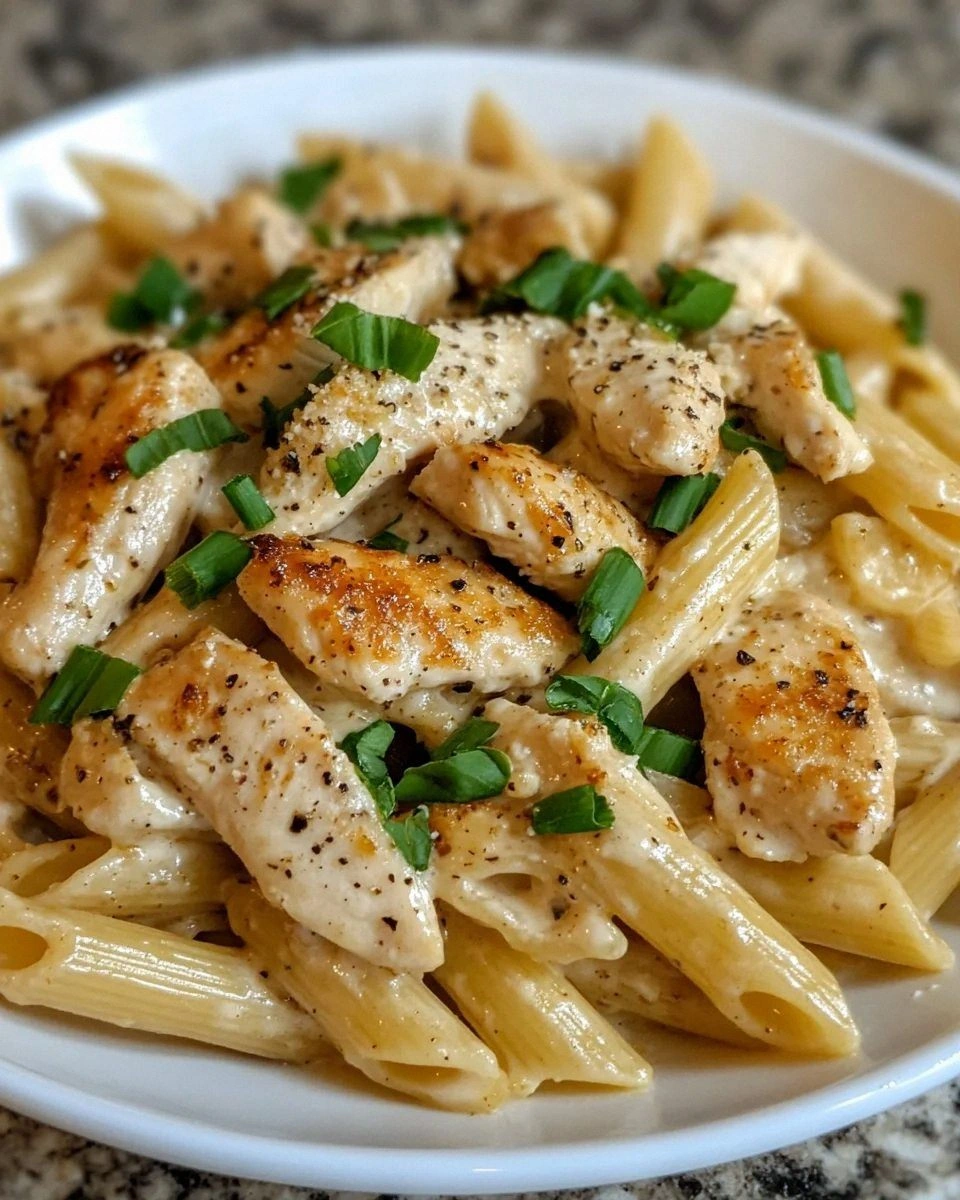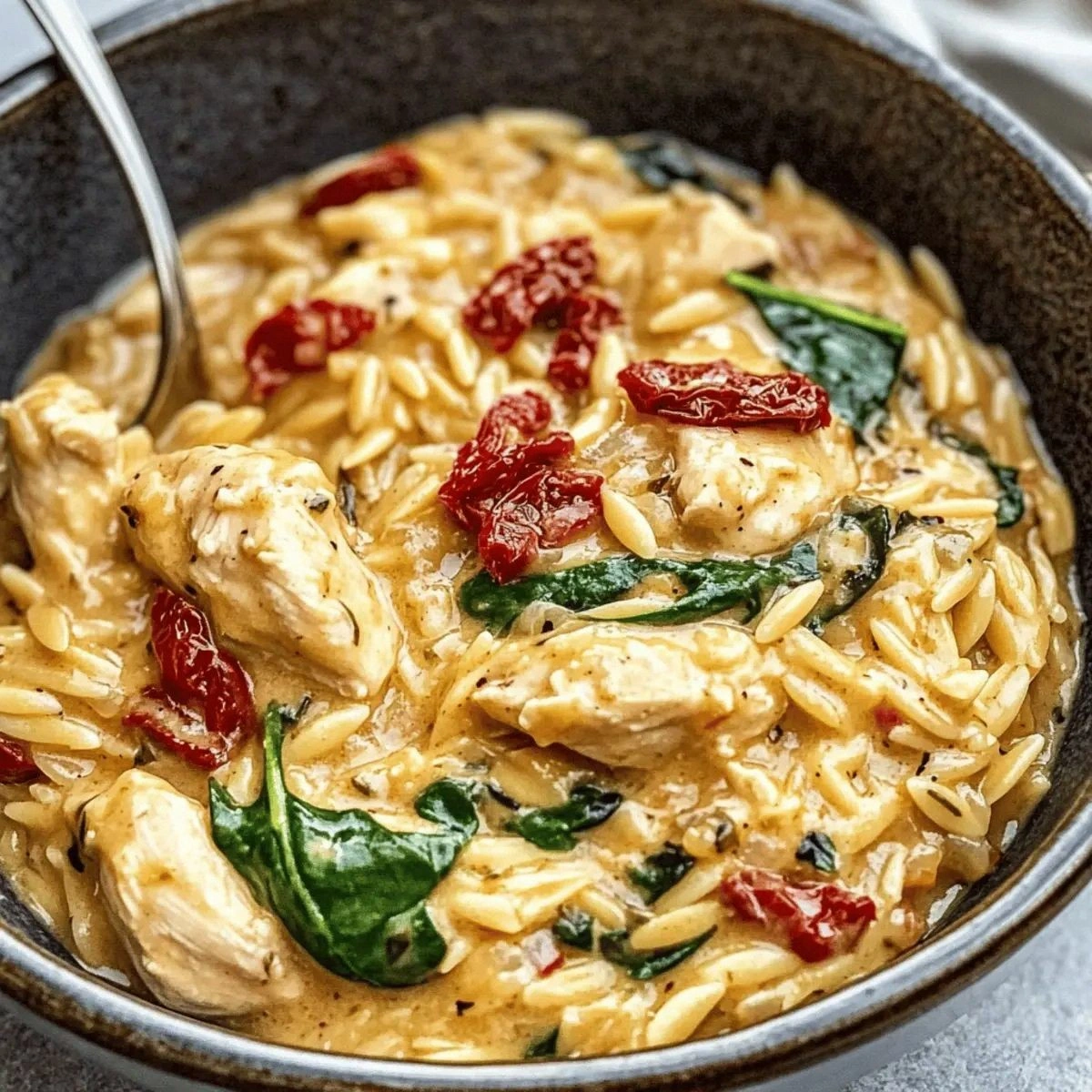
I’ll be honest — I ate half the batch before anyone else got to try it, and that’s saying something because this dish is a full‑blown comfort‑food fireworks show. It all started on a rainy Tuesday when I was trying to salvage a soggy bag of orzo that had been left out too long, and I thought, “What if I give this humble pasta a luxurious makeover with chicken, cream, and a splash of Tuscan sunshine?” The kitchen filled with the sound of sizzling butter, the aroma of garlic flirting with Italian herbs, and a faint, almost nostalgic note of sun‑dried tomatoes that reminded me of a Mediterranean market stall. My taste buds were already doing a happy dance, and I dared you to taste this and not go back for seconds.
Picture yourself pulling this out of the pan, the whole kitchen smelling incredible, a creamy sauce coating every bite like velvet, while the spinach wilts just enough to keep its bright green personality. Most recipes get this completely wrong, either drowning the orzo in a watery broth or leaving the chicken dry as a desert. Here’s what actually works: a quick sear that locks in juices, a slow simmer that lets the cream thicken without curdling, and a final toss that marries everything into a single, cohesive hug for your palate. The secret ingredient? A handful of sun‑dried tomatoes that add a sweet‑tart punch you never saw coming.
I’m not just bragging; this version stands out because it balances richness with freshness, texture with silk, and it does so in under an hour. If you’ve ever struggled with a clumpy sauce that separates at the slightest shake, you’re not alone — and I’ve got the fix. The trick is to temper the heavy cream with a splash of the orzo cooking water, creating a silky emulsion that clings to every noodle like a second skin. This next part? Pure magic. And now the fun part: let me walk you through every single step — by the end, you’ll wonder how you ever made it any other way.
What Makes This Version Stand Out
- Flavor: The combination of sun‑dried tomatoes, garlic, and Italian herbs creates a depth that feels like a Tuscan villa’s pantry in a single bite.
- Texture: Orzo stays al dente while the sauce coats it like a buttery veil, and the chicken remains juicy with a lightly crisped edge.
- Simplicity: Only eight core ingredients, yet each one plays a starring role; no need for a pantry raid.
- Uniqueness: The heavy cream and Parmesan form a luxurious base that most “quick” versions skip, making this truly restaurant‑quality.
- Crowd Reaction: Guests often claim they’ve never tasted anything like it, and the “I need the recipe!” chorus starts before the first spoonful is even finished.
- Ingredient Quality: Using fresh baby spinach and high‑fat heavy cream ensures the sauce doesn’t turn greasy or watery.
- Cooking Method: A two‑stage sear‑then‑simmer technique guarantees both flavor development and sauce cohesion.
- Make‑Ahead Potential: This dish reheats beautifully, and the flavors actually deepen after a night in the fridge.
Inside the Ingredient List
The Flavor Base
Garlic is the aromatic backbone of this dish; its pungent bite mellows into a sweet, caramelized whisper as it cooks, creating a foundation that supports the cream without being overpowered. If you skip the garlic, you’ll lose that subtle heat that makes the sauce sing. A good swap is shallots, which add a milder, onion‑like nuance while still delivering that essential depth.
Italian herbs (a blend of oregano, basil, and thyme) bring a herbaceous lift that balances the richness of the cream and cheese. Fresh herbs would be lovely, but the dried version packs more concentrated flavor and is more reliable for a consistent taste. Don’t overdo it — a tablespoon is enough to perfume the entire pot without turning it into a herb garden.
The Texture Crew
Orzo pasta is the star of the show, offering a rice‑like bite that soaks up sauce while retaining a pleasant chew. Overcooking it turns the dish mushy, so aim for al dente, about one minute shy of the package instructions. If you can’t find orzo, try pearl couscous or even small shells; they’ll absorb the sauce similarly, though the mouthfeel will shift slightly.
Chicken breasts provide lean protein and a neutral canvas for the sauce. Pound them to an even thickness before cooking; this ensures uniform searing and prevents the thin edges from drying out while the thick center remains undercooked. For a richer bite, substitute bone‑in thighs, but adjust cooking time accordingly.
The Unexpected Star
Sun‑dried tomatoes are the secret weapon, adding a concentrated sweet‑tart flavor that brightens the heavy cream. They also contribute a chewy texture that contrasts beautifully with the silky sauce. If you’re allergic to tomatoes, try chopped roasted red peppers for a similar pop of color and a milder taste.
The Final Flourish
Heavy cream and Parmesan cheese are the dynamic duo that turn a simple skillet dish into a velvety masterpiece. The cream supplies body, while the cheese adds a salty, nutty finish that deepens the umami profile. Use a full‑fat cream (at least 35% milkfat) and freshly grated Parmesan for the best melt and flavor; powdered cheese won’t give you that same depth.
Everything's prepped? Good. Let’s get into the real action…
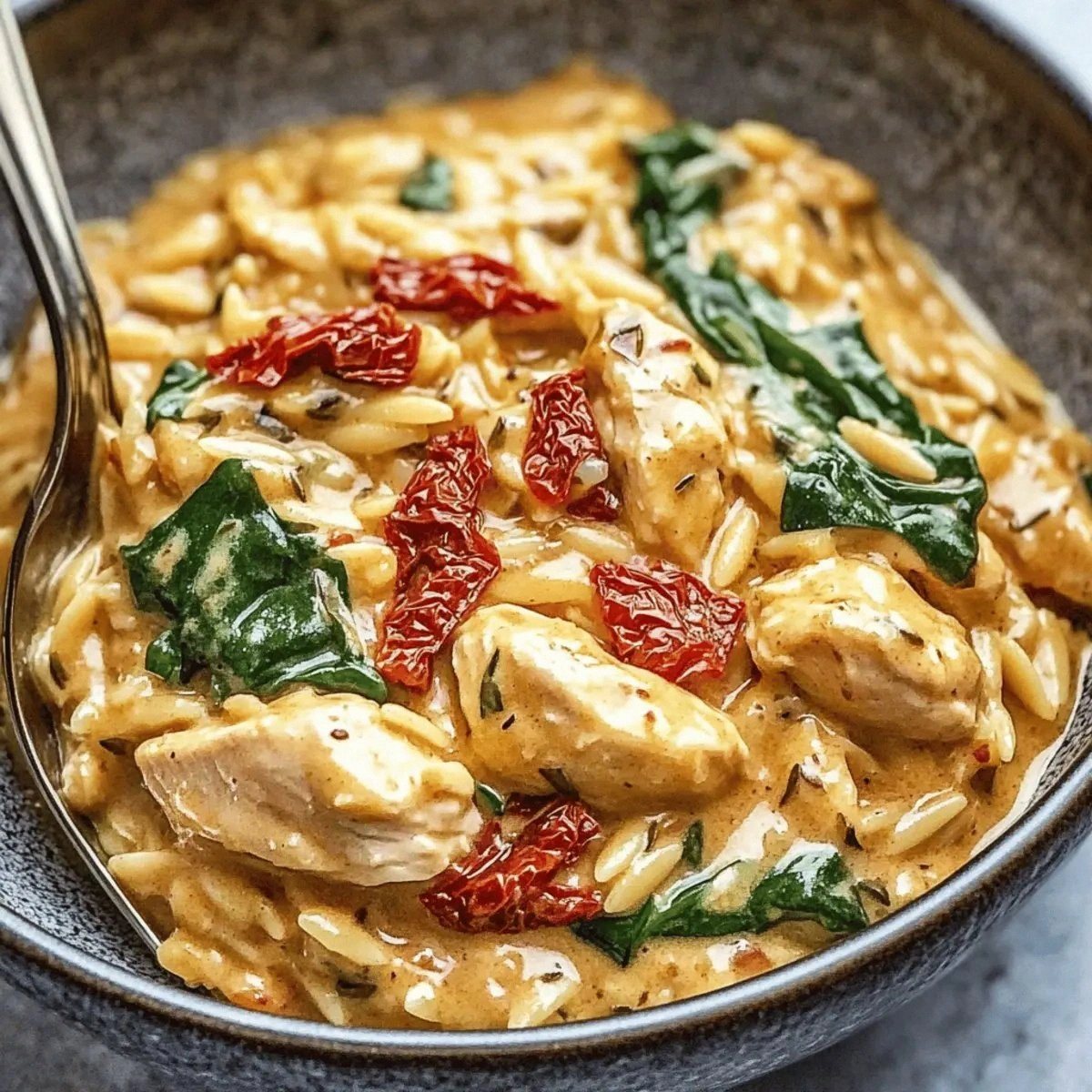
The Method — Step by Step
Start by heating a large skillet over medium‑high heat and adding a splash of olive oil. Once the oil shimmers, lay the chicken breasts in the pan, letting them sizzle like a summer storm; you’ll hear a confident crackle that tells you the sear is happening. Cook each side for about 4‑5 minutes until a golden crust forms — the edges should start pulling away from the pan, a visual cue that the Maillard reaction is doing its magic. Power transition: okay, ready for the game‑changer? Remove the chicken and set it aside while you build the sauce.
In the same skillet, lower the heat to medium and toss in the minced garlic and Italian herbs. The garlic will instantly perfume the oil, releasing a sweet, nutty aroma that makes your mouth water — that sizzle when it hits the pan? Absolute perfection. Stir for about 30 seconds, being careful not to let it brown too much; burnt garlic is a one‑way ticket to bitterness.
Kitchen Hack: If you’re using pre‑minced garlic from a jar, add it a little later to avoid over‑cooking, preserving its bright flavor.Add the sun‑dried tomatoes, letting them rehydrate slightly in the pan’s moisture. Their deep red hue will turn the sauce a richer, sunset‑orange, and the sweet‑tart notes will begin to mingle with the garlic. Cook for another minute, then pour in the heavy cream, stirring constantly. As the cream meets the pan, you’ll notice it thickening almost instantly, a sign that the emulsion is forming correctly.
Now it’s time to introduce the orzo. Sprinkle it directly into the sauce, letting each grain get a quick coat before you add any liquid. This toasting step, even if brief, gives the pasta a subtle nuttiness that elevates the overall flavor. Immediately after, ladle in about 1½ cups of the hot chicken cooking liquid (or plain chicken broth) — the starchy water will help bind the sauce to the pasta, creating that velvety coating you crave.
Watch Out: If the sauce looks too thick, add a splash more liquid; if it’s too thin, let it simmer uncovered for a couple more minutes, stirring frequently.Return the seared chicken breasts to the skillet, nestling them among the creamy orzo. Reduce the heat to low, cover, and let everything simmer together for 8‑10 minutes. During this time, the chicken will finish cooking through, and the spinach will wilt, turning a vibrant emerald that speckles the dish with color. The sauce should be glossy and cling tightly to each bite — a true test of success.
Stir in the baby spinach, letting it wilt just enough to retain a slight bite. Then, sprinkle the grated Parmesan cheese over the top, watching it melt into the sauce like snow on a warm day. Give everything a gentle toss, ensuring the cheese is evenly distributed and the spinach is fully incorporated. This is the moment of truth: the sauce should be thick enough to coat the back of a spoon without pooling at the bottom.
Taste and adjust seasoning with salt and freshly cracked black pepper. If you feel the need for a brighter note, a squeeze of lemon juice will cut through the richness and add a fresh lift. Finally, slice the chicken against the grain, arrange it atop the creamy orzo, and garnish with an extra sprinkle of Parmesan and a drizzle of olive oil for shine.
Serve immediately, letting the steam rise and the aroma fill the room. Picture yourself pulling this out of the pan, the whole kitchen smelling incredible, and the first bite delivering a perfect balance of creamy, cheesy, and herbaceous flavors. I dare you to taste this and not go back for seconds — because once you do, you’ll understand why this is hands down the best version you’ll ever make at home.
Insider Tricks for Flawless Results
The Temperature Rule Nobody Follows
Never sear chicken on high heat straight from the fridge; let it sit at room temperature for 15 minutes. This small step prevents the exterior from over‑cooking while the interior remains raw. I once tried to rush this and ended up with a burnt crust and a pink center — a culinary nightmare that taught me the value of patience. Keep the pan hot but not smoking, and you’ll get that perfect, golden crust every time.
Why Your Nose Knows Best
When the garlic and herbs start to perfume the air, that’s your cue to add the cream. The scent will shift from sharp to sweet, indicating the garlic has mellowed enough not to bite. Trusting your nose saves you from a burnt, bitter base, and it adds an intuitive, almost artistic element to the cooking process.
The 5‑Minute Rest That Changes Everything
After you finish cooking, let the dish rest off the heat for five minutes. This short pause lets the flavors meld, the sauce thicken further, and the chicken juices redistribute, preventing a dry bite. I’ve seen people dive straight in, only to find the sauce a little watery and the chicken slightly tough. Patience here is the secret to a restaurant‑quality finish.
Starch‑Water Savior
If the sauce starts to look grainy, whisk in a splash of the reserved pasta water. The starches act like a natural thickener, smoothing out any rough edges. This trick is a lifesaver for even the most seasoned cooks who occasionally over‑reduce a sauce. Keep the water warm, and add it gradually while stirring.
Cheese Timing
Add the Parmesan at the very end, off the heat, to preserve its nutty aroma and prevent it from becoming gritty. If you toss it in too early, the cheese can clump and create a grainy texture. A final flourish of cheese right before serving gives that luxurious melt you crave.
Creative Twists and Variations
This recipe is a playground. Here are some of my favorite ways to switch things up:
Mushroom Medley
Swap half the chicken for sliced cremini mushrooms. Their earthy flavor pairs beautifully with the cream, and they add a meaty bite for vegetarians who still want protein.
Spicy Kick
Add a pinch of red pepper flakes when you sauté the garlic. The heat will cut through the richness, giving the dish a lively, tongue‑tingling finish.
Lemon‑Herb Bright
Stir in the zest of one lemon and a splash of juice just before serving. The citrus lifts the sauce, making it perfect for spring gatherings.
Smoky Bacon
Crisp up some chopped bacon and crumble it over the finished dish. The smoky crunch adds a new texture layer that contrasts the silky sauce.
Cheese Swap
Replace Parmesan with Pecorino Romano for a sharper, saltier bite, or blend both cheeses for a complex flavor profile.
Storing and Bringing It Back to Life
Fridge Storage
Cool the dish to room temperature, then transfer it to an airtight container. It will keep for up to three days, and the flavors actually deepen after a night. When reheating, add a splash of milk or water and stir gently over low heat to restore the sauce’s creaminess.
Freezer Friendly
Portion the cooled dish into freezer‑safe bags or containers, leaving a little headspace for expansion. It freezes well for up to two months. Thaw overnight in the fridge, then reheat on the stovetop with a drizzle of broth to revive the sauce.
Best Reheating Method
The stovetop is king: place the leftovers in a skillet over medium‑low heat, add a tablespoon of water or broth, and stir until the sauce regains its glossy sheen. Microwaving works in a pinch, but be sure to cover the dish and stir halfway through to avoid hot spots.