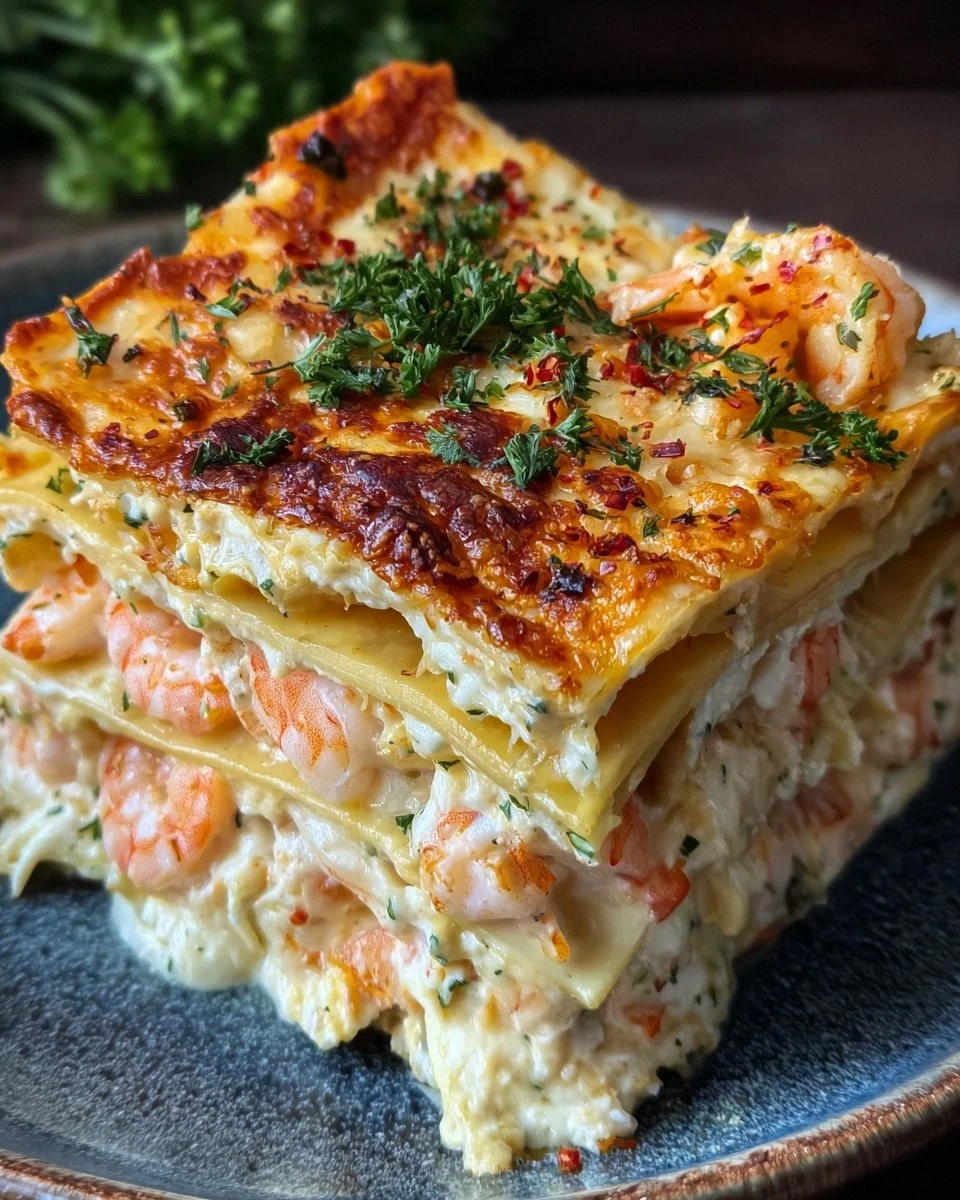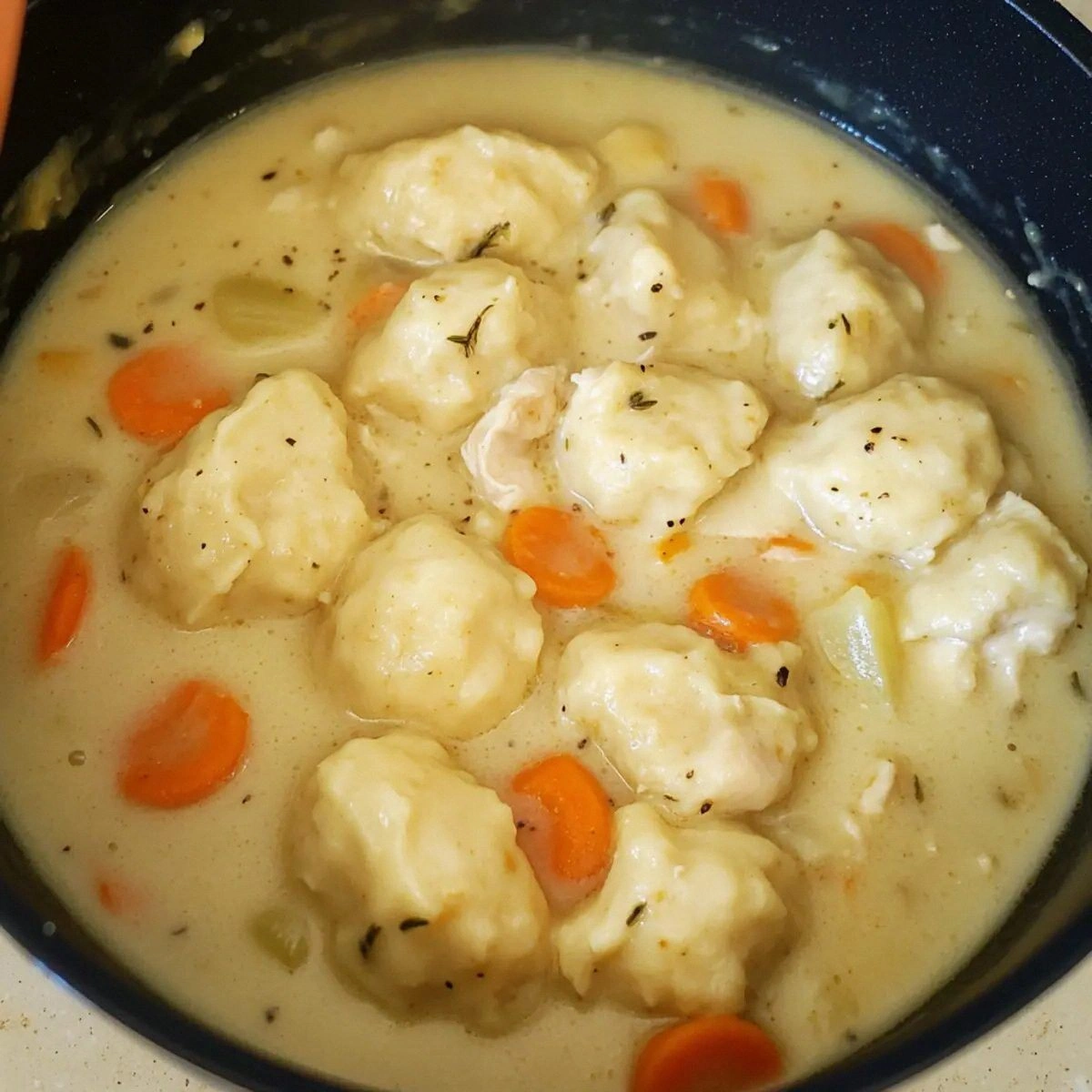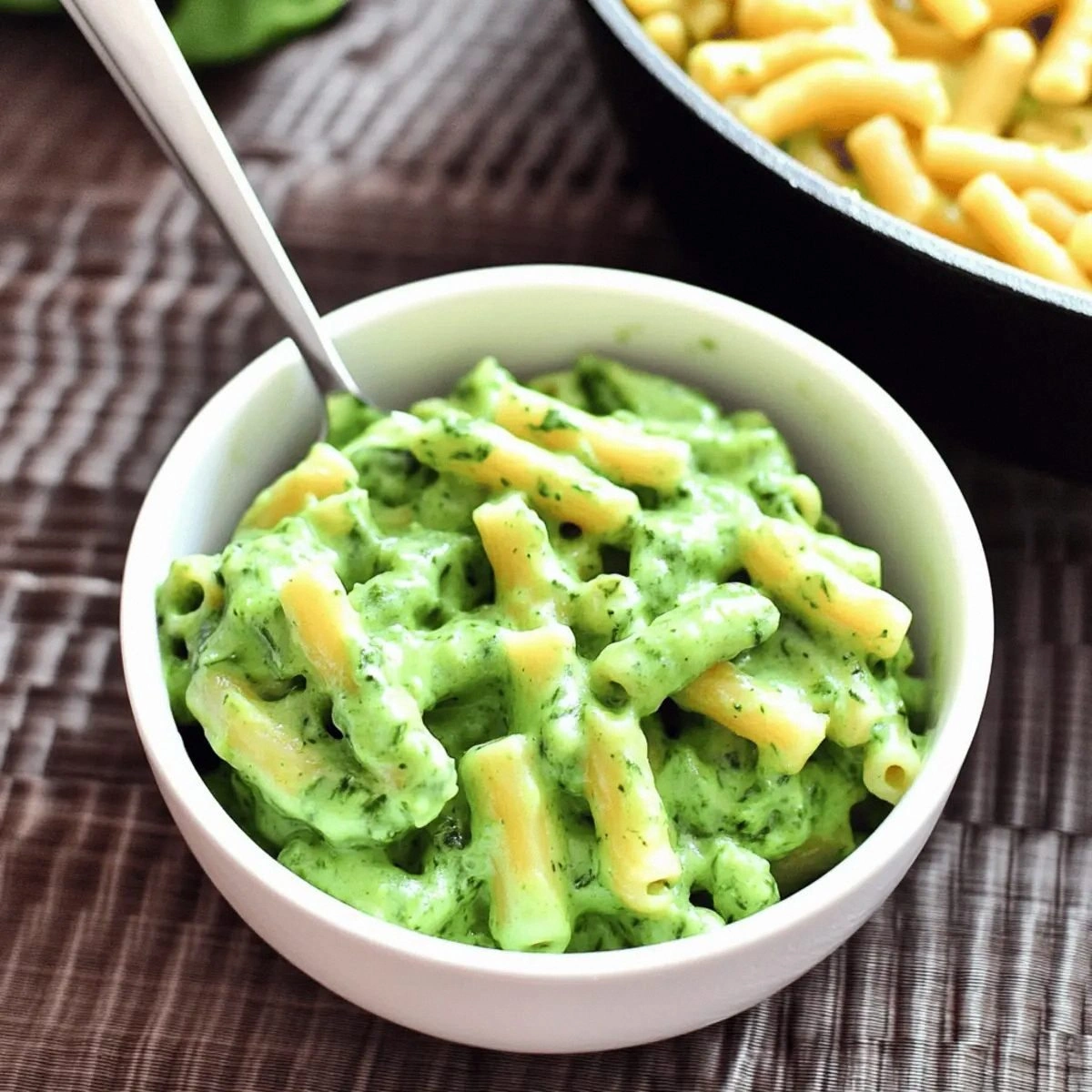
I’ll be honest — I ate half the batch before anyone else got a chance to try it, and that’s because this dish is hands down the best version you’ll ever make at home. It all started on a rainy Thursday when my kitchen smelled like burnt toast and I was desperate for comfort. I tossed a bag of frozen spinach into a pot, grabbed the last of my cheddar, and thought, “What if I could make mac and cheese that actually feels good for you?” The result was a creamy, velvety sauce that clung to every noodle like a warm hug, with a sneaky health boost that didn’t sacrifice an ounce of indulgence. I dared myself to taste it and not go back for seconds, and I failed spectacularly – in the best possible way.
Picture yourself pulling this out of the oven, the whole kitchen smelling incredible, the steam swirling like a soft cloud of green and gold. The aroma of sautéed onions mingles with the earthy whisper of spinach, while the cheese melts into a glossy river that beckons you forward. You hear the faint sizzle of butter meeting flour, the gentle bubbling of milk turning into a silky roux, and the faint crackle as the top caramelizes just enough to create those crispy edges that shatter like thin ice. Your fingertips feel the warm, buttery pan, and your palate is already tingling with anticipation.
Most recipes get this completely wrong. They either drown the pasta in a greasy flood of cheese, or they skimp on flavor and leave you with a bland, watery mess. This version flips the script by using semi‑skimmed milk for a lighter base, olive oil for a heart‑healthy lift, and a double‑cheese combo that delivers depth without the guilt. The secret weapon? A handful of fresh spinach that not only adds a pop of color but also sneaks in a serving of greens that your body will thank you for. The result is a dish that feels luxurious, yet it’s surprisingly wholesome.
Okay, ready for the game‑changer? I’m about to walk you through every single step — by the end, you’ll wonder how you ever made it any other way. I’ll share the exact technique that makes the sauce coat the pasta like velvet, the timing that keeps the spinach bright, and a few hacks that will save you time and keep you from common pitfalls. Stay with me here — this is worth it.
What Makes This Version Stand Out
- Flavor Explosion: The combination of mature cheddar and Parmesan creates a layered cheese profile that sings, while the olive oil adds a subtle fruitiness that brightens every bite.
- Silky Texture: A classic roux built with butter and flour, then slowly whisked with semi‑skimmed milk, yields a sauce that’s as smooth as a satin sheet.
- Healthy Boost: Four cups of fresh spinach injects iron, fiber, and a dose of antioxidants, turning a guilty pleasure into a nutrient‑dense comfort food.
- Simplicity: You only need a handful of pantry staples and a single skillet; no fancy gadgets, no complicated steps.
- Crowd‑Pleaser: Even the pickiest eaters can’t resist the cheesy pull and the hidden veggie goodness – it’s the perfect family‑friendly dinner.
- Make‑Ahead Magic: This dish reheats beautifully, and the flavors meld even more after a night in the fridge, making it ideal for meal‑prep warriors.
- Ingredient Quality: Using a mature cheddar and fresh spinach elevates the dish from ordinary to restaurant‑level without breaking the bank.
- Cooking Method: The stovetop‑first approach locks in moisture before a brief bake, ensuring the pasta stays al dente and the top gets that perfect golden crust.
Inside the Ingredient List
The Flavor Base
The onion and garlic are the unsung heroes that lay the foundation for every great sauce. Sautéed in olive oil, they release a sweet, caramelized aroma that instantly lifts the dish from bland to bold. If you skip the onion, you’ll lose that depth; if you skip the garlic, the sauce will feel flat. As a swap, you can use shallots for a milder, slightly sweeter note, but remember to adjust the quantity to keep the balance.
The Texture Crew
Butter, flour, and milk form the classic roux that gives the sauce its velvety body. Butter adds richness, while flour is the thickening agent that prevents the sauce from turning watery. Using semi‑skimmed milk reduces the fat without compromising creaminess. If you’re dairy‑intolerant, a blend of oat milk and a splash of nutritional yeast can mimic the same texture and add a subtle cheesy flavor.
The Unexpected Star
Spinach might seem like a side note, but it’s the secret weapon that adds a fresh, slightly earthy bite and a burst of color. Fresh spinach wilts quickly, preserving its bright hue and nutrients. If fresh isn’t on hand, frozen spinach works – just be sure to thaw and squeeze out excess moisture, or you’ll end up with a watery sauce. Buying spinach in bulk when it’s in season can also cut costs dramatically.
The Final Flourish
Mature cheddar and Parmesan bring the umami punch and a satisfying sharpness that balances the mild spinach. The cheddar melts into a smooth, buttery layer, while the Parmesan adds a nutty, salty finish that makes the sauce sing. If you can’t find mature cheddar, a sharp aged gouda works beautifully. For a lower‑fat option, use part‑skim mozzarella, but expect a milder flavor and a slightly stretchier texture.
Everything’s prepped? Good. Let’s get into the real action…
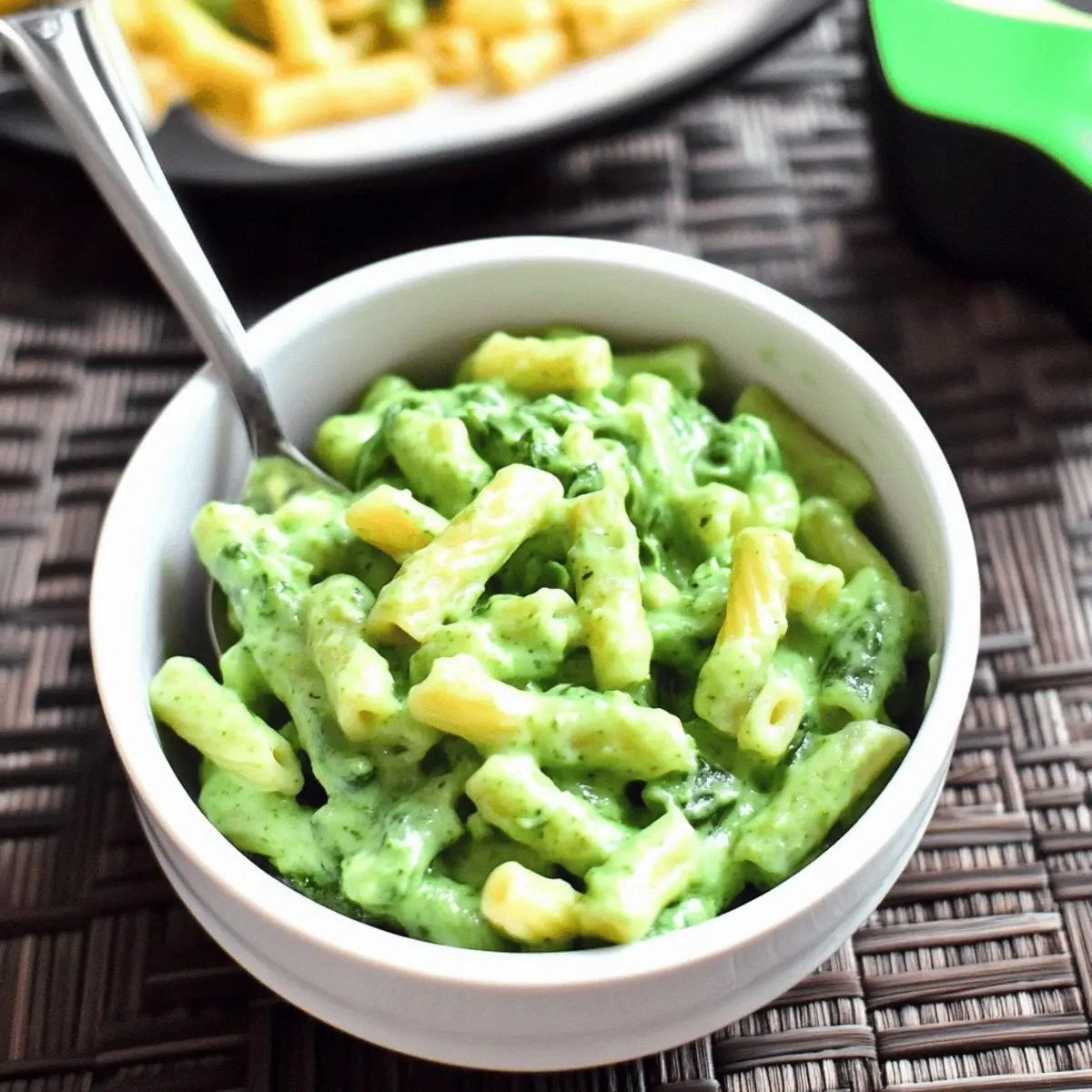
The Method — Step by Step
Bring a large pot of salted water to a rolling boil. Add the macaroni and cook until just al dente – about 7 minutes. Drain, reserving a cup of pasta water, and set the noodles aside. This step is crucial because overcooked pasta will become mushy once it meets the sauce, and nobody wants that.
While the pasta cooks, give the spinach a quick rinse and set it aside to dry. The water will make the sauce watery later if you don’t remove it.
In a large skillet, heat the olive oil over medium heat. Toss in the finely diced onion and sauté for 3‑4 minutes until it turns translucent and starts to caramelize. The scent should be sweet, not sharp – this is your flavor base forming.
Add the minced garlic and cook for another 30 seconds, just until you can smell the garlic’s perfume. Be careful not to let it brown; burnt garlic adds bitterness.
Sprinkle the flour over the softened onions and garlic, stirring constantly for 1‑2 minutes to create a golden roux. This is the moment of truth – the roux should smell nutty, not raw.
Gradually whisk in the semi‑skimmed milk, pouring a little at a time to avoid lumps. Keep the heat on medium‑low and stir until the mixture thickens into a glossy, coat‑the‑back‑of‑spoon consistency.
Add the butter, allowing it to melt into the sauce, then fold in the shredded mature cheddar and Parmesan. Stir until every cheese strand dissolves, creating a luxurious, amber‑gold sauce that clings to the spoon.
Season with sea salt and a pinch of white pepper. Taste and adjust – remember, the pasta water you saved will be salty, so season lightly at this stage.
Toss the fresh spinach into the sauce. It will wilt almost instantly, turning a vibrant green that contrasts beautifully with the orange‑gold cheese.
If you’re using frozen spinach, make sure it’s thoroughly drained – excess water will dilute the sauce and make it soupy.
Combine the cooked macaroni with the sauce, stirring gently to coat every curve. If the mixture looks a bit thick, add a tablespoon or two of the reserved pasta water until you reach a silky, pour‑able consistency.
Transfer the mac and cheese to a greased baking dish, spreading it evenly. Sprinkle an extra handful of Parmesan on top for that crunchy, caramelized crust.
Preheat your oven to 375°F (190°C). Slide the dish into the oven and bake for 15‑20 minutes, or until the top is bubbling and golden brown. The edges will start pulling away, giving you that satisfying snap when you dig in.
While it bakes, set a timer and resist the urge to peek – the steam inside does the work of creating that perfect crust.
Remove the dish from the oven and let it rest for 5 minutes. This short pause lets the sauce thicken a touch, making each bite creamy without being runny.
Serve hot, and watch as the cheese strings stretch like silk. I dare you to taste this and not go back for seconds – the combination is that addictive.
That's it — you did it. But hold on, I've got a few more tricks that'll take this to another level…
Insider Tricks for Flawless Results
The Temperature Rule Nobody Follows
Never add cold milk straight from the fridge to a hot roux. Instead, warm the milk gently in a separate saucepan or microwave until it’s just above body temperature. This prevents the roux from seizing up and forming lumps, ensuring a consistently smooth sauce. I once tried the cold‑milk shortcut and ended up with a grainy mess – lesson learned.
Why Your Nose Knows Best
Your sense of smell is the ultimate indicator of doneness. When the sauce reaches a nutty aroma after the flour is cooked, you know the raw flour taste is gone. Later, the moment you smell the cheese melting and the faint buttery perfume, the sauce is ready to be combined with the pasta. Trust that nose; it’s more reliable than a timer.
The 5‑Minute Rest That Changes Everything
Allowing the baked mac and cheese to sit for five minutes before serving lets the interior settle and the cheese fibers tighten. This short rest turns a potentially runny dish into a firm, slice‑able masterpiece. Skipping this step is like serving a puddle of sauce – nobody wants that.
The Secret Salt Timing
Season lightly before adding the pasta water, then finish with a final pinch after the dish is baked. This layered salting prevents over‑salting and ensures each bite hits the palate perfectly. A friend once over‑salted the sauce early and could not rescue it, even with a splash of cream.
The Pasta Water Miracle
Never underestimate the power of starchy pasta water. Adding a tablespoon at a time to the sauce helps it achieve that perfect silkiness while also helping the cheese adhere to each noodle. It’s the same trick chefs use for carbonara, and it works wonders here.
The No‑Burn Trick
If you’re worried about the sauce scorching, use a heavy‑bottomed saucepan and keep the heat on medium‑low. Stir constantly with a wooden spoon; the spoon’s heat‑absorbing properties protect the sauce from scorching. One time I let the heat creep up too high, and the bottom turned a dreaded caramel color – a disaster that could have been avoided with this simple adjustment.
Creative Twists and Variations
This recipe is a playground. Here are some of my favorite ways to switch things up:
Spicy Jalapeño Kick
Dice two fresh jalapeños (seeds removed for less heat) and sauté them with the onion. The heat cuts through the richness, creating a balanced bite that will wow anyone who loves a little fire.
Mushroom Medley
Add a cup of sliced cremini or shiitake mushrooms after the onions. Their earthy umami deepens the flavor profile and adds a meaty texture that satisfies vegans when you swap the cheese for a plant‑based alternative.
Sun‑Dried Tomato Burst
Stir in a quarter cup of chopped sun‑dried tomatoes right before the final bake. Their tangy sweetness contrasts beautifully with the creamy cheese, delivering a Mediterranean twist.
Protein Power
Mix in cooked, shredded chicken breast or canned tuna for a protein boost. This turns the side dish into a hearty main course, perfect for busy weeknights.
Vegan Velvet
Replace the butter with coconut oil, use plant‑based milk (such as oat or almond), and swap the cheeses for nutritional yeast and a vegan cheddar shreds. The result is a dairy‑free version that still delivers that creamy, cheesy experience.
Storing and Bringing It Back to Life
Fridge Storage
Allow the dish to cool to room temperature, then transfer it to an airtight container. It will keep for up to three days. When reheating, add a splash of milk or water and cover with foil to retain moisture.
Freezer Friendly
Portion the baked mac and cheese into freezer‑safe containers. Freeze for up to two months. To reheat, thaw overnight in the fridge, then bake at 350°F (175°C) for 20‑25 minutes, covered, followed by a quick uncover to crisp the top.
Best Reheating Method
The secret to a perfect reheated bite is gentle steam. Place a tablespoon of water or milk in a skillet, add a scoop of leftovers, cover, and heat on low for 5‑7 minutes, stirring occasionally. The steam revives the sauce, and the cheese melts back into a silky coat.