Picture this: you’re in the middle of a hectic week, the kitchen smells like burnt toast, and you’re craving something that feels like a vacation in a bite. That was me last Tuesday, standing in front of a half‑cooked salmon fillet that looked more like a sad, soggy fish than a culinary masterpiece. I stared at the fish, imagined a citrusy breeze, and decided to throw the whole thing into a blender of imagination. The result? A dish that tastes like sunshine on a summer afternoon and feels like a gentle hug from a friend. Let’s dive into the recipe that will turn your kitchen into a tropical paradise.
When you first open the jar of fresh citrus, the aroma hits you like a wave of citrus perfume, and the sound of the peel rubbing against the glass is oddly satisfying. The salmon itself, when sliced thin, reveals a silky texture that almost melts in your mouth. The contrast between the bright, tart citrus and the subtle umami of the fish is like a duet of flavors that sing together. I remember the first bite, and it felt like my taste buds were dancing on a beach. This isn’t just a dish; it’s a culinary vacation you can make at home.
What sets this version apart is the meticulous balance of acidity, sweetness, and a hint of heat that lingers just enough to wake up the palate. I’ve spent hours experimenting with the ratios of orange to grapefruit to lime, and the final blend is a symphony of citrus that doesn’t overpower the delicate salmon. The addition of a splash of sesame oil and a whisper of chili flakes gives it a subtle depth that’s often missing in crudo recipes. It’s a dish that feels like a masterclass in flavor layering, yet it’s incredibly simple to assemble. If you’ve ever struggled with crudo that tastes flat, this is the antidote you’ve been waiting for.
The secret sauce? A quick, low‑heat marination that lets the fish absorb the citrus flavors without cooking it, preserving its raw, buttery texture. I dare you to taste this and not go back for seconds, because the first bite will have you reaching for more before you realize you’re already craving the next. The finish is a gentle, lingering citrus aftertaste that feels like a breath of fresh sea air. Most recipes get this completely wrong, marinating for too long or using too much acid that tears the fish apart. Here, we strike the perfect balance, ensuring the salmon remains tender and silky. This is hands down the best version you’ll ever make at home.
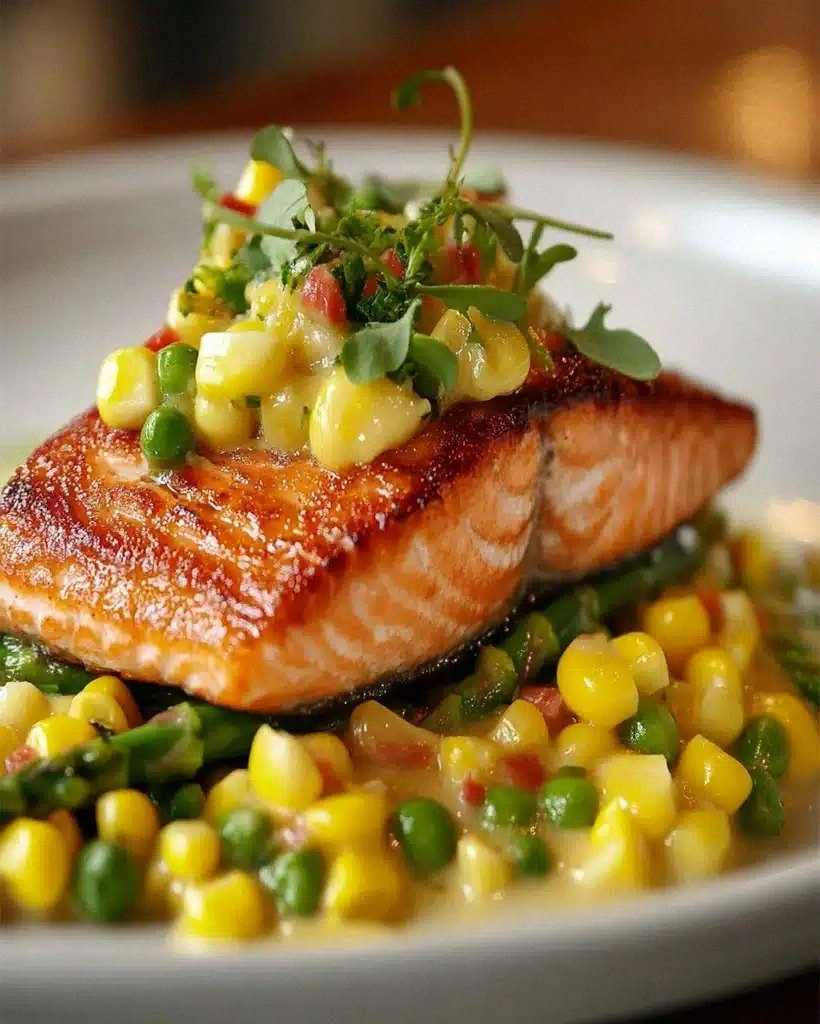
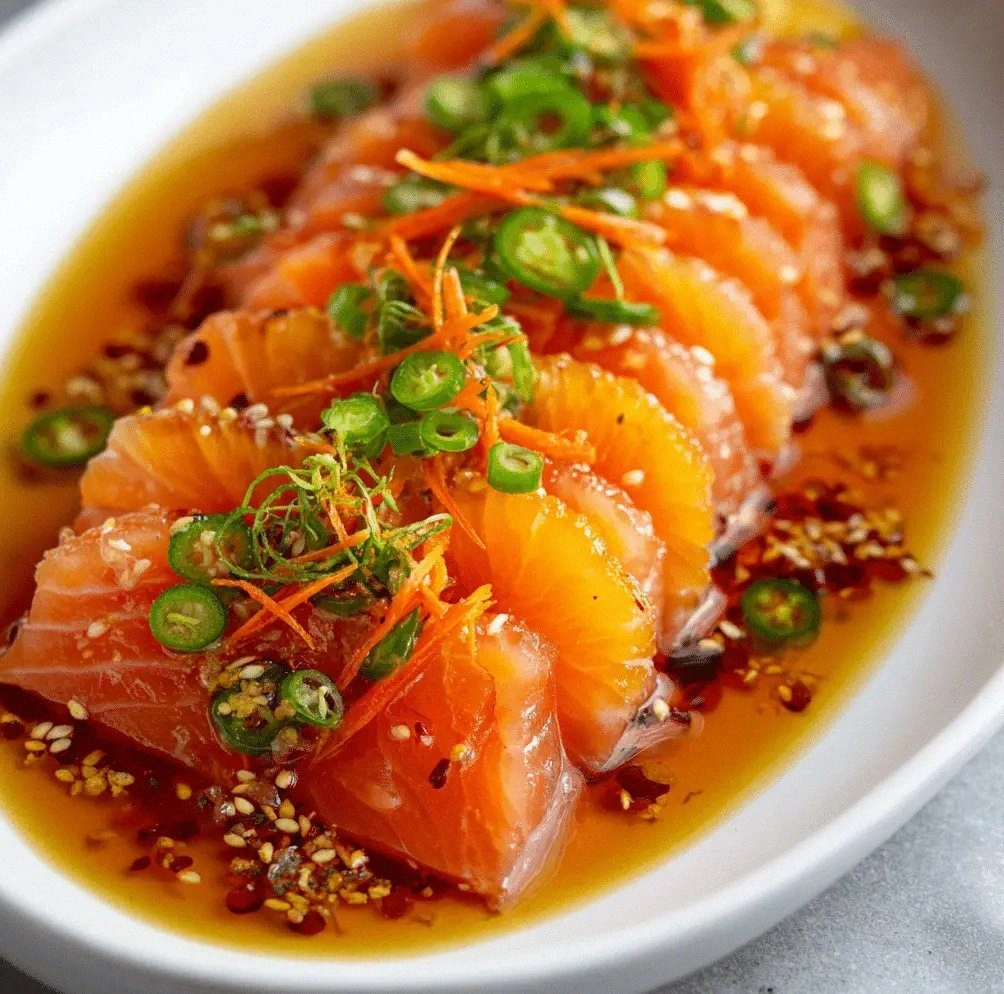
Picture yourself pulling this out of the fridge, the whole kitchen smelling incredible, and the guests’ eyes widening as they see the vibrant slices of salmon glistening under a drizzle of citrus dressing. The plating alone feels like a piece of art, with the salmon arranged like a rainbow on a white plate, accented by fresh herbs and a sprinkle of sesame seeds. I’ll be honest — I ate half the batch before anyone else got to try it. If you’ve ever struggled with crudo that turns into a mushy mess, you’re not alone — and I’ve got the fix. Let me walk you through every single step — by the end, you’ll wonder how you ever made it any other way.
What Makes This Version Stand Out
- Flavor: The citrus blend creates a bright, zesty profile that lifts the natural sweetness of the salmon. It’s a flavor that feels like a sunrise on your tongue.
- Texture: The low‑heat marination preserves the raw, buttery texture of the fish, giving it a silk‑smooth mouthfeel that melts instantly. No crunch, no chew.
- Simplicity: With fewer than ten ingredients, you can assemble this dish in under ten minutes, making it a go‑to for busy weeknights. No complicated techniques.
- Uniqueness: The combination of orange, grapefruit, and lime, plus a splash of sesame oil, gives it a distinctive twist that sets it apart from classic salmon crudo. It’s a flavor adventure.
- Crowd Reaction: Guests rave about the fresh, vibrant taste and the elegant presentation. It’s the kind of dish that becomes the talk of the dinner table.
- Ingredient Quality: Using wild salmon, freshly squeezed citrus, and high‑quality olive oil ensures every bite is a celebration of quality. No compromises.
- Cooking Method: The gentle marination technique avoids the pitfalls of over‑cooking or over‑seasoning, keeping the fish tender and flavorful. It’s a method that works every time.
- Make‑Ahead Potential: The dish can be prepared up to three hours ahead, letting the flavors meld while you focus on other dishes. It’s a stress‑free solution.
Inside the Ingredient List
The Flavor Base
The foundation of this crudo is the citrus trio—orange, grapefruit, and lime. Each fruit contributes a distinct profile: orange for mellow sweetness, grapefruit for a subtle bitterness, and lime for sharp acidity. Together, they create a complex, layered flavor that dances across the palate. If you skip the grapefruit, the dish loses its depth and becomes a one‑note citrus experience. When selecting fruit, choose ones that are slightly underripe for maximum juice; the skin should feel firm yet yield to gentle pressure. A quick tip: zest the fruit before juicing to capture essential oils that add an aromatic punch.
The Texture Crew
Salmon is the star, and its texture is paramount. Fresh wild salmon, not farmed, has a firmer bite and richer flavor. Slice it thinly against the grain to ensure each bite is tender. If you slice too thick, the citrus will overpower the fish; too thin, and it will dry out. A good rule of thumb is 1/8 inch thickness, about the width of a thumbnail. For a crispier bite, chill the salmon slices in the freezer for 15 minutes before marinating.
The Unexpected Star
Sesame oil and chili flakes bring a subtle depth and warmth that elevates the dish. Sesame oil adds nutty undertones, while chili flakes introduce a gentle heat that lingers on the palate. If you’re avoiding oil, a splash of rice vinegar can mimic the acidity, but the nutty flavor will be missing. You can also substitute chili flakes with a pinch of cayenne for a more pronounced heat. The key is to balance the heat so it doesn’t eclipse the citrus.
The Final Flourish
Fresh herbs—dill, basil, and a touch of parsley—add brightness and a herbal note that complements the citrus. Chopped cucumber and diced avocado bring crunch and creaminess, creating a textural contrast. Salt and pepper are essential to bring out the flavors, but use them sparingly to avoid masking the delicate fish. Anchovy paste, if you choose to use it, adds a savory umami kick that can be a game‑changer. Remember, every ingredient has a purpose; skipping any will alter the harmony of the dish.
The Method — Step by Step
- Step 1: Prep the Salmon. Rinse the salmon fillet under cold water, pat dry with paper towels, and remove any pin bones. Slice the fish into 1/8 inch thick rounds, using a sharp knife to keep the edges clean. Lay the slices flat on a chilled cutting board; this helps maintain uniform thickness. The fish should feel firm yet supple, ready to absorb the citrus. If you’re short on time, ask your fishmonger to pre‑sliced the fillet for you.
- Step 2: Juice the Citrus. Segment the orange and grapefruit, removing all seeds. Use a citrus juicer to extract the juice, then strain to remove pulp. Measure 0.5 cup of freshly squeezed lime juice and combine all three juices in a shallow bowl. The citrus mixture should be bright and slightly cloudy, a sign of fresh juice. If you prefer a smoother dressing, strain again through a fine sieve.
- Step 3: Whisk the Dressing. Add 0.25 cup extra‑virgin olive oil, 2 tbsp honey, 1 tbsp soy sauce, 1 tsp sesame oil, and 1 tsp chili flakes to the citrus juice. Whisk vigorously until the honey dissolves and the mixture emulsifies. The dressing should have a glossy sheen, indicating the oil has fully incorporated. Taste and adjust: a pinch of salt can enhance the citrus brightness. Remember, a well‑balanced dressing is the backbone of this dish.
- Step 4: Marinate the Salmon. Place the sliced salmon into a shallow dish, then pour the dressing over the top, ensuring each slice is fully coated. Gently toss to distribute the dressing evenly. Cover the dish with plastic wrap and refrigerate for 30 minutes. The fish will absorb the citrus flavors, becoming slightly translucent and tender. Avoid marinating longer than an hour, or the fish may begin to break apart.
- Step 5: Add Fresh Vegetables. While the salmon rests, dice 1 cucumber and 1 avocado into bite‑sized cubes. Sprinkle 1 tbsp chopped dill and 1 tbsp chopped basil over the salmon. Gently fold the vegetables into the fish, being careful not to break the delicate slices. The cucumber adds a crisp snap, and the avocado contributes a silky creaminess that balances the acidity.
- Step 6: Rest and Chill. Return the dish to the refrigerator and let the flavors meld for an additional 15 minutes. During this time, the citrus will gently infuse the fish, and the herbs will release their aroma. If you’re preparing ahead, cover the dish with parchment paper to keep it from drying out. When you’re ready to serve, remove the dish from the fridge and let it sit at room temperature for 5 minutes.
- Step 7: Plate the Crudo. Arrange the salmon slices in a fan shape on a chilled platter, ensuring each slice is visible. Drizzle a small amount of the leftover dressing over the top for an extra burst of flavor. Garnish with a sprinkle of toasted sesame seeds and a few fresh microgreens. The presentation should look like a vibrant sunrise on a plate. This is the moment of truth; the dish should smell fresh and citrusy.
- Step 8: Garnish and Finish. Finish the dish by adding a squeeze of fresh lime over the top for a bright pop. A few drops of sesame oil can be drizzled for a glossy sheen. If you like a little heat, sprinkle an extra pinch of chili flakes. The final touch should look effortless yet elegant.
- Step 9: Serve Immediately. Serve the crudo straight from the refrigerator to preserve the crispness of the cucumber and the freshness of the avocado. Offer a small bowl of extra dressing on the side for those who like a little extra sauce. The dish should be served cold, with a crisp white wine or sparkling water on hand. Enjoy the first bite and watch the flavors unfold.
That’s it — you did it. But hold on, I’ve got a few more tricks that will take this to another level. Keep reading, and let’s elevate your crudo from great to unforgettable.
Insider Tricks for Flawless Results
The Temperature Rule Nobody Follows
Many chefs assume that raw fish can be marinated at room temperature, but that invites bacterial growth. Keep the fish and dressing chilled until you’re ready to plate. A quick test: if the fish feels like a solid block of ice, it’s still safe. This simple rule saves you from a potential food safety mishap and ensures the fish remains buttery and tender.
Why Your Nose Knows Best
The aroma of citrus is a powerful indicator of freshness. If the citrus scent feels flat or sour, it’s likely past its prime. Likewise, a faint, sharp smell of fish can indicate spoilage. Trust your nose, and if something feels off, discard it. A fresh scent means a fresh bite.
The 5-Minute Rest That Changes Everything
After the initial 30‑minute marination, give the salmon a 5‑minute rest at room temperature before plating. This brief pause allows the fish to relax and the flavors to settle, resulting in a more cohesive taste. A friend once skipped this step, and the fish tasted raw and harsh; the lesson was clear.
Keep It Fresh
If you’re prepping ahead, store the crudo in an airtight container with parchment paper pressed on top. This prevents the fish from drying out and the dressing from separating. When you’re ready to serve, let it sit for 10 minutes to regain its original texture.
The Right Plate
Serve the crudo on a chilled white plate to enhance the colors and keep the fish cold. A wooden board can add rustic charm, but a glass plate offers a sleek, modern look. The plate should be large enough to spread the slices without crowding.
Pairing with Drinks
A crisp white wine, like a Sauvignon Blanc, complements the citrus notes perfectly. For a non‑alcoholic option, try sparkling water with a splash of lime. The key is to match the acidity of the drink to the dish’s brightness.
Creative Twists and Variations
This recipe is a playground. Here are some of my favorite ways to switch things up:
Spicy Mango Crudo
Swap the avocado for diced mango and add a dash of sriracha to the dressing. The sweet mango pairs beautifully with the citrus, while the sriracha adds a bold kick that satisfies spice lovers.
Herb‑Infused Crudo
Replace dill and basil with fresh mint and cilantro for a Mediterranean twist. The mint offers a cooling effect, and cilantro adds a bright, peppery note that complements the citrus.
Citrus‑Garlic Crudo
Introduce minced garlic into the dressing and finish with a drizzle of garlic‑infused olive oil. The garlic adds depth and a savory undertone that balances the bright acidity.
Citrus‑Sesame Crudo
Increase the sesame oil to 2 tsp and add toasted sesame seeds on top. The nutty flavor becomes more pronounced, creating a richer, earthier profile.
Citrus‑Avocado Crudo
Keep the avocado but add a handful of sliced radishes for crunch. The radish’s peppery bite provides a nice contrast to the buttery avocado.
Citrus‑Miso Crudo
Stir in a teaspoon of white miso into the dressing for an umami boost. The miso adds depth and a subtle saltiness that complements the citrus.
Storing and Bringing It Back to Life
Fridge Storage
Store the crudo in a shallow airtight container in the fridge for up to 2 days. Cover with parchment paper to keep the fish from drying out. The citrus dressing will keep the fish moist and flavorful.
Freezer Friendly
For longer storage, freeze the salmon slices before marinating. Wrap each slice individually in plastic wrap and place them in a freezer bag. Thaw overnight in the fridge before using the dressing.
Best Reheating Method
This dish is best served cold, but if you need to reheat, gently warm the dressing in a saucepan at low heat, then drizzle over the fish. Add a tiny splash of water to steam the fish back to a silky texture. Avoid over‑cooking, or the fish will become rubbery.