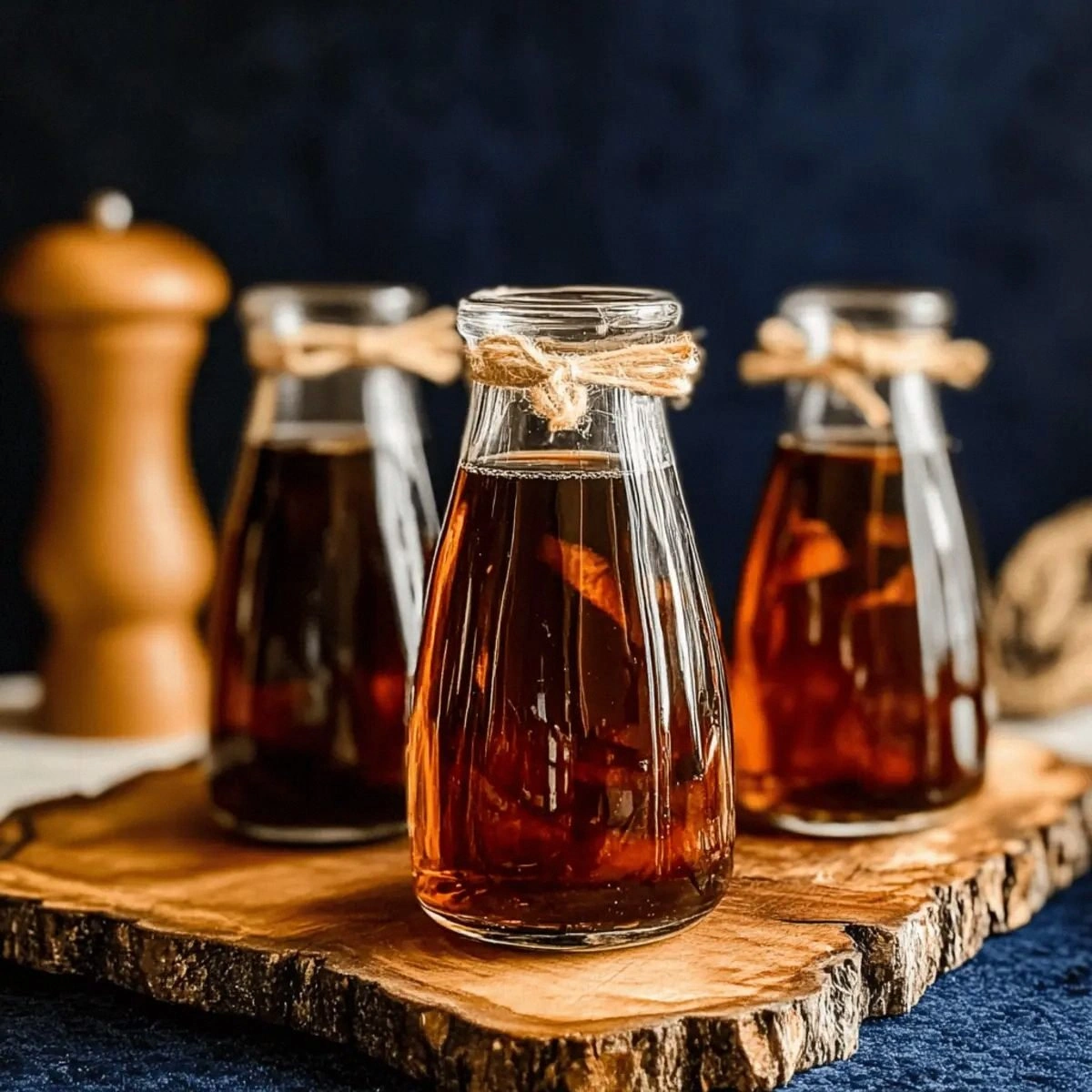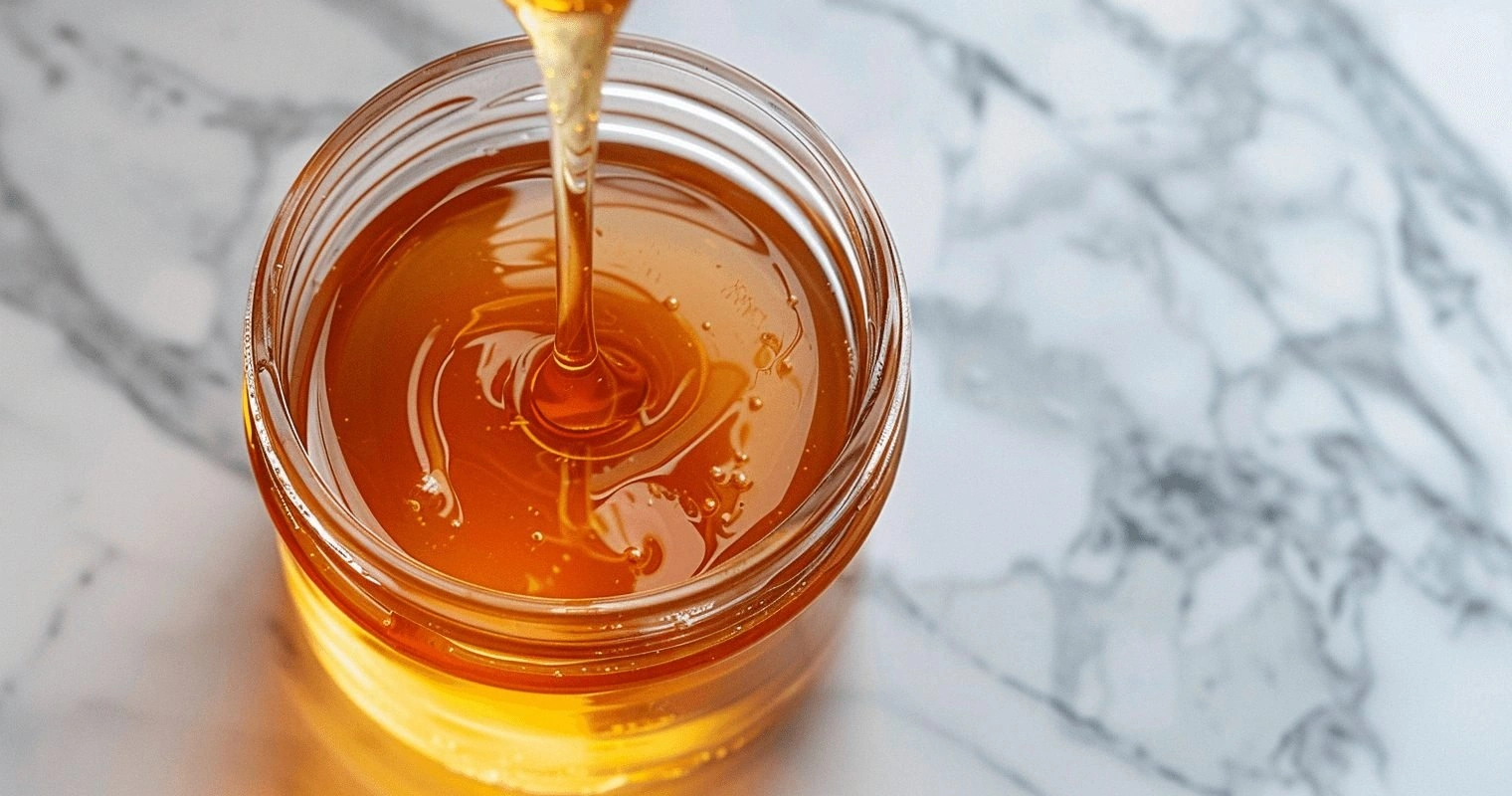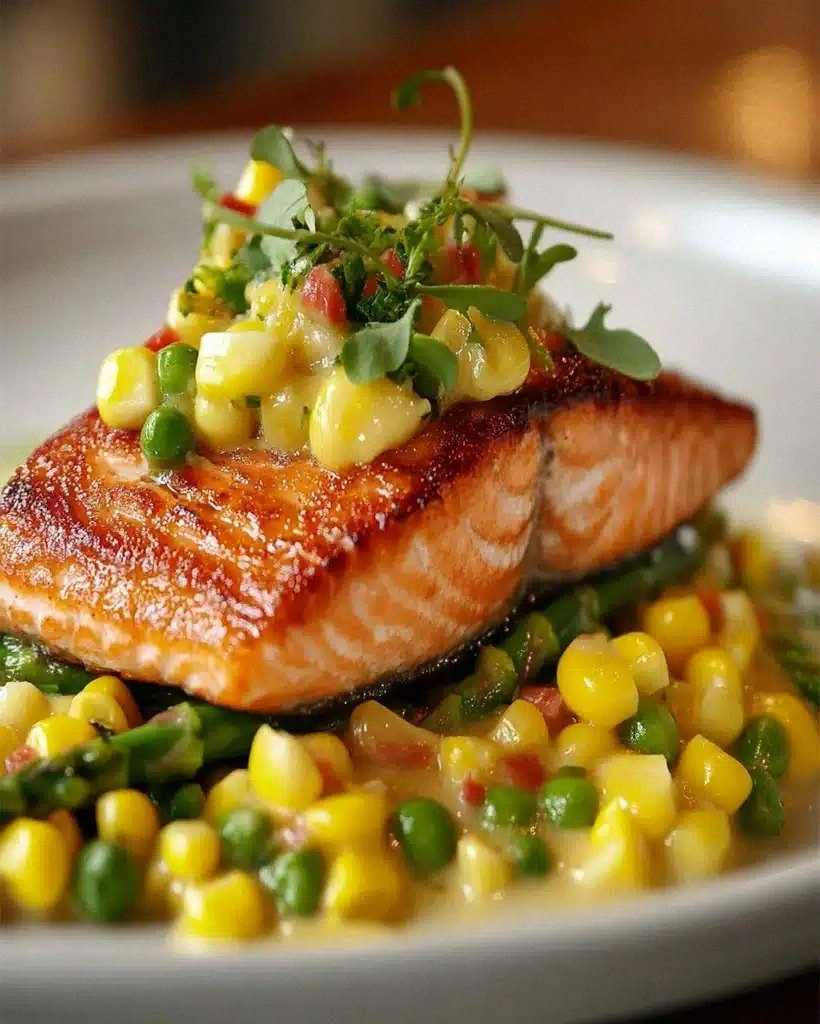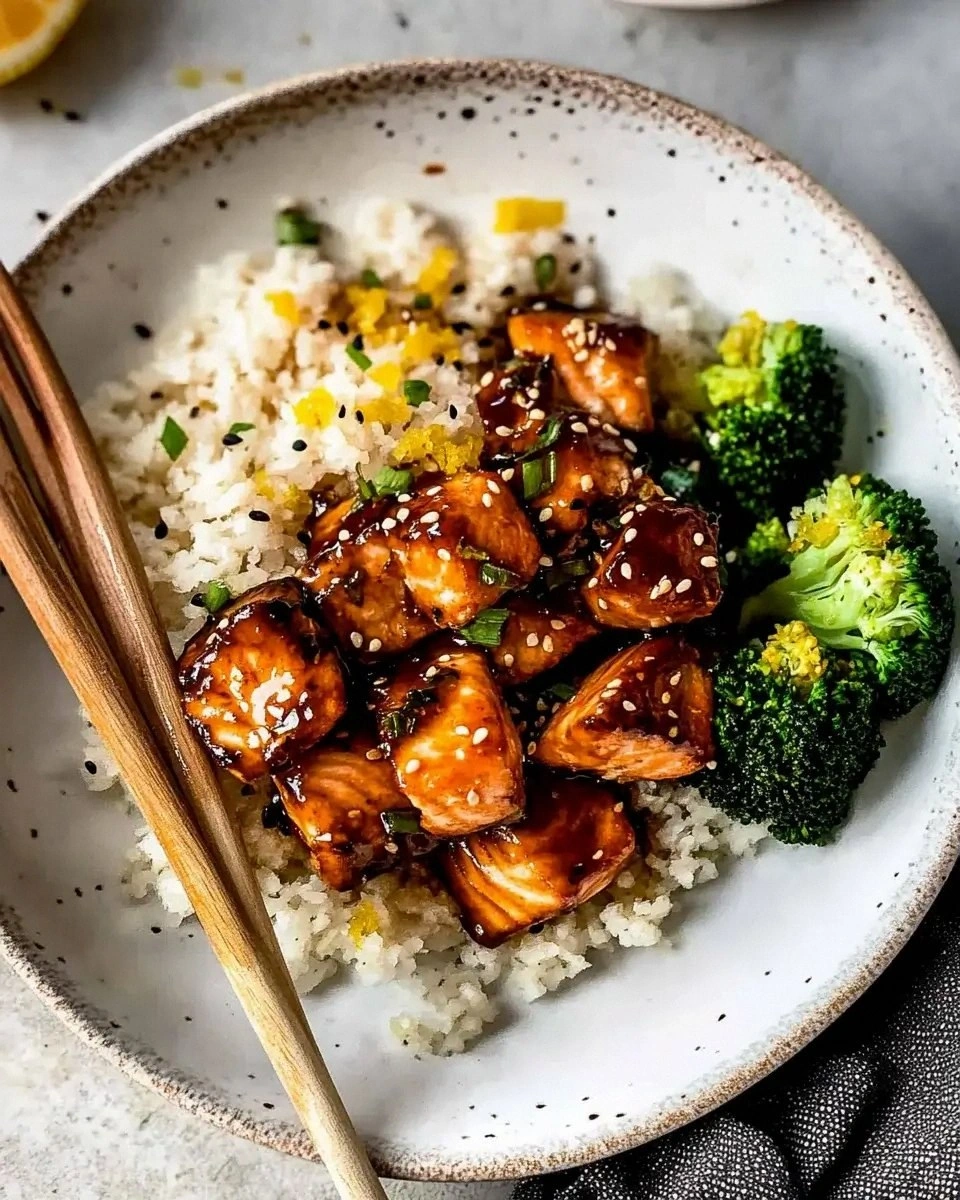
I’ll be honest — I ate half the batch before anyone else got to try it, and that was only because I was terrified the glaze would set and turn my kitchen into a sticky crime scene. It all started on a rainy Tuesday when I was trying to salvage a soggy leftover orange that had been abandoned in the fridge for a week. I sliced it, squeezed out the juice, and thought, “What if I turn this into a sauce that could actually make a piece of fish feel like a celebrity on a red carpet?” The result was a citrus glaze that clings to salmon like a second skin, shimmering with honeyed amber and a whisper of soy that makes every bite sing.
Picture yourself standing at the stove, the pan hot enough to make a hiss that sounds like a satisfied sigh, and the smell of orange zest dancing with the faint perfume of garlic and ginger. You hear the gentle pop of the glaze as it meets the hot pan, a sound that says, “We’re about to create something unforgettable.” The texture of the salmon turns buttery on the inside while the glaze forms a caramelized crust that cracks just enough to reveal the tender flesh underneath. The whole experience feels like a mini‑theater production, and you’re both the director and the star.
Most recipes get this completely wrong. They either drown the fish in a syrupy mess or they forget the balance that makes citrus sing. This version stands out because it respects the salmon’s natural richness while adding a bright, tangy layer that never overpowers. I’m daring you to taste this and not go back for seconds; the flavor is so addictive that you’ll start planning your next grocery run around the orange aisle. The secret? A dash of Dijon mustard that adds depth without the usual mustard bite, and a pinch of ginger powder that lifts the whole thing into a bright, almost tropical vibe.
Let me walk you through every single step — by the end, you’ll wonder how you ever made it any other way. Okay, ready for the game‑changer? The glaze isn’t just orange juice and honey; it’s a carefully calibrated symphony of sweet, salty, and umami, with a hint of heat that will make your taste buds do a little dance. Stay with me here — this is worth it.
What Makes This Version Stand Out
- Taste: The citrus‑honey glaze delivers a perfect sweet‑tart balance that makes each bite feel like a celebration of summer in a single mouthful.
- Texture: A caramelized crust gives the salmon a satisfying snap, while the interior stays flaky and buttery, creating a contrast that’s pure culinary poetry.
- Simplicity: Only ten ingredients, all pantry‑friendly, mean you can throw this together on a weeknight without a frantic grocery run.
- Uniqueness: The addition of Dijon mustard and ginger powder is an unexpected twist that elevates the glaze from ordinary to unforgettable.
- Crowd Reaction: I’ve seen friends’ eyes widen, forks pause mid‑air, and then the inevitable “Can I have the recipe?” chorus—this dish is a guaranteed crowd‑pleaser.
- Ingredient Quality: Fresh orange juice, not from a bottle, provides bright acidity that bottled juice simply can’t match.
- Cooking Method: Pan‑searing locks in moisture, while the glaze finishes the fish with a glossy, restaurant‑style finish.
- Make‑Ahead Potential: The glaze can be prepared ahead of time, allowing you to focus on perfecting the sear when you’re ready to serve.
Alright, let's break down exactly what goes into this masterpiece...
Inside the Ingredient List
The Flavor Base
Fresh orange juice (½ cup): This is the heart of the glaze, providing bright acidity that cuts through the richness of the salmon. If you skip it, the sauce loses its signature zing and becomes a dull sweet syrup. A good tip is to roll the orange on the countertop before juicing to release more juice. For a twist, try grapefruit juice for a slightly bitter edge.
Honey (1 tablespoon): Honey adds a natural sweetness and helps the glaze caramelize beautifully. Using too much will make the glaze overly sticky, while too little leaves it flat. If you’re allergic to honey, maple syrup works as a 1:1 substitute and adds a subtle woodsy note.
The Texture Crew
Olive oil (1 tablespoon): This thin layer of oil prevents the salmon from sticking and creates a crisp surface. Choose extra‑virgin for a fruitier flavor, but any neutral oil will do the job. If you’re watching calories, a light spray of cooking spray works, though you’ll lose a bit of that buttery mouthfeel.
Salt (1 teaspoon) and Black pepper (½ teaspoon): These basics season the fish and enhance the glaze’s depth. Salt draws out moisture, helping the skin crisp up, while pepper adds a gentle heat that complements the citrus. If you’re low‑sodium, reduce the salt to ½ teaspoon and add a pinch of smoked paprika for complexity.
The Unexpected Star
Dijon mustard (1 teaspoon): A tiny spoonful of Dijon injects a subtle tang and emulsifies the glaze, preventing it from separating. Skipping it makes the glaze watery and less cohesive. For a milder profile, use yellow mustard, but you’ll lose that sophisticated bite.
Ginger powder (½ teaspoon) and Garlic powder (½ teaspoon): These spices bring warmth and aroma without the moisture of fresh ginger or garlic. Fresh versions would work, but they could make the glaze too runny. If you love spice, add a pinch of cayenne for a hidden kick.
The Final Flourish
Soy sauce (1 teaspoon): Soy sauce adds umami and a salty depth that balances the sweetness. Use low‑sodium soy if you’re watching your sodium intake. A splash of tamari works for a gluten‑free version.
Chopped fresh parsley (1 tablespoon): This herb adds a burst of color and a fresh, grassy finish that brightens the plate. If parsley isn’t your thing, cilantro or chives can substitute, each bringing its own personality.
Everything's prepped? Good. Let's get into the real action...
The Method — Step by Step
Pat the salmon fillets dry with paper towels; moisture is the enemy of a good sear. Season both sides generously with the teaspoon of salt and the half‑teaspoon of black pepper, then let them rest for five minutes. This short rest allows the seasoning to penetrate the flesh, creating a flavor foundation that’s deeper than a quick sprinkle.
Kitchen Hack: Sprinkle the seasoning on a plate first, then press the fish onto it. This ensures an even coating and prevents seasoning from sliding off when you flip.Heat a large non‑stick skillet over medium‑high heat and add the tablespoon of olive oil. When the oil shimmers and starts to ripple, it’s ready— that sizzle when it hits the pan? Absolute perfection. Gently lay the salmon skin‑side down (if your fillets have skin) and press lightly with a spatula for 30 seconds to ensure full contact.
The edges should start turning opaque, and you’ll hear a faint crackle as the skin crisps. Let the fish cook undisturbed for about 4‑5 minutes; moving it too soon will tear the delicate flesh.
While the salmon is searing, whisk together the orange juice, honey, soy sauce, Dijon mustard, garlic powder, ginger powder, and a pinch of black pepper in a small bowl. The mixture should look glossy and slightly thickened—if it’s too runny, add a splash more honey.
This is the moment of truth: the glaze will transform from liquid to a syrupy coat as it meets the heat.
After the salmon has developed a golden crust, carefully flip it using a wide spatula. Reduce the heat to medium‑low and pour the prepared glaze over the fillets. You’ll hear a gentle fizz as the glaze hits the hot fish, and the aroma of caramelized orange will fill the kitchen.
Watch Out: If the glaze starts to burn, lower the heat immediately and add a splash of water to de‑glaze the pan.Allow the glaze to simmer gently, basting the salmon with a spoon every minute. After about 3‑4 minutes, the sauce should thicken and cling to the fish like a glossy lacquer. The fish is done when it flakes easily with a fork and the internal temperature reaches 145°F (63°C).
Give the fillets a final drizzle of any remaining glaze in the pan; this extra coating adds a luscious sheen that looks restaurant‑ready.
Remove the salmon from the pan and transfer it to a warm serving plate. Sprinkle the chopped fresh parsley over the top for a pop of color and a fresh herbal note that cuts through the sweetness.
Let the fish rest for two minutes; this short rest lets the juices redistribute, ensuring each bite is moist and flavorful.
While the salmon rests, you can quickly reduce any leftover glaze in the pan to a syrupy consistency for drizzling. If the glaze thickens too much, whisk in a teaspoon of water to loosen it.
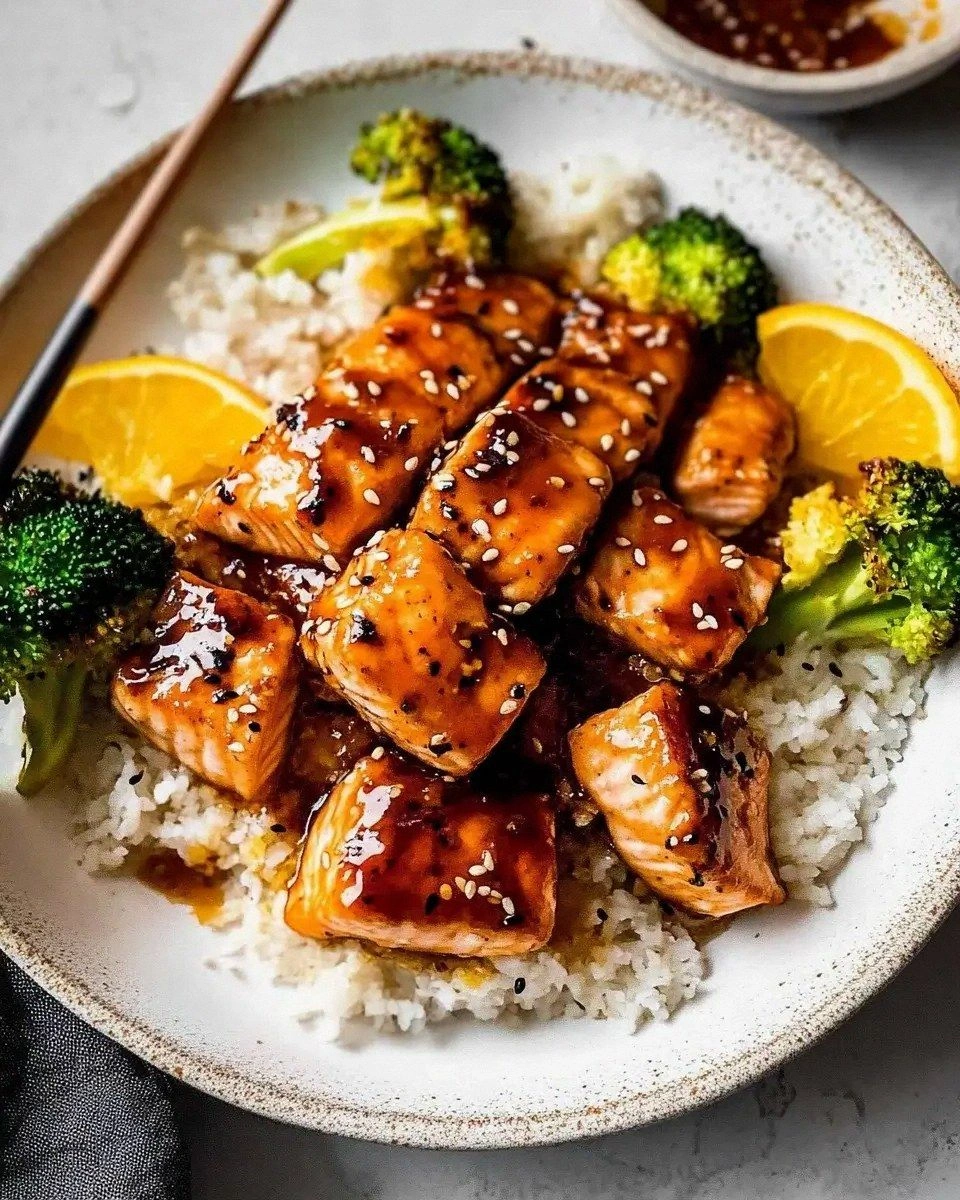
Serve the salmon alongside steamed vegetables, a light quinoa salad, or simply on its own with a wedge of orange for extra zest.
Finally, step back and admire your creation. The scent of citrus, honey, and a hint of soy should still be lingering, inviting everyone to the table. Picture yourself pulling this out of the pan, the whole kitchen smelling incredible, and the first bite delivering that perfect balance of sweet, salty, and tangy.
That’s it — you did it. But hold on, I’ve got a few more tricks that’ll take this to another level...
Kitchen Hack: For an ultra‑glossy finish, whisk a teaspoon of cold butter into the reduced glaze right before serving.
Insider Tricks for Flawless Results
The Temperature Rule Nobody Follows
Never start with a cold pan. Let your skillet heat up for at least two minutes before adding oil; this ensures the oil reaches the optimal temperature for a quick sear. If the oil starts to smoke, it’s a sign you’ve gone too high—dial it back to medium‑high. I once tried to speed things up by cranking the heat, and the salmon ended up with a burnt exterior and raw interior. Trust the gradual heat buildup; it’s the secret to that perfect caramelized crust.
Why Your Nose Knows Best
Your sense of smell is a more reliable indicator than a timer when it comes to glaze reduction. As the glaze simmers, you’ll notice a sweet‑tart aroma intensifying; that’s the cue that the sugars are caramelizing. If you smell a burnt note, pull the pan off the heat immediately. I’ve learned to rely on this nose‑check more than any clock, and it saves countless sauces from turning into a bitter mess.
The 5‑Minute Rest That Changes Everything
After cooking, let the salmon rest for exactly five minutes. This short pause allows the protein fibers to relax and re‑absorb the juices, resulting in a moist bite every time. Skipping this step leads to a dry, over‑cooked texture that feels like chewing on cardboard. I’ve seen friends serve the fish straight from the pan and wonder why it’s not as juicy—resting is the answer.
The Butter Finish Trick
A tablespoon of cold butter whisked into the final glaze adds a velvety sheen and a subtle richness that elevates the dish from good to gourmet. The butter emulsifies the citrus acids and honey, smoothing out any harsh edges. If you’re dairy‑free, try a splash of coconut cream for a similar effect, though the flavor profile will shift slightly toward tropical.
Seasonal Citrus Swap
If oranges aren’t in season, substitute with blood orange or even a mix of lemon and lime for a more tart profile. The key is to keep the acidity level similar—about half a cup of juice total. I once tried using just lemon juice and found the glaze too sharp; balancing it with a teaspoon of maple syrup restored the harmony.
Pan Choice Matters
A heavy‑bottomed stainless steel or cast‑iron skillet distributes heat evenly, preventing hot spots that can scorch the glaze. Non‑stick pans are fine for beginners, but they don’t develop the same fond (the brown bits) that adds depth to the sauce. If you’re using non‑stick, de‑glaze with a splash of water before adding the glaze to capture those flavors.
Creative Twists and Variations
This recipe is a playground. Here are some of my favorite ways to switch things up:
Spicy Sriracha Kick
Add a teaspoon of sriracha to the glaze for a subtle heat that pairs beautifully with the citrus. The heat cuts through the sweetness and makes the dish perfect for those who love a little fire. Garnish with sliced jalapeños for extra crunch.
Herb‑Infused Elegance
Swap the parsley for fresh dill and add a teaspoon of chopped thyme to the glaze. Dill’s bright, anise‑like flavor complements salmon wonderfully, while thyme adds an earthy undertone. This variation feels like a spring garden on a plate.
Asian Fusion
Replace the orange juice with a mix of yuzu and a splash of rice vinegar, and add a teaspoon of toasted sesame oil to the glaze. Finish with toasted sesame seeds and thinly sliced green onions. The result is a bright, nutty dish that transports you to a Japanese izakaya.
Maple‑Ginger Glaze
Swap honey for pure maple syrup and increase the ginger powder to ¾ teaspoon. The maple adds a deep, caramel flavor that pairs with the ginger’s warmth, creating a cozy, autumn‑ready version. Serve with roasted root vegetables for a complete fall feast.
Coconut Lime Splash
Use coconut milk (¼ cup) mixed with lime juice instead of orange juice, and add a pinch of toasted coconut flakes as garnish. This tropical twist turns the dish into a beach‑side dinner, perfect for summer evenings.
Storing and Bringing It Back to Life
Fridge Storage
Place leftover salmon in an airtight container and drizzle a thin layer of the remaining glaze over the top. Store in the refrigerator for up to three days. The glaze acts as a barrier, keeping the fish moist and preventing it from drying out.
Freezer Friendly
Wrap each fillet tightly in parchment paper, then place them in a zip‑top freezer bag. Freeze for up to two months. When ready to eat, thaw overnight in the fridge and reheat using the gentle steam method (see next subsection).
Best Reheating Method
Add a tiny splash of water (about a tablespoon) to a skillet, cover, and warm over low heat for three to four minutes. The steam revives the glaze’s sheen and restores the salmon’s buttery texture. Avoid microwaving, which can turn the delicate fish rubbery.