I was standing in my kitchen on a rainy Tuesday, staring at a half‑finished grocery bag and wondering why my dinner plans always felt like a bad improv act. The pantry was screaming for something bright, the fridge had a lonely pack of chicken breasts, and my mind kept drifting to that jar of blueberries I bought for a smoothie that never happened. I tossed the chicken into a pan, added a splash of balsamic, and—by pure accident—sprinkled a handful of fresh thyme. The moment the fragrant steam hit my nose, I swear the kitchen turned into a forest clearing at dawn. That accidental combo? Pure magic. I dared myself to taste it, and I was instantly hooked.
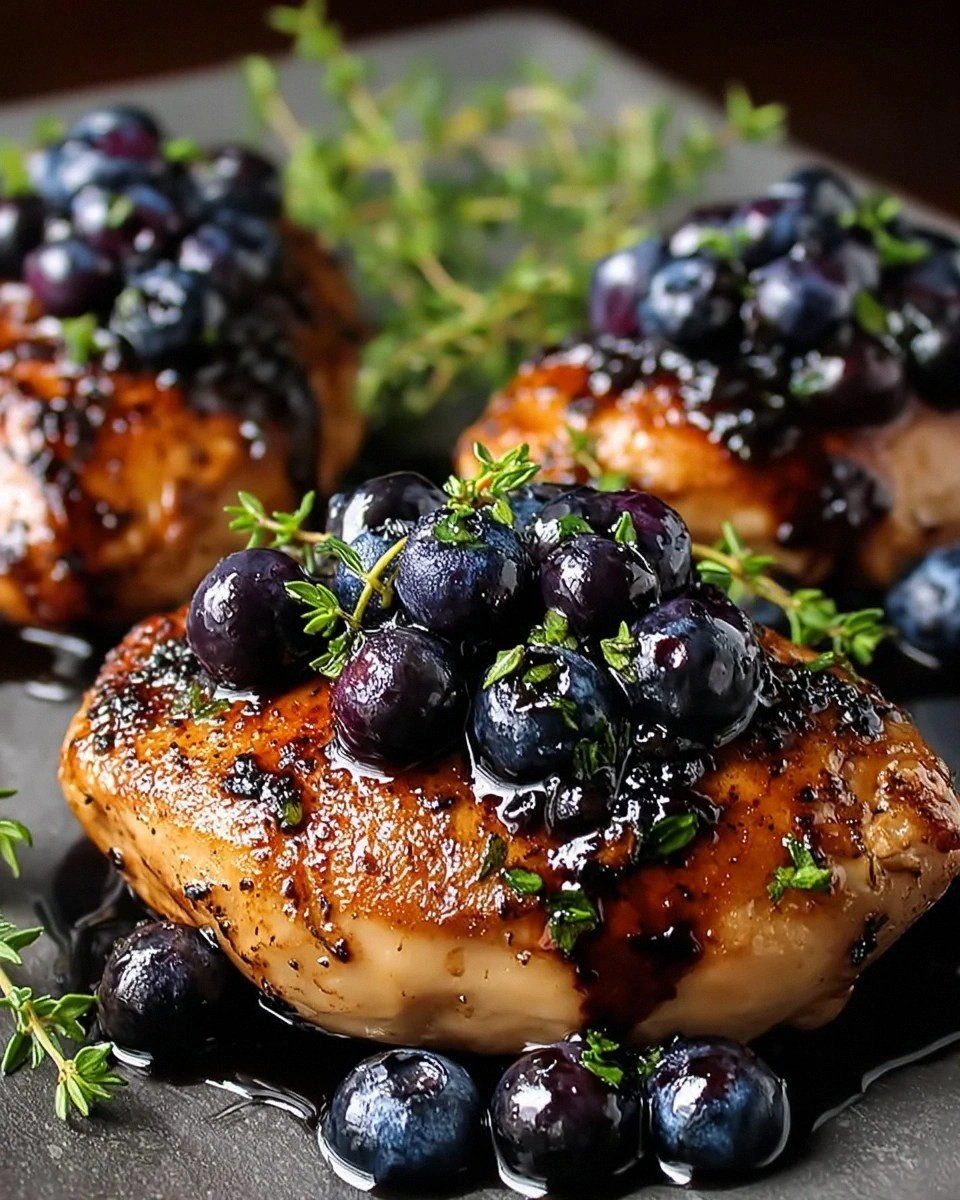
Picture this: the sizzle of olive oil hitting a hot skillet, the chicken skin (well, the surface) cracking like a crisp autumn leaf, and a glossy sauce bubbling with blueberries that look like tiny midnight jewels. The aroma is a mash‑up of sweet fruit, tangy vinegar, and earthy thyme—so intoxicating that even the cat pauses mid‑prance to sniff. When you finally cut into the chicken, the meat is juicy, the glaze clings like a velvet curtain, and the burst of blueberry tang makes each bite feel like a celebration. The texture contrast—soft, buttery chicken against the slight chew of reduced fruit—creates a mouthfeel that’s both comforting and exhilarating.
Most recipes I’ve tried either drown the chicken in a syrupy mess or leave the fruit as a bland side. This version? It balances the sweet and savory with the precision of a seasoned chef and the spontaneity of a backyard cookout. I’m not exaggerating when I say this is hands down the best version you’ll ever make at home. It’s simple enough for a weeknight, yet impressive enough to wow a crowd. And the secret weapon? A splash of balsamic that adds depth without overpowering the delicate blueberry‑thyme duet.
Okay, ready for the game‑changer? I’m about to walk you through every single step—by the end, you’ll wonder how you ever made it any other way. I dare you to taste this and not go back for seconds. Let’s get started.
What Makes This Version Stand Out
- Taste: The sweet‑tart dance of blueberries with balsamic creates a sauce that’s both bright and deep, hugging the chicken like a perfect partner.
- Texture: A crisp, caramelized exterior meets a melt‑in‑your‑mouth interior, while the glaze adds a silky, slightly gelatinous finish.
- Simplicity: Fewer than ten ingredients, one pan, and under an hour of your time—no fancy gadgets required.
- Uniqueness: Combining fresh thyme with blueberries is rare, turning a classic chicken dinner into a culinary adventure.
- Crowd Reaction: Guests often ask, “What’s the secret?” and you get to say, “It’s just blueberries and thyme, really.”
- Ingredient Quality: Fresh, plump blueberries and fragrant thyme elevate the dish beyond ordinary pantry staples.
- Cooking Method: The sear‑then‑sauce technique locks in juices while the glaze finishes the flavor profile.
- Make‑Ahead Potential: The glaze can be prepared ahead, and the chicken reheats beautifully, making leftovers a treat.
Inside the Ingredient List
The Flavor Base
Fresh blueberries are the heart of this dish. Their natural sugars caramelize quickly, creating a glossy reduction that coats the chicken like a sweet, tangy glaze. If you skip them, you lose the signature burst of fruit that balances the balsamic’s acidity. As a swap, you could use frozen berries—just thaw and dry them first to avoid excess water.
The Aroma Crew
Fresh thyme leaves bring an earthy, almost piney note that cuts through the sweetness of the berries. A pinch of dried thyme can work, but fresh leaves release volatile oils that make the sauce sing. If thyme isn’t your jam, try rosemary for a more resinous profile, but remember it will dominate the subtle blueberry flavor.
The Sweet‑Sour Duo
Balsamic vinegar adds a deep, mellow acidity that prevents the glaze from becoming cloyingly sweet. It also contributes that dark, glossy sheen you see on a restaurant plate. Honey is the binding agent, tying the fruit and vinegar together while adding a mellow floral sweetness. In a pinch, maple syrup works, but it will introduce a woodier undertone.
The Final Flourish
Olive oil is the silent hero for searing, providing a rich mouthfeel and a subtle fruitiness that complements the thyme. Salt and freshly ground black pepper are the classic seasoning duo; they enhance every other flavor without stealing the spotlight. When choosing chicken breasts, opt for organic, free‑range birds; they have a firmer texture and richer taste that holds up to the glaze.
Everything's prepped? Good. Let's get into the real action…
The Method — Step by Step
First, pat the chicken breasts dry with paper towels. This simple step is crucial; moisture is the enemy of a golden crust. Sprinkle both sides generously with salt and freshly ground black pepper, then let the seasoned meat rest for five minutes. While it rests, the seasoning will start to penetrate, ensuring every bite is flavorful.
Heat a large skillet over medium‑high heat and add the olive oil. When the oil shimmers and begins to ripple, it’s ready. Carefully lay the chicken breasts in the pan, skin‑side down (if you’re using skin‑on, but we’re skinless here). You’ll hear that satisfying sizzle—That sizzle when it hits the pan? Absolute perfection. Let the chicken sear undisturbed for 4‑5 minutes until the edges turn opaque and the bottom is a deep golden brown.
Kitchen Hack: Tilt the pan slightly and spoon the hot oil over the top of the chicken to ensure even cooking.While the chicken sears, start the glaze. In a small saucepan, combine fresh blueberries, balsamic vinegar, honey, and the fresh thyme leaves. Bring the mixture to a gentle boil, then reduce the heat to a simmer. As the berries break down, they’ll release their juices, turning the sauce a deep ruby color. Let it simmer for about 6‑8 minutes, stirring occasionally, until it thickens enough to coat the back of a spoon.
Once the chicken has a beautiful crust, flip it over and add the reduced glaze directly into the skillet. The pan will hiss as the acidic glaze meets the hot oil—this is the moment of truth. Stir gently to coat the chicken, then lower the heat to medium‑low. The sauce will bubble and begin to cling to the meat, creating a glossy, caramelized finish.
Watch Out: If the glaze starts to scorch, add a splash of water or chicken broth to deglaze and prevent bitterness.Cover the skillet with a lid and let the chicken finish cooking in the glaze for another 8‑10 minutes. The internal temperature should reach 165°F (74°C) when checked with a meat thermometer. The lid traps steam, ensuring the chicken stays juicy while the glaze deepens in flavor.
When the chicken is done, transfer it to a cutting board and let it rest for five minutes. Resting allows the juices to redistribute, preventing a dry bite. While it rests, give the glaze a final stir; it should be thick enough to drizzle but still fluid enough to coat.
Slice the chicken breasts against the grain into thick medallions. Arrange them on a serving platter, then spoon the luscious blueberry‑thyme glaze over each piece. Garnish with a handful of fresh blueberries and a few extra thyme leaves for that pop of color and aroma.
Serve immediately with your favorite side—roasted potatoes, quinoa, or a simple green salad. As you bring the plate to the table, picture yourself pulling this out of the oven, the whole kitchen smelling incredible, and watch the faces light up. This next part? Pure magic.
Insider Tricks for Flawless Results
The Temperature Rule Nobody Follows
Never start with a cold pan. Let the skillet heat up for at least two minutes before adding oil. This ensures the oil reaches the perfect temperature to sear the chicken instantly, locking in moisture. I once tried to rush this step and ended up with a soggy crust that fell apart when I sliced it—lesson learned.
Why Your Nose Knows Best
When the glaze starts to thicken, trust your sense of smell. A faint caramel aroma signals that the sugars are caramelizing without burning. If you detect a burnt scent, lower the heat immediately and add a splash of broth. Your nose is a more reliable gauge than a timer.
The 5‑Minute Rest That Changes Everything
Resting the chicken isn’t optional; it’s essential. Those five minutes let the muscle fibers relax, so the juices stay inside rather than spilling onto the plate. Skipping this step is the fastest way to turn a gourmet dish into a dry disappointment.
Glaze Consistency Check
A perfect glaze should coat the back of a spoon without running off too quickly. To test, dip a spoon into the sauce and run your finger across the back; if the line stays clear, you’ve nailed it. If it drips, keep simmering a minute or two longer.
Seasoning Layers
Season the chicken twice—once before searing and once after the glaze is added. The first layer builds a foundation, while the second enhances the final flavor profile. I once tried a single seasoning pass and the dish felt flat; adding that second sprinkle of salt and pepper made the difference.
Creative Twists and Variations
This recipe is a playground. Here are some of my favorite ways to switch things up:
Spicy Kick
Add a pinch of crushed red pepper flakes to the glaze. The heat will contrast beautifully with the sweet blueberries, giving the dish a subtle, lingering warmth that’s perfect for cooler evenings.
Citrus Burst
Stir in a tablespoon of orange zest and a splash of fresh orange juice into the reduction. The citrus brightens the flavor, making it feel lighter and perfect for spring brunches.
Herb Medley
Swap half of the thyme for rosemary or sage. Each herb brings its own personality—rosemary adds piney depth, while sage offers an earthy, slightly peppery nuance.
Savory Swap
Replace chicken with pork tenderloin or turkey cutlets. Both proteins absorb the glaze well, and the cooking times adjust slightly—pork benefits from a longer simmer, while turkey cooks faster.
Dessert‑Inspired Finish
Drizzle a thin stream of vanilla‑infused Greek yogurt over the plated chicken for a creamy contrast. The cool yogurt balances the warm glaze, turning the dish into a sweet‑savory masterpiece.
Storing and Bringing It Back to Life
Fridge Storage
Allow the chicken and glaze to cool to room temperature, then transfer to an airtight container. Store in the refrigerator for up to three days. When reheating, add a splash of water or broth to the glaze and gently warm over low heat to revive the sauce’s sheen.
Freezer Friendly
Portion the cooked chicken and glaze into freezer‑safe bags or containers. Freeze for up to two months. To reheat, thaw overnight in the fridge, then warm in a skillet over medium heat, adding a tablespoon of olive oil to prevent sticking.
Best Reheating Method
The stovetop is king. Place the chicken in a skillet, add a teaspoon of water, cover, and heat gently for five minutes. This method restores the sauce’s glossy texture and keeps the chicken tender. Microwaving is a fallback, but it can make the glaze gummy.