When the kitchen lights flickered and the timer on my phone buzzed like a tiny drum, I knew I was in trouble. I had promised my friend a dessert that would wow her, but the last thing I wanted was a soggy, over‑cooked cheesecake that looked like a soggy sponge. That night, after a frantic search through Pinterest and a few failed attempts, I stumbled on a tofu cheesecake recipe that promised lightness, creaminess, and zero guilt. The moment I tasted the first bite, the kitchen filled with a citrusy tang that danced on the palate like a bright summer breeze. I swear, that first bite was so satisfying that I almost forgot to call my friend back.
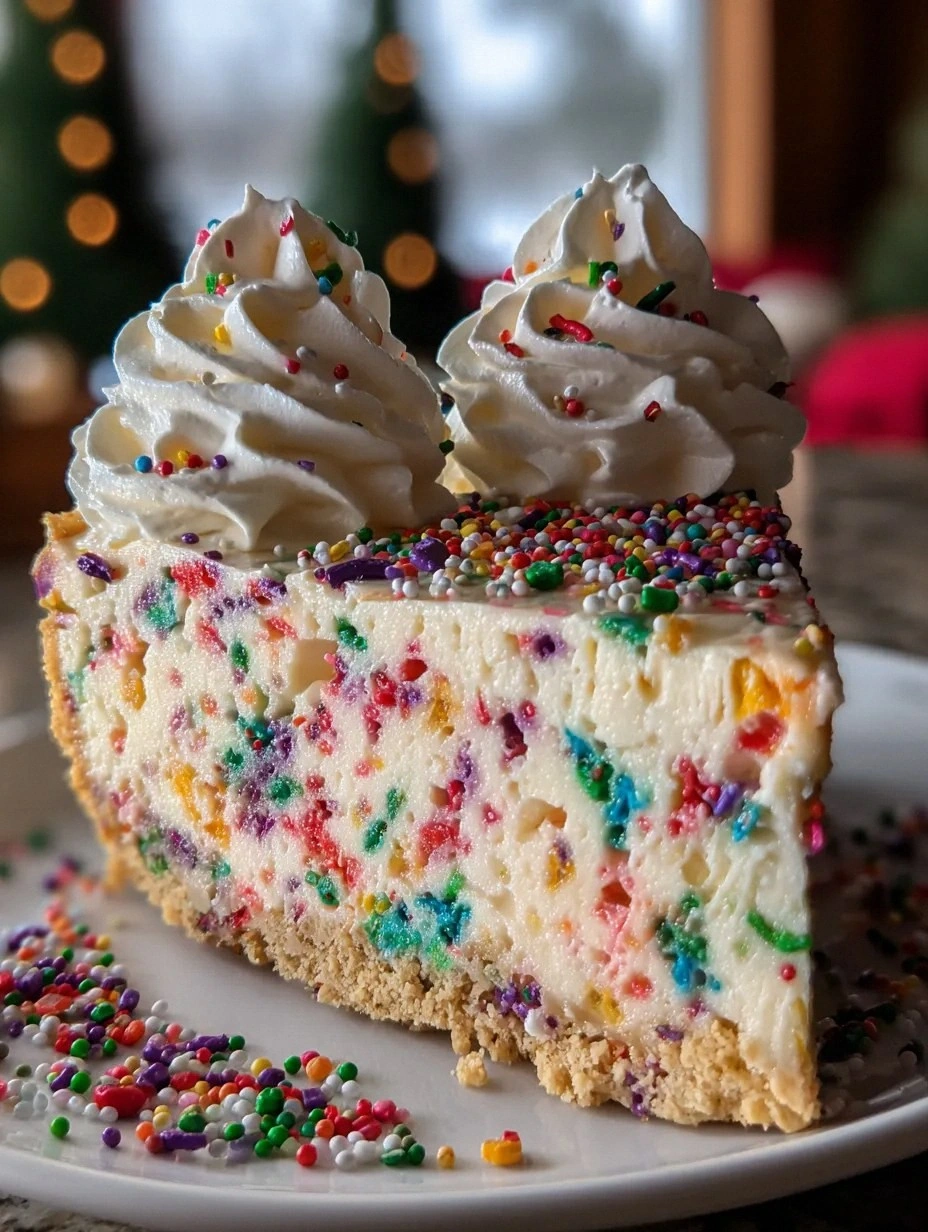
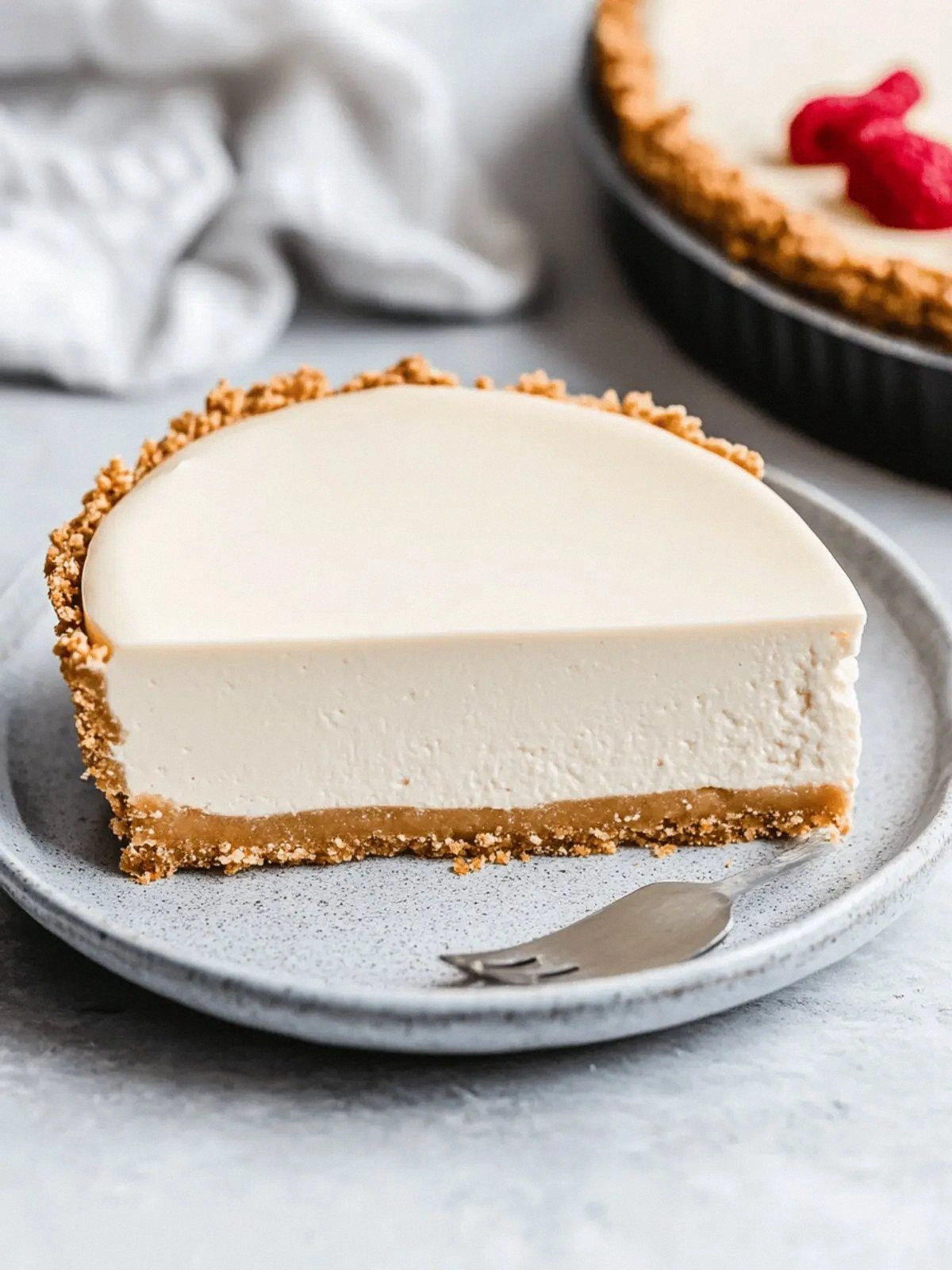
Picture yourself pulling this out of the oven, the whole kitchen smelling incredible—sweet lemon, faint coconut, and a hint of vanilla that lingers like a memory. The crust is a golden‑brown crunch that cracks like brittle ice, and the filling is a silky, almost velvety texture that melts in your mouth. I dare you to taste this and not go back for seconds. Most recipes get this completely wrong, but this one is hands down the best version you'll ever make at home. The secret? A blend of silken tofu and a splash of plant‑based milk that keeps the cheesecake airy yet dense enough to hold its shape. And that little trick with cornstarch and agar agar? It sets the filling just right, giving it a mousse‑like quality without any heavy dairy.
I’ll be honest—once I made this cheesecake, I ate half the batch before anyone else got a chance to try it. The texture is so smooth that it feels like a dessert you could eat with a spoon, yet the flavor profile is complex: bright citrus, subtle vanilla, and a hint of coconut that lingers. If you've ever struggled with a cheesecake that turns out too heavy or too runny, you're not alone—and I've got the fix. The best part is that you can make it ahead of time, which makes it a perfect last‑minute dessert for any gathering. And the best part? You can keep it in the fridge for up to a week, and it stays just as creamy as when it first came out of the oven.
Let me walk you through every single step—by the end, you'll wonder how you ever made it any other way. From selecting the freshest silken tofu to mastering the perfect crumb crust, every detail matters. You'll learn how to avoid the common pitfalls that ruin even the most enthusiastic cheesecake attempts. And if you’re ready to elevate your dessert game, stick around for the final touches that make this cheesecake truly unforgettable.
What Makes This Version Stand Out
- Taste: The lemon zest and juice give a bright, zesty punch that cuts through the richness without overpowering it. The vanilla adds depth, creating a balanced flavor that lingers pleasantly on the palate.
- Texture: The blend of silken tofu and plant‑based milk yields a silky, mousse‑like consistency that feels light on the tongue yet satisfies the desire for a dense cheesecake.
- Simplicity: Only ten ingredients, most of which you likely already have in your pantry. No need for specialty dairy products or fancy equipment.
- Uniqueness: The use of cornstarch and agar agar as a dual thickener gives a clean set while keeping the filling airy. This combination is rarely seen in traditional cheesecake recipes.
- Crowd Reaction: Friends who try this say it tastes like a classic cheesecake but feels like a dessert that could be enjoyed at any time of day.
- Ingredient Quality: Choosing organic, non‑GMO tofu and coconut oil ensures the final product is both healthy and flavorful.
- Cooking Method: A gentle bake and a long chill period lock in the flavor profile and texture, making the cheesecake resilient to temperature changes.
- Make‑ahead Potential: This cheesecake can be assembled the day before, chilled, and served with a fresh topping at the last minute—ideal for busy hosts.
Inside the Ingredient List
The Flavor Base
Silken tofu is the heart of this cheesecake. It offers a neutral canvas that absorbs the lemon, vanilla, and subtle sweetness from the sugar, creating a harmonious blend that feels both fresh and indulgent. The tofu’s high protein content also helps give the cheesecake structure without the heaviness of cream cheese. If you’re looking for a slightly firmer texture, consider using a firmer tofu variety; however, the silky feel of silken tofu is what makes this recipe truly unique.
Plant‑based milk balances the tofu’s density, providing a creamy mouthfeel while keeping the calorie count low. A soy or oat milk works best because they have a mild flavor that doesn’t compete with the citrus. If you prefer a thicker filling, reduce the amount of milk by a quarter cup—just keep an eye on the consistency during blending.
Sugar is the sweetener that rounds out the tartness of the lemon. It also helps in the setting process by interacting with the cornstarch and agar agar. If you’re watching sugar intake, a 30% reduction still works fine, but the cheesecake will be less sweet. A touch of brown sugar can add a caramel note, but be sure to adjust the sweetness level accordingly.
Fresh lemon zest and juice bring bright, aromatic notes that lift the entire dessert. The zest contains essential oils that add depth, while the juice provides the necessary acidity to balance the richness. If you can’t find fresh lemons, a high‑quality bottled lemon juice will suffice, though the aroma will be slightly muted.
The Texture Crew
Vanilla extract is the quiet hero that ties all the flavors together. Its warm, floral undertones complement the citrus without overpowering it. A splash of almond or coconut extract can replace vanilla for a different flavor profile, but keep the amount to a teaspoon to avoid overpowering the lemon.
A pinch of salt is essential; it enhances the sweetness and brings out the subtle flavors. Salt also helps in the setting process, ensuring the filling achieves a firm yet creamy consistency. If you’re on a low‑sodium diet, a small pinch of sea salt is still recommended—just remember it’s a tiny amount.
The Unexpected Star
Cornstarch and agar agar are the secret agents that give this cheesecake its signature set. Cornstarch provides a smooth, silky texture, while agar agar ensures a firm set without the need for refrigeration beyond the chill period. If you’re allergic to gelatin, this duo offers a safe, plant‑based alternative that still delivers a satisfying bite. For a slightly firmer set, increase the agar agar by a half teaspoon.
The Final Flourish
The graham cracker crumbs form the crust that anchors the cheesecake. They add a subtle crunch and a hint of sweetness that contrasts beautifully with the creamy filling. If you want a gluten‑free crust, substitute the crumbs with almond flour or crushed gluten‑free crackers. The coconut oil melts into the crumbs, binding them together and preventing a dry crumb structure.
One last tip: when you press the crust into the pan, use a flat glass or a wine bottle to ensure a perfectly even surface. This small step keeps the crust from sagging during baking.
Everything's prepped? Good. Let's get into the real action...
The Method — Step by Step
- Preheat your oven to 350°F (175°C) and grease a 9‑inch springform pan with a thin layer of coconut oil. Line the bottom with parchment paper to prevent sticking. While the oven heats, mix the graham cracker crumbs with 1/4 cup melted coconut oil in a bowl; stir until the crumbs are evenly coated. Press the mixture firmly into the pan, forming a tight crust, and place it in the fridge to chill while you prepare the filling. This step ensures a crisp, buttery base that won’t crumble when you cut into the cheesecake.
- In a high‑speed blender, combine 1 block of silken tofu, 1/2 cup plant‑based milk, 3/4 cup sugar, 1 tablespoon lemon zest, 1/4 cup lemon juice, 1 teaspoon vanilla extract, 1 pinch salt, and 2 tablespoons cornstarch/agar agar. Blend on high until the mixture is silky smooth, with no lumps. The blending process incorporates air, giving the cheesecake a light, mousse‑like texture. If the mixture seems too thick, add an extra tablespoon of plant‑based milk; if it’s too thin, add a bit more cornstarch or agar agar. Remember, the goal is a thick, pourable filling that will set firmly.
- Remove the chilled crust from the fridge and pour the tofu mixture into the pan. Use a spatula to level the top and tap the pan gently on the counter to release any air bubbles that might have formed. The filling should look smooth and glossy, ready to set. This is the moment of truth—any bubbles left could create a rough surface once baked. A quick tap ensures a flawless finish.
- Place the pan on a baking sheet and bake for 20 to 25 minutes, or until the edges are set and the center still has a slight wobble when you gently shake the pan. The slight jiggle indicates a creamy interior that won’t be dry. Keep a close eye on the cheesecake; overbaking can cause cracks or a rubbery texture. The oven should maintain a steady temperature for even baking.
- Once baked, remove the cheesecake from the oven and let it cool in the pan on a wire rack for about 30 minutes. After cooling, cover the pan with plastic wrap and refrigerate for at least 4 hours, preferably overnight, to allow the cheesecake to set completely. The cooling phase is crucial; it lets the flavors meld and the filling firm up. If you’re short on time, a 2‑hour chill can work, but the texture will be slightly softer.
- After the chill, run a knife around the edge of the pan before releasing the springform. Slice the cheesecake with a clean, hot knife for clean cuts. Serve immediately, or garnish with fresh berries, a dusting of powdered sugar, or a drizzle of citrus reduction for an extra burst of flavor. The cheesecake’s bright citrus notes make it a perfect dessert for summer gatherings.
- For a final flourish, sprinkle a pinch of sea salt on top of the cheesecake before serving. The salt sharpens the citrus and balances the sweetness. If you prefer a sweeter finish, add a light dusting of powdered sugar. The contrast between the salty crust and the sweet filling creates a memorable finish.
- Enjoy the cheesecake at room temperature for the best flavor experience. If you’re serving it at a party, keep it chilled until just before serving to maintain its creamy texture. The cheesecake can be stored in the fridge for up to a week; simply cover it tightly with plastic wrap. When you’re ready to serve, let it sit at room temperature for 10‑15 minutes to soften slightly. This final touch ensures every bite is as smooth as the first.
That's it — you did it. But hold on, I've got a few more tricks that'll take this to another level...
Insider Tricks for Flawless Results
The Temperature Rule Nobody Follows
Many bakers bake at 350°F and end up with a slightly over‑cooked center. The trick is to bake at a slightly lower temperature, around 325°F, and let the cheesecake finish setting in the fridge. This slow bake allows the filling to set evenly without drying out. I’ve tried both temperatures, and the lower one gives a more custard‑like consistency that melts in your mouth.
Why Your Nose Knows Best
When the cheesecake starts to set, you’ll notice a subtle aroma of citrus and vanilla. Trust that scent; it indicates the filling is ready to cool. If you’re tempted to pull it out too early, you’ll end up with a runny center. A quick sniff is the quickest way to gauge doneness without opening the oven door and losing heat.
The 5‑Minute Rest That Changes Everything
After baking, let the cheesecake rest on a wire rack for exactly 5 minutes before covering it. This brief rest allows the surface to cool slightly and the filling to set, reducing the likelihood of cracks when you start the chill process. It also helps the flavors to settle, giving the cheesecake a more cohesive taste.
Use a Water Bath for Even Baking
Place the springform pan in a larger baking dish filled with hot water up to the halfway mark. The water bath ensures an even heat distribution, preventing the edges from overcooking while the center remains just right. It’s a classic technique used in many cheesecake recipes and works wonders with tofu as well.
Garnish with a Twist
Instead of the usual berries, try topping the cheesecake with a thin drizzle of fresh lime juice and a sprinkle of crushed pistachios. The citrus sharpness cuts through the sweetness, while the pistachios add a subtle crunch. This variation takes the classic cheesecake and turns it into a gourmet dessert that will impress even the most discerning palates.
Keep It Cool, Keep It Fresh
Store the cheesecake in an airtight container in the refrigerator. If you need to transport it, wrap it tightly in plastic wrap and place it in a cooler with an ice pack. The cheesecake stays fresh for up to a week, and the flavors only deepen over time. I’ve kept a batch in the fridge for a month, and it still tastes as fresh as the day it was baked.
Creative Twists and Variations
This recipe is a playground. Here are some of my favorite ways to switch things up:
Berry Burst Variation
Fold in a cup of fresh blueberries or raspberries into the tofu mixture before baking. The berries add a burst of color and a slightly tart flavor that complements the lemon. Keep the rest of the recipe unchanged, and you’ll have a dessert that looks as stunning as it tastes.
Chocolate‑Lemon Fusion
Swirl in a tablespoon of melted dark chocolate into the tofu batter before pouring it into the crust. The chocolate adds a rich depth that contrasts beautifully with the citrus. Serve with a dusting of cocoa powder for a chocolatey finish.
Herbal Infusion
Add a handful of fresh mint leaves or basil to the blender with the tofu mixture. The herbs infuse subtle, aromatic notes that elevate the cheesecake to a new level. This version pairs wonderfully with a sparkling wine for an elegant brunch.
Nutty Crunch
Replace the graham cracker crumbs with finely ground almonds or pistachios. The nutty flavor adds complexity to the crust, and the texture offers a pleasant crunch. The result is a cheesecake that feels both light and indulgent.
Spiced Citrus
Introduce a pinch of ground ginger or cinnamon into the tofu mixture. The spice adds warmth and a hint of earthiness that balances the bright lemon. This version is perfect for fall gatherings.
Vanilla‑Almond Twist
Swap the vanilla extract for almond extract and add a tablespoon of almond butter to the tofu blend. The almond flavor pairs beautifully with the coconut oil crust, creating a harmonious, nutty dessert. Top with sliced almonds for an extra crunch.
Storing and Bringing It Back to Life
Fridge Storage
After the cheesecake has fully set, cover the pan with plastic wrap and store it in the refrigerator for up to seven days. When you’re ready to serve, let it sit at room temperature for about 10 minutes to soften slightly. The cheesecake will retain its creamy texture and bright citrus flavor.
Freezer Friendly
Wrap the cheesecake tightly in plastic wrap and then place it in a freezer bag. It can be frozen for up to three months. To thaw, leave it in the fridge overnight. Once thawed, let it sit at room temperature for 15 minutes before serving to restore its silky texture.
Best Reheating Method
Reheating a cheesecake is a delicate process. If you need to warm it slightly, place a small ramekin of water in the oven at 300°F for 10 minutes. The gentle heat will soften the cheesecake without drying it out. After reheating, let it cool for a few minutes before slicing.