I was halfway through a frantic Tuesday morning when my coffee machine sputtered its last breath, the toast burned to a charcoal crisp, and my roommate shouted, “Who stole the last pumpkin spice latte?” I stared at the empty pantry, feeling the panic rise like steam from a forgotten kettle. The kitchen was a battlefield of half‑finished dishes, the air thick with the smell of burnt toast and the faint, mournful wail of a broken espresso machine. In that moment I promised myself a culinary redemption: a pancake that would hug the soul, whispering autumn in every bite while still being wholesome enough to survive a whole‑wheat diet.
I rummaged through the cupboards, rescued a can of pure pumpkin puree, and dusted off a bag of whole‑wheat flour that had been gathering cobwebs since last Halloween. The idea was simple—combine the earthy depth of pumpkin with the nutty bite of whole wheat, then layer in warm spices that could make even the most stubborn palate melt. I whisked, I folded, I almost set the batter on fire when a stray splash of oil hit the pan. That sizzle? Absolute perfection. The batter sang a golden chorus as it hit the hot surface, and the kitchen filled with a scent that could convince anyone that fall had arrived early.
Most pumpkin pancake recipes either drown you in sugar or leave you with a dense, gummy mess that feels more like a breakfast brick than a treat. I’ve tried them all—some too sweet, some too soggy, some that tasted like a cardboard box. This version, however, hits a sweet spot that’s both comforting and energizing. The whole‑wheat flour adds a hearty bite without the heaviness, while the pumpkin puree injects moisture and a subtle sweetness that doesn’t need a mountain of maple syrup to shine. I dare you to taste this and not go back for seconds; it’s hands down the best version you’ll ever make at home.
But the real secret? A splash of buttermilk‑style liquid made from milk and a dash of vinegar, plus a pinch of orange zest that lifts the flavor like a sunrise over a pumpkin patch. Okay, ready for the game‑changer? Let me walk you through every single step — by the end, you’ll wonder how you ever made it any other way.
What Makes This Version Stand Out
- Flavor Depth: The combination of pumpkin, warm spices, and a whisper of orange zest creates a layered taste that evolves with each bite, unlike one‑dimensional pumpkin pancakes.
- Texture Balance: Whole‑wheat flour provides a tender crumb while the pumpkin puree keeps the interior moist, and the buttered edges turn crisp like caramelized sugar.
- Simplicity: Only nine pantry staples are needed, and the method uses a single bowl, making cleanup a breeze.
- Uniqueness: The buttermilk‑style liquid reacts with the baking powder and soda for a fluffier rise, a trick most pumpkin pancake recipes completely miss.
- Crowd Reaction: Even the most skeptical breakfast skeptics have been known to ask for the recipe before the first bite is finished.
- Ingredient Quality: Using 100 % pure pumpkin puree (no additives) and freshly ground whole‑wheat flour maximizes nutrition without sacrificing taste.
- Cooking Method: A medium‑low heat ensures the pancakes cook through without burning, giving a golden exterior and a soft, airy interior.
- Make‑Ahead Potential: The batter can sit for up to 30 minutes, allowing the flavors to meld, and the pancakes freeze beautifully for future breakfasts.
Alright, let's break down exactly what goes into this masterpiece...
Inside the Ingredient List
The Flavor Base
Pure pumpkin puree is the heart of this pancake, delivering natural sweetness, moisture, and that unmistakable autumnal aroma. Choose a can labeled “100 % pumpkin” without added sugars or spices for the cleanest flavor. Skipping it means you’ll lose the sweet, earthy backbone and end up with a bland wheat canvas. If fresh pumpkin is on hand, roast it, puree it, and you’ll get an even richer, caramelized note.
Spice Mix (cinnamon, nutmeg, ginger): These spices work together like a well‑rehearsed choir, each adding its own timbre. Cinnamon provides warmth, nutmeg adds a sweet‑spicy edge, and ginger injects a subtle bite that cuts through the richness. Omit any and the pancake loses its signature fall character; feel free to increase ginger for a zingier version.
The Texture Crew
Whole‑wheat flour brings a nutty, wholesome texture that’s denser than all‑purpose flour but still light when paired with the right leavening. Look for flour that’s milled fine; coarse varieties can make the batter gritty. If you substitute with white flour, you’ll get a fluffier pancake but lose the hearty bite that makes this recipe special.
Eggs act as the binder, creating structure while adding richness. Using large eggs ensures consistent volume; smaller eggs can make the batter thin and affect rise. For a vegan twist, replace each egg with a “flax egg” (1 tbsp ground flaxseed + 3 tbsp water) and you’ll still get decent cohesion.
The Unexpected Star
Buttermilk‑style liquid (milk + vinegar) is the secret weapon that gives the pancakes their cloud‑like interior. The acidity reacts with baking powder and soda, creating bubbles that lift the batter. Skipping this step results in a denser pancake that feels more like a cake than a pancake. If you have real buttermilk, use it directly for an even tangier flavor.
A splash of orange zest adds a bright, citrusy lift that balances the earthiness of pumpkin and spices. It’s a tiny addition with a huge impact—without it, the flavor can feel a bit flat. If oranges aren’t your thing, a dash of vanilla extract can provide a sweet aromatic note.
The Final Flourish
Unsalted butter, melted and folded in at the end, creates a glossy finish and a buttery mouthfeel that makes each bite melt. Using too much butter can make the pancakes greasy; the amount listed is just enough for richness without excess oil. If you prefer a dairy‑free version, coconut oil works well and adds a subtle tropical hint.
Maple syrup isn’t mixed into the batter but is the perfect topping, adding a caramel‑like sweetness that complements the pumpkin without overpowering it. Real, grade‑A maple syrup is recommended; artificial syrups can taste overly sweet and artificial.
Everything's prepped? Good. Let's get into the real action...
The Method — Step by Step
In a large mixing bowl, whisk together 2 cups of whole‑wheat flour, 2 tsp baking powder, ½ tsp baking soda, and a pinch of salt. The dry ingredients should look uniformly speckled, with the baking powder and soda fully dispersed; this prevents pockets of leavening that could cause uneven rise. Feel the texture between your fingers—smooth, with a faint gritty bite from the whole wheat. This step is the foundation; take a moment to appreciate the earthy aroma that already hints at the final product.
In a separate bowl, combine 1 ½ cups milk with 1 tbsp white vinegar, letting it sit for 5 minutes until it curdles. You’ll hear a soft fizz as the acid meets the milk— that’s the sound of future fluffiness. If you have real buttermilk, substitute it here and skip the waiting game. Once thickened, stir in 1 large egg, 1 tsp vanilla extract, and 1 tbsp melted unsalted butter; the mixture should be glossy and slightly thick.
Now, fold the wet mixture into the dry ingredients, using a rubber spatula. Add 1 cup pumpkin puree, 1 tsp ground cinnamon, ¼ tsp ground nutmeg, ¼ tsp ground ginger, and the zest of half an orange. The batter will look thick, almost like a hearty batter for muffins. Stop mixing once everything is just combined; over‑mixing can develop gluten, making the pancakes tough.
Heat a non‑stick skillet or griddle over medium‑low heat and brush lightly with melted butter or oil. The surface should be warm enough that a few drops of water sizzle gently, but not so hot that they evaporate instantly. This temperature is crucial; too high and the pancake edges burn before the center sets.
Using a ¼‑cup measuring cup, pour batter onto the skillet, spacing each pancake about an inch apart. As the batter hits the pan, you’ll hear a gentle hiss—a promise of a crisp edge. Watch for bubbles forming on the surface; when they pop and the edges start to look set, it’s time to flip. This usually takes 2‑3 minutes per side.
Flip each pancake with a thin spatula, pressing gently to ensure even contact. Cook the second side for another 1‑2 minutes, or until golden brown and the center feels springy to the touch. The second side cooks faster because the batter is already set.
Transfer cooked pancakes to a warm plate and keep them covered with foil to retain heat while you finish the batch. If you’re making a large stack, you can place the plate in a low oven (around 150 °F) to keep everything warm without drying out.
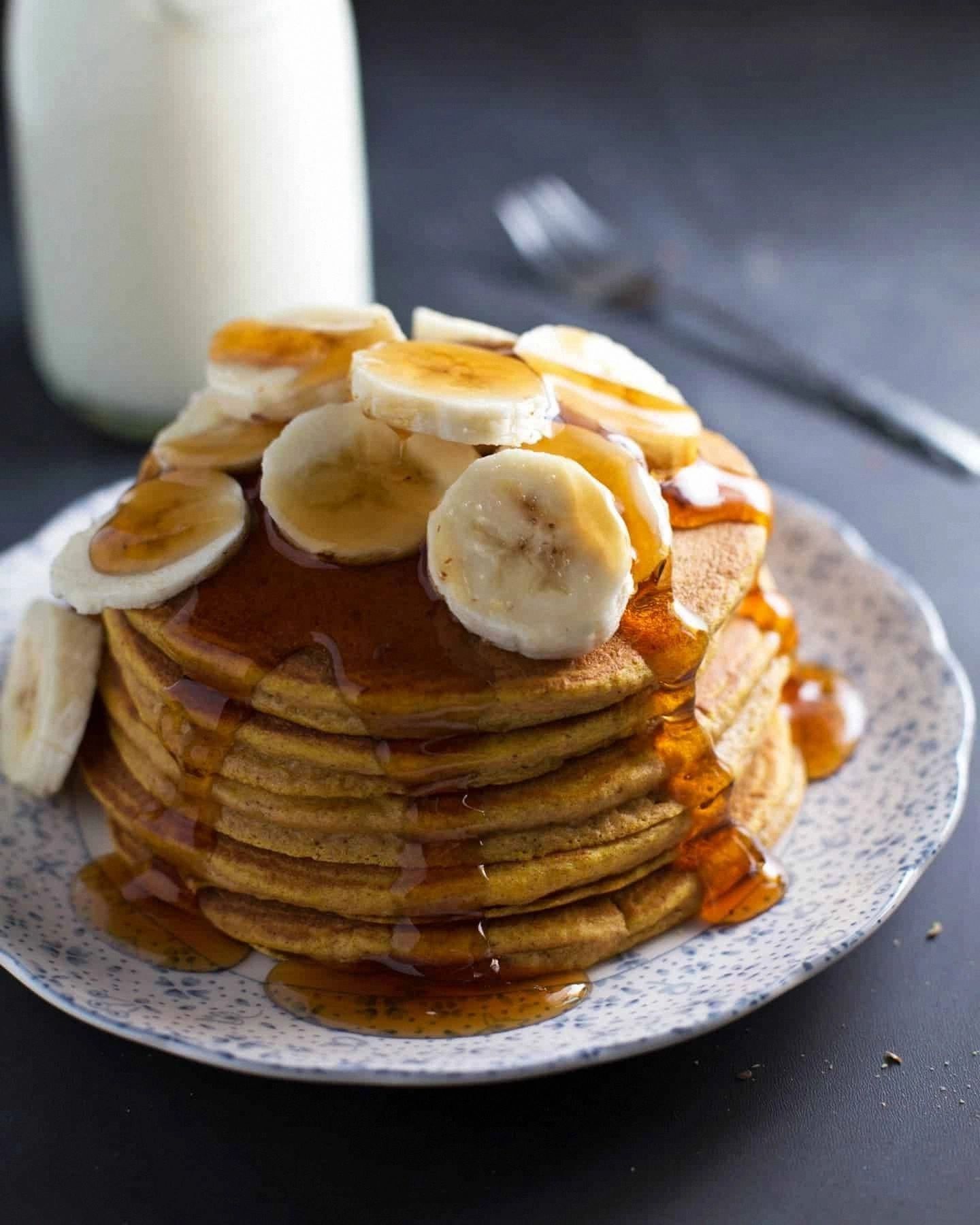
Serve the pancakes stacked high, drizzled with real maple syrup, a dollop of Greek yogurt, and an extra sprinkle of cinnamon if you like. The syrup should cascade like amber water, soaking into the fluffy interior while the buttered edges stay crisp. That first bite? Pure autumn bliss.
That's it — you did it. But hold on, I've got a few more tricks that'll take this to another level...
Insider Tricks for Flawless Results
The Temperature Rule Nobody Follows
Most home cooks crank the heat to “medium” and hope for the best. The secret is to start at medium‑low, let the batter spread naturally, then finish with a quick medium burst for that caramelized edge. This two‑stage approach gives you a pancake that’s golden on the outside yet airy inside. I once tried cooking on high heat only to end up with a burnt crust and a raw center—lesson learned.
Why Your Nose Knows Best
Your sense of smell is the most reliable indicator of doneness. When the edges begin to smell nutty and the pumpkin aroma intensifies, you’re close. If you rely solely on visual cues, you might flip too early or late, compromising texture. Trust that buttery, spiced scent—it means the batter is set and ready.
The 5‑Minute Rest That Changes Everything
Allowing the batter to sit for five minutes before cooking lets the whole‑wheat flour fully absorb the liquid. This rest reduces the gritty feeling some people get with whole‑grain batters and leads to a softer crumb. Skipping this step can result in a pancake that feels a bit dense, especially if you’re using a coarser flour.
Flip with Confidence
When the bubbles on the surface start to pop and the edges look set, it’s the perfect moment to flip. Use a thin, flexible spatula—its edge should slide under the pancake with minimal resistance. If the pancake sticks, give it a second; the crust will release on its own. One friend tried using a metal spatula and ended up with a torn pancake—soft silicone is the way to go.
Finishing Touches That Wow
A dollop of Greek yogurt or a smear of almond butter adds protein and a creamy contrast that balances the sweet maple. A light dusting of powdered sugar adds visual appeal without overwhelming flavor. For a festive twist, sprinkle toasted pumpkin seeds on top—they add crunch and echo the pumpkin theme.
Creative Twists and Variations
This recipe is a playground. Here are some of my favorite ways to switch things up:
Apple‑Cinnamon Swirl
Fold in ½ cup grated apple and an extra ½ tsp cinnamon into the batter. The apple releases moisture as it cooks, creating pockets of sweet, caramelized apple that pair perfectly with the pumpkin base. Great for a crisp autumn morning.
Chocolate‑Hazelnut Delight
Add 2 tbsp cocoa powder and ¼ cup chopped toasted hazelnuts. The cocoa deepens the flavor profile, while hazelnuts add a buttery crunch. Serve with a drizzle of chocolate syrup for an indulgent brunch.
Savory Herb & Cheese
Swap the maple syrup for a topping of crumbled feta and fresh rosemary. Reduce the orange zest and increase a pinch of smoked paprika. This savory version works wonderfully as a brunch centerpiece.
Banana‑Buckwheat Boost
Replace half the whole‑wheat flour with buckwheat flour and stir in 1 ripe mashed banana. The banana adds natural sweetness, while buckwheat contributes an earthy note that complements pumpkin beautifully.
Spiced Pumpkin Protein Pancakes
Add ½ cup vanilla whey protein powder and a dash of extra pumpkin spice. This version keeps the flavor but ups the protein, perfect for a post‑workout breakfast that still feels like a treat.
Storing and Bringing It Back to Life
Fridge Storage
Place cooled pancakes in an airtight container with a parchment paper layer between each. They’ll stay fresh for up to 3 days. Reheat gently in a skillet over low heat, adding a tiny splash of milk to revive moisture.
Freezer Friendly
Stack pancakes with wax paper, then seal in a freezer‑safe bag. They freeze solid for up to 2 months. To reheat, pop them straight into a toaster or microwave for 30‑seconds, then finish in a hot pan for a crisp edge.
Best Reheating Method
For the ultimate texture, heat a non‑stick skillet over medium heat, add a few drops of butter, and toast each pancake for 1‑2 minutes per side. The added butter restores that buttery crust while the interior becomes fluffy again. A splash of water or milk before warming helps steam the inside back to perfection.