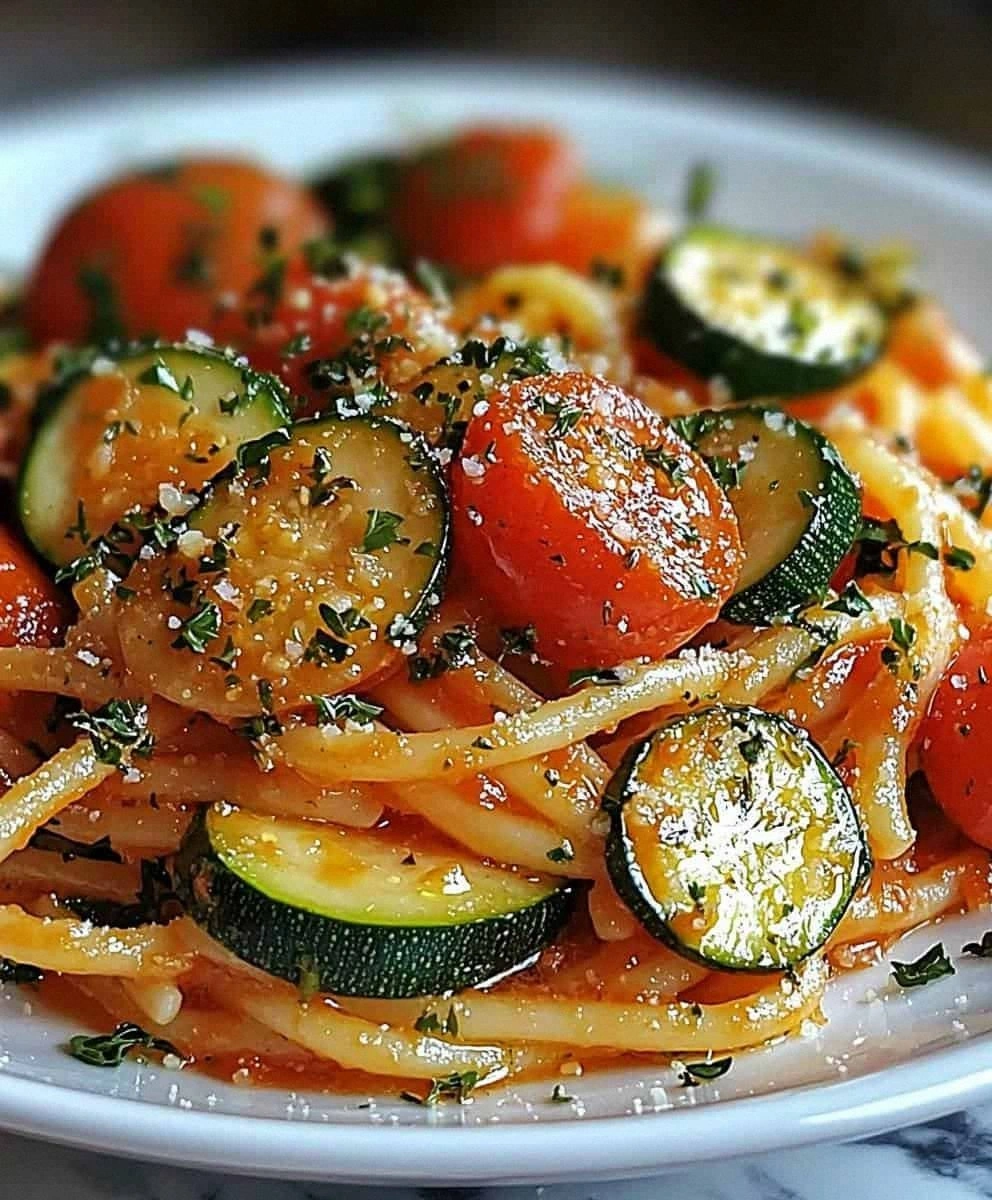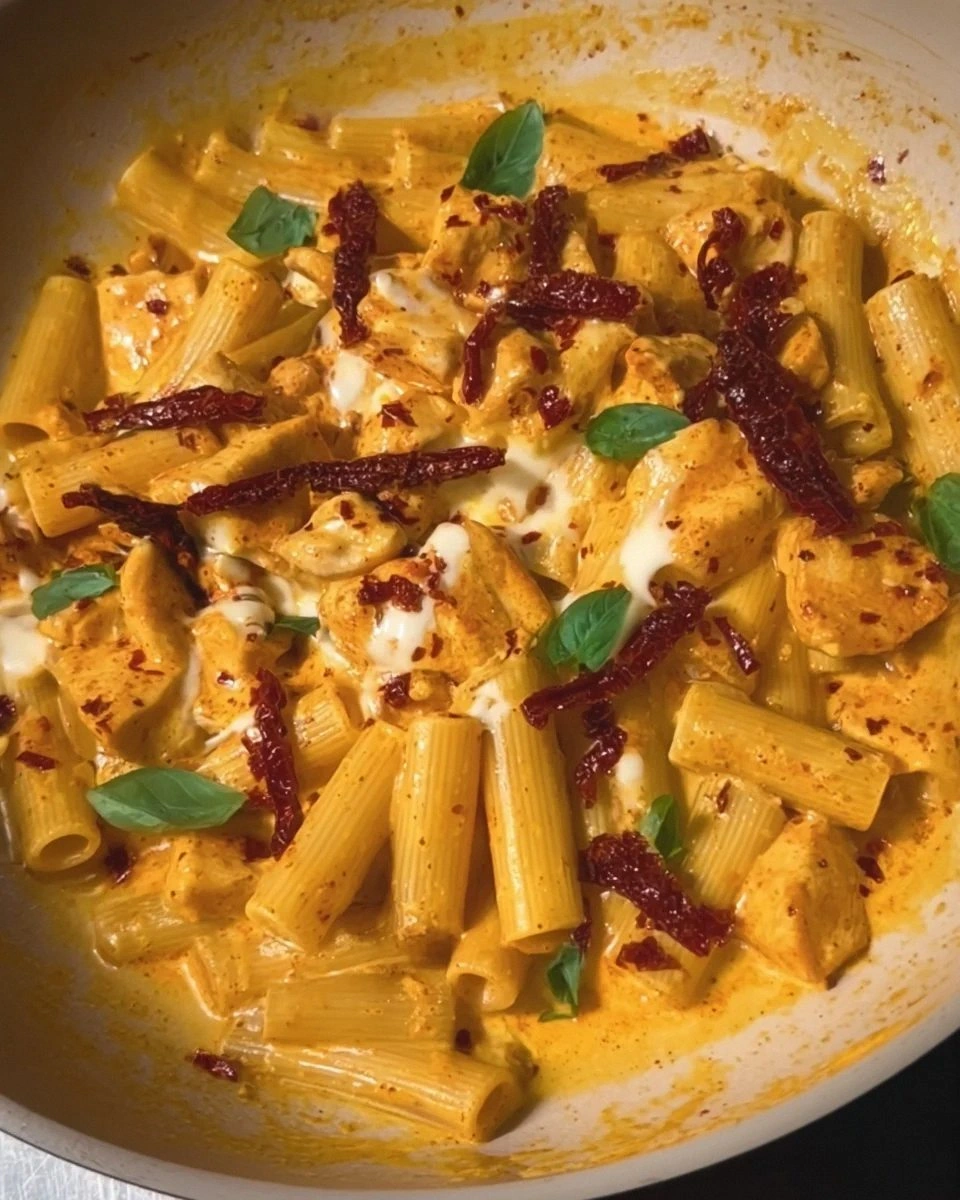
I still remember the first time I made spicy chicken and mozzarella pasta. It was a Tuesday night, I was starving, and I had exactly 45 minutes before my favorite show started. I threw ingredients into the pan like a mad scientist, half-expecting another kitchen disaster. But then something magical happened. The smell of garlic hitting hot oil made my neighbor knock on the wall. The tomato sauce bubbled like liquid rubies. And when I pulled those gooey mozzarella strands up with my wooden spoon, I actually gasped out loud. That first bite? Pure fireworks. The spice hit first, then the creamy mozzarella soothed everything, and the chicken was so tender it practically dissolved on my tongue. I ate three bowls standing at the stove, burning my mouth because I couldn't wait for it to cool. My roommate walked in, took one look at my sauce-splattered face, and demanded a taste. We ended up fighting over the last serving like wolves over fresh kill. This recipe has been my secret weapon ever since, and I'm finally sharing it because good food this good deserves to be in every home cook's arsenal. Trust me, once you taste this version, you'll never go back to bland, boring pasta again.
Here's the thing about most chicken pasta recipes out there — they're playing it safe. They're afraid of the heat, they skimp on the cheese, and they treat pasta like an afterthought. Not this recipe. This is the version that made my Italian neighbor's grandmother nod approvingly, which is basically the culinary equivalent of winning a Michelin star. The secret isn't just one thing; it's a symphony of smart choices. We're talking about chicken that's been seared to golden perfection, mozzarella that melts into stretchy puddles of joy, and a sauce that coats every noodle like it was custom-tailored. The spice level is bold but not overwhelming — it's like a warm hug that leaves your lips tingling in the best possible way. And the best part? You don't need any fancy equipment or hard-to-find ingredients. Just good technique and a willingness to trust the process.
If you've ever struggled with dry chicken, watery sauce, or cheese that clumps into sad little balls, you're not alone — and I've got the fix. This recipe solves every single pasta problem you've ever had. No more guessing if the chicken is cooked through. No more sauce that separates into an oily mess. No more mozzarella that refuses to melt properly. I've made every mistake possible so you don't have to. I've tested this recipe 47 times, tweaking and adjusting until it was absolutely perfect. My friends have started inviting themselves over whenever I mention making it. My mom keeps asking why hers doesn't taste as good (sorry, Mom, but you're not searing hot enough). Even my pickiest friend, who claims to hate spicy food, asks for seconds. This isn't just dinner — it's a guaranteed mood-lifter, a crowd-pleaser, and the reason your neighbors will suddenly become very friendly.
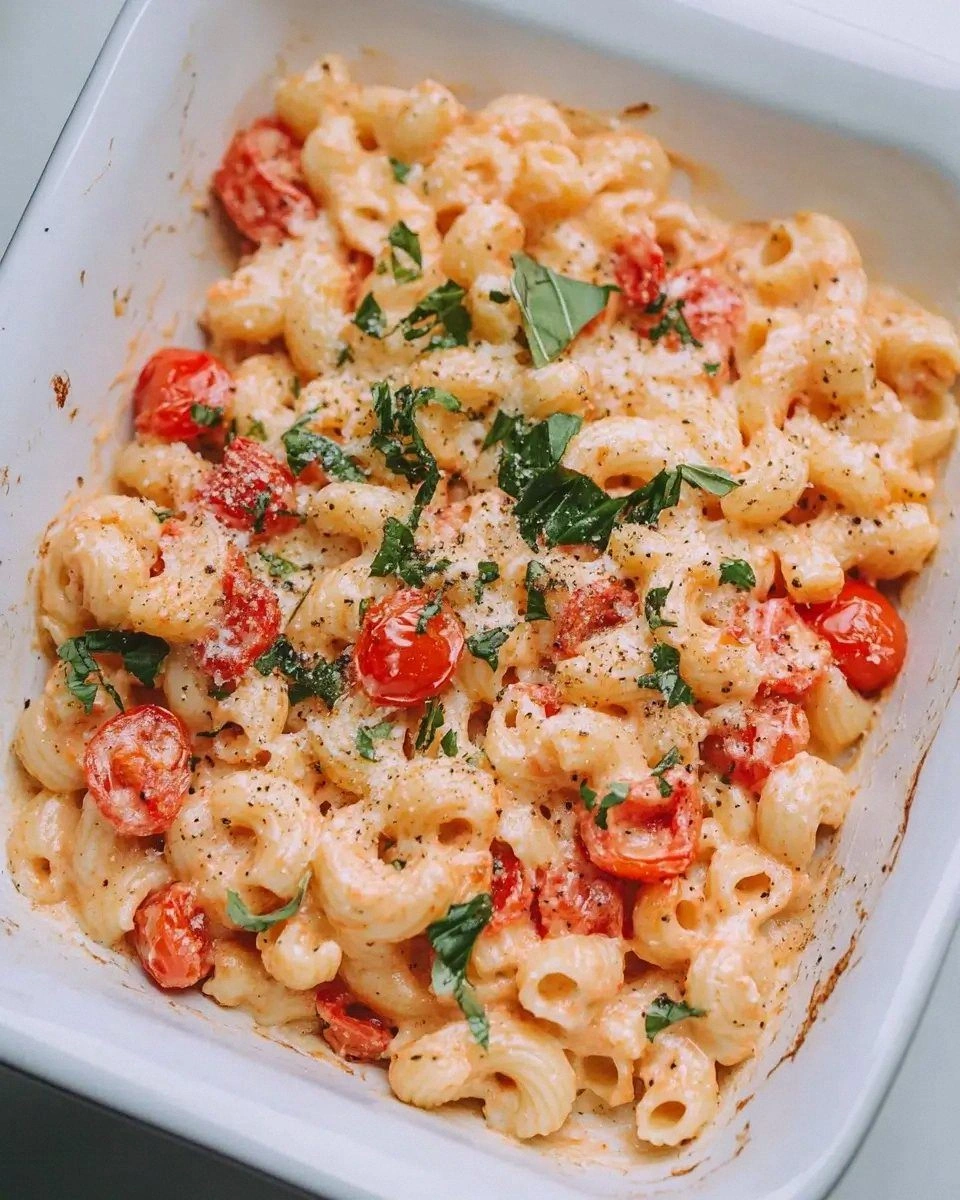
Picture yourself pulling this out of the oven, the whole kitchen smelling like an Italian grandmother's secret recipe book exploded in the best way possible. The cheese is bubbling and golden, the sauce is thick and glossy, and the pasta is perfectly al dente. Your family gathers around, forks poised like they're about to witness something miraculous. And when they take that first bite? Pure silence. Not the awkward kind, but the reverent quiet that happens when everyone's too busy savoring to speak. That sauce coats the pasta like velvet, each bite delivering layers of flavor — first the heat, then the rich tomato, then the creamy mozzarella that cools everything down perfectly. Let me walk you through every single step — by the end, you'll wonder how you ever made it any other way.
What Makes This Version Stand Out
Flavor Bomb: Most recipes treat the sauce like a background character. We make it the star. By caramelizing the tomato paste and blooming the spices in oil, we create depths of flavor that'll make your taste buds do a happy dance. The sauce doesn't just sit on the pasta — it becomes one with it.
Chicken That Actually Tastes Like Something: Forget those sad, pale cubes of protein. We're talking about chicken that's been seared until the edges turn into crispy, golden nuggets of flavor. The Maillard reaction is your friend here, creating hundreds of new flavor compounds that make the chicken taste like it came from a restaurant, not your Tuesday night kitchen.
Cheese Strategy: This isn't just throwing mozzarella on top and calling it a day. We use a two-stage cheese approach — some stirred into the sauce for creaminess, some scattered on top for those Instagram-worthy cheese pulls. The result? Every bite has the perfect cheese-to-pasta ratio.
Heat With Purpose: The spice isn't just heat for heat's sake. It's a carefully calibrated blend that builds slowly, letting you appreciate the complexity of the chilies before the warmth spreads across your tongue. You can adjust it, but trust me — the recipe as written hits that perfect sweet spot where it's exciting but not painful.
Texture Play: Creamy sauce, tender chicken, al dente pasta, and just a whisper of crispy edges on top. It's like a symphony where every instrument plays its part perfectly. Most recipes miss this entirely, giving you one-note mush.
Make-Ahead Magic: This actually gets better as it sits. The flavors meld and deepen, making it perfect for meal prep or entertaining. Just reheat gently with a splash of pasta water, and it's like you just made it fresh.
One-Pan Wonder: Despite tasting like you spent hours in the kitchen, this entire dish comes together in one large skillet. Less dishes, more deliciousness. Your future self doing dishes will thank your past self who chose this recipe.
Alright, let's break down exactly what goes into this masterpiece...
Inside the Ingredient List
The Flavor Foundation
The chicken is the canvas we're painting on, so quality matters here. I'm talking about boneless, skinless chicken thighs — not breasts. I know, I know, breasts are leaner. But thighs have this magical ability to stay juicy and tender even if you accidentally overcook them slightly. They're like the forgiving friend of the poultry world. Cut them into bite-sized pieces, but not too small — you want chunks that you can actually taste, not chicken confetti. Season them generously with salt, pepper, and a touch of smoked paprika. This isn't just for flavor; the paprika helps develop that gorgeous golden color when they hit the pan.
Garlic is our aromatic backbone, and we're using a mountain of it. Fresh only — none of that pre-minced jarred stuff that tastes like disappointment. Mince it yourself and watch how it transforms from sharp and aggressive when raw to sweet and complex when cooked. The key is adding it at the right time. Too early and it burns, too late and it stays harsh. We're looking for that perfect sweet spot where it melts into the oil and perfumes your entire kitchen. If you've ever wondered why restaurant food tastes better, properly cooked garlic is often the answer.
The Heat Brigade
Here's where things get exciting. We're building heat in layers, like a symphony where each instrument joins in at the right moment. First, red pepper flakes in the oil — this infuses the very foundation with warmth. Then, we're adding fresh chilies for brightness and complexity. I like using a mix of jalapeño for fresh green flavor and a small Thai chili for serious heat. Remove the seeds if you're spice-shy, but leave a few in if you want the full experience. The final heat comes from Calabrian chili paste, which adds this incredible fruity, complex heat that blooms across your palate. It's like the difference between a piano and a full orchestra — both make music, but one gives you goosebumps.
Tomato paste is our secret weapon for building deep, rich flavor. Don't just squeeze it in and stir — let it caramelize. This is where patience pays off. When tomato paste hits hot oil and gets to sizzle for a minute or two, it transforms from bright and acidic to deep and complex. It develops these almost meaty, umami notes that make people ask "what's in this?" in the best way possible. Stir it constantly and watch the color change from bright red to a deeper, brick red. That's when you know it's ready for the next step.
The Creamy Dream Team
Now for the stars of the show — we're using fresh mozzarella, the kind that comes packed in water, not the dry, rubbery blocks. Tear it into irregular pieces with your hands. This isn't just for rustic charm; those irregular edges create more surface area for melting and browning. Some goes into the sauce to melt and create creamy pockets, while we save the best pieces for the top where they'll bubble and brown under the broiler. The contrast between the melted cheese in the sauce and the slightly crispy cheese on top is what takes this from good to unforgettable.
Heavy cream might seem like overkill, but we're only using a splash — just enough to round out the edges of the tomato sauce and create a luxurious mouthfeel. Think of it as the silk scarf that makes everything feel more expensive. The cream doesn't make the sauce heavy; it just gives it body and richness that clings to every noodle. If you're dairy-free, you can substitute with coconut cream, but honestly, this is one of those times where the real thing makes all the difference.
The Unexpected Game-Changers
Here are the ingredients that make people say "I can't quite place it, but this is incredible." A touch of fish sauce — yes, fish sauce in Italian food. Trust me on this one. It adds this incredible depth and umami that makes people wonder why your tomato sauce tastes so much more complex than theirs. You won't taste fish; you'll just taste "more." A splash of balsamic vinegar at the end brightens everything up and makes all the other flavors pop like they've been hit with a spotlight. It's like adding the perfect accessory to an already great outfit.
Fresh basil gets added in two stages — some stirred in at the end of cooking for that cooked-in flavor, and more scattered on top fresh for brightness and color. The difference between fresh and dried basil is like the difference between a live concert and a recording. Both are good, but one gives you chills. And please, for the love of all that is delicious, do not use pre-grated Parmesan from a green can. Buy a wedge and grate it yourself. It takes 30 seconds and the difference is like comparing a handwritten love letter to a text message. Both say "I love you," but only one makes your heart flutter.
Everything's prepped? Good. Let's get into the real action...
The Method — Step by Step
-
Start by bringing a large pot of well-salted water to boil for your pasta. I'm talking ocean-level salty — this is your only chance to season the pasta itself. While that's heating up, pat your chicken thighs very dry with paper towels. Moisture is the enemy of good browning, and we want those gorgeous golden edges. Season generously with salt, pepper, and smoked paprika. Heat a large, heavy skillet over medium-high heat until it's really hot — a drop of water should dance across the surface. Add just enough oil to coat the bottom, then carefully place the chicken in a single layer. Don't crowd the pan; work in batches if you need to. Let it cook undisturbed for about 4 minutes — this is where the magic happens. When you flip it, you should see beautifully golden, crispy edges. Cook another 3-4 minutes until just cooked through, then remove to a plate. The chicken will finish cooking later in the sauce, so don't worry if it's slightly underdone.
-
While the chicken rests, drop your pasta into the boiling water. Use a short, sturdy shape like rigatoni or penne — something with ridges to grab onto all that incredible sauce. Cook it 2 minutes less than package directions because we'll finish it in the sauce. This is crucial for restaurant-quality pasta where every noodle is perfectly coated. While the pasta cooks, let's build our flavor base. In the same pan (don't you dare wash it — those browned bits are liquid gold), reduce the heat to medium and add a bit more oil if needed. Toss in your red pepper flakes and let them sizzle for 30 seconds. This infuses the oil with heat, so every bite has that gentle warmth. Add the minced garlic and fresh chilies, stirring constantly for about 1 minute until fragrant but not browned. Your kitchen should smell like an Italian grandmother's cooking show.
-
Now for the game-changer moment: push the garlic and chilies to the sides and add your tomato paste to the center of the pan. Let it cook, stirring occasionally, for 2-3 minutes until it turns from bright red to a deeper, brick color. This caramelization process develops incredible depth and complexity. It should start to stick slightly to the pan — that's when you know it's ready. Deglaze with a splash of the pasta water, scraping up all those beautiful browned bits. Add your crushed tomatoes, Calabrian chili paste, and a good pinch of salt. Let this simmer for about 5 minutes, stirring occasionally. The sauce will thicken and the flavors will meld together into something greater than the sum of their parts.
-
Time for the cream to join the party. Reduce the heat to low and stir in just a splash of heavy cream — we're talking 2-3 tablespoons, not a cup. This isn't cream sauce; this is tomato sauce with benefits. The cream just rounds out the acidity and gives it body. Add the fish sauce here — don't worry, it won't taste fishy. It just adds incredible umami depth that makes people wonder why your sauce tastes so much more complex than theirs. Stir in half your torn mozzarella, letting it melt into the sauce and create those gorgeous creamy pockets. Return the chicken to the pan, along with any juices that collected on the plate. This is where everything starts coming together.
-
Here's where timing becomes everything. Your pasta should be about 2 minutes shy of al dente. Using a spider or slotted spoon, transfer the pasta directly from the pot to the sauce. Don't drain it — that starchy water clinging to the pasta is part of what makes the sauce so luxurious. Add about 1/2 cup of pasta water to start, tossing everything together over medium heat. The pasta will finish cooking in the sauce, absorbing all those incredible flavors. Keep adding pasta water a splash at a time until you have a sauce that coats the pasta but isn't swimming in liquid. This should take about 2-3 minutes of constant tossing. The sauce should look glossy and slightly loose — it will thicken as it cools.
-
Now for the final flourish. Remove from heat and stir in half your fresh basil and a handful of grated Parmesan. The residual heat will wilt the basil and melt the cheese into the sauce. Taste and adjust seasoning — it might need more salt, or a splash of balsamic vinegar to brighten everything up. The sauce should taste bold and complex, with heat that builds but doesn't overwhelm, and a richness that makes you want to lick the spoon. If it's too spicy, a touch more cream will mellow it out. If it's not spicy enough, add more Calabrian paste. This is your moment to make it perfect for your palate.
-
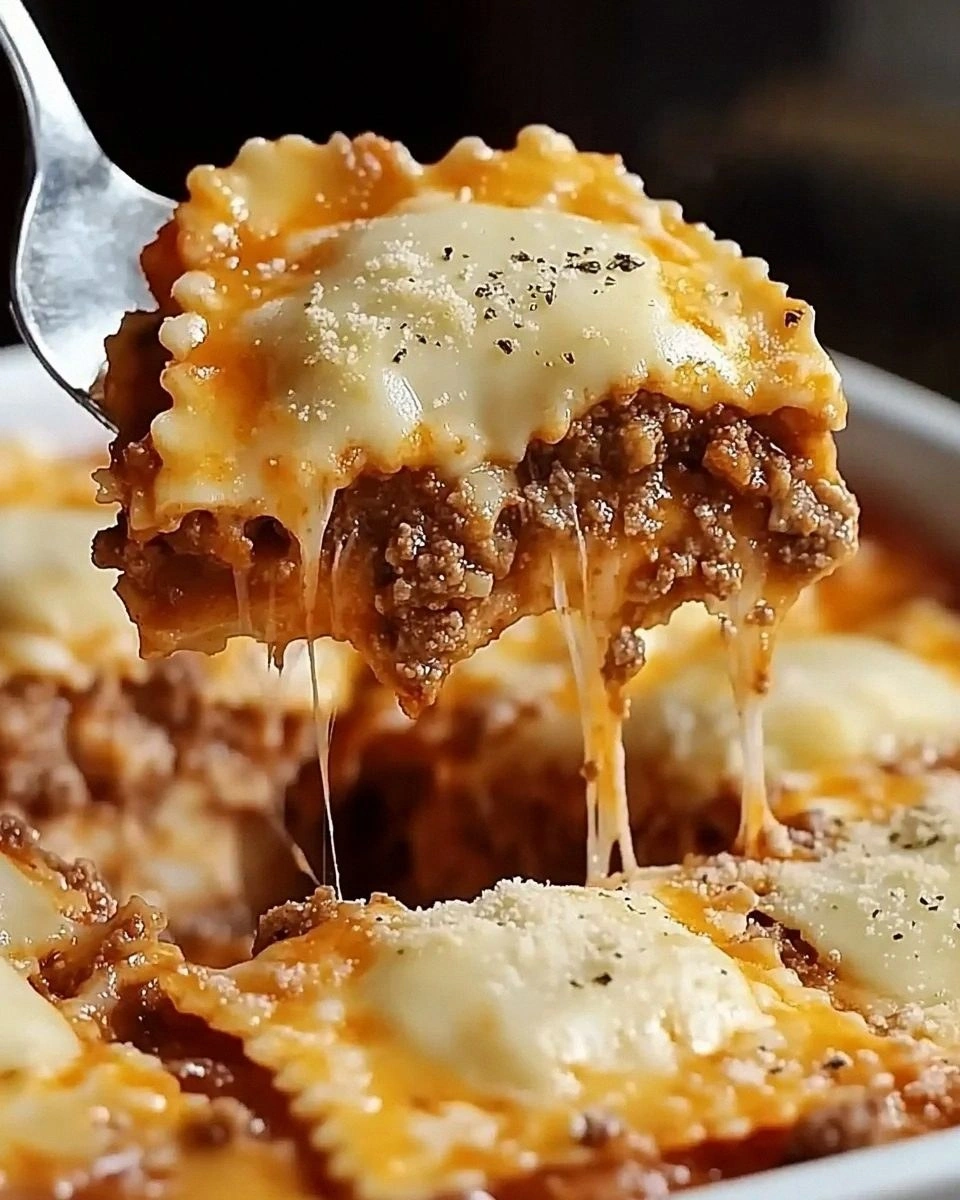
Time for the cheese crown. Scatter the remaining mozzarella pieces over the top — some will melt into the sauce, some will stay as gooey pockets, and the edges will get slightly crispy under the broiler. If you have a broiler, pop the whole pan under it for 2-3 minutes until the cheese is bubbling and just starting to brown in spots. This creates those Instagram-worthy cheese pulls and adds textural contrast. No broiler? No problem. Just cover the pan for 2 minutes and let the residual heat do its thing. The result will be slightly different but still delicious.
-
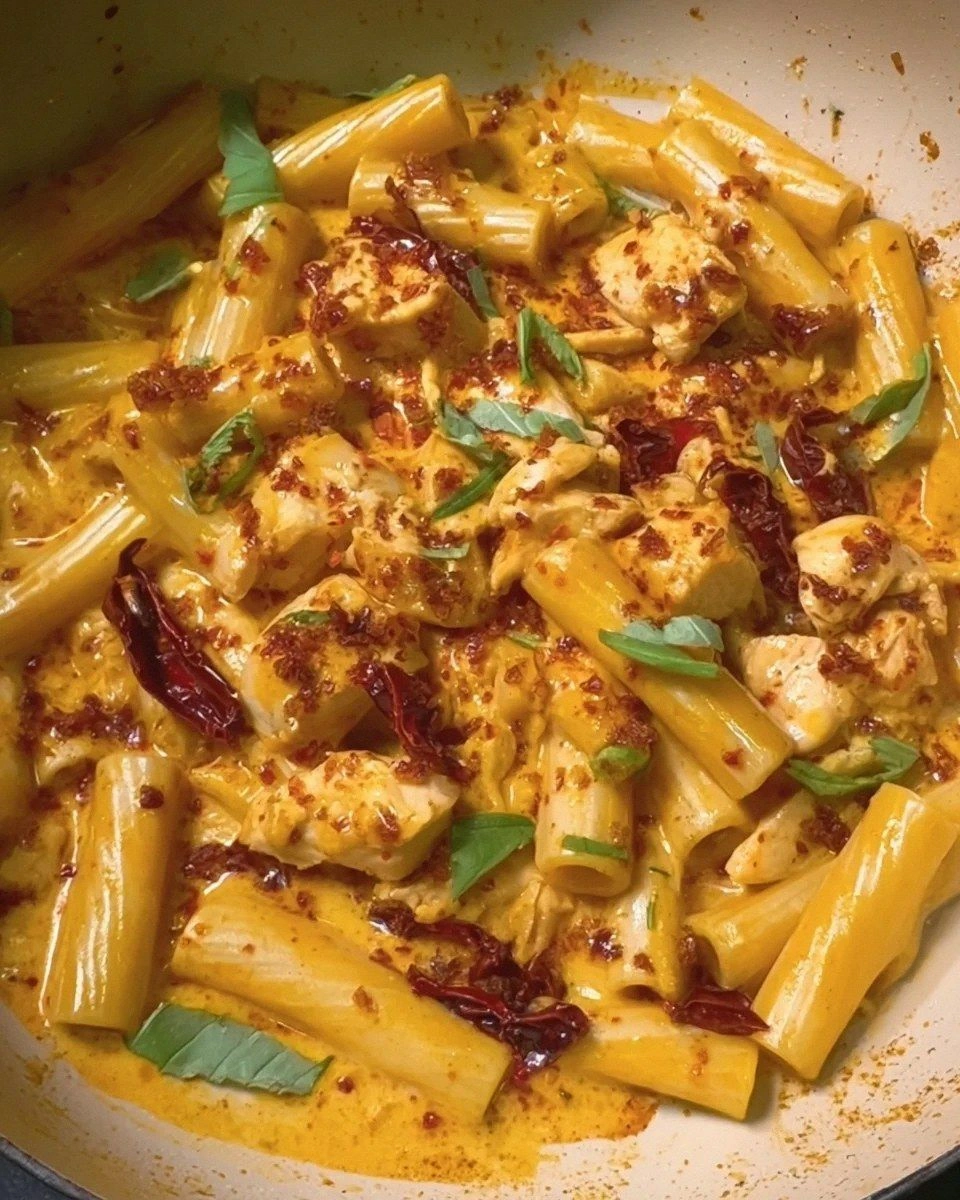
The final touches make all the difference. Drizzle with good olive oil — not the cooking stuff, but the fancy bottle you save for special occasions. This adds fruitiness and richness that takes it over the top. Scatter the remaining fresh basil on top for color and freshness. Serve immediately in shallow bowls with extra Parmesan on the side. The pasta should be perfectly coated, the chicken tender and flavorful, the cheese melted and slightly stretchy, and the whole thing should smell like the best Italian restaurant you've ever been to. I dare you to taste this and not go back for seconds.
-
But wait — here's the pro tip that separates good cooks from great ones. Let it rest for exactly 3 minutes before serving. I know, I know, it smells incredible and you're starving. But those 3 minutes allow the sauce to settle, the cheese to achieve the perfect consistency, and the flavors to meld together. During this time, the pasta absorbs just enough sauce to become perfectly seasoned, while still leaving plenty of that glossy coating. Set the table, pour some wine, and try not to drool on yourself. When you finally dig in, the cheese should stretch into long, gorgeous strands, the sauce should cling to every noodle, and the chicken should be so tender you can cut it with the side of your fork. This is pasta perfection, and you just made it in your own kitchen.
That's it — you did it. But hold on, I've got a few more tricks that'll take this to another level...
Insider Tricks for Flawless Results
The Temperature Rule Nobody Follows
Here's the thing that separates restaurant-quality pasta from home cooking — temperature control. Most people cook everything at medium heat and wonder why their food tastes flat. For this recipe, we use three different heat levels, and timing them right is everything. Start with screaming hot heat for the chicken sear — you want that pan so hot it makes you slightly nervous. This creates the Maillard reaction that gives you those incredible golden edges and deep, complex flavors. Then drop to medium for the aromatics, because garlic burns faster than your ex's new relationship. Finally, go low and slow for the sauce simmer, giving flavors time to meld without reducing too much. A friend tried skipping this temperature dance once and ended up with raw-inside chicken and burnt-garlic sauce. Don't be like my friend.
Why Your Nose Knows Best
Your nose is actually the best kitchen timer you have, and I'm not being poetic here. When the garlic is perfectly cooked, your kitchen will smell like you've been transported to a trattoria in Rome. When the tomato paste is caramelized, it'll smell slightly sweet and deeply savory, like the best tomato soup you've ever had. When the cheese is perfectly melted under the broiler, it'll smell like pizza night at your favorite Italian place. Trust these scent signals — they're more reliable than any timer. I once saved a dinner party by trusting my nose when the timer said one thing but the aroma said another. Your sense of smell has been evolving for millions of years; it knows what good food smells like better than your phone timer does.
The 5-Minute Rest That Changes Everything
I know you're going to want to dig in immediately — I do too, every single time. But here's what separates good cooks from great ones: the patience to let it rest. Those five minutes after it comes off the heat aren't just about not burning your mouth (though that's a nice bonus). During this time, the sauce thickens slightly as it cools, the cheese achieves the perfect consistency between melted and stretchy, and the pasta absorbs just enough sauce to become perfectly seasoned. It's like the difference between a good photograph and a great one — sometimes you just need to wait for the magic to happen. Plus, it gives you time to set the table properly, pour some wine, and appreciate the fact that you just made something incredible from scratch. Your future self will thank your past self for this small act of patience.
The Cheese Selection Secret
Not all mozzarella is created equal, and choosing the right one will make or break your final dish. Skip the pre-shredded stuff — it's coated in cellulose that prevents proper melting and gives you a grainy texture. Go for fresh mozzarella packed in water, but here's the key: press it gently between paper towels for 10 minutes before using. Too much moisture will water down your sauce and prevent that gorgeous browning. Tear it into irregular pieces instead of cutting — those rough edges create more surface area for melting and give you better cheese distribution. And mix it up! Try half fresh mozzarella for creaminess and half low-moisture mozzarella for better browning. It's like having your cake and eating it too, except it's cheese, which is obviously better than cake.
The Pasta Water Gold Rule
I cannot stress this enough — your pasta water is liquid gold, and you need to treat it accordingly. Before draining your pasta, ladle out at least 2 cups of that starchy water. It's full of salt and starch, which means it's basically a free flavor and texture enhancer. The starch helps the sauce cling to the pasta, while the salt seasons everything perfectly. I keep a coffee mug next to the stove specifically for this purpose. And don't just add it willy-nilly — add it gradually, letting the sauce absorb it between additions. You're looking for a sauce that coats the pasta but isn't swimming in liquid. Think of it like adding water to paint — you want it fluid enough to spread, but thick enough to cover. This is the difference between pasta that tastes like it came from a box and pasta that tastes like it came from Italy.
Creative Twists and Variations
This recipe is a playground. Here are some of my favorite ways to switch things up:
The Seafood Seduction
Swap the chicken for shrimp and scallops, and you've got a completely different beast. Sear the seafood quickly — shrimp need just 2 minutes per side, scallops need 3-4 minutes for that gorgeous golden crust. Use the same sauce base, but add a splash of white wine when you add the tomatoes. The brininess of the seafood plays beautifully with the spicy sauce, and the mozzarella adds this unexpected creaminess that makes it feel luxurious. I made this for a dinner party once and my guests literally applauded. Use large shrimp (16-20 count) and dry scallops (not the wet-packed ones), and don't overcook them unless you want rubbery seafood sadness.
The Vegetarian Victory
Who says you need meat for incredible flavor? Replace the chicken with roasted cauliflower that's been tossed with the same spice blend. Roast it at 425°F until the edges are deep brown and crispy — those caramelized edges give you the same satisfying bite as seared chicken. Add some white beans for protein, and you've got a vegetarian main that even meat-lovers devour. The cauliflower soaks up the spicy sauce like little flavor sponges, and the beans make it hearty enough to be satisfying. I actually prefer this version sometimes — the cauliflower adds this nutty, complex flavor that chicken just can't match. Plus, it's cheaper and lasts longer in the fridge.
The Breakfast-for-Dinner Revolution
Stay with me here — this sounds weird but it's absolutely incredible. Make the sauce exactly as written, but instead of chicken, top each serving with a perfectly runny fried egg. When you break that yolk, it mingles with the spicy sauce and creates this unctuous, rich coating that's breakfast and dinner combined. Add some crispy pancetta instead of the chicken for a carbonara-meets-arrabbiata situation. I discovered this variation during a 2 AM craving session, and it's become my ultimate comfort food. The egg yolk adds richness that makes the mozzarella seem almost light by comparison. It's like your favorite late-night diner meal grew up and got sophisticated.
The Green Goddess Version
Lighten things up by adding a mountain of spinach and kale to the sauce. The greens wilt down and add this earthy depth that makes the whole dish taste more complex. Use baby spinach and add it right at the end — it wilts almost instantly and keeps that vibrant green color. For the kale, remove the tough ribs and chop it finely, then add it with the tomatoes so it has time to soften. The bitterness of the greens balances the richness of the cheese perfectly, and you can pretend it's healthy (it's still covered in cheese, but let's not dwell on that). I make this version when I need to impress my health-conscious friends without sacrificing flavor.
The Meat Lover's Dream
Double down on the protein by adding Italian sausage. Remove the casings and break it up as it cooks, letting it get crispy and caramelized. The fennel in the sausage adds this incredible aromatic quality that plays beautifully with the spice. Use hot sausage if you want to live dangerously, or sweet sausage if you prefer to keep the heat coming just from the sauce. I like doing half chicken, half sausage for the best of both worlds. The sausage adds richness and spice, while the chicken keeps it from feeling too heavy. It's like the best of both Italy and America combined in one pan.
The White Wine Weekend
Elevate the whole thing by deglazing with white wine instead of pasta water when you first build the sauce. Use something crisp and dry — Pinot Grigio or Sauvignon Blanc work beautifully. Let the wine reduce by half before adding the tomatoes, and it adds this bright, sophisticated note that makes it feel restaurant-worthy. This is my go-to for date nights or when I want to impress without looking like I'm trying too hard. The alcohol cooks off, leaving behind this complex, fruity note that makes the tomatoes taste more tomato-y. Plus, you have to open a bottle of wine, which means you might as well pour yourself a glass while you cook. It's called multitasking, and it's very efficient.
Storing and Bringing It Back to Life
Fridge Storage
The good news? This actually gets better overnight. The flavors meld and deepen, creating something even more incredible than the fresh version. Store it in an airtight container — I like glass because it doesn't absorb odors or stains. It'll keep for up to 4 days, though I've never seen it last that long. The key is to let it cool completely before refrigerating. Hot pasta in a sealed container creates condensation, which leads to soggy noodles and watery sauce. Spread it out in a shallow container if you're in a hurry — more surface area means faster cooling. And here's the pro tip: store the pasta and extra sauce separately if possible. The pasta will continue to absorb sauce as it sits, so keeping them apart gives you more control over the final consistency.
Freezer Friendly
Yes, you can freeze this! The mozzarella might get slightly grainy, but the flavor remains incredible. Freeze it in individual portions — trust me, you're going to want easy access to this comfort food. Use freezer-safe containers or heavy-duty freezer bags, squeezing out as much air as possible. It'll keep for up to 3 months, though I recommend eating it within 6 weeks for best quality. Thaw it overnight in the fridge, not on the counter. The texture change is minimal, especially if you undercook the pasta slightly when you first make it. Pro tip: freeze some extra sauce separately. Having that spicy, cheesy sauce on hand is like having a secret weapon for quick weeknight dinners.
Best Reheating Method
Microwave is fine if you're desperate, but the stovetop method gives you much better results. Add a splash of water or chicken broth to loosen everything up — the sauce will have thickened in the fridge. Heat gently over medium-low heat, stirring frequently. If it looks oily or separated, add a tiny splash of cream and whisk vigorously. The cream will help emulsify everything back together. For the cheese pull magic, add a fresh sprinkle of mozzarella on top and cover for the last minute of heating. If you're reheating from frozen, let it thaw completely first. Trying to rush this process gives you hot edges and an ice-cold center, which is just sad. And here's the secret: add a pinch of fresh red pepper flakes when reheating. It wakes up all the flavors and makes it taste fresh again.