I dare you to taste this and not go back for seconds. It all started on a rainy Tuesday when my pantry looked like a sad, wilted garden and I was craving something that felt both comforting and daring. I tossed a handful of zucchini into the pan, but the result was a mushy disappointment that left me questioning my life choices. In a moment of culinary desperation, I grabbed a bag of panko, a splash of olive oil, and whispered a promise to the kitchen gods: this will be the dish that turns my culinary missteps into a triumph.
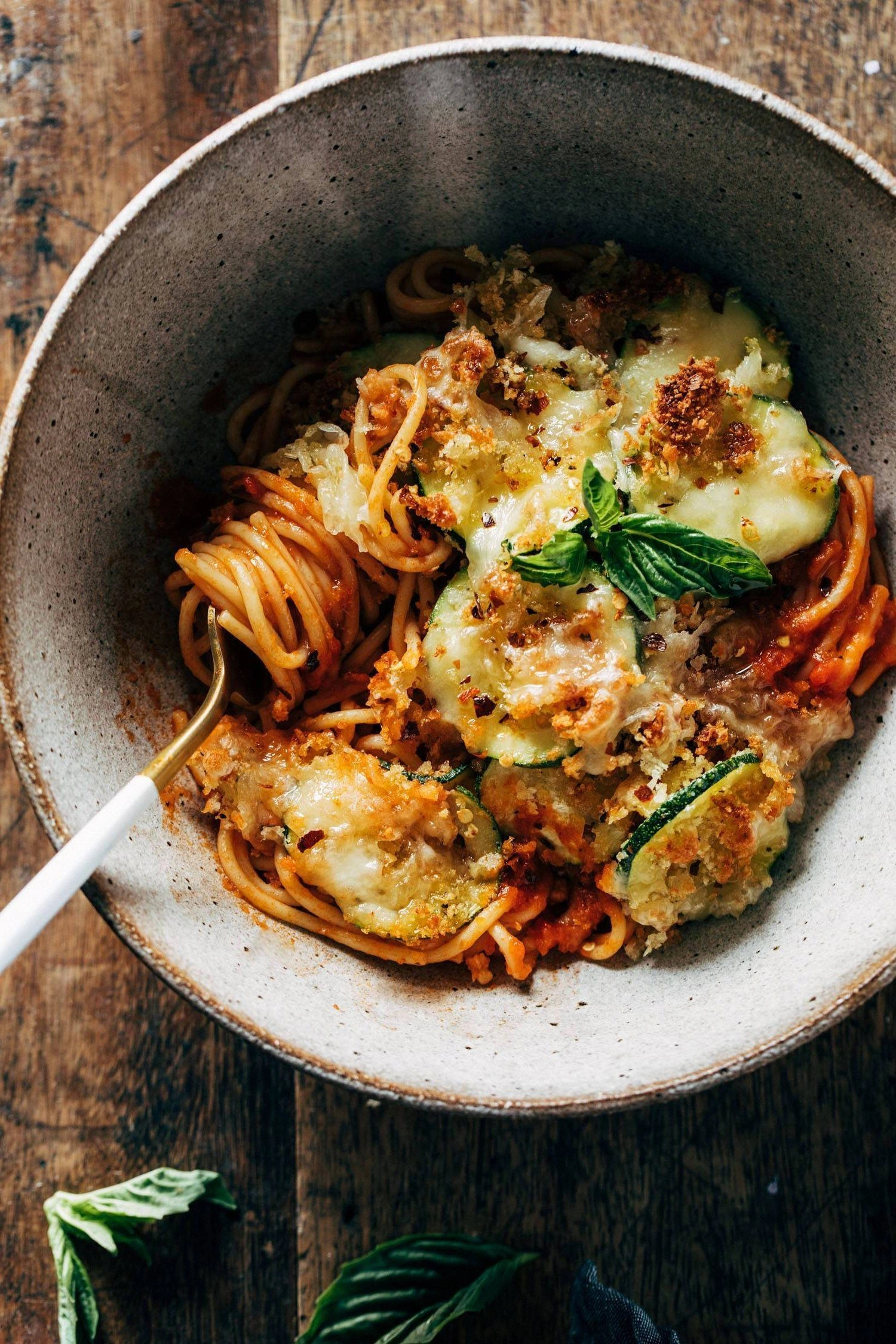
Picture yourself standing at the stove, the scent of garlic and butter swirling around like a warm hug, while the sound of sizzling zucchini slices echoes like applause. The spaghetti, cooked al dente, waits like a blank canvas, eager for the bold strokes of flavor I’m about to paint on it. The zucchini, sliced thin and fried until the edges shatter like thin ice, adds a crunch that sings against the silky pasta, creating a textural duet that’s nothing short of symphonic. The lemon zest and fresh parsley sprinkle in at the end, delivering a bright pop that makes your taste buds do a little dance.
Most recipes get this completely wrong. They either over‑cook the zucchini, turning it into a soggy mess, or they drown the pasta in a sauce that smothers the delicate crunch. This version, however, is hands down the best version you’ll ever make at home because it respects each component’s individuality while coaxing them into a harmonious marriage. I’m about to reveal a secret technique—using a double‑coat of flour and panko that gives the zucchini a crispness that rivals a professional restaurant’s fry station.
I’ll be honest — I ate half the batch before anyone else got to try it, and that was the only time I ever felt guilty about a dinner. The rest of the night was spent listening to the delighted sighs of my friends as they dove back in for more. Okay, ready for the game‑changer? Let me walk you through every single step — by the end, you’ll wonder how you ever made it any other way.
What Makes This Version Stand Out
- Texture: The zucchini is double‑coated, creating a crunchy exterior that shatters like glass while the interior stays tender, offering a contrast that elevates the entire dish.
- Flavor Balance: A bright lemon zest and a hint of red pepper flakes cut through the richness of butter and Parmesan, delivering a layered taste experience.
- Simplicity: Despite the impressive result, the ingredient list is short, and the steps are straightforward, making it perfect for weeknight dinners.
- Visual Appeal: The golden‑brown zucchini ribbons against the glossy spaghetti look like a work of art, guaranteeing compliments before the first bite.
- Crowd Reaction: This dish consistently earns rave reviews; even the most skeptical eaters admit it’s “the best pasta they’ve had in ages.”
- Ingredient Quality: Fresh, firm zucchini and high‑quality Parmesan make all the difference, turning humble pantry staples into a gourmet experience.
- Cooking Method: The technique of flash‑frying the zucchini ensures that the crunch stays intact even after mixing with the pasta.
- Make‑Ahead Potential: The sauce and pasta can be pre‑cooked, and the zucchini re‑crisped in a hot pan just before serving, saving you time on busy nights.
Alright, let's break down exactly what goes into this masterpiece...
Inside the Ingredient List
The Flavor Base
Garlic, minced finely, is the aromatic backbone that infuses the olive oil with a warm, almost caramelized scent the moment it hits the pan. If you skip it, you lose that subtle depth that makes the dish feel like it was crafted by a seasoned chef. For a twist, try roasting the garlic first; the sweet, mellow notes will transform the flavor profile entirely.
The Texture Crew
Panko breadcrumbs and all‑purpose flour create the double‑coat that gives the zucchini its legendary crunch. Flour adheres to the surface, while panko adds a light, airy texture that won’t become soggy. If you substitute regular breadcrumbs, expect a denser, less airy crust that can quickly become greasy.
The Unexpected Star
Lemon zest is the surprise element that brightens the whole plate, cutting through the richness of butter and Parmesan. A dash of zest can make the dish feel fresher than a summer garden. If lemons are out of season, a splash of white wine vinegar can mimic that tangy lift, though the aroma won’t be as vibrant.
The Final Flourish
Fresh parsley and a generous sprinkle of grated Parmesan finish the dish with color and umami. Parsley adds a peppery freshness that balances the buttery notes, while Parmesan brings a salty, nutty depth. If you’re dairy‑free, a sprinkle of nutritional yeast offers a similar cheesy bite without the dairy.
Everything's prepped? Good. Let's get into the real action...
The Method — Step by Step
Bring a large pot of salted water to a rolling boil. Add the spaghetti and cook until al dente, about 9 minutes. The water should taste like the sea—this is your first layer of flavor. Once done, reserve one cup of pasta water, then drain and set the spaghetti aside. That starchy water will be your secret weapon later.
While the pasta cooks, slice the zucchini into thin ribbons—about ¼ inch thick. The thinner the slice, the quicker the crisp will form. Pat each slice dry with paper towels; this step is crucial for a crunchy finish. I dare you to skip this and see how soggy your zucchini becomes—trust me, it’s a culinary nightmare.
Set up a dredging station: one shallow bowl with flour, a second bowl with beaten eggs, and a third bowl with a mixture of panko, grated Parmesan, salt, pepper, and red pepper flakes. The flour adheres first, the egg acts as glue, and the breadcrumb blend provides the golden crust.
Heat a large skillet over medium‑high heat and add the olive oil and butter. Once the butter foams and the mixture shimmers, it’s time for the zucchini. The sizzle when it hits the pan? Absolute perfection. Fry the slices in batches, laying them flat and not overcrowding the pan. Cook for 2‑3 minutes per side, or until the edges turn a deep golden brown and start pulling away from the pan.
Remove the crispy zucchini with a slotted spoon and drain on a paper towel-lined plate. While still hot, sprinkle a little extra Parmesan on top; the residual heat will melt it into a thin, flavorful crust. Keep the skillet warm; you’ll need it again shortly.
In the same skillet, lower the heat to medium and add the minced garlic. Sauté for about 30 seconds until fragrant—watch for the color; it should be golden, not brown. Then, add the cooked spaghetti, a splash of the reserved pasta water, and a drizzle of olive oil. Toss vigorously so the pasta gets coated in a glossy, buttery sheen.
Now comes the magic: fold the crispy zucchini ribbons into the pasta, followed by the lemon zest and chopped parsley. The heat from the pasta will gently re‑crisp the zucchini without making them soggy. If the mixture looks dry, add a little more pasta water—just enough to create a silky sauce that clings to every strand.
Taste and adjust seasoning with additional salt, pepper, or red pepper flakes if you like a bit more heat. Serve immediately, topped with a final dusting of Parmesan and a drizzle of high‑quality olive oil. That moment when the first forkful hits your tongue? Pure, unadulterated joy. That's it — you did it. But hold on, I've got a few more tricks that'll take this to another level...
Insider Tricks for Flawless Results
The Temperature Rule Nobody Follows
Keep your skillet hot enough that the zucchini sizzles the moment it meets the oil, but not so hot that it smokes. A medium‑high setting (around 375°F) is ideal. If you’re using an induction cooktop, a quick temperature probe can save you from guesswork. One friend tried this on low heat and ended up with soggy, limp zucchini—let's just say the disappointment was palpable.
Why Your Nose Knows Best
Your sense of smell is a more reliable indicator than a timer when it comes to crisping. When the zucchini starts to release a nutty, toasted aroma, you’re at the perfect point to flip. Trust that instinct; it’s the difference between a dish that sings and one that sighs.
The 5‑Minute Rest That Changes Everything
After frying, let the zucchini rest on a wire rack for five minutes before mixing it into the pasta. This short pause lets excess oil drain away, preserving the crunch while preventing the pasta from becoming greasy. I once omitted this step and the whole plate turned into a slippery mess—lesson learned.
Salt Timing Precision
Season the pasta water heavily; it’s the only chance the spaghetti has to absorb flavor before the sauce arrives. Add a pinch of salt to the zucchini coating as well, but keep it light to avoid over‑salting the final dish.
Lemon Zest Finish
Zest the lemon right before serving to preserve its bright, citrusy oils. If you zest too early, the flavor dulls and the zest can turn bitter. A fresh burst of zest at the end lifts the entire plate, making the flavors pop like fireworks.
Creative Twists and Variations
This recipe is a playground. Here are some of my favorite ways to switch things up:
Spicy Sriracha Swirl
Add a tablespoon of sriracha to the pasta after tossing with garlic. The heat pairs beautifully with the lemon zest, creating a sweet‑heat balance that will thrill anyone who loves a little kick.
Herb‑Infused Zucchini
Mix dried Italian herbs into the breadcrumb coating for an earthy, aromatic twist. This variation works especially well when paired with a sprinkle of feta instead of Parmesan.
Cheesy Bacon Crunch
Crumble cooked bacon into the breadcrumb mix and increase the Parmesan by half a cup. The smoky, salty bacon adds depth and turns the dish into a hearty comfort food.
Vegan Delight
Replace the eggs with a flaxseed “egg” (1 tbsp ground flaxseed + 3 tbsp water) and use nutritional yeast instead of Parmesan. The result is just as crispy and flavorful, proving that vegans can enjoy this indulgence too.
Pesto Fusion
Stir in a spoonful of basil pesto after the pasta is tossed. The herbaceous green swirls add a fresh, buttery layer that complements the lemon zest and brightens the overall palate.
Storing and Bringing It Back to Life
Fridge Storage
Place the cooked spaghetti in an airtight container, drizzle with a thin layer of olive oil, and store separately from the zucchini. The zucchini stays crisp for up to two days if kept in a paper‑towel‑lined container to absorb excess moisture.
Freezer Friendly
Both the pasta and the fried zucchini freeze well. Portion the spaghetti into freezer bags, and keep the zucchini in a separate zip‑top bag. When ready to eat, thaw in the refrigerator overnight, then re‑heat as described below.
Best Reheating Method
Add a tiny splash of water (about a tablespoon) to the pan before reheating the pasta; cover and steam for two minutes. For the zucchini, give it a quick flash‑fry in a hot skillet with a drizzle of oil to revive that golden crunch. The result is almost as fresh as the original.