I’ll be honest — the first time I tried to make sheet‑pan salmon I ended up with a soggy, lifeless mess that could have been used as a paperweight. I was standing in my kitchen, the oven humming like a lazy cat, and I thought, “What if I could get that salmon crispy on the outside, buttery on the inside, and pair it with potatoes that are so herb‑infused they practically sing?” That thought turned into a dare from my roommate: “If you can make it taste like a five‑star restaurant, I’ll buy you a coffee for a week.” I accepted, and the result was nothing short of a culinary mic drop.
Picture this: the moment you slide the pan into the oven, a faint hiss greets you, like the opening notes of a symphony. The salmon skin starts to crackle, releasing a buttery perfume that mingles with the earthy scent of potatoes and the bright, almost floral aroma of fresh dill. The kitchen feels warm, the air thick with anticipation, and you can almost taste the crisp, caramelized edges of the potatoes before they even touch your tongue. The sound of the timer ticking becomes a heartbeat that you can’t help but sync with, each second building the suspense of the ultimate flavor reveal.
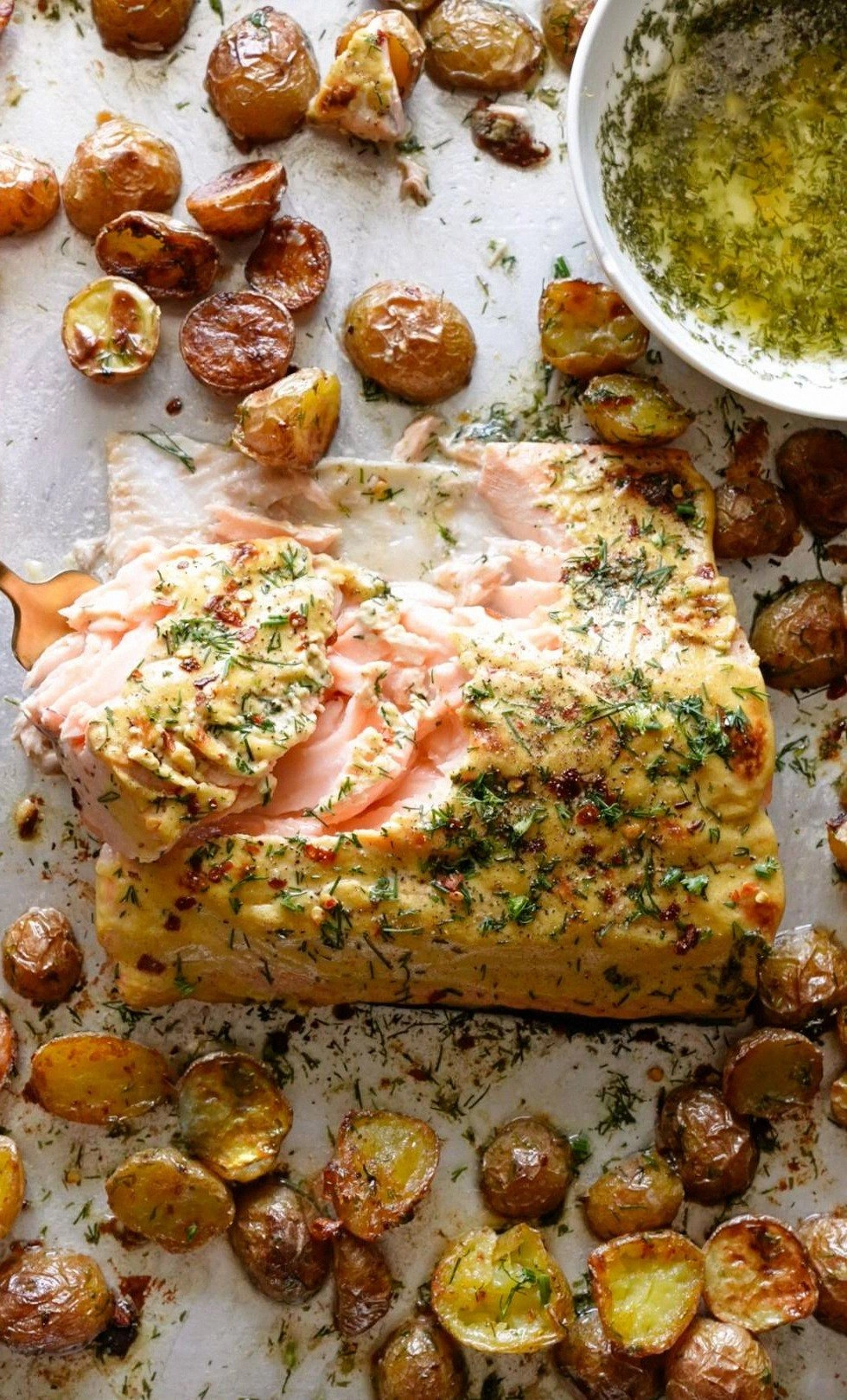
What makes this version stand out? Most sheet‑pan salmon recipes treat the fish and the side dish as afterthoughts, tossing them together with a splash of oil and calling it a day. Not this one. I’ve layered flavors like a master painter, using a dill‑infused butter that seeps into every crevice of the potatoes, while a delicate glaze of honey and mustard kisses the salmon skin, creating a caramelized crust that shatters like thin ice when you bite into it. The result is a dish that feels both rustic and refined, a perfect harmony of textures and tastes that will make you wonder how you ever settled for anything less.
And here’s the kicker: I’m about to reveal a secret technique involving a quick blast of high heat at the end that turns the salmon skin from “just cooked” to “golden, crackling perfection.” This is the kind of hack that makes you feel like you’ve unlocked a hidden level in a video game, and trust me, you’ll want to brag about it at every dinner party. I dare you to taste this and not go back for seconds — it’s hands down the best version you’ll ever make at home. Let me walk you through every single step — by the end, you’ll wonder how you ever made it any other way.
What Makes This Version Stand Out
- Flavor Explosion: The dill‑butter sauce penetrates the potatoes, while a honey‑mustard glaze adds a sweet‑tangy contrast to the salmon’s natural richness.
- Texture Symphony: Crispy, caramelized salmon skin meets buttery, melt‑in‑your‑mouth flesh, and the potatoes boast a crisp exterior with a fluffy interior.
- One‑Pan Simplicity: No juggling of multiple pans; everything cooks together, saving time and dishes, perfect for busy weeknights.
- Unique Ingredient Twist: A splash of white wine in the dill‑butter creates a subtle acidity that lifts the whole dish.
- Crowd‑Pleaser: Even the pickiest eaters love the bright herb flavor and the visual appeal of the golden salmon.
- Ingredient Quality: Wild‑caught salmon and fresh dill make a world of difference; you’ll taste the ocean and the garden in every bite.
- Cooking Method Mastery: The high‑heat finish guarantees a crackling skin without overcooking the delicate flesh.
- Make‑Ahead Potential: Prep the dill‑butter and potatoes ahead of time; just pop them in the oven when you’re ready.
Inside the Ingredient List
The Flavor Base
Fresh dill is the star of this dish. Its bright, slightly citrusy notes cut through the richness of the salmon and butter, creating a balanced flavor profile. If you skip dill, you’ll lose that garden‑fresh pop; substitute with tarragon for a slightly anise‑like twist, but the dish won’t have the same clean finish. When choosing dill, look for vibrant green stems and a fragrant aroma — the fresher, the better. I always buy a bunch and keep the stems; they add extra flavor when you whisk them into the butter.
The Texture Crew
The potatoes are small Yukon Golds, chosen for their buttery interior and thin skins that crisp up beautifully. Their natural sweetness pairs perfectly with the dill‑butter, and they hold up well under high heat. If you must use Russets, cut them into smaller pieces to ensure they cook evenly. Skipping the pre‑boil step? Not an option — it guarantees that the insides are tender before the exterior gets that coveted crunch.
The Unexpected Star
A splash of white wine in the butter adds acidity that brightens the dish and prevents the butter from burning. It also creates a slight steam effect, helping the potatoes develop that perfect interior fluff. If you’re avoiding alcohol, replace it with a splash of chicken broth or even a dry apple cider for a subtle sweetness.
The Final Flourish
Honey‑mustard glaze is the finishing touch that gives the salmon its caramelized crust. The honey caramelizes under the oven’s heat, while the mustard adds a gentle bite. If you’re allergic to honey, maple syrup works as a 1:1 swap, though the flavor profile shifts toward a richer, woodier sweetness. A pinch of smoked paprika in the glaze adds an extra layer of depth, making the crust even more irresistible.
Everything's prepped? Good. Let’s get into the real action — the method that will transform these simple ingredients into a show‑stopping masterpiece.
The Method — Step by Step
Preheat your oven to 425°F (220°C). While it’s heating, line a large rimmed baking sheet with parchment — this prevents sticking and makes cleanup a breeze. The heat is crucial; it will give the salmon skin that coveted crackle and the potatoes that golden edge. I always set a timer for the preheat so I don’t lose track of the kitchen symphony.
Kitchen Hack: Place a metal cooling rack on the pan; it lifts the salmon, allowing hot air to circulate for an even crisp.Make the dill‑butter: melt 4 Tbsp unsalted butter in a small saucepan over low heat. Add 2 Tbsp fresh dill, 1 Tbsp white wine, and a pinch of salt. Let it simmer for 2‑3 minutes until fragrant, then remove from heat. This butter will coat the potatoes and drizzle over the salmon at the end, infusing every bite with herbaceous richness.
Prepare the potatoes: wash and halve 1 lb Yukon Gold potatoes, leaving the skins on for texture. Toss them in a bowl with 2 Tbsp olive oil, 1 tsp garlic powder, and a generous pinch of sea salt. Spread them on the prepared sheet, skin side down, leaving space for the salmon fillets. The oil ensures they crisp up, while the garlic powder adds a subtle depth.
Watch Out: Overcrowding the pan will steam the potatoes instead of roasting them. Keep a comfortable distance between each piece.While the potatoes start their journey, pat 4 lb salmon fillets (skin on) dry with paper towels. Season both sides with salt, pepper, and a light drizzle of olive oil. The dry surface is key to achieving that crackle you’ve been dreaming about.
Make the glaze: whisk together 1 Tbsp Dijon mustard, 1 Tbsp honey, 1 tsp smoked paprika, and a splash of lemon juice. Brush this mixture over the salmon skin, ensuring an even coat. The mustard’s tang and honey’s sweetness will caramelize, forming that glossy, irresistible crust.
Place the salmon fillets skin‑side down on the same sheet, nestled among the potatoes but not touching them. This arrangement lets the heat circulate, cooking both components simultaneously without flavor transfer.
Slide the pan into the oven. Roast for 12‑15 minutes, then switch the oven to broil for the final 2‑3 minutes. Keep a close eye — you want the salmon skin to blister and turn a deep amber, while the potatoes should be fork‑tender inside and crisp outside.
Kitchen Hack: If your broiler is aggressive, tent the salmon with foil after 1 minute to prevent burning while still getting that crisp.Remove the pan and immediately drizzle the warm dill‑butter over the salmon and potatoes. The butter will melt into the crevices, creating a glossy finish and sealing in flavor. Let the dish rest for 3‑4 minutes; this allows the juices to redistribute, making each bite juicy and tender.
That’s it — you did it. But hold on, I’ve got a few more tricks that'll take this to another level…
Insider Tricks for Flawless Results
The Temperature Rule Nobody Follows
Most home cooks set the oven to 400°F and call it a day, but the secret to that perfect salmon skin is a two‑stage heat: start at 425°F for a gentle roast, then finish under the broiler. This method ensures the flesh stays moist while the skin crisps up like a golden wafer. I once tried skipping the broil, and the result was a soggy mess that looked sad on the plate. Trust the heat, and you’ll never have a dull salmon again.
Why Your Nose Knows Best
The aroma of dill‑butter hitting the hot pan is your cue that the potatoes are about to reach caramel perfection. When you smell that nutty, buttery scent, it’s time to start checking the edges. If you wait for visual cues alone, you might overcook the salmon. Trust your nose; it’s the most reliable kitchen thermometer you have.
The 5‑Minute Rest That Changes Everything
Resting isn’t just for steaks. Let the salmon and potatoes sit for a few minutes after removing them from the oven. This brief pause lets the juices settle, preventing a dry bite and allowing the butter to soak into every nook. Skipping this step is a common mistake that leads to a disappointing, watery plate.
Dill‑Butter Ice Cubes for Speed
Freeze the dill‑butter in ice‑cube trays the night before. When you’re ready to cook, just toss a couple of cubes into the pan. They melt instantly, coating the potatoes and salmon with a burst of herbaceous flavor without any extra prep time. It’s a game‑changer for busy weekdays.
Pan Size Matters
A crowded pan will steam rather than roast. Use a full‑size rimmed sheet pan (at least 18x13 inches) to give each piece room to breathe. If you’re cooking for a crowd, split the ingredients across two pans rather than overloading one. The difference in texture is night and day.
Creative Twists and Variations
This recipe is a playground. Here are some of my favorite ways to switch things up:
Maple‑Glazed Salmon
Swap the honey‑mustard glaze for a mixture of maple syrup, whole‑grain mustard, and a pinch of cayenne. The maple adds a deep, caramel flavor that pairs beautifully with the dill‑butter, and the cayenne gives a subtle heat that brightens the dish.
Mediterranean Twist
Replace dill with a blend of oregano, thyme, and lemon zest. Add sliced olives and sun‑dried tomatoes to the pan. The result is a bright, tangy version that feels like a seaside escape.
Spicy Asian Fusion
Make a glaze with soy sauce, sriracha, and a drizzle of sesame oil. Swap dill‑butter for a ginger‑garlic butter and sprinkle toasted sesame seeds over the finished dish. The umami depth and heat create a bold new flavor profile.
Creamy Dill Sauce Finish
After the salmon and potatoes are plated, whisk together Greek yogurt, fresh dill, lemon juice, and a touch of honey. Spoon this cool sauce over the salmon for a creamy contrast that adds a luxurious mouthfeel.
Cheesy Potato Upgrade
Before roasting, toss the potatoes with grated Parmesan and a sprinkle of smoked paprika. The cheese crisps up, forming a golden crust that adds a salty, nutty dimension to the dish.
Storing and Bringing It Back to Life
Fridge Storage
Allow the dish to cool to room temperature, then transfer the salmon and potatoes to an airtight container. Store in the refrigerator for up to 3 days. Reheat gently in a 300°F oven for 10‑12 minutes, adding a splash of water or broth to keep the fish moist.
Freezer Friendly
Separate the salmon and potatoes into freezer‑safe bags. Portion the dill‑butter into small silicone molds and freeze. When ready to use, thaw overnight in the fridge, then reheat as above, adding the butter cubes during the final 5 minutes of cooking for fresh flavor.
Best Reheating Method
For ultimate texture, reheat in a preheated 425°F oven on a sheet pan. The high heat revives the crispness of the potatoes and the salmon skin. A tiny splash of water under the salmon creates steam, preventing it from drying out while the skin regains its crunch.