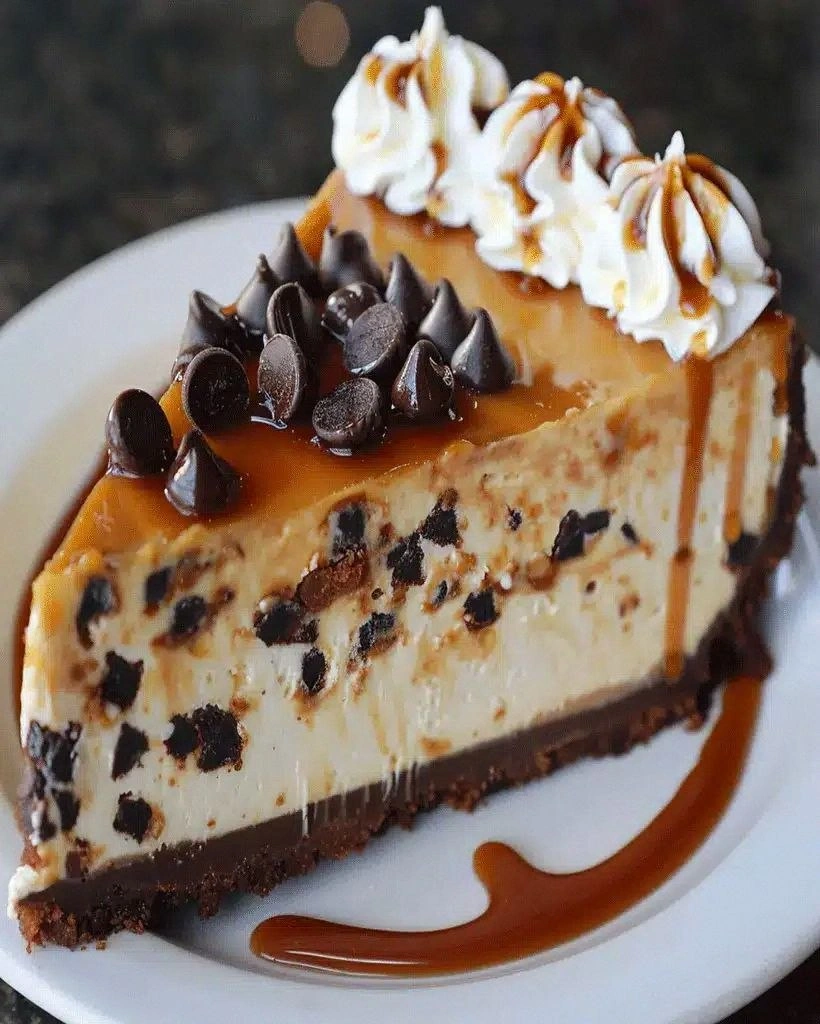
I still remember the day my oven tried to sabotage my life. It was a drizzly Saturday when I cranked it up to bake what I swore would be the ultimate birthday cake for my best friend, only to discover halfway through that the thermostat was lying to me by a sneaky thirty degrees. The cheesecake that emerged looked like a topographical map of the moon, and the caramel had seized into something resembling volcanic glass. My kitchen smelled like a sugar refinery had exploded inside a bakery, and I may have cried into a dish towel for a solid minute. But here is the beautiful thing about disasters: they force you to rebuild, and when you rebuild, you improve every beam and brick. That meltdown became the prototype for the cheesecake I am about to hand you, the one that friends text me about at midnight, the one my neighbor once bribed me for with a bottle of twenty-one-year Balvenie. This version marries silky cream cheese custard with rivers of salted caramel and pockets of bittersweet chocolate, all perched on a buttery graham foundation that crackles like thin ice under your fork. You will taste sweet, salt, smoke, and cocoa in one continuous loop that keeps you coming back for just one more sliver until suddenly the entire cake is gone and you are licking crumbs off the serving platter like a dessert-deprived raccoon.
Picture yourself pulling this out of the oven, the surface glossy as a moonlit lake, the edges just kissing golden while the center still jiggles like it is doing a little dance reserved only for you. Your kitchen will smell like someone melted down candy bars and stirred them into clouds, and the first bite will make you close your eyes involuntarily, the way people do when the choir hits that impossible high note. I have tested this recipe in four different kitchens, with ovens ranging from temperamental 1970s coils to sleek convection titans, and it has never failed me once when I followed the steps I am about to lay out. The secret weapon is a two-stage caramel process that keeps the sauce fluid even when cold, plus a chocolate chip dispersion trick that prevents every chip from sinking to the bottom like they are hiding from daylight. If you have ever struggled with cracked cheesecake tops, grainy caramel, or soggy crusts, you are not alone, and I have got the fool-proof fixes lined up like dominoes ready to knock down every single fear.
Most recipes get this completely wrong by rushing the cooling process and under-seasoning the custard. They treat salt like an afterthought, a timid pinch that disappears under the sugar avalanche. I say be brave. Salt is the spotlight that makes caramel taste more like itself, the contrast that turns simple sweetness into an experience that lingers on your tongue like the last chord of your favorite song. The method you will use here is part soufflé, part custard, part magic trick, and it rewards patience with a slice so smooth it makes satin feel like sandpaper. I dare you to taste this and not go back for seconds, and I double-dare you to serve it at a party without someone proposing marriage on the spot. Okay, ready for the game-changer? Let me walk you through every single step—by the end, you will wonder how you ever made it any other way.
What Makes This Version Stand Out
- Burnt-Sugar Brilliance: We take the caramel to the edge of bitterness, stopping the cook just when wisps of smoke appear, so the sauce carries a smoky depth that balances the sweetness like a perfectly timed punchline.
- Silk-Blanket Texture: A low, gentle bake plus a steamy water bath coaxes the cheesecake into a texture so creamy it spreads across your palate like liquid velvet, no heavy starch required.
- Chip-Suspension System: Tossing the chocolate chips in a whisper of flour keeps them suspended throughout the batter, ensuring every bite delivers equal parts chip, custard, and caramel.
- Overnight Magic: While you can serve it after four hours, letting it chill overnight allows the salt to migrate and bloom, turning each slice into a cohesive symphony rather than separate ingredients.
- Crowd-Proof Presentation: The surface stays blemish-free thanks to a final ten-minute rest in the turned-off oven with the door ajar, so you can serve Instagram-worthy slices without a single crack.
- Make-Ahead Champion: Wrapped well, this cake freezes like a dream for up to two months, meaning you can keep emergency dessert stashed for surprise guests or midnight cravings.
Alright, let us break down exactly what goes into this masterpiece without any mysterious hard-to-find items or single-use gadgets.
Inside the Ingredient List
The Flavor Base
Cream cheese is the star, and I beg you to buy the full-fat block style, not the whipped tub that is pumped with air. The block sets up properly, giving you that dense yet silky mouthfeel that makes people close their eyes involuntarily. Let it soften on the counter for at least an hour; cold cream cheese will fight the mixer and leave you with tiny pebbles that never disappear. Granulated sugar sweetens while helping the custard set, but we keep the quantity modest so the caramel can do the heavy lifting flavor-wise. Brown sugar snuggles into the crust where its molasses notes echo the deeper tones of the caramel, creating a through-line of toasty complexity from bottom to top.
Vanilla extract is non-negotiable, and if you can splurge on a good Madagascar variety, you will taste woodsy floral notes that synthetic vanillin simply cannot fake. A whisper of almond extract, just an eighth of a teaspoon, quietly amplifies the nutty character of the caramel without announcing itself; leave it out and you will sense something missing but you will not know what. Eggs bind and enrich, but we use mostly yolks for extra fat, which translates to luxurious mouthfeel and a yellow hue that looks like sunshine captured in edible form.
The Texture Crew
Sour cream is my secret weapon for tang and stability; its acidity tightens the custard proteins, helping you avoid the dreaded soupy center. Heavy cream loosens the batter just enough to pour while contributing silkiness that sour cream alone cannot deliver. A tablespoon of cornstarch seems odd in a cheesecake, but it acts like insurance, preventing cracks by absorbing excess whey that might weep out during baking. The graham cracker crust gets extra butter so it presses into the pan like wet sand at the tide line, then bakes into a caramelized slab that shatters pleasantly under the fork.
Chocolate chips need to be bittersweet, around sixty percent cacao, so they read as chocolate rather than extra sugar. Mini chips distribute more evenly, but regular chips give you those dramatic molten puddles; I mix half and half for textural gossip. Tossing them in flour is the difference between polka-dot slices and a chip avalanche on the bottom.
The Unexpected Star
Flaky sea salt is the dark horse. You will stir a generous pinch into the caramel, but you will also scatter a few crystals across the top just before serving so your palate gets quick bursts of salinity that make the sweeter notes sing louder. Do not use table salt; its small grains dissolve instantly and can push the dessert into saline territory. Instead, reach for Maldon or fleur de sel, whose pyramid crystals crunch like tiny flavor firecrackers.
Unsalted butter goes into both the crust and the caramel. Using unsalted lets you control the final salt level precisely, and European-style butter with its higher fat percentage gives the caramel a glossy, linger-longer texture that clings lovingly to each forkful.
The Final Flourish
While the cheesecake chills, you will reduce some store-bought salted caramel with a splash of bourbon. The alcohol cooks off, leaving behind smoky vanilla complexity that makes people ask, “What is that amazing flavor I cannot name?” You will drizzle this lacquer over each plated slice so it runs into the crevices like delicious molten topaz. A few chocolate shavings curled on top add visual height and a whisper of sophisticated bitterness that signals to the brain, “This is special occasion territory.”
Everything is prepped? Good. Let us get into the real action.
The Method — Step by Step
- Heat your oven to 325°F (160°C) and position a rack in the lower third so the top of the cake will sit in the center. Wrap the outside of a nine-inch springform pan with two layers of heavy-duty foil, pressing it up the sides to create a watertight shield; this prevents the water bath from seeping in and turning your crust into oatmeal. Blitz graham crackers into fine sandy crumbs, toss with brown sugar, then stir in melted butter until the mixture resembles wet sand that clumps when squeezed. Press this evenly into the base and halfway up the sides using the flat bottom of a measuring cup, compacting so firmly that the crust practically becomes a single caramelized entity. Slide the pan into the oven for ten minutes, just until the edges turn one shade darker and your kitchen smells like toasted campfires; cool on a rack while you move to the filling.
- In a stand mixer fitted with the paddle, beat softened cream cheese on medium-low for two full minutes, scraping the bowl twice. This seemingly excessive step whips out hidden lumps and introduces air that translates into lightness later. Add granulated sugar in a slow steady rain, then bump speed to medium for another two minutes; the mixture should look like glossy ice cream at soft-serve consistency. Drop in eggs one at a time, letting each disappear completely before adding the next, then yolks, vanilla, and almond. Reduce speed to low and stream in sour cream followed by heavy cream; overmixing here whips in too much air that can cause cracks, so stop the second the white streaks vanish.
- Now the fun part: fold in your flour-coated chocolate chips with a silicone spatula, cutting figure-eights through the batter to distribute without deflating. The chips should look like constellations suspended in a pale yellow sky. Pour the batter over the cooled crust, then tap the pan firmly on a towel-lined counter to pop any sneaky air bubbles hiding beneath the surface.
- Next, make the caramel that will swirl through the filling like edible marble. In a heavy stainless saucepan, melt sugar over medium heat, swirling—not stirring—until it liquefies into a deep copper penny color that smells faintly of burnt toast. Off the heat, whisk in butter a cube at a time; it will hiss and foam like a chemistry experiment gone deliciously right. Slowly pour in warmed heavy cream, whisking until the sauce looks like liquid velvet, then stir in flaky salt and let it cool until thick but still pourable. Drizzle two-thirds of this liquid gold over the cheesecake, reserving the rest for serving; use a skewer to pull the caramel into whimsical ribbons that disappear below the surface.
- Set the cheesecake in a roasting pan and place it on the oven rack, then pour boiling water into the outer pan until it reaches halfway up the sides of the springform. Close the door and bake for fifty-five minutes, resisting the urge to peek; the steamy environment keeps the top elastic and prevents the dreaded Grand-Canyon crack. When the edges are set but the center two inches still jiggle like Jell-O when you gently shake the pan, turn off the oven and prop the door open with a wooden spoon. Let the cake coast in this warm cocoon for one hour; this gradual cooling prevents the sudden temperature drop that causes collapse.
- After the gentle oven cool, lift the cheesecake out, remove the foil, and run a thin knife between crust and pan to prevent sticking as it contracts. Cool completely on a rack, then chill at least four hours, though overnight is the golden ticket. The wait feels interminable, but the flavors meld and the custard sets into that perfect sliceable yet creamy state that makes grown adults emit involuntary sighs.
- Before serving, warm the reserved caramel with a splash of cream until it pours like warm honey, then spoon it over each slice so it cascades down the sides in slow-motion rivulets. Add a scatter of flaky salt crystals and a few chocolate curls for visual drama, then step back and bask in the inevitable applause.
That is it—you did it. But hold on, I have got a few more tricks that will take this to another level.
Insider Tricks for Flawless Results
The Temperature Rule Nobody Follows
Room-temperature dairy is not just a polite suggestion; it is the difference between a lump-free batter and something that looks like cottage cheese trying to cosplay as dessert. I leave my cream cheese, eggs, sour cream, and heavy cream on the counter for a full two hours before mixing. Yes, two hours—set a timer and go binge your favorite show. Cold ingredients refuse to emulsify smoothly, so when they hit the oven, they separate into tiny grainy pockets that ruin the custard’s velvet reputation. If you are impatient, submerge the wrapped cream cheese in lukewarm water for fifteen minutes, and place eggs in warm tap water for five; your future self will thank you.
Why Your Nose Knows Best
When reducing the caramel sauce, ignore the clock and trust your olfactory factory. As soon as you smell burnt sugar that reminds you of toasted marshmallows at a beach bonfire, yank that pan off the heat. Visual cues lie depending on your saucepan’s color, but aroma never does; it is the built-in kitchen timer evolution forgot to charge by the hour. Miss that sweet spot and you will land in acrid territory where the caramel tastes like licking an ashtray. Nail it, and you unlock a smoky complexity that makes people close their eyes and say, “Wow, what is that flavor I cannot name?”
The Five-Minute Rest That Changes Everything
After you shut off the oven, walk away for exactly five minutes before cracking the door. This brief pause allows the surface proteins to relax gradually so they do not recoil in horror and split the second cooler air hits them. I learned this the hard way after serving a cheesecake that looked like a tectonic plate shift at a dinner party where my nemesis from culinary school happened to be present. Humiliation tastes bitter; cheesecake should not. Now I set a phone alarm and use those five minutes to brew coffee, so I am not tempted to rush.
The Slice-and-Wipe Rule
Every time you cut a slice, dip your knife in hot water and wipe it dry. That quick dip melts through the custard cleanly instead of dragging smears across your beautiful plating. I keep a tall mug of just-boiled water next to the cake stand and a kitchen towel over my shoulder like a dessert ninja. The result? Clean, café-worthy wedges that make people think you apprenticed in Paris when really you just hate messy edges.
Creative Twists and Variations
This recipe is a playground. Here are some of my favorite ways to switch things up:
Pretzel-Bottom Peanut Swirl
Crush salted pretzels instead of graham crackers and fold a half-cup of peanut butter into the batter before baking. The salty crunch plays off the caramel like a jazz duet, and the peanut notes cozy up to the chocolate chips like old college roommates reuniting at midnight.
Smoky Bourbon Maple Edition
Swap two tablespoons of the heavy cream in the caramel for good bourbon and replace the brown sugar in the crust with maple sugar. The smoky sweetness evokes late-night bonfires and flannel shirts even in the middle of July.
Espresso Mocha Midnight
Dissolve a teaspoon of instant espresso powder in the vanilla, then fold in mini chocolate chips dusted with cocoa powder. The bitter coffee edge sharpens the salted caramel into a flavor so adult it practically asks for a mortgage.
Coconut-Caramel Luau
Toast sweetened shredded coconut until golden and press it into the crust, then replace half the heavy cream in the batter with coconut milk. The tropical perfume transports you straight to a beach where calories do not count and every sunset comes with dessert.
White Chocolate Raspberry Ripple
Omit the chocolate chips and swirl in raspberry puree mixed with melted white chocolate. The tart berries slice through the richness like neon lights in a noir film, while white chocolate adds creamy sweetness that keeps the whole thing from turning into a sourpuss.
Triple Salt Caramel Challenge
For the bravely addicted, fold crushed salted caramel corn into the batter and finish the top with a snowfall of flaky salt, crushed caramel brittle, and a drizzle of extra sauce. I dare you to taste this and not go back for thirds.
Storing and Bringing It Back to Life
Fridge Storage
Once fully chilled, tent the cheesecake with plastic wrap—do not let the wrap touch the surface or it will lift off bits of caramel like greedy tape. Store it on the lowest shelf where the temperature is most stable, and it will keep for five days, though I have never witnessed one surviving past day three. If you notice condensation droplets, gently blot with a paper towel before serving; no one wants a weepy dessert.
Freezer Friendly
Cut the chilled cheesecake into wedges and flash-freeze them uncovered on a parchment-lined sheet pan. Once rock solid, wrap each slice in plastic, then aluminum foil, and stash inside a zip-top bag with the air sucked out like you are performing dessert CPR. Freeze for up to two months. Thaw overnight in the fridge or at room temperature for thirty minutes if you are in a dessert emergency, which is totally a legitimate crisis.
Best Reheating Method
Cheesecake is best served cold, but if you like your caramel river slightly fluid, give each plated slice a ten-second zap in the microwave just to take the chill off the sauce. Ten seconds only—any longer and the custard edges start to sweat like a teenager at prom. Alternatively, warm a slice in a low oven (250°F) for five minutes, but place it on a piece of parchment to prevent the crust from drying out.