I still remember the first time I attempted a roasted beet salad. It was a disaster of epic proportions. My kitchen looked like a crime scene from a horror movie—magenta beet juice splattered across every surface, my white shirt permanently tie-dyed, and the beets themselves? Mushy, tasteless, and about as appealing as wet cardboard. I swore off beets forever that day, vowing never to let those ruby roots darken my kitchen again.
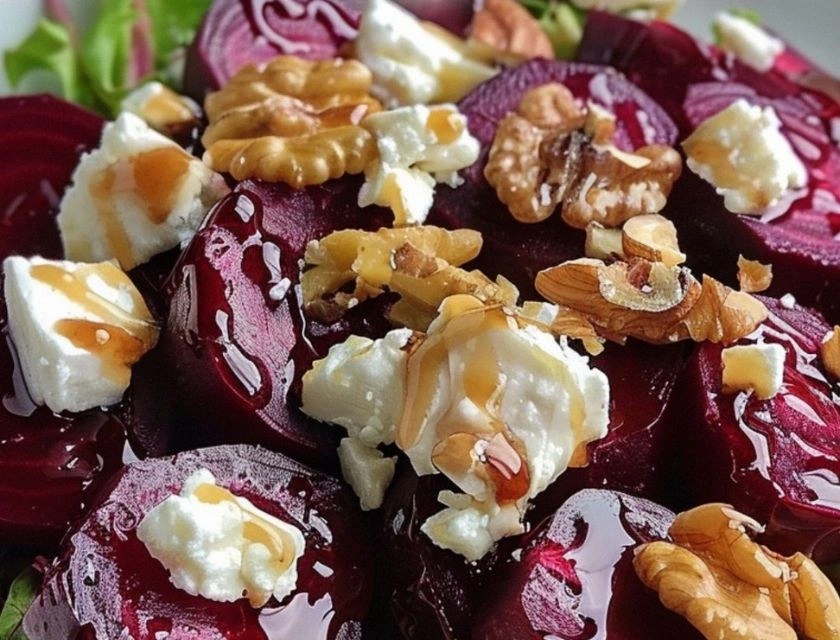
Fast forward three years, and there I was, sitting in a tiny bistro in Portland, reluctantly ordering their signature beet salad because everything else on the menu was sold out. The server set down this gorgeous plate—deep purple beets nestled against snowy goat cheese, glistening walnuts catching the light like tiny jewels, and this dressing that made my taste buds do a happy dance. One bite and I was done for. I actually asked the chef if I could work in his kitchen for free just to learn this recipe. That's how good it was.
What followed were months of obsessive experimentation, probably fifty different attempts, and more beet-stained cutting boards than I care to admit. But here's the thing—I cracked the code. I discovered why most roasted beet salads fall flat (literally and figuratively), and I developed techniques that transform humble ingredients into something that'll make you close your eyes and sigh with each bite. This isn't just another beet salad recipe; this is the beet salad that'll convert even the most stubborn beet-haters into raving fans.
The secret isn't in fancy ingredients or complicated techniques. It's about understanding how to coax maximum flavor from each component, how to balance sweet and tangy, creamy and crunchy, earthy and bright. The way the honey-Dijon vinaigrette cuts through the richness of the goat cheese, how the toasted walnuts provide that crucial textural contrast, and why the roasting method I'm about to share with you makes all the difference between sad, soggy beets and ones that taste like candy. Let me walk you through every single step—by the end, you'll wonder how you ever made it any other way.
What Makes This Version Stand Out
This roasted beet salad isn't just different—it's a complete game-changer. After testing dozens of variations and techniques, I've distilled the essence of what makes restaurant-quality salads sing and translated it into a foolproof home cooking method that'll have everyone asking for your secret.
- Flavor Explosion: Most beet salads taste like, well, dirt. Not this one. The combination of roasting technique and the honey-Dijon vinaigrette transforms earthy beets into sweet, caramelized gems that taste like they were kissed by angels.
- Textural Symphony: Every bite delivers a perfect contrast—tender roasted beets, creamy goat cheese that melts on your tongue, and walnuts toasted to the exact moment they become buttery and crisp. It's like a party in your mouth where everyone's invited.
- Foolproof Technique: Forget everything you've heard about roasting beets. The aluminum foil packet method I'm sharing ensures perfectly tender beets that slip right out of their skins, no scrubbing or peeling required while they're hot and messy.
- Make-Ahead Magic: This salad actually gets better as it sits for 30 minutes, making it perfect for dinner parties or meal prep. The flavors meld together in ways that'll make you look like a culinary genius with minimal effort.
- Ingredient Quality Focus: We're not drowning anything in heavy dressings here. Each ingredient shines because it's treated with respect—lightly dressed greens, perfectly balanced vinaigrette, and beets roasted just until they're tender enough to slice but still hold their shape.
- Crowd-Pleasing Power: I've served this to people who claimed to hate beets, goat cheese, and salads in general. Every single one asked for the recipe. It's that good.
Alright, let's break down exactly what goes into this masterpiece...
Inside the Ingredient List
The Flavor Foundation
Beets are the undisputed star here, but not just any beets will do. You want medium-sized ones, about the size of a tennis ball, with smooth skin and firm flesh. The fresher the beet, the sweeter it is—old beets develop that characteristic dirt flavor that gives them their bad reputation. When you're selecting them, look for ones that feel heavy for their size and have fresh-looking greens if they're still attached. The color doesn't matter as much as you think—golden, candy-striped, or deep red all work beautifully, though I prefer the traditional red for that stunning visual contrast against the white goat cheese.
The olive oil isn't just a cooking medium—it's flavor insurance. A good quality extra virgin olive oil brings fruity, peppery notes that complement the sweet beets perfectly. Don't cheap out here. That bargain bottle that's been sitting in your pantry for two years isn't doing anyone any favors. I keep a special bottle just for salads and finishing dishes, something with character and depth that makes you want to dip bread in it.
The Texture Crew
Walnuts are crucial for that satisfying crunch, but here's where most recipes go wrong—they use raw walnuts. Raw walnuts taste slightly bitter and have a soft, almost rubbery texture. Toasting transforms them into something magical. The oils heat up and become fragrant, the texture turns buttery and crisp, and that slight bitterness disappears, replaced by a rich, nutty sweetness that plays beautifully against the tangy goat cheese. You want to toast them just until they smell amazing and start to color. Too light and you miss the transformation. Too dark and they become bitter again.
Goat cheese selection makes or breaks this salad. Fresh, creamy goat cheese is what you're after—look for one that's soft and spreadable, not the aged, crumbly kind. The tanginess should be bright and clean, not overwhelming or barnyard-y. If you can find local goat cheese at a farmers market, grab it. The flavor difference between mass-produced and artisanal goat cheese is like comparing a fast food burger to a dry-aged steak. Both are technically beef, but the experience is worlds apart.
The Unexpected Star
Honey might seem like a small player, but it's the bridge between all the flavors. It softens the sharpness of the Dijon, adds complexity to the vinaigrette, and brings out the natural sweetness in the roasted beets. I use wildflower honey for its floral notes, but any good quality honey works. Skip the bear-shaped squeeze bottle stuff—it's usually corn syrup with honey flavor. You want honey that tastes like, well, honey. The kind that makes you close your eyes and think of summer fields.
Dijon mustard isn't just for flavor—it's an emulsifier that helps your vinaigrette stay together instead of separating into an oily mess. But not all Dijon is created equal. Real French Dijon has a complexity and depth that supermarket brands can't match. It's worth seeking out Maille or another authentic brand. The difference is immediately noticeable in the finished dressing.
The Method — Step by Step
-
Preheat your oven to 400°F (200°C). While it's heating, wash your beets thoroughly under cold water, scrubbing with a vegetable brush to remove any dirt. Don't peel them yet—the skin acts as a natural barrier that helps them steam in their own juices. Trim off the greens about an inch above the beet, leaving a small stub. This prevents the beets from bleeding out their color and keeps them from drying out during roasting. If your beets have long tails, trim those too, but leave about half an inch attached. Trust me on this—I've tried every method, and this setup gives you the most tender, flavorful results.
-
Here's where the magic happens. Tear off four large squares of aluminum foil, big enough to completely wrap each beet. Place a beet in the center of each square, drizzle with just a touch of olive oil—maybe a teaspoon per beet—and sprinkle with salt. The oil helps conduct heat evenly and prevents the skin from drying out, while the salt draws out moisture and concentrates the flavor. Wrap each beet tightly in the foil, making sure there are no gaps where steam can escape. You want to create little individual steam chambers that'll cook the beets gently and evenly.
-
Place your foil-wrapped beet packages directly on the oven rack in the middle position. Set a timer for 45 minutes, but don't walk away completely. Depending on the size of your beets, they might need anywhere from 40 to 60 minutes. You want them tender enough that a paring knife slides in with almost no resistance, but not so soft they turn to mush. Golden beets cook faster than red ones, so if you're using a mix, check them at 35 minutes. The kitchen will start to smell sweet and earthy, like autumn leaves and honey—that's when you know good things are happening.
-
While the beets are roasting, it's walnut time. Spread your walnuts in a single layer on a dry baking sheet and pop them into the oven alongside the beets for about 8-10 minutes. You're looking for two things: they should smell incredibly fragrant, like walking into a nut shop, and they should have darkened just slightly. If you cut one open, it should be golden throughout, not pale in the center. The difference between perfectly toasted and burnt is about 30 seconds, so set a timer and stay close. Once they're done, immediately transfer them to a plate to stop the cooking—walnuts will continue toasting from residual heat and can go from perfect to bitter in minutes.
-
Now for the vinaigrette, which is honestly so good I could drink it straight. In a small bowl, whisk together the Dijon mustard and honey until completely smooth. The honey should dissolve into the mustard, creating a glossy, amber-colored base. Add the apple cider vinegar and whisk until combined—the mixture will thin out and become slightly paler. Now here's the crucial part: slowly drizzle in the olive oil while whisking constantly. You're creating an emulsion, which means you're forcing oil and water-based ingredients to play nicely together. When it's done right, the dressing will thicken slightly and become beautifully glossy. Taste it and season with salt and pepper. It should be tangy, slightly sweet, and have a gentle mustard kick that doesn't overpower.
-
When your beets are tender, remove them from the oven and let them cool just enough to handle—about 10 minutes. Here's the fun part: unwrap them carefully (the steam is hot!) and you'll find the skins practically slide off with gentle pressure from your fingers. If they resist, use a paper towel to rub them off. The flesh underneath will be jewel-like and tender. Slice them into rounds about a quarter-inch thick. They should hold their shape but yield easily to a fork. If they're falling apart, they needed less time in the oven. If they're tough in the center, they need more.
-
In a large bowl, gently toss your mixed greens with just enough vinaigrette to lightly coat them—start with about two tablespoons and add more if needed. The greens should glisten but not be weighed down with dressing. This is a common mistake I see all the time: drowning the salad so it becomes soggy within minutes. You want each leaf to be kissed by the dressing, not swimming in it. Season with a pinch of salt and a few grinds of black pepper, tasting as you go.
-
Time to assemble your masterpiece. Arrange the dressed greens on a large platter or individual plates. Tuck the beet slices in and around the greens, letting their vibrant color peek through. Crumble the goat cheese over the top—don't be shy here, but don't dump it all in one spot either. Think of it like stargaze, scattered but evenly distributed. Sprinkle the toasted walnuts over everything, and if you're feeling fancy, drizzle just a tiny bit more vinaigrette over the top. Serve immediately, or let it sit for up to 30 minutes—this actually helps the flavors meld together beautifully.
Insider Tricks for Flawless Results
The Temperature Rule Nobody Follows
Here's something that'll blow your mind: most people roast beets at the wrong temperature. They either go too low, resulting in tough, leathery beets, or too high, which causes the outside to burn before the inside cooks through. After testing every temperature from 325°F to 450°F, I've found that 400°F is the sweet spot. It's hot enough to caramelize the natural sugars in the beets, creating those complex, almost candy-like flavors, but gentle enough to cook them evenly without burning. The difference is dramatic—400°F gives you beets that are tender throughout with concentrated, sweet flavor that makes you wonder why you ever thought you didn't like beets.
Why Your Nose Knows Best
Forget timers and thermometers for a second—your nose is your most reliable kitchen tool when roasting beets. When they're perfectly done, your kitchen will smell like someone is baking the world's best carrot cake. It's a sweet, earthy aroma that's almost intoxicating. If you smell nothing, they're not done yet. If you smell something slightly burnt or acrid, you've gone too far. This might sound like kitchen voodoo, but it's actually science—the Maillard reaction that creates those complex, delicious flavors releases aromatic compounds that your nose can detect before your eyes can see the difference. Trust your senses; they've been honed over thousands of years of human evolution for exactly this purpose.
The 5-Minute Rest That Changes Everything
After you dress this salad, let it sit for five minutes before serving. I know, I know—every salad recipe tells you to serve immediately to prevent wilting. But here's the thing: this salad benefits from a brief rest. The vinaigrette has a chance to permeate the beets slightly, the goat cheese warms up just enough to become extra creamy, and the flavors have a moment to get to know each other. Just five minutes, though—any longer and the greens start to wilt. Set a timer and when it goes off, serve immediately. This little pause transforms good into extraordinary, and once you try it, you'll never skip this step again.
The Goat Cheese Temperature Secret
Cold goat cheese crumbles beautifully but lacks that luxurious creaminess that makes this salad special. Room temperature goat cheese, on the other hand, can be too soft and mushy. The solution? Take your goat cheese out of the fridge about 15 minutes before you're ready to assemble the salad. It should be cool but not cold—soft enough to crumble into creamy nuggets that will ever-so-slightly melt when they hit the warm beets, creating these little pockets of tangy, creamy heaven throughout the salad. If you forget to take it out early, you can speed up the process by cutting it into small pieces and letting it sit for 5 minutes.
Why You Should Toast Extra Walnuts
Here's a confession: I always toast double the amount of walnuts I need for this recipe. Why? Because they're absolutely addictive and you'll find yourself snacking on them while you cook. Plus, they keep beautifully in an airtight container at room temperature for up to a week, and having them on hand means you can whip up this salad at a moment's notice. They're also fantastic sprinkled over yogurt, tossed into pasta, or just eaten by the handful when you need a quick, healthy snack. The toasting process concentrates their flavor and transforms their texture into something that's almost buttery. Once you've tasted properly toasted walnuts, there's no going back to raw.
Creative Twists and Variations
This recipe is a playground. Here are some of my favorite ways to switch things up:
The Mediterranean Makeover
Swap the honey for pomegranate molasses in the vinaigrette, replace walnuts with toasted pine nuts, and add a handful of fresh mint leaves along with some orange segments. The pomegranate molasses adds a deep, tangy sweetness that pairs beautifully with beets, while the mint brightens everything up and transports you straight to a sunny Greek island. The orange segments add juicy bursts of citrus that complement the earthy beets perfectly.
The Winter Comfort Version
Roast the beets with a few sprigs of fresh thyme and a drizzle of balsamic vinegar. Add some roasted butternut squash cubes to the salad, swap the goat cheese for blue cheese if you're feeling bold, and add some crispy pancetta bits. This version is heartier and more substantial, perfect for those cold winter months when you want something comforting but still healthy. The blue cheese adds a more intense, funky note that stands up beautifully to the other robust flavors.
The Summer Berry Edition
Add a handful of fresh raspberries or blackberries to the salad, and swap the apple cider vinegar in the vinaigrette for raspberry vinegar. The berries add a tart-sweet element that makes this salad perfect for hot summer days. The raspberry vinegar amplifies the berry flavor and creates a vinaigrette that's incredibly refreshing. Add some fresh basil leaves for an herby note that ties everything together.
The Vegan Powerhouse
Replace the goat cheese with crumbled tempeh that's been marinated in lemon juice and herbs, and swap the honey for maple syrup. Add some cooked quinoa for extra protein and texture. This version is just as satisfying as the original but completely plant-based. The marinated tempeh provides that tangy, creamy element that goat cheese usually delivers, while the maple syrup adds a different kind of sweetness that works beautifully with the beets.
The Spice Route Variation
Add a teaspoon of ground cumin and a pinch of cinnamon to your vinaigrette, swap the walnuts for pistachios, and add some thinly sliced fennel bulb to the greens. This version has warm, exotic flavors that make the salad feel completely different. The cumin and cinnamon add depth and complexity, while the fennel provides a crisp, anise-like note that cuts through the richness of the other ingredients.
The Breakfast-for-Dinner Twist
Top the finished salad with a perfectly poached egg. When you break the yolk, it creates a rich, silky sauce that mingles with the vinaigrette and coats everything in golden deliciousness. Add some everything bagel seasoning to the goat cheese before crumbling it over the salad. This might sound weird, but the combination of runny egg yolk, tangy goat cheese, sweet beets, and crunchy walnuts is absolutely magical.
Storing and Bringing It Back to Life
Fridge Storage
Here's the beautiful thing about this salad—it actually keeps better than most. Store any leftovers in an airtight container in the fridge for up to 3 days. The key is to keep the components separate if you're meal prepping. Store the roasted beets, toasted walnuts, and vinaigrette each in their own containers, and only assemble what you'll eat in one sitting. The dressed salad will keep for about 24 hours before the greens start to wilt, but the flavors actually improve overnight as everything marinates together. If your greens do get a bit wilted, you can refresh them by soaking in ice water for 10 minutes, then spinning dry.
Freezer Friendly
Surprisingly, roasted beets freeze beautifully. Let them cool completely, slice them, and freeze them in a single layer on a baking sheet. Once frozen solid, transfer them to a freezer bag—they'll keep for up to 3 months. Thaw them in the fridge overnight or at room temperature for 2 hours. They won't have quite the same texture as fresh-roasted, but they're perfect for salads when beets aren't in season. The vinaigrette can also be frozen in ice cube trays for up to 2 months. Just thaw and whisk before using. Don't freeze the goat cheese or walnuts—they'll change texture and become crumbly and mealy.
Best Reheating Method
While this salad is best served at room temperature or slightly cool, if you want to serve leftover roasted beets warm, here's the trick: place them in a steamer basket over simmering water for 2-3 minutes. This gently warms them without drying them out like microwaving would. You can also warm them in a dry skillet over medium heat for 1-2 minutes per side—they'll caramelize slightly and develop even more flavor. Just don't overheat them or they'll become mushy. The goal is just to take the chill off, not cook them further.