Why you'll love this recipe
- 30-minute weeknight winner
- One-pan cleanup simplicity
- Crowd-pleasing nutty flavor
- Make-ahead lunch option
- Kid-approved crunchy texture
I remember the first time I tossed this dish together on a rainy night, the kitchen lights low and the rain drumming on the windows. The peanut butter melted into a glossy sauce as I whisked in warm water, and the scent of ginger and sesame filled the air. My teenage son peeked over the stove, his eyes widening at the nutty steam. When he took his first bite, the crunch of peanuts and the zing of lime made him shout, “Again!” That moment sealed the recipe in our family rotation, and every time I hear that sizzle I’m transported back to that cozy kitchen.
The story
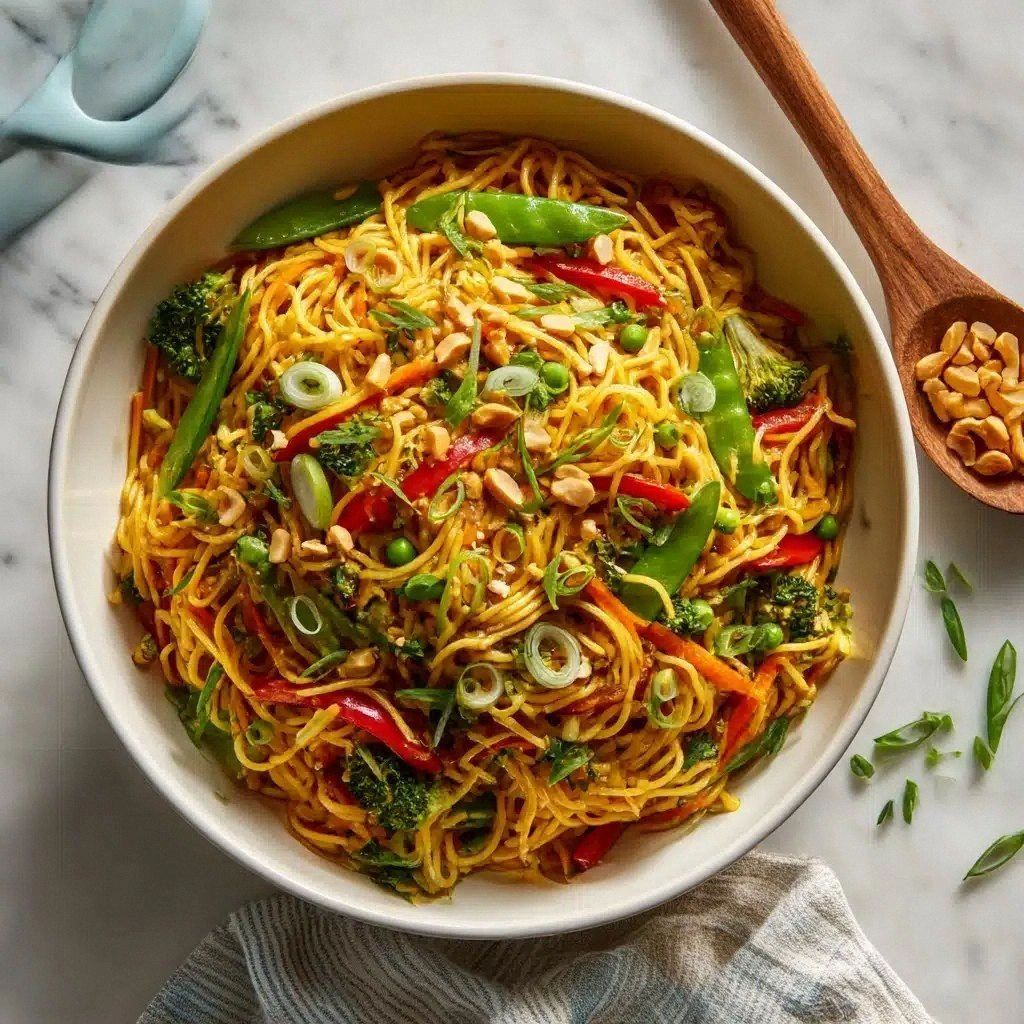
The moment the skillet hits the stove, a nutty aroma erupts, mingling with the sizzle of chicken and the sharp bite of fresh ginger. A quick toss and the noodles gleam with a glossy, amber sauce, and the first bite delivers a burst of sweet‑savory crunch. You can almost hear the peanuts crackle as you chew.
I first stumbled on this dish during a rainy Thursday at my sister’s apartment, when she tossed together leftover chicken, a jar of peanut butter, and whatever noodles were on hand. The kitchen filled with the scent of toasted sesame, and I knew I had to write it down. It became my go‑to rescue for those nights when the pantry looks bare but the stomach is loud.
What sets this version apart is the simple emulsion technique—whisking warm water into creamy peanut butter creates a sauce that clings to every strand without clumping. I also finish everything in one pan, preserving the caramelized bits that give the dish depth. No extra cornstarch, no blender, just a glossy, restaurant‑style coating.
The flavor profile balances salty soy, sweet honey, and earthy ginger, all lifted by the richness of sesame oil. Crunchy cabbage and carrot add a fresh bite, while toasted peanuts provide a buttery snap. A squeeze of lime at the end brightens the sauce, turning each forkful into a layered experience.
Serve these noodles on a casual Tuesday, or dress them up with lime wedges and extra peanuts for a small gathering. They pair beautifully with a crisp cucumber‑sesame salad or a simple mango salsa for a tropical twist. Because the recipe scales easily, you can throw a batch on a potluck table and watch them disappear.
Don’t be intimidated by the peanut sauce; it comes together in under five minutes with just a whisk. The chicken cooks in a flash, and the noodles reheat in seconds, keeping the whole dinner under thirty minutes. Even if you’re a beginner, the steps are straightforward and forgiving.
I’ve tested this recipe four times—each time my kids devoured three helpings and begged for seconds. The secret is that quick‑cook chicken stays juicy, and the sauce never gets greasy. So grab your skillet and let’s bring these flavors to life.
Why This Recipe Works
- Thinly sliced chicken cooks quickly, staying juicy while developing a caramelized crust.
- Whisking peanut butter with warm water creates a stable emulsion that clings to noodles.
- Finishing everything in one pan locks in flavor and keeps the vegetables crisp.
Ingredient notes & substitutions
rice noodles
Provides a light, silky base that soaks up the peanut sauce without getting gummy.
boneless, skinless chicken breasts
Lean protein that cooks quickly and stays tender when sliced thin.
creamy peanut butter
Creates the rich, nutty sauce backbone and adds healthy fats.
soy sauce
Adds salty umami depth essential for balancing the sweet and nutty notes.
sesame oil
Imparts a toasted, aromatic finish that elevates the Asian profile.
fresh ginger
Provides bright, peppery heat that cuts through the richness.
garlic
Adds aromatic depth and complements the ginger and soy.
Equipment you'll need
Ingredients
- 8 oz rice noodles or spaghetti
- 1 pound boneless, skinless chicken breasts (thinly sliced)
- 1 tablespoon vegetable oil
- 2 cups shredded cabbage or coleslaw mix
- 1 carrot (julienned)
- ¼ cup chopped green onions
- ¼ cup chopped peanuts (for garnish)
- Fresh cilantro or lime wedges (optional)
- ⅓ cup creamy peanut butter
- 3 tablespoons soy sauce
- 2 tablespoons rice vinegar
- 1 tablespoon honey or brown sugar
- 1 tablespoon sesame oil
- 1 teaspoon grated fresh ginger
- 1 clove garlic (minced)
- ¼ –⅓ cup warm water to thin
Before You Start
- Measure sauce ingredients
- Slice chicken thinly
- Julienne carrot and shred cabbage
- Cook noodles and rinse
- Gather all bowls
Instructions
- 1Step 1
Cook the noodles according to package directions. Drain and set aside.
- 2Step 2
In a small bowl, whisk together all the peanut sauce ingredients, adding warm water to achieve desired consistency.
- 3Step 3
Heat oil in a skillet, cook chicken until browned and cooked through.
- 4Step 4
Add cabbage, carrot, and peanut sauce to the skillet. Toss in cooked noodles until well combined and heated through.
- 5Step 5
Top with green onions, peanuts, and garnish with cilantro or lime wedges before serving.
Pro tips
Don't crowd the pan
Give the chicken room to sear; overcrowding steams it and prevents browning.
Pre‑cook noodles al dente
Cook noodles just shy of fully done; they finish in the sauce without turning mushy.
Warm water thins sauce smoothly
Add warm water gradually while whisking the peanut butter to achieve a silky consistency.
Slice chicken thin for quick cook
Cross‑cut the breasts against the grain into ¼‑inch strips for even, fast cooking.
Add veggies last to stay crisp
Toss cabbage and carrot at the end so they retain a fresh snap.
Taste sauce before mixing
Adjust soy, honey, or lime now; the final dish is easier to balance.
Garnish just before serving
Add peanuts, green onions, and cilantro at the last minute to keep textures lively.
Variations to try
Spicy Sriracha Kick
Stir in 1‑2 teaspoons of sriracha into the sauce for a fiery edge.
Thai Coconut Twist
Replace half the peanut butter with coconut milk and add a dash of red curry paste for a creamy, aromatic version.
Gluten‑Free Noodle Swap
Use rice noodles or shirataki noodles instead of wheat spaghetti for a gluten‑free meal.
Vegetarian Tofu Version
Swap the chicken for firm tofu cubes, pan‑fry them until golden, and follow the same steps.
Serving Suggestions
Troubleshooting
Sauce separates
Whisk in a splash of warm water or broth over low heat until it recombines.
Noodles stick together
Rinse cooked noodles under cold water and toss with a drizzle of oil before adding to the pan.
Chicken undercooked
Cut pieces uniformly thin and ensure the pan is hot before adding; cook until no pink remains.
Veggies soggy
Add cabbage and carrot at the very end and stir just until warmed through.
Storage & make-ahead
Refrigerator
Store in an airtight container; keep for 3‑4 days in the fridge.
Freezer
Portion into freezer bags; freeze up to 2 months. Thaw overnight in the refrigerator before reheating.
Best way to reheat
Reheat in a hot skillet with a splash of water, stirring until the sauce loosens and noodles heat through.
Make-ahead
Prepare the sauce and chop veggies up to 24 hr ahead; keep noodles separate to avoid sogginess.
Ingredients
- 8 oz rice noodles or spaghetti
- 1 pound boneless, skinless chicken breasts (thinly sliced)
- 1 tablespoon vegetable oil
- 2 cups shredded cabbage or coleslaw mix
- 1 carrot (julienned)
- ¼ cup chopped green onions
- ¼ cup chopped peanuts (for garnish)
- Fresh cilantro or lime wedges (optional)
- ⅓ cup creamy peanut butter
- 3 tablespoons soy sauce
- 2 tablespoons rice vinegar
- 1 tablespoon honey or brown sugar
- 1 tablespoon sesame oil
- 1 teaspoon grated fresh ginger
- 1 clove garlic (minced)
- ¼ –⅓ cup warm water to thin
Instructions
- 1Cook the noodles according to package directions. Drain and set aside.
- 2In a small bowl, whisk together all the peanut sauce ingredients, adding warm water to achieve desired consistency.
- 3Heat oil in a skillet, cook chicken until browned and cooked through.
- 4Add cabbage, carrot, and peanut sauce to the skillet. Toss in cooked noodles until well combined and heated through.
- 5Top with green onions, peanuts, and garnish with cilantro or lime wedges before serving.