Picture this: it’s a rainy Saturday, the kettle is already whistling, and your pantry is a chaotic symphony of spices and forgotten ingredients. You open the fridge, grab a bag of beef, and suddenly feel a surge of culinary ambition. The idea hits you like a lightning bolt—why not turn that humble stew into a Hungarian masterpiece that’ll have everyone begging for seconds? I’m talking about a one-pot goulash that’s so rich, it practically writes its own recipe card.
I’ve spent countless evenings chasing the perfect goulash, and I’ve finally nailed it. The moment the onions hit the pan, their sweet aroma unfurls like a velvet curtain, signaling the start of a flavor revolution. The beef sears into a caramelized crust that locks in juices, while the paprika whispers a smoky, peppery kiss that lingers on the tongue. Every bite feels like a warm hug, a testament to the harmony of spices and the patience of slow cooking. Trust me, once you taste this, I dare you to stop at just one spoonful.
What makes this version stand out? It’s not just the ingredients—though we’re using high‑quality beef and fresh paprika—but the way they interact in a single, unbroken pot. The technique is simple: sear, sauté, simmer, and let the flavors mingle. The result is a thick, hearty stew that’s practically a dish in itself, no need for extra sauces or garnish. It’s the kind of comfort food that feels like a homecoming, no matter where you are. I’ve been told that people who’ve tried other goulash recipes simply can’t go back once they’ve tasted mine.
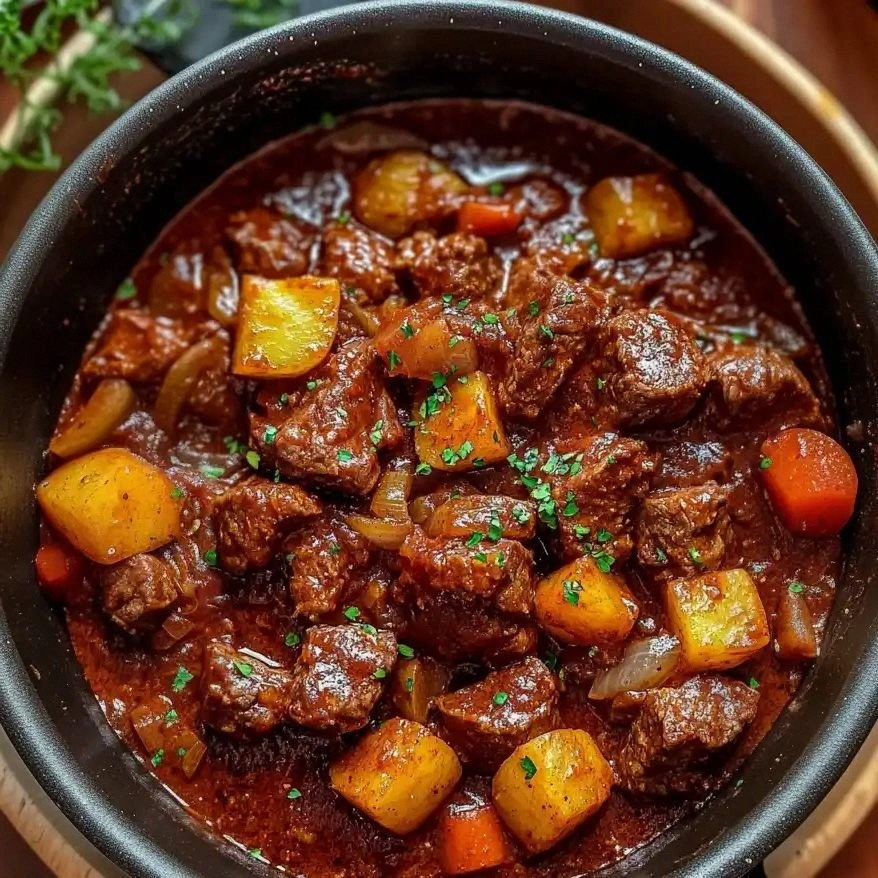
I’ll be honest—when I first cooked this, I ate half the batch before anyone else got to taste it. The broth was so full of depth that even a single spoon was enough to satisfy my cravings. The texture of the beef was melt‑in‑your‑mouth tender, and the potatoes absorbed every ounce of savory goodness. The carrots added a subtle sweetness that balanced the paprika’s bite. And the red bell pepper? It brought a bright, almost citrusy lift that kept the dish from feeling too heavy.
Most recipes get this completely wrong by over‑seasoning or using too much liquid, but that’s not our case. We’re sticking to a tight ratio that ensures every component shines without drowning the others. The paprika is toasted just enough to release its oils, but not so long that it burns. The broth is a simple beef stock that doesn’t overpower the meat, letting the natural flavors dominate. The potatoes and carrots are cut into uniform pieces so they cook evenly and absorb the sauce. This meticulous balance is what makes the dish so memorable.
If you’ve ever struggled with a stew that turns out watery or bland, you’re not alone—and I’ve got the fix. The trick is to start with a good sear, which creates a Maillard reaction that builds depth. Then, add the paprika right after the beef is browned, giving it a chance to bloom without burning. The key is also in the liquid: use a flavorful broth rather than plain water, and keep the simmer low to avoid over‑cooking the vegetables. These small adjustments turn a simple pot of ingredients into a culinary triumph.
Picture yourself pulling this out of the pot, the whole kitchen smelling incredible, and a plate of steaming goulash waiting on the table. The aroma alone will have your guests lining up for seconds. The first bite is a cascade of savory, smoky, and sweet notes that dance across your palate. The meat is tender, the vegetables are perfectly cooked, and the sauce is thick enough to cling to every morsel. It’s a dish that feels both comforting and adventurous, a testament to the power of simple, well‑executed cooking.
Okay, ready for the game‑changer? This next part is pure magic. We’re going to walk through each step in detail, ensuring you get the same result every time. By the end, you’ll wonder how you ever made it any other way. Let’s dive in and transform your kitchen into a Hungarian bistro.
What Makes This Version Stand Out
- Flavor Depth: The combination of beef, paprika, and a touch of tomato creates a layered taste profile that’s both earthy and bright. Each ingredient contributes a unique note, culminating in a broth that feels rich yet balanced. This depth is achieved through precise timing and the right balance of spices.
- Texture Harmony: Tender beef, creamy potatoes, and crisp carrots coexist without overpowering each other. The slow simmer allows the meat to break down just enough to stay juicy while the vegetables maintain their bite. The result is a dish that’s both comforting and satisfying.
- One‑Pot Simplicity: No more pots, pans, or utensils to clean up. Everything cooks in a single vessel, which means less time spent on prep and more time enjoying the meal. This simplicity is perfect for busy weeknights or lazy weekends.
- Crowd‑Pleaser: The bold paprika flavor is a crowd‑pleaser, especially for those who love a bit of spice. It’s a dish that can be served to a family or a group of friends, and it always gets rave reviews. I’ve seen people ask for the recipe after just one bite.
- Ingredient Quality: Using high‑quality beef and fresh, organic vegetables elevates the entire dish. The better the ingredients, the more pronounced the flavors become. This recipe showcases how simple, quality components can produce extraordinary results.
- Make‑Ahead Friendly: Goulash tastes even better the next day, making it a great make‑ahead option. The flavors continue to meld, and the texture improves as the meat reabsorbs the broth. This makes the dish ideal for meal prep or entertaining.
- Adaptable: Whether you prefer a vegetarian version or want to add a splash of wine, the recipe can be tweaked without losing its essence. The core technique remains the same, ensuring consistent results no matter the variation.
Inside the Ingredient List
The Flavor Base
The foundation of any great stew is its flavor base, and this recipe starts with a simple yet powerful combination of onions and garlic. The onions are finely diced to release their natural sweetness, which caramelizes when sautéed. Garlic adds a sharp, aromatic kick that balances the paprika’s earthiness. If you skip the garlic, the stew will feel flat and lacking depth.
Swapping onions for leeks can give the dish a milder, sweeter profile, perfect for those who prefer a gentler taste. Leeks also pair well with the paprika, offering a subtle umami note that complements the beef. When choosing onions, look for firm, unblemished skins; this ensures they stay crisp during the initial sauté.
The Texture Crew
The potatoes, carrots, and tomatoes are the texture crew that bring body and bite to the stew. Potatoes are cubed to a uniform size so they cook evenly and absorb the rich broth. Carrots add a hint of sweetness and a pleasing crunch if cooked just right. Tomatoes provide acidity that cuts through the richness, balancing the overall flavor.
If you’re looking for a lower‑carb option, substitute the potatoes with cauliflower florets. Cauliflower will absorb the sauce beautifully and maintain a similar mouthfeel. Just be mindful that it cooks faster, so add it later in the simmering process to avoid mushiness.
The Unexpected Star
The paprika is the unexpected star that defines Hungarian goulash. It’s not just a spice; it’s a flavor statement that brings warmth, color, and depth. Hungarian sweet paprika is milder than its smoked counterpart, allowing the beef to shine without overpowering.
If you can’t find Hungarian paprika, a blend of sweet paprika and a touch of smoked paprika will work, adding a subtle smokiness that mimics the traditional taste. Just remember to adjust the quantity to avoid an overly smoky finish. The paprika’s bright red hue also adds an appetizing visual appeal to the dish.
The Final Flourish
The bay leaves and red bell pepper are the final flourish that adds aroma and subtle complexity. Bay leaves infuse the broth with a herbal undertone that deepens the stew’s character. Red bell pepper brings a burst of color and a mild sweetness that balances the paprika’s heat.
If you prefer a more pronounced pepper flavor, swap the red bell pepper for a green or yellow one. Green peppers offer a slightly bitter edge that can complement the paprika, while yellow peppers bring a sweeter profile. Removing the bay leaves entirely won’t ruin the dish, but you’ll miss that subtle herbal note.
Everything's prepped? Good. Let's get into the real action.
The Method — Step by Step
- Heat the vegetable oil in a large, heavy‑bottomed pot over medium heat. Once the oil shimmers, add the diced onions and sauté until they’re translucent and beginning to brown, about 5 minutes. The onions should release their natural sweetness, creating a fragrant base for the stew. Keep stirring to prevent any sticking or burning. This step is crucial for building a solid flavor foundation.
- Add the minced garlic to the pot and cook for an additional 30 seconds until it’s fragrant but not browned. Garlic’s sharpness will complement the paprika and beef, adding depth to the broth. Be careful not to let the garlic burn, as it can become bitter. This brief sauté is a quick but essential step that sets the tone for the rest of the dish. Remember: timing is everything with garlic.
- Add the cubed beef chuck to the pot, breaking up any large clumps with a wooden spoon. Sear the meat on all sides until it develops a deep brown crust, about 8 minutes. The searing process locks in juices and creates a caramelized surface that enriches the stew’s flavor. Keep the heat moderate to avoid over‑cooking the meat before the simmering phase. The beef should look golden brown on all sides.
- Sprinkle the Hungarian sweet paprika over the browned beef and stir vigorously for 30 seconds. This step is where the paprika truly shines, releasing its oils and aroma. The paprika will darken slightly but should not burn, so watch the pot closely. Once the paprika is evenly distributed, the pot should emit a warm, inviting scent. This aroma is a prelude to the dish’s comforting nature.
- Add the bay leaves, diced red bell pepper, sliced carrots, cubed potatoes, and chopped tomatoes to the pot. Stir to combine all the vegetables with the beef and paprika. The vegetables will start to soften and mingle with the beef’s juices. This is the moment when the stew’s layers begin to form. Keep stirring gently to ensure even distribution of flavors.
- Pour in the beef broth, ensuring that all ingredients are just covered. Bring the mixture to a gentle boil, then reduce the heat to low and cover the pot. Simmer for 25 minutes, or until the beef is fork‑tender and the vegetables are cooked through. During this simmer, the flavors meld beautifully, creating a cohesive, rich sauce. The pot should maintain a steady, low simmer—no rolling boil.
- Remove the pot from heat and take out the bay leaves. Stir in the salt and black pepper, tasting as you go to adjust seasoning. The broth should be savory but not overly salty; add a pinch more pepper if you prefer a sharper finish. This final seasoning step brings all the flavors together. It’s the moment of truth that determines the dish’s final balance.
- If the stew is too thin, reduce the heat to low and let it simmer uncovered for another 5 minutes, stirring occasionally. If it’s too thick, add a splash of water or broth to reach your desired consistency. The goal is a velvety sauce that coats the meat and vegetables. This adjustment ensures the stew feels luxurious and comforting.
- Taste the goulash one last time, adding more salt or pepper if needed. Serve hot, accompanied by crusty bread or a side of buttery mashed potatoes. The aroma alone will have your guests lining up for seconds. The first spoonful should feel like a warm hug, with the paprika’s subtle heat dancing on your tongue. This final presentation is what turns the dish into a culinary masterpiece.
- Let the pot rest for a few minutes before serving. This allows the flavors to settle and the broth to thicken slightly. While the stew rests, you can finish any side dishes or set the table. The rest period is a small but essential part of the process. When you’re ready to serve, the goulash will be at its peak.
That's it—you did it. But hold on, I've got a few more tricks that'll take this to another level. From seasoning hacks to plating secrets, these insider tips will help you master Hungarian goulash like a pro.
Insider Tricks for Flawless Results
The Temperature Rule Nobody Follows
Many cooks jump straight to high heat, but the secret to tender beef is a gentle simmer. Keep the heat low after the initial sear to allow the collagen to break down slowly. This results in meat that’s fall‑apart tender without drying out. I once tried a high‑heat method and ended up with tough, chewy beef. Stick to low and watch the transformation.
Why Your Nose Knows Best
Smell is your best ally when judging doneness. When the paprika is toasted, it releases a warm, nutty aroma that signals the perfect moment to add the broth. Similarly, a rich, savory scent indicates the stew is ready to finish. Trust your nose; it’ll guide you to the exact point of flavor perfection.
The 5‑Minute Rest That Changes Everything
After you remove the pot from heat, let the goulash rest for five minutes before serving. This short pause allows the juices to redistribute throughout the meat and vegetables, enhancing the overall texture. It also gives the sauce a chance to thicken slightly, creating a more satisfying mouthfeel. I’ve seen this simple step elevate an average stew to extraordinary.
Add a Splash of Acid for Balance
A tiny splash of red wine vinegar or lemon juice can brighten the dish, cutting through the richness. Add it in the last few minutes of simmering to preserve its bright notes. This technique is especially useful if your broth feels heavy or the paprika is too pronounced. The acid adds a lively contrast that keeps the dish from feeling flat.
Use a Dutch Oven for Even Heat
A Dutch oven distributes heat evenly, preventing hotspots that can burn the paprika or sear the beef unevenly. If you’re using a regular saucepan, consider transferring the stew to a Dutch oven for the simmering phase. The heavy bottom ensures consistent temperature control, which is key for a flawless goulash.
Finish with Fresh Herbs
A sprinkle of fresh parsley or dill just before serving adds a burst of color and freshness. The herbs cut through the richness, adding a bright, herbal note that lingers on the palate. I always keep a handful of fresh herbs on hand, ready to finish off any dish. It’s a simple touch that elevates the entire meal.
Creative Twists and Variations
This recipe is a playground. Here are some of my favorite ways to switch things up:
Smoky Hungarian Goulash
Add a teaspoon of smoked paprika in addition to the sweet paprika to give the stew a deep, smoky undertone. The smoky flavor pairs well with the beef and enhances the overall depth. Serve with a side of roasted root vegetables for a complete meal. This variation is perfect for cooler evenings.
Spicy Goulash with Cayenne
Sprinkle a pinch of cayenne pepper to introduce a subtle heat that complements the paprika. The cayenne adds a bright, fiery note without overpowering the dish. Pair with a cooling side like cucumber yogurt dip to balance the spice. This version is ideal for those who love a bit of kick.
Vegetarian Goulash
Replace the beef with hearty mushrooms and add a cup of vegetable broth instead of beef broth. The mushrooms provide a meaty texture and earthy flavor. Add a splash of soy sauce for umami depth. This vegetarian version is satisfying and flavorful.
Wine‑Infused Goulash
Deglaze the pot with a splash of dry red wine after searing the beef. The wine adds acidity and complexity to the broth. Let the wine reduce before adding the broth to intensify the flavor. This variation pairs wonderfully with a glass of the same wine.
Herb‑Rich Goulash
Add fresh thyme and rosemary during the simmering phase for an aromatic twist. The herbs infuse the stew with a fragrant, herbal note that complements the paprika. Finish with a drizzle of olive oil for a glossy finish. This version is great for herb lovers.
Crispy Goulash Skins
Reserve the top layer of browned meat and vegetables, then roast them in the oven until crisp. The crispy skins add a delightful texture contrast to the tender stew. Serve them on top of the goulash for a crunchy finish. This twist is a crowd‑pleaser.
Goulash Stuffed Peppers
Fill bell peppers with the goulash mixture, top with shredded cheese, and bake until bubbly. This turns the stew into a hearty, portable meal. The peppers add a sweet, slightly smoky flavor. It’s a fun way to serve goulash at parties.
Instant Pot Goulash
Use an Instant Pot to reduce cooking time to under 30 minutes. Sear the beef on the sauté setting, then pressure cook with the rest of the ingredients. The Instant Pot locks in flavor and tenderizes the meat quickly. This version is perfect for busy weeknights.
Storing and Bringing It Back to Life
Fridge Storage
Cool the goulash to room temperature before refrigerating. Store in an airtight container for up to 4 days. The flavors continue to develop, making it even tastier the next day. When reheating, add a splash of water or broth to maintain moisture. This method preserves the stew’s integrity.
Freezer Friendly
Divide the stew into individual portions and freeze for up to 3 months. Use freezer‑safe containers or zip‑top bags. Thaw overnight in the refrigerator before reheating. The texture remains intact, and the flavor stays robust. Freezing is a convenient way to have a ready‑made meal.
Best Reheating Method
Reheat the goulash on low heat in a pot, stirring occasionally. Add a splash of water or broth to loosen the sauce. Avoid boiling, as it can break down the meat’s tenderness. The goal is a gentle, steady heat that restores warmth without overcooking. Finish with a sprinkle of fresh herbs for a fresh finish.
Now that you have the full playbook, it’s time to roll up your sleeves and bring this Hungarian classic to life. Remember the key points: sear first, season gently, simmer low, and taste as you go. With these steps, you’ll create a dish that’s as comforting as it is impressive. Your friends and family will thank you for this culinary revelation, and you’ll have a go‑to recipe for any occasion.