The first time I stumbled into the kitchen that turned out to be a culinary revelation, I was scrambling to salvage a batch of over‑toasted bread that had gone to waste. I thought, “If this can’t be salvaged, it’s gone.” Then I whisked in a splash of milk, a handful of crushed Cinnamon Toast Crunch, and a generous dusting of cinnamon, and the disaster turned into a golden, aromatic masterpiece. The air filled with the scent of toasted sugar and spice, the sound of sizzling butter, and the sight of a glossy, caramelized surface. I laughed, realizing that the key was to treat the bread like a canvas, not a liability. I’m telling you, this is the kind of kitchen moment that makes you wonder why you ever settled for bland breakfast.
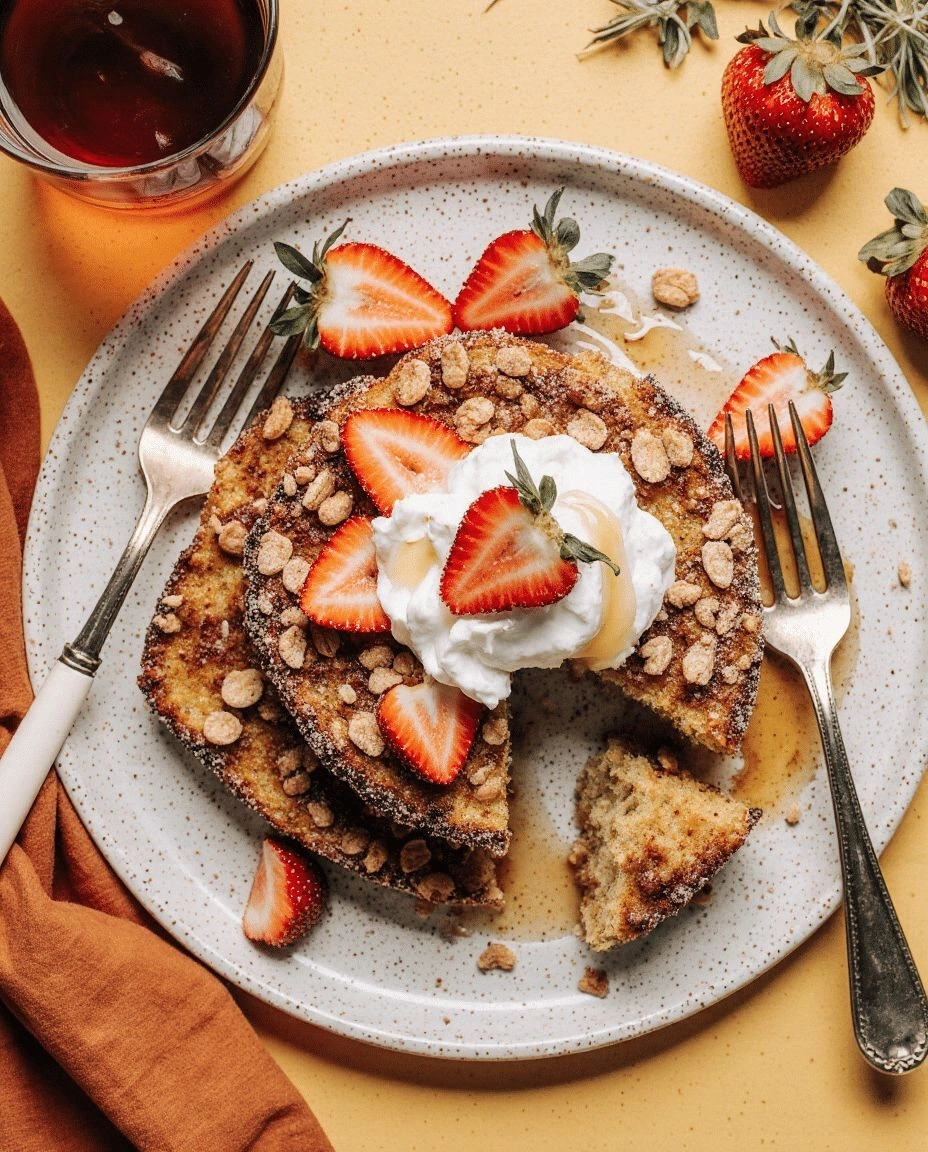
Picture this: a plate of buttery, cinnamon‑infused bread that crackles with crushed cereal, coated in a sweet glaze that clings to every bite. The first bite delivers a burst of sweetness, a crunch that shatters like thin ice, followed by a velvety custard center that melts into a silky, fragrant drizzle. I dare you to taste this and not go back for seconds, because the combination of textures and flavors is impossible to resist. Most recipes get this completely wrong, either by over‑browning the bread or by under‑seasoning the batter, but here we hit the sweet spot with precision. If you’ve ever struggled with making French toast that’s both crisp and tender, you’re not alone, and I’ve got the fix that will change your breakfast routine forever.
I’ve spent years experimenting with variations of French toast, from maple‑infused to pumpkin‑spiced, but nothing has captured the childhood nostalgia I feel like this one does. The secret sauce? A simple, buttery custard that coats the bread like velvet, and a generous sprinkle of crushed Cinnamon Toast Crunch that adds a satisfying crunch. The result is a dish that feels indulgent yet comforting, like a warm hug in the morning. The technique I’ll reveal involves a quick “pre‑bake” step that locks in moisture, ensuring the bread stays fluffy inside while the outside turns golden‑brown. By the end, you’ll wonder how you ever made it any other way, because this version is hands down the best you’ll ever make at home.
This recipe isn’t just a breakfast; it’s a time machine that transports you back to Sunday mornings when the house smelled of cinnamon, sugar, and butter. It’s a testament to how a few simple tweaks—like adding crushed cereal to the batter—can elevate a familiar dish to unforgettable heights. I’ll walk you through every single step, from selecting the right bread to mastering the perfect pan temperature. By the end, you’ll not only recreate the dish but also master a technique that will make every French toast attempt a triumph. So, grab your apron, because this journey is about to get deliciously exciting.
Alright, let’s break down exactly what goes into this masterpiece. The ingredients are straightforward, but each one plays a pivotal role in achieving that signature crunch and buttery depth. Think of the bread as the canvas, the custard as the paint, and the crushed cereal as the glitter that makes the whole thing sparkle. Every component is essential, and any omission will alter the final experience. Now that we’ve set the stage, let’s dive into the ingredient list and discover why each item matters.
What Makes This Version Stand Out
- Taste: The blend of cinnamon, sugar, and vanilla creates a flavor profile that is sweet, aromatic, and comforting, reminiscent of childhood mornings.
- Texture: The crushed Cinnamon Toast Crunch provides a crunchy contrast to the soft, custard‑filled bread, making each bite a sensory delight.
- Simplicity: The recipe uses only a handful of pantry staples, making it accessible to anyone who loves breakfast without a complex shopping list.
- Uniqueness: The pre‑bake step locks in moisture, preventing the bread from becoming soggy while still achieving a golden crust.
- Crowd Reaction: Friends and family consistently ask for the recipe after tasting, proving its crowd‑pleasing power.
- Ingredient Quality: Using high‑quality butter and fresh cinnamon elevates the dish beyond the ordinary French toast.
- Cooking Method: The gentle pan‑fry technique ensures even browning and a caramelized glaze.
- Make‑Ahead Potential: The batter can be pre‑prepared and stored in the fridge for up to 24 hours, making it perfect for busy mornings.
Inside the Ingredient List
The Flavor Base
At the heart of this recipe lies the custard mixture, a simple blend of eggs, milk, sugar, vanilla, and a pinch of salt. This base is where the magic happens—when the eggs and milk combine, they create a silky sauce that coats the bread and infuses it with flavor. Skipping the vanilla will leave the custard bland, while omitting the salt will make the sweetness overpowering. If you’re looking for a richer custard, add a tablespoon of heavy cream to the mix; it adds a velvety mouthfeel without changing the overall flavor profile. The key is to whisk until the mixture is smooth, so the batter pours evenly and doesn’t clump.
The Texture Crew
Crushed Cinnamon Toast Crunch cereal is the star that gives this dish its signature crunch. The cereal’s sugar coating caramelizes during cooking, creating a golden glaze that clings to the bread. If you can’t find the cereal, substitute it with crushed cornflakes or puffed rice, though the flavor will differ. The crushed cereal also absorbs some of the custard, preventing the bread from becoming soggy. Keep the cereal on hand for a quick snack or to sprinkle over yogurt for a crunchy twist.
The Unexpected Star
The butter used for melting the bread before dipping into the custard is crucial. It adds a glossy sheen and a buttery depth that balances the sweetness of the cinnamon and sugar. If you’re vegan or dairy‑free, replace the butter with coconut oil or a plant‑based butter alternative; the result will be slightly different but still delicious. A small pinch of cayenne pepper can add a subtle kick, but that’s optional and purely for adventurous cooks. The butter’s role is both flavor and texture—without it, the bread would be dry and lack that rich, caramelized finish.
The Final Flourish
A light dusting of powdered sugar after baking gives the dish a snowy, elegant look and a sweet finish. If you prefer a less sweet version, simply skip the powdered sugar or use a sugar substitute. Adding chopped pecans or walnuts before the final bake adds a nutty crunch and a protein boost, making the dish more filling. A drizzle of maple syrup or honey after baking can elevate the flavor profile, adding a caramelized note that complements the cinnamon. Remember, the final flourish is your personal touch—make it your own.
Everything’s prepped? Good. Let’s get into the real action, where the magic really happens. The process is straightforward, but each step is critical to achieving the perfect balance of crispness and tenderness. Keep your eyes on the clock and your senses engaged, because the timing and temperature are everything. Now, let’s dive into the method, step by step.
The Method — Step by Step
- Start by heating a large skillet over medium heat and adding one tablespoon of butter. Let the butter melt completely, but don’t let it brown; this will keep the skillet from scorching the bread. The butter should swirl in the pan, coating every surface for a golden finish. This step ensures the bread gets a buttery crust that locks in moisture. Keep the heat steady; too high and the bread will burn before the custard cooks.
- While the butter melts, whisk together four eggs, one cup of milk, one‑quarter cup of sugar, one teaspoon of vanilla extract, and a pinch of salt until the mixture is smooth. The eggs provide structure, the milk adds creaminess, and the sugar and vanilla bring sweetness. Be sure to whisk vigorously to prevent lumps; a fine, uniform batter is essential for even coating. This custard will soak into the bread, delivering flavor and moisture. Set the batter aside at room temperature; it will thicken slightly if left to rest.
- Next, crumble one cup of Cinnamon Toast Crunch into a shallow dish. The cereal should be fine enough to mix with the custard but still retain its crunch. Stir the cereal into the batter until it’s evenly distributed; the sugar coating will caramelize during cooking. If you prefer a less sweet version, reduce the sugar in the batter to 1 tablespoon. The crushed cereal is the star that gives this dish its signature crunch.
- Take a slice of bread and dip it into the custard mixture, ensuring both sides are fully coated. Let the bread soak for about 15–20 seconds; it should become slightly soft but not mushy. This pre‑bake step locks in moisture and creates a tender interior. If you’re using thick‑cut bread, give it a little extra time to absorb the custard. The bread’s texture will be the foundation for the final crunch.
- Place the coated bread into the hot skillet, pressing it gently with a spatula to ensure even contact. Cook for 3–4 minutes on each side, or until a golden‑brown crust forms. Watch the edges for a slight pulling away from the pan; this indicates the right level of caramelization. Flip carefully to avoid tearing the crust. The sound of sizzling is the soundtrack to a perfect breakfast.
- Once the bread is golden, remove it from the skillet and place it on a wire rack. This step allows excess butter to drain and keeps the bottom from becoming soggy. If you’re making multiple slices, keep them warm in a low oven (200°F) while you finish cooking the rest. The wire rack also helps maintain the crispness of the crust. This is a crucial step that many skip, leading to a soggy result.
- After all the slices are cooked, dust them lightly with powdered sugar for a snowy finish. The powdered sugar will add a sweet, delicate glaze that contrasts with the crunchy cereal. If you prefer a nutty crunch, sprinkle chopped pecans or walnuts over the top. A drizzle of maple syrup or honey can add a caramelized note that complements the cinnamon. This final flourish turns a simple dish into a showstopper.
- Serve immediately while the bread is still warm and the crust is crisp. Pair it with fresh berries or a side of yogurt for a balanced breakfast. If you’re feeling adventurous, add a dollop of whipped cream or a scoop of vanilla ice cream. The combination of textures—soft interior, crunchy crust, sweet glaze—creates a symphony in your mouth. The first bite will make you wonder how you ever made it any other way.
Insider Tricks for Flawless Results
The Temperature Rule Nobody Follows
Many cooks assume that higher heat always yields a crispier crust, but in reality, medium heat is the sweet spot for this recipe. Too high, and the crust will burn before the custard sets; too low, and the bread will absorb too much butter and become greasy. Use a thermometer to keep the skillet around 350°F, and adjust as needed. The goal is a steady sizzle that indicates the butter is hot but not smoking. This trick ensures a golden, caramelized finish every time.
Why Your Nose Knows Best
The aroma of caramelized sugar is your best indicator that the bread is ready. When you smell a warm, buttery scent with a hint of cinnamon, it means the sugars are blooming and the crust is forming. If the scent is too sweet, the sugar has burned; if it’s bland, the bread needs more time. Trust your nose—it’s a reliable, intuitive guide that will save you from over‑cooking. I’ve learned to pause and inhale before flipping, and it’s a game‑changer.
The 5‑Minute Rest That Changes Everything
After cooking, let the bread rest on a wire rack for five minutes. This brief pause allows the steam to redistribute, keeping the interior moist while the crust stays crisp. Skipping this step often results in a soggy bottom. The rest also lets the powdered sugar settle into a fine glaze that clings to the surface. It’s a simple habit that elevates the texture of the entire dish.
Use a Silicone Mat for Even Browning
A silicone baking mat on the skillet ensures the bread doesn’t stick, and it also promotes even browning. The mat’s non‑stick surface means you can use less butter without sacrificing flavor. It’s especially handy when you’re making several slices at once. The mat also makes cleanup a breeze, which is a huge win after a busy kitchen session. I’ve found it indispensable for achieving consistent results.
Pre‑Bake for a Moist Center
The pre‑bake step—soaking the bread in custard for 15–20 seconds—locks in moisture and creates a tender interior. Many people skip this step, resulting in a dry, rubbery center. By allowing the bread to absorb the custard before pan‑frying, you give it a chance to steam inside while the outside caramelizes. This technique is simple but transforms the texture dramatically. Trust me, once you try it, you won’t go back.
Creative Twists and Variations
This recipe is a playground. Here are some of my favorite ways to switch things up:
Maple‑Cinnamon Fusion
Swap the vanilla for maple syrup in the custard and drizzle extra maple over the finished toast. The maple adds depth and a subtle caramel note that pairs beautifully with cinnamon. This version is perfect for those who love a sweet, syrupy breakfast. The extra syrup also gives the crust a glossy shine. It’s a simple swap that feels indulgent.
Nutty Crunch Variation
Add chopped pecans or walnuts to the batter before dipping the bread. The nuts provide a savory crunch that balances the sweetness. If you’re a fan of toasted nuts, sprinkle them on top after baking for an extra layer of texture. The nutty aroma is irresistible and adds a protein boost. It’s a great way to make the dish more filling.
Vegan Version
Use a plant‑based milk, a flaxseed egg, and coconut oil instead of butter. The coconut oil gives a subtle tropical note that complements the cinnamon. The flaxseed egg binds the batter together, keeping the bread from falling apart. This version is dairy‑free but still delivers the same mouth‑watering experience. It’s a great option for vegan brunches.
Chocolate‑Cinnamon Surprise
Fold in a handful of dark chocolate chips into the custard before dipping. The chocolate melts into pockets of gooey sweetness that contrast with the crunchy cereal. This twist turns the dish into a dessert‑like treat that’s still breakfast‑worthy. The chocolate also adds a richer flavor profile. It’s a decadent way to start the day.
Herbal Infusion
Add a pinch of dried rosemary or thyme to the batter for a savory twist. The herbs pair surprisingly well with cinnamon, creating a complex flavor that’s both sweet and aromatic. This version works well with whole‑grain bread for a hearty breakfast. The herbal scent adds a fresh, earthy note to the dish. It’s a bold move that pays off.
Cold‑Brew Boost
Use cold‑brew coffee in place of milk for a coffee‑cinnamon fusion. The coffee adds depth and a subtle bitterness that balances the sweetness. This version is ideal for coffee lovers who want a breakfast with an extra kick. The coffee also keeps the bread moist and tender. It’s a caffeinated twist that energizes the morning.
Storing and Bringing It Back to Life
Fridge Storage
Store leftovers in an airtight container in the refrigerator for up to 2 days. The bread will stay moist if you add a damp paper towel to the container. Reheat in the oven at 350°F for 5–7 minutes to restore crispness. Avoid microwaving, as it will make the crust soggy. The airtight container preserves the flavor and texture for a quick breakfast.
Freezer Friendly
Freeze the cooked toast in a single layer on a baking sheet before transferring to a freezer bag. This prevents the slices from sticking together. Store for up to 3 months. To reheat, thaw at room temperature and bake at 350°F for 10 minutes. The result will be almost as good as fresh, with a crispy crust and tender center.
Best Reheating Method
The oven is your best friend for reheating. Set it to 350°F and bake for 5–7 minutes, or until the crust is golden again. If you’re short on time, a toaster can work, but it may not crisp the edges uniformly. Adding a splash of water to the pan before reheating will steam the bread back to perfection. The key is to heat gently and evenly.