I was in the middle of a frantic Sunday lunch prep, juggling a simmering pot of lentils, a bag of pre‑chopped veggies, and the looming question of what to serve. My kitchen smelled like a Mediterranean market, yet the dish that had my taste buds dancing was still missing that elusive punch. That night, after a few too many attempts at a chickpea salad that tasted like a salad, I decided it was time to rewrite the rulebook. I dared myself to create a version that would make even the most skeptical foodie gasp.
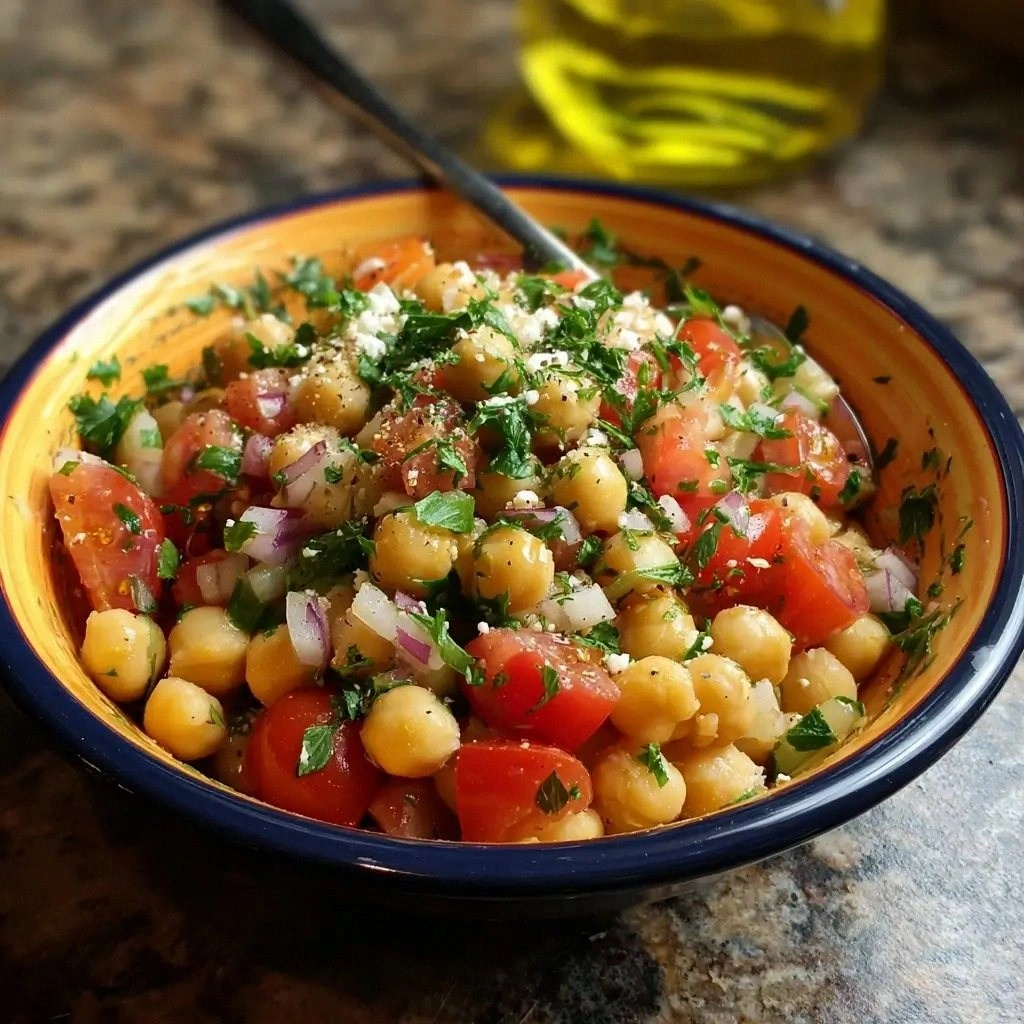
Picture this: a bowl that bursts with bright green parsley, ruby tomatoes, and the smoky depth of Kalamata olives. The air is thick with the citrusy tang of freshly squeezed lemon, and the drizzle of extra‑virgin olive oil glistens like liquid gold. Each spoonful delivers a satisfying crunch from the cucumber, a subtle sweetness from the chickpeas, and a salty kiss from feta. The entire ensemble feels like a sun‑kissed Mediterranean beach, but with a salad‑sized bite.
Why does this version stand out? Because I added a secret ingredient—tangy Greek yogurt—that turns the dressing from ordinary to downright addictive. I also used a splash of pomegranate molasses for a hint of tart sweetness that dances on the palate. The result? A salad that feels both comforting and adventurous, and that makes your guests reach for seconds before you even realize it’s done. I dare you to taste this and not go back for seconds; I guarantee you won’t.
I’ll be honest—when I first plated it, I almost ate half the batch before anyone else could even see it. That moment of triumph was sweet, but it also taught me the importance of timing and balance. I realized that the key to a perfect salad isn’t just the ingredients, but how you orchestrate them. The dressing needs to coat each element like velvet, and the vegetables should stay crisp yet tender.
Most recipes get this completely wrong. They either over‑season the dressing or under‑cook the chickpeas, resulting in a bland, soggy mess. Here’s what actually works: a balanced acid-base ratio, the right amount of protein, and a texture that sings. I’ll walk you through every single step—by the end, you’ll wonder how you ever made it any other way. Stay with me here, and I promise the next part will be pure magic.
Picture yourself pulling this out of the bowl, the whole kitchen smelling incredible, and your guests reaching for a second helping. That aroma will have them saying, “Is this even a salad?” I’ll show you how to achieve that wow factor, from the first splash of lemon to the final sprinkle of feta. The secret sauce? A dash of pomegranate molasses that adds depth without overpowering.
The best part is that this salad is versatile. It can be served as a light lunch, a side for grilled meats, or a stand‑alone dinner when you’re craving something fresh yet filling. And if you’re short on time, the make‑ahead potential is huge—just toss the dressing separately and combine right before serving. The result is always crisp, never soggy.
Let me walk you through every single step—by the end, you’ll wonder how you ever made it any other way. And trust me, you’ll be the chef who never forgets to add that extra zing. Let’s dive in and create a salad that’s as memorable as it is mouth‑watering.
What Makes This Version Stand Out
- Flavor Fusion: The combination of tangy yogurt and pomegranate molasses creates a complex profile that elevates the humble chickpea into a gourmet experience.
- Texture Balance: Crisp cucumbers, tender chickpeas, and flaky feta provide a symphony of mouthfeel that keeps every bite exciting.
- Freshness Boost: Fresh herbs like parsley and dill add a burst of green that cuts through the richness of the dressing.
- Make‑Ahead Magic: The salad can be assembled up to 24 hours in advance, making it a stress‑free option for busy weeknights.
- Protein Power: Chickpeas deliver plant‑based protein, turning this salad into a satisfying main dish for vegans and vegetarians.
- Visual Appeal: The vibrant colors of tomatoes, olives, and feta create an Instagram‑ready plate that looks as good as it tastes.
Alright, let’s break down exactly what goes into this masterpiece. This is where the science meets the art.
Inside the Ingredient List
The Flavor Base
The heart of this salad starts with the chickpeas. They provide a hearty, nutty base that carries the dressing and holds the other flavors together. If you skip them, the salad loses its protein punch and becomes more of a side than a main. A good tip: rinse canned chickpeas under cold water to reduce sodium and improve texture.
Next comes the Greek yogurt. It’s the creamy backbone that gives the dressing its velvety feel. Yogurt also adds a subtle tang that balances the olive oil’s richness. If you prefer a dairy‑free version, swap it for a coconut‑based yogurt; just keep the consistency in mind.
The Texture Crew
Cucumbers bring a crisp, refreshing bite that cuts through the richness of the dressing. They also add a hydrating element, making the salad feel lighter. If you’re feeling adventurous, try pickled cucumbers for a slightly tangy twist. The key is to dice them uniformly so every spoonful has the same crunch.
Tomatoes add juicy sweetness and a burst of color. Their natural acidity helps brighten the overall flavor profile. Use ripe, red tomatoes for maximum sweetness; if you’re in a pinch, canned diced tomatoes in juice work as a backup.
Red onion delivers a sharp, slightly sweet bite that complements the olives and feta. Slice it thinly to avoid overpowering the other ingredients. A quick trick: soak the sliced onion in cold water for 10 minutes to mellow its bite.
The Unexpected Star
Olives, especially Kalamata, bring a salty, briny depth that elevates the dressing. They also add a subtle bitterness that balances the yogurt’s tang. If you’re not a fan of olives, try adding a handful of roasted red peppers for a smoky note.
Pomegranate molasses is the secret ingredient that sets this salad apart. It adds a sweet‑tart complexity that makes the dressing feel alive. A drop of molasses can transform a simple vinaigrette into a gourmet experience. If you can’t find it, a splash of balsamic glaze works as a close substitute.
The Final Flourish
Fresh herbs like parsley and dill bring brightness and aroma. They also add a pop of color that makes the dish visually appealing. Chop them finely so they distribute evenly across the bowl. If you’re in a hurry, pre‑chopped herbs from the grocery store are a lifesaver.
Feta cheese adds a salty, tangy finish that contrasts nicely with the creamy dressing. Use a crumbly feta for better integration; a block will not melt into the salad. For a dairy‑free version, try a vegan feta or crumbled goat cheese.
Finally, the dressing itself is a blend of lemon juice, olive oil, yogurt, pomegranate molasses, minced garlic, oregano, salt, and pepper. Each component plays a role: lemon for acidity, oil for richness, yogurt for creaminess, molasses for sweetness, garlic for depth, oregano for herbal notes, and salt/pepper for seasoning. This combination ensures the salad is balanced, flavorful, and unforgettable.
Everything's prepped? Good. Let's get into the real action.
The Method — Step by Step
- Begin by rinsing the chickpeas under cold water and draining them thoroughly. This removes excess sodium and gives the beans a cleaner flavor. Set them aside in a large mixing bowl. If you’re using canned chickpeas, give them a quick rinse; if fresh, boil them until tender.
- Dice the cucumber into bite‑sized cubes. Aim for uniform pieces so each forkful has the same crunch. If you prefer a slightly sweeter bite, use a honey‑dew melon instead of cucumber.
- Dice the tomatoes into small cubes. If you’re using cherry tomatoes, halve them for a burst of juiciness. Toss the tomatoes with a pinch of salt to draw out their moisture.
- Thinly slice the red onion and soak it in cold water for 10 minutes to reduce its sharpness. This step is crucial if you want a milder, sweeter bite. Drain the onion and pat it dry.
- Chop the fresh parsley and dill finely. These herbs will add a bright, aromatic layer to the salad. If you’re short on time, use pre‑chopped herbs from the produce aisle.
- Crush the feta into small crumble pieces. A crumbly texture helps the cheese distribute evenly and melt slightly into the dressing. For a vegan option, use crumbled vegan feta or a sprinkle of nutritional yeast.
- In a small bowl, whisk together 2 tablespoons of lemon juice, 3 tablespoons of extra‑virgin olive oil, ½ cup of Greek yogurt, 1 tablespoon of pomegranate molasses, 1 minced garlic clove, ½ teaspoon of dried oregano, ½ teaspoon of salt, and ¼ teaspoon of black pepper. The dressing should be smooth and slightly thick. If it’s too thick, add a splash of water or more yogurt.
- Pour the dressing over the chickpeas, cucumber, tomato, onion, parsley, dill, and feta. Toss gently but thoroughly so every ingredient is coated. Let the salad sit for 5 minutes to allow the flavors to meld.
- Taste and adjust seasoning if needed. If you want more acidity, add a splash of lemon or a pinch of vinegar. If it’s too thick, drizzle a little extra olive oil.
- Serve immediately or cover and refrigerate for up to 24 hours. If you’re serving later, give the salad a quick toss to redistribute the dressing.
That's it — you did it. But hold on, I've got a few more tricks that'll take this to another level. These insider tips will help you avoid common pitfalls and elevate your salad to restaurant quality.
Insider Tricks for Flawless Results
The Temperature Rule Nobody Follows
Keep the dressing at room temperature before adding it to the salad. Cold dressing can cause the chickpeas to clump, leading to uneven flavor distribution. A quick trick: let the dressing sit out for 10 minutes or microwave it for 10 seconds. This ensures a smooth coat on every bite.
Why Your Nose Knows Best
Trust your sense of smell to gauge seasoning. If the salad smells too oily, add a bit more yogurt. If it’s too acidic, balance it with a touch more olive oil. Your nose is the best judge of whether the flavors are harmonious.
The 5-Minute Rest That Changes Everything
After tossing the salad, let it rest for 5 minutes before serving. This short pause allows the flavors to mingle, making each bite more complex. If you’re in a hurry, a quick stir is fine, but the rest period is worth the wait.
The Quick‑Stir Hack
If you’re prepping the salad on the fly, use a large wooden spoon to stir vigorously. This technique distributes the dressing evenly without the need for a bowl. The motion also helps the chickpeas absorb the flavors.
The Secret Salt Swap
Instead of regular table salt, use sea salt or kosher salt. These salts dissolve more slowly, giving you a steadier flavor profile. A pinch of smoked salt can also add a subtle depth to the dish.
The Vegan Touch
Swap Greek yogurt for a plant‑based yogurt and use a vegan feta alternative. This keeps the creamy texture while making the dish fully plant‑based. The result is just as delicious and offers a dairy‑free option for guests.
Creative Twists and Variations
This recipe is a playground. Here are some of my favorite ways to switch things up:
Mediterranean Power Bowl
Add grilled chicken or tofu to turn the salad into a hearty main dish. Layer the protein on top and drizzle extra dressing for a satisfying bite. This version is perfect for lunchboxes or a protein‑rich dinner.
Summer Citrus Boost
Swap the lemon juice for orange or grapefruit juice for a sweeter, more aromatic tang. Add a handful of diced mango for tropical vibes. This variation is ideal for hot summer afternoons.
Herb‑Infused Twist
Replace parsley and dill with fresh basil or mint for a different herbal note. The fresh herbs add a bright, aromatic layer that pairs well with the feta. This version is great for a brunch spread.
Roasted Veggie Upgrade
Roast cherry tomatoes, bell peppers, and zucchini before adding them to the salad. The roasted veggies bring caramelized sweetness and a smoky flavor. This variation works wonderfully with a drizzle of balsamic reduction.
Pesto Splash
Swirl in a spoonful of basil pesto for a creamy, herbaceous kick. The pesto adds depth and richness, turning the salad into a more decadent dish. This version is perfect for a special occasion.
Spicy Kick
Add a pinch of red pepper flakes or a drizzle of harissa paste for a fiery twist. The heat balances the creamy dressing and adds a bold flavor profile. This variation is great for spice lovers.
Storing and Bringing It Back to Life
Fridge Storage
Store the salad in an airtight container in the refrigerator for up to 24 hours. Keep the dressing separate until you’re ready to serve; this prevents the salad from becoming soggy. If you’ve already mixed the dressing, cover the bowl tightly and refrigerate.
Freezer Friendly
This salad is not ideal for freezing due to the fresh veggies. However, you can freeze the chickpeas and dressing separately. When ready, thaw the chickpeas, combine with fresh veggies, and stir in the dressing.
Best Reheating Method
If you must reheat, do so gently in a microwave for 30 seconds, then stir. Add a tiny splash of water or extra olive oil to restore moisture. This trick keeps the salad from drying out and preserves the fresh flavors.