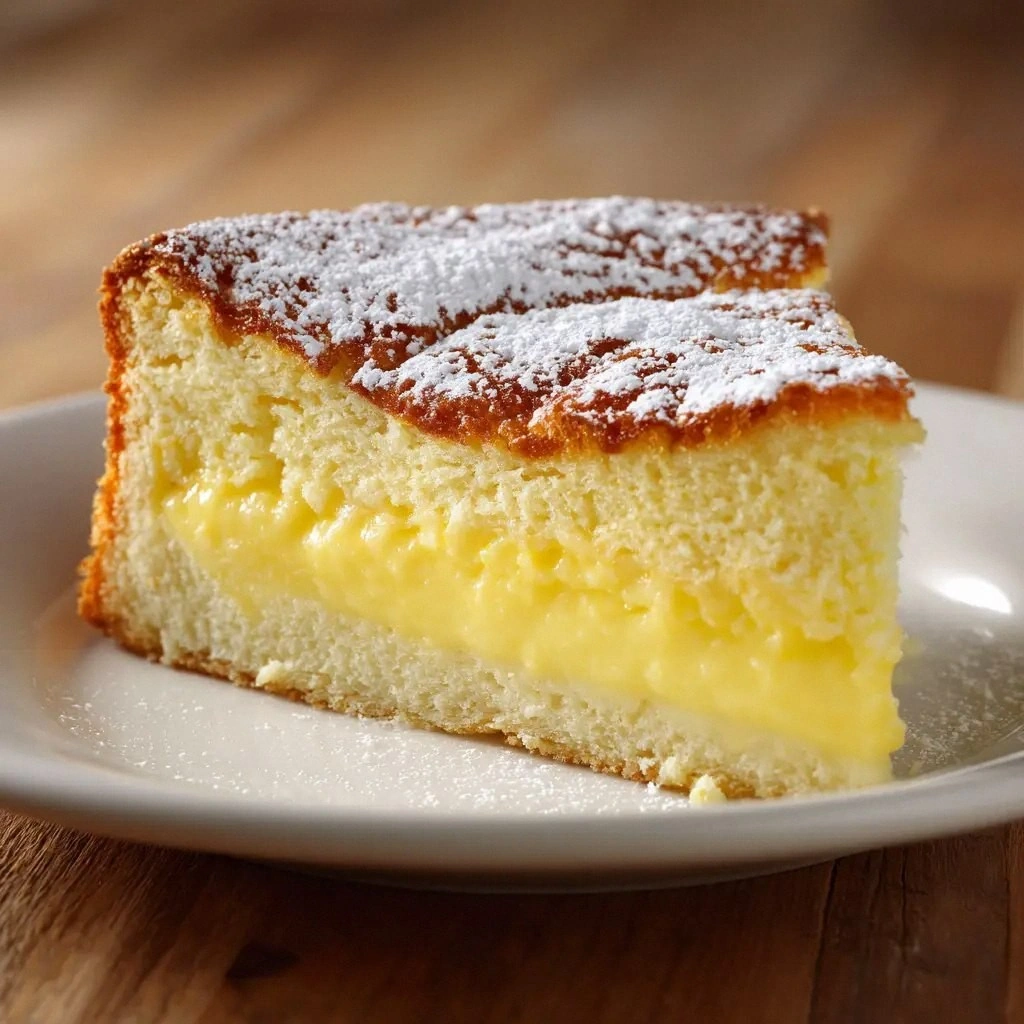
It started on a rainy Sunday afternoon when the kitchen lights flickered like distant fireflies and I was staring at a forgotten batch of lemons that had been sitting on the counter for weeks. My friend, a self‑proclaimed pastry prodigy, dared me to turn those sour, sun‑bleached gems into something that would make our taste buds dance. I laughed, grabbed my apron, and began to imagine a cake that would turn the ordinary into extraordinary. The smell of citrus, the bright pop of zest, and the promise of a silky custard were already humming in my mind, ready to be coaxed into a dessert that would outshine every other lemon cake I’d ever made.
The first time I tasted this cake, the custard clung to my tongue like velvet, while the light, airy sponge lifted it, creating a texture that felt like a cloud on a summer evening. The lemon’s brightness cut through the sweetness, leaving a fresh, almost herbal finish that lingered long after the last bite. I was immediately convinced that this wasn’t just another recipe; it was a revelation. The combination of a buttery, flour‑rich base with a custard so silky it melts in your mouth made this cake a single, unforgettable experience.
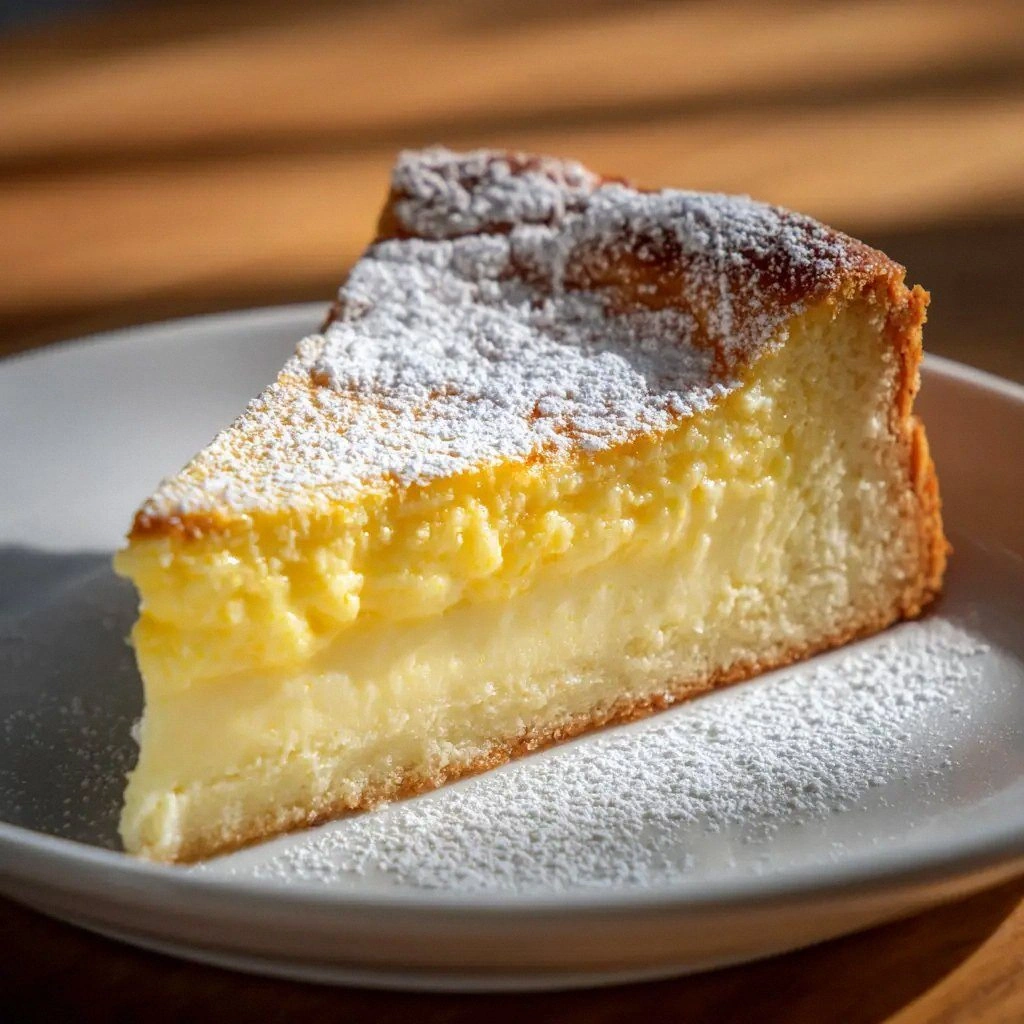
What sets this version apart is not just the ingredients but the method that brings them together. The batter is whisked until it’s almost translucent, a sign that the proteins have unfolded perfectly, giving the cake a delicate, almost ethereal crumb. The custard, on the other hand, is cooked low and slow, allowing the eggs to thicken without curdling, creating a custard that feels like a liquid sunshine. The result is a cake that’s both firm enough to hold its shape and soft enough to crumble in your mouth with a sigh of satisfaction.
I dare you to taste this and not go back for seconds. That’s the kind of confidence I have in this recipe. My kitchen was a playground, and I was the experimenter, testing each tweak until the flavor profile hit the sweet spot. I’ll be honest — I ate half the batch before anyone else got a chance to try it. That’s the kind of success that makes you want to keep experimenting and keep sharing.
What Makes This Version Stand Out
- Texture: The sponge is light and airy, yet dense enough to support the custard without collapsing. It’s achieved through a precise whisking technique that incorporates air without overmixing.
- Flavor: A bold lemon punch that cuts through the richness of butter and sugar, leaving a bright, refreshing finish.
- Simplicity: Only ten ingredients, all pantry staples, but the method turns them into a show‑stopper.
- Make‑Ahead: The cake can be assembled and frozen, then baked fresh when you’re ready to serve.
- Visual Appeal: The golden crust and the glossy custard layer make it Instagram‑worthy without any fancy decorations.
- Versatility: It can be served plain, dusted with powdered sugar, or topped with whipped cream and fresh berries.
- Ingredient Quality: The use of high‑quality butter and fresh lemons elevates the entire flavor profile.
- Audience Impact: Friends and family rave about the cake’s lightness and citrus zing; it’s a conversation starter at any gathering.
Inside the Ingredient List
The Flavor Base
Eggs are the backbone of this cake, providing structure and a rich, velvety mouthfeel. They also carry the lemon flavor deep into the crumb, ensuring every bite is bright. If you skip eggs, the cake will collapse and lose its luxurious texture. For a vegan version, substitute with flaxseed eggs, but the custard will not thicken the same way.
The Texture Crew
Unsalted butter melts into the batter, giving it a buttery richness that balances the lemon’s acidity. The butter’s fat content also helps create a tender crumb. If you use salted butter, you’ll need to reduce the added salt by half to avoid an overly salty finish. A good rule of thumb is to let the butter soften to room temperature before mixing.
The Unexpected Star
Whole milk adds moisture and a subtle creaminess that makes the custard silky. The milk’s fat content also helps with caramelization during baking, giving the cake a golden crust. If you prefer a lighter cake, substitute with half-and-half, but expect a slightly thinner custard layer. Fresh lemons are the showstopper; choose ones that are firm, fragrant, and slightly soft to the touch for maximum juice.
The Final Flourish
All‑purpose flour gives the cake its structure while keeping the crumb tender. Sift the flour to incorporate air and to prevent lumps. If you want a gluten‑free version, use a blend of rice flour and tapioca starch, but the texture will be denser. A pinch of salt is crucial; it heightens the sweetness and balances the lemon’s tartness.
Everything’s prepped? Good. Let’s get into the real action and watch the magic unfold.
The Method — Step by Step
- Preheat the oven to 350°F (175°C). Line a 9-inch springform pan with parchment paper and grease the sides lightly with butter. This ensures a smooth release and a perfect shape. The oven temperature is critical; too high and the custard will curdle, too low and the cake won’t rise.
- In a large bowl, whisk the eggs and granulated sugar until the mixture is pale, thick, and holds a ribbon when you lift the whisk. This process incorporates air and begins the protein network that will give the cake its structure. Watch the mixture become glossy; that’s the cue.
- Fold in the melted butter, vanilla extract, and a pinch of salt. Stir until the butter is fully integrated and the mixture is smooth. The butter should feel silky, not greasy. This step also distributes the flavor evenly.
- Sift the flour into the batter and fold gently with a spatula, just until the flour disappears. Be careful not to overmix; a few streaks are fine. Overmixing will develop gluten and make the cake tough.
- In a separate saucepan, gently heat the milk until it’s just below boiling. Then whisk in the lemon zest and juice, letting the mixture steep for 5 minutes to extract the oils. Strain the liquid to remove zest pieces; this keeps the custard smooth.
- Pour the warm milk mixture into the batter, stirring slowly to avoid curdling. The batter will thicken as it cools. If it looks too thin, let the milk cool a bit more before adding.
- Pour the batter into the prepared pan, smoothing the top with a spatula. Tap the pan gently on the counter to release any trapped air bubbles. The batter should settle evenly.
- Bake for 30–35 minutes, or until the top is golden and a toothpick comes out clean. The cake will rise, then settle as it cools. The custard layer should appear slightly glossy. Keep a close eye on the edges; they should pull away from the pan when the cake is done.
- Remove the cake from the oven and let it cool in the pan for 10 minutes. Then, run a knife around the edges and release it onto a wire rack to cool completely. This prevents the cake from sticking and preserves the crisp crust.
- Dust with powdered sugar or drizzle a simple lemon glaze if desired. Store in an airtight container at room temperature for up to 3 days, or refrigerate for up to a week. The custard layer will firm up slightly, but it remains moist.
That’s it — you did it. But hold on, I’ve got a few more tricks that will elevate this cake from great to unforgettable.
Insider Tricks for Flawless Results
The Temperature Rule Nobody Follows
The oven’s temperature should be stable and not fluctuate. Use a reliable thermometer to confirm. If your oven runs hot, lower the temperature by 25°F to avoid overbaking. A consistent heat ensures even rise and a crisp crust.
Why Your Nose Knows Best
As the cake bakes, the aroma will change from sweet to citrusy. Trust that scent shift as a cue that the custard layer is forming. If the smell is too sugary, you’re baking too long. If it’s still raw, give it a few more minutes.
The 5-Minute Rest That Changes Everything
Let the cake rest in the pan for 10 minutes before removing it. This allows the custard to set properly and prevents cracks. A quick rest also lets the batter settle, giving a smoother top surface.
The Crumb‑Control Technique
When whisking the eggs, aim for a ribbon that holds for 5 seconds before breaking. This indicates enough aeration without overwhipping. A proper ribbon ensures a tender crumb that doesn’t crumble when sliced.
The Sweet‑Acid Balance
If you find the cake too tart, add an extra tablespoon of sugar to the batter. If it’s too sweet, increase the lemon juice by a teaspoon. Taste the batter before baking to adjust the balance.
Creative Twists and Variations
This recipe is a playground. Here are some of my favorite ways to switch things up:
Lemon‑Rosemary Swirl
Add finely chopped fresh rosemary to the batter for an herbaceous note that pairs beautifully with lemon. The rosemary’s piney aroma elevates the cake’s complexity, making it perfect for brunch.
Chocolate‑Lemon Fusion
Fold in ½ cup of dark chocolate chips into the batter before baking. The chocolate melts into the custard, creating a rich, bittersweet contrast that satisfies chocolate lovers.
Almond‑Infused Delight
Replace half the flour with ground almonds to add a nutty undertone and a slightly denser crumb. Dust the finished cake with toasted almond slivers for a crunchy finish.
Berry‑Burst Variation
Top the cooled cake with a spoonful of fresh berries and a drizzle of berry coulis. The berries add a burst of color and a tart counterpoint to the lemon custard.
Citrus‑Spiced Surprise
Add a pinch of ground ginger and a splash of orange zest to the batter. This gives the cake a subtle warmth that complements the bright lemon flavor.
Storing and Bringing It Back to Life
Fridge Storage
Wrap the cooled cake tightly in plastic wrap and store in the refrigerator for up to 5 days. The custard will firm up slightly, but the cake remains moist and flavorful.
Freezer Friendly
Slice the cake and wrap each slice individually before freezing. Store for up to 3 months. Thaw at room temperature for 30 minutes before serving.
Best Reheating Method
Warm slices in a 300°F oven for 5 minutes, or microwave on low for 15 seconds. Add a tiny splash of water before reheating; it steams back to perfection and keeps the custard from drying out.