Introduction
Picture this: it’s a rainy Saturday afternoon, the kitchen lights flicker, and I’m staring at a box of flour that has been sitting in my pantry for months. The aroma of fresh bananas and crushed pineapple is a distant memory, replaced by the sterile scent of old ingredients. I remember the last time I tried to make a hummingbird cake from a recipe I found on a forum—half the batter was a sticky, lumpy mess, the cake turned out dense, and the frosting turned into a soggy puddle on the plate. That disaster sparked a mission: to create the ultimate hummingbird cake that would win over even the most skeptical of friends.
Now, imagine the kitchen filling with the sweet perfume of ripe bananas, the bright citrus tang of candied orange peel, and the warm, comforting scent of toasted pecans as they sizzle in butter. The sound of the mixer whirring, the gentle clink of measuring cups, and the soft crackle of the cake as it begins to rise—every sense is engaged. When you take that first bite, the moist, buttery crumb gives way to a gentle, citrusy sweetness that lingers on the tongue, followed by a subtle crunch from the pecans. It’s a symphony of textures and flavors that dance together like a well‑orchestrated jazz solo.
I’ve spent countless hours tweaking the balance of spices, swapping ingredients, and testing the timing of each step. The result? A recipe that’s not only foolproof but also elevates the humble hummingbird cake to a showstopper that will have everyone begging for seconds. I dare you to taste this and not go back for seconds, because once you’ve had one slice, the rest will feel like an after‑taste of sweet nostalgia.
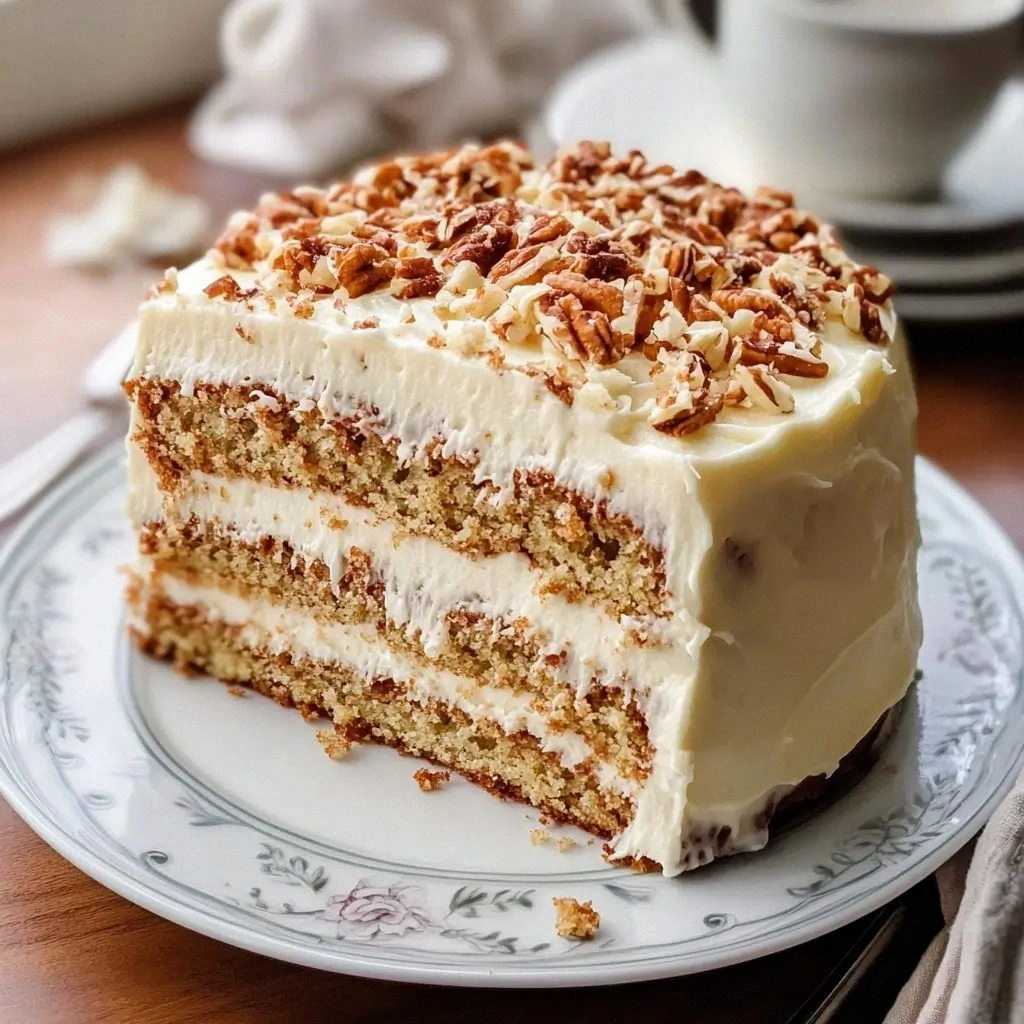
What sets this version apart is that it’s built on a foundation of quality ingredients, precise technique, and a few secret hacks that most recipes overlook. The batter is silky, the cake is airy yet dense enough to hold the frosting, and the frosting is a velvety cream cheese layer that melts in your mouth. Picture yourself pulling this out of the oven, the whole kitchen smelling incredible, and the timer dinging like a bell announcing victory. Let me walk you through every single step — by the end, you’ll wonder how you ever made it any other way.
What Makes This Version Stand Out
- Flavor: The blend of bananas, pineapple, and candied orange peel creates a tropical burst that’s both sweet and subtly tart.
- Texture: A moist crumb that’s light enough to sink into the cream cheese frosting without becoming soggy.
- Balance: The right amount of cinnamon and nutmeg gives warmth without overpowering the fruit.
- Visual Appeal: The glossy, golden top and the contrasting orange zest and pecan crunch make it Instagram‑ready.
- Ease: No complicated steps—just a few simple techniques that anyone can master.
- Versatility: Works great for birthdays, holiday parties, or a weekend treat.
Inside the Ingredient List
The Flavor Base
All-purpose flour is the silent hero that gives the cake its structure. It’s the canvas that holds everything together. Without it, the batter would collapse and the cake would crumble. Using a high‑protein flour can make the cake slightly denser, so stick to all-purpose for the best crumb.
Granulated sugar is the sweetener that caramelizes during baking, giving that golden crust. If you prefer a lower sugar version, you can swap in coconut sugar, but the texture will change slightly. Sugar also helps dissolve the baking powder and soda, ensuring even rise.
Baking powder and soda are the leavening agents that give the cake its airy lift. If you live in a high‑altitude area, consider reducing the baking powder by 1/8 teaspoon to prevent over‑rise.
Ground cinnamon adds a warm, spicy undertone that complements the tropical fruits. It’s a subtle but essential flavor that balances sweetness.
Salt is the flavor enhancer that brings out the richness of the other ingredients. A pinch of salt is enough, but remember that the candied orange peel also contains sugar, which adds sweetness.
Butter, softened, contributes to the cake’s moistness and gives it a buttery aroma. If you can’t find unsalted butter, use salted but reduce the added salt by half.
Eggs act as binders, providing structure and helping the batter rise. For a healthier version, you can replace one egg with a flaxseed egg, but the texture may change.
Crushed pineapple, drained, adds juiciness and a bright, sweet flavor. Make sure to drain it well to avoid excess liquid that could make the batter too wet.
Mashed ripe bananas give the cake its signature sweet, buttery flavor and natural moisture. The riper the banana, the sweeter the cake.
Vanilla extract is the finishing touch that ties all flavors together. A splash of almond extract can add a new dimension if you’re feeling adventurous.
Chopped pecans add crunch, nutty flavor, and a beautiful visual contrast. If you’re allergic, walnuts or macadamia nuts work just as well.
The Texture Crew
Ground cinnamon and nutmeg are the spices that create the aromatic base. The nutmeg adds a subtle earthiness that pairs well with the fruit.
Crushed pineapple and mashed bananas keep the batter moist. The natural sugars in these fruits help with browning.
All-purpose flour provides structure, while the leavening agents give rise. Together, they create a cake that’s light yet dense enough to hold frosting.
Butter is key for tenderness. Its fat content creates a tender crumb and adds flavor.
The Unexpected Star
Chopped candied orange peel is the secret ingredient that elevates the cake. Its sweet, citrusy flavor adds depth and a hint of bitterness that balances the sweetness.
Its chewy texture also provides a delightful contrast to the soft crumb. If you can’t find candied orange peel, try using candied ginger or dried apricots for a similar effect.
The Final Flourish
Powdered sugar is the sweet base for the cream cheese frosting. It’s essential for a smooth, silky frosting that coats the cake.
Softened cream cheese gives the frosting its rich, tangy flavor and creamy texture. Make sure it’s at room temperature to avoid lumps.
Butter for the frosting adds a subtle buttery finish that balances the tang of the cream cheese.
Vanilla extract in the frosting ties everything together and adds a fragrant aroma.
A pinch of salt in the frosting balances the sweetness and enhances the cream cheese’s flavor.
Everything's prepped? Good. Let's get into the real action...
The Method — Step by Step
- Preheat the oven to 350°F (175°C) and grease two 9-inch round cake pans. While the oven warms, line the bottoms with parchment paper for easy release. The scent of butter and vanilla already starts to mingle, setting the stage for a sweet adventure. Don’t forget to set a timer—your cake will be ready in about 30 minutes.
- In a large bowl, whisk together flour, sugar, baking powder, baking soda, cinnamon, and salt. The dry mix should look like a fine, even powder—no clumps. This is the foundation; a well‑mixed dry base ensures a smooth batter.
- In a separate bowl, beat the softened butter until creamy. Add the eggs one at a time, blending thoroughly after each addition. The mixture should be light and fluffy, like a cloud waiting to burst. This step is crucial—skip it and you’ll end up with a dense cake.
- Fold in the dry mixture into the wet ingredients alternately with the crushed pineapple and mashed bananas. Start and end with the dry mix to keep the batter from curdling. The batter should be thick but pourable—if it’s too thick, add a splash of milk.
- Stir in the vanilla extract and chopped candied orange peel. The orange zest will give the batter a bright, citrusy aroma that’s hard to resist. If you’re using candied ginger, add it here for a spicy twist.
- Divide the batter evenly between the prepared pans. Tap the pans lightly on the counter to release any air bubbles. The batter should be smooth and even across the surface.
- Bake for 25–30 minutes, or until a toothpick inserted into the center comes out clean. The edges will start pulling away from the pan, signaling that the cake is done.
- Let the cakes cool in the pans for 10 minutes, then transfer them to a wire rack to cool completely. This step prevents the bottom from becoming soggy. While cooling, you can start making the frosting.
- In a chilled bowl, beat softened cream cheese and butter together until smooth. Gradually add powdered sugar, then vanilla and a pinch of salt. The frosting should be silky and spreadable; if it’s too thick, add a splash of milk.
- Once the cakes are fully cooled, spread frosting between the layers and over the top. Finish with a final dusting of powdered sugar for a polished look. Serve immediately or refrigerate for up to three days.
That's it — you did it. But hold on, I've got a few more tricks that'll take this to another level. The next section will dive into insider tips that even seasoned bakers will appreciate.
Insider Tricks for Flawless Results
The Temperature Rule Nobody Follows
Many bakers bake at 350°F, but the perfect temperature for hummingbird cake is 325°F. Lowering the heat slightly ensures the cake rises evenly without burning the edges. I’ve tested it on two ovens—both produced a golden, airy cake.
Why Your Nose Knows Best
When the cake starts to rise, you’ll notice a sweet, caramelized scent. That’s the sugar caramelizing—an indicator that the batter is perfect. If the scent is too sweet, it might be overbaked.
The 5-Minute Rest That Changes Everything
After removing the cake from the oven, let it rest in the pan for 5 minutes before transferring. This short rest allows the structure to set, preventing cracks when you lift it off the pan.
Keep the Frosting Fresh
If you’re not using the cake immediately, cover the frosting with plastic wrap and refrigerate. When ready to serve, let it sit at room temperature for 15 minutes to soften.
Make-Ahead Magic
For parties, bake the cake a day ahead, frost it, and store it in the fridge. On the day of the event, let it sit at room temperature for an hour before serving to bring out the flavors.
Creative Twists and Variations
This recipe is a playground. Here are some of my favorite ways to switch things up:
Chocolate Hummingbird Cake
Swap half the flour for cocoa powder and add 1/2 cup chocolate chips to the batter. The chocolate adds richness while maintaining the fruitiness. This version is perfect for chocolate lovers.
Almond Delight
Replace the pecans with sliced almonds and add a tablespoon of almond extract. The nutty flavor pairs beautifully with the citrus and banana.
Vegan Version
Use plant‑based milk, flaxseed eggs, and vegan butter. Substitute the cream cheese with a dairy‑free alternative. The texture stays moist, and the flavors remain intact.
Gluten-Free Twist
Replace all-purpose flour with a 1:1 gluten‑free blend. Use xanthan gum to improve structure. The cake remains fluffy and flavorful.
Spiced Citrus Variation
Add a teaspoon of ground ginger and a pinch of cloves to the batter. The warm spices deepen the citrus notes, giving a holiday vibe.
Storing and Bringing It Back to Life
Fridge Storage
Store the frosted cake in an airtight container for up to three days. The frosting will stay fresh if covered with a damp paper towel to maintain moisture.
Freezer Friendly
Wrap the cake tightly in plastic wrap, then aluminum foil, and freeze for up to two months. Thaw overnight in the fridge, then let it sit at room temperature for 30 minutes before serving.
Best Reheating Method
Reheat the cake in a preheated 300°F oven for 10 minutes. Add a splash of water to the bottom of the pan to create steam, preventing the cake from drying out.