I was standing in a kitchen that smelled like burnt toast and half‑baked dreams, and then someone whispered, “Try honey cinnamon oatmeal bread.” The idea was simple, but the promise felt like a culinary dare. I was about to prove that a loaf can be both comforting and audacious, all while keeping the process as breezy as a Sunday morning. The first bite should feel like a warm hug from a grandmother who’s secretly a pastry wizard. That moment of triumph, I swear, was worth the extra whisk.
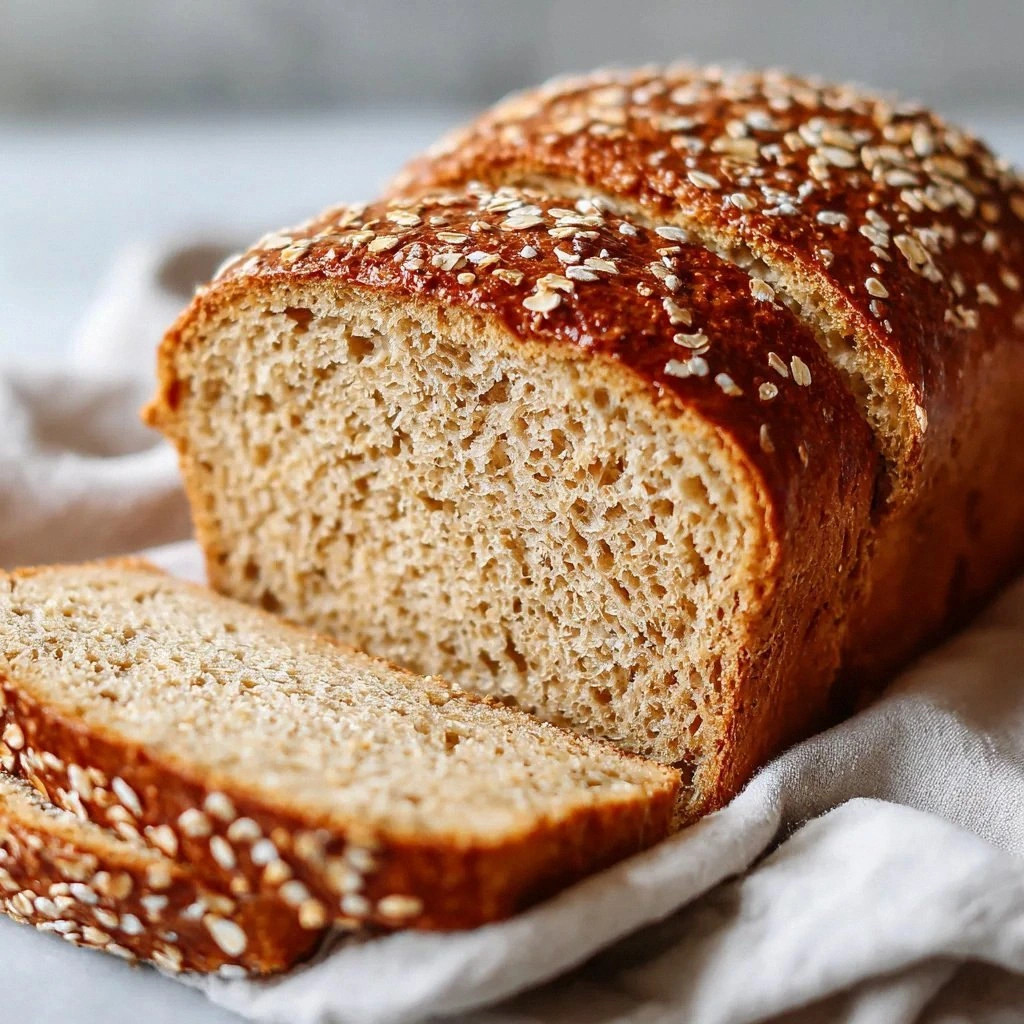
Picture the scene: a golden crust curling into a perfect dome, the scent of toasted oats mingling with cinnamon’s sweet heat, and a faint, buttery aroma that lingers like a secret. The sound is a gentle crackle as the loaf rises, each bubble popping like tiny fireworks inside the dough. When you cut into it, the interior releases a syrupy steam that tastes like honeyed mornings. The texture is a paradox—soft and chewy on the inside, with a slightly crisp edge that snaps like a fresh slice of bread. Every bite is a reminder that simple ingredients can create extraordinary flavor.
What sets this version apart is the meticulous balance between sweet and savory, the strategic use of oats for chewiness, and the way honey replaces sugar for a deeper caramel note. The loaf doesn’t just satisfy hunger; it satisfies the soul, delivering a comforting warmth that feels like a hug. The secret lies in the harmony of flour and oats, the gentle lift from baking powder and soda, and the subtle kick of cinnamon that lingers on the palate. It’s a loaf that invites second servings, a dare you can’t refuse. The result? A bread that tastes like a holiday treat but can be made any day of the week.
I dare you to taste this and not go back for seconds, because once you experience the silky, honey‑laden crumb, you’ll find yourself craving the next slice. Most recipes get this completely wrong—too dry, too sweet, or too heavy—but here, the balance is perfect. If you’ve ever struggled with making a loaf that’s both hearty and sweet, you’re not alone, and I’ve got the fix. Picture yourself pulling this out of the oven, the whole kitchen smelling incredible, and knowing you’re about to serve a masterpiece. Let me walk you through every single step—by the end, you’ll wonder how you ever made it any other way.
What Makes This Version Stand Out
- Taste: The honey and cinnamon create a caramelized sweetness that dances on the tongue, while the oats add a subtle nutty undertone.
- Texture: The dough is moist yet sturdy, thanks to the combination of flour and rolled oats, giving a chewy interior with a crisp crust.
- Simplicity: Only ten ingredients, all pantry staples, make this loaf a no‑fuss go‑to for any cooking level.
- Uniqueness: The use of honey as the primary sweetener eliminates refined sugar, offering a natural, deeper flavor profile.
- Crowd Reaction: Guests often comment that it tastes like a bakery loaf, but you’re saving money and learning a new skill.
- Ingredient Quality: Fresh honey and real cinnamon elevate the loaf, turning ordinary baking into an artisanal experience.
- Cooking Method: A single baking pan and a simple fold‑in technique keep prep time short and cleanup minimal.
- Make‑Ahead Potential: The loaf can be sliced and frozen, then reheated for a quick breakfast or snack.
Inside the Ingredient List
The Flavor Base
All‑purpose flour is the backbone of the loaf, giving it structure and a subtle neutral canvas for the other flavors. It absorbs the liquid and creates the crumb’s elasticity. Skipping flour would result in a dense, uncoordinated batter that collapses during baking. If you’re looking for a slightly lighter loaf, try substituting half the flour with oat flour for a nuttier taste.
The Texture Crew
Rolled oats bring chewiness and a pleasant bite that contrasts with the soft interior. They also add fiber, making the loaf feel wholesome and satisfying. Oats soak up moisture, preventing the loaf from drying out. If you don’t have rolled oats on hand, quick oats work too, but they may give a slightly gummy texture.
The Unexpected Star
Honey isn’t just a sweetener; it’s a flavor transformer. Its floral notes complement the warm spice profile, while its natural enzymes keep the loaf moist. Honey also provides a subtle caramelization when baked, adding depth. If you prefer a lower glycemic index, replace half the honey with maple syrup for a different aromatic profile.
The Final Flourish
Cinnamon is the aromatic hero that ties everything together. Its warm, sweet spice elevates the bread’s profile, making it feel like a holiday treat. The baking powder and soda provide lift, ensuring the loaf rises without becoming too airy. Salt balances the sweetness, enhancing every flavor component. If you’re experimenting with a spice blend, a pinch of nutmeg or allspice can add a new layer.
Everything’s prepped? Good. Let’s get into the real action…
The Method — Step by Step
- Prep the Pan: Grease a 9x5 inch loaf pan with butter or non‑stick spray. Line it with parchment for easy removal. This step ensures a clean release and a crisp edge. As the dough bakes, the parchment will help the loaf keep its shape.
- Mix Dry Ingredients: In a large bowl, whisk together the flour, rolled oats, baking powder, baking soda, salt, and cinnamon. Make sure the spices are evenly distributed; a clumpy batch will result in uneven flavor. This dry blend is the foundation for the loaf’s structure.
- Combine Wet Ingredients: In a separate bowl, whisk the eggs, honey, brown sugar, vegetable oil, and milk until the mixture is smooth and slightly frothy. The frothy texture helps incorporate air, giving the loaf a light crumb. The honey and sugar blend will create a syrupy glaze during baking.
- Fold Wet into Dry: Pour the wet mixture into the dry ingredients, stirring gently with a rubber spatula until just combined. Be careful not to overmix; a few lumps are fine. Overmixing can toughen the dough and reduce the rise.
- First Bake: Pour the batter into the prepared loaf pan, smoothing the top with a spatula. Place the pan in the preheated oven at 350°F (175°C). Bake for 30 minutes or until the top is golden and a toothpick inserted in the center comes out clean.
- Cool in Pan: Let the loaf cool in the pan for 10 minutes. This allows the steam to settle, preventing a soggy bottom. During this time, the crust will finish setting, making the loaf easier to remove.
- Transfer to Wire Rack: Carefully run a knife around the edges, then flip the loaf onto a wire rack to cool completely. Cooling on a rack prevents moisture from collecting at the base, preserving the crispness of the crust.
- Slice and Serve: Once cooled, slice the loaf with a serrated knife. The slices should hold their shape, thanks to the oats’ structure. Serve warm or at room temperature, and enjoy the honey‑cinnamon aroma that fills the room.
That’s it — you did it. But hold on, I’ve got a few more tricks that’ll take this to another level…
Insider Tricks for Flawless Results
The Temperature Rule Nobody Follows
Bake at a steady 350°F (175°C) rather than cranking up the heat. A lower temperature allows the honey to caramelize slowly, creating a deeper flavor without burning. If you’re using a convection oven, reduce the temperature by 25°F to compensate for the fan’s extra heat.
Why Your Nose Knows Best
Smell the dough as it bakes. When it starts to emit a warm, buttery aroma, the loaf is nearly done. Your nose is a reliable indicator of doneness, saving you from overbaking.
The 5-Minute Rest That Changes Everything
After removing the loaf from the oven, let it sit in the pan for 5 minutes. This pause allows the steam to redistribute, preventing a soggy bottom. A quick rest also makes the loaf easier to slice cleanly.
The Secret of a Crispy Crust
Sprinkle a thin layer of powdered sugar or a dusting of cinnamon on top before the final 5 minutes of baking. The sugar caramelizes, giving a sweet, crunchy finish that complements the chewy interior.
The Quick Moisture Boost
If you’re reheating slices, brush them lightly with water or a milk mixture before microwaving. The moisture will steam the bread, restoring its softness without drying it out.
Creative Twists and Variations
This recipe is a playground. Here are some of my favorite ways to switch things up:
Nutty Banana Boost
Fold in mashed ripe banana and chopped walnuts before baking. The banana adds natural sweetness, while the walnuts provide crunch. This version is perfect for a post‑workout snack.
Chocolate Chip Surprise
Stir in dark chocolate chips and a pinch of sea salt. The chocolate offers a decadent counterpoint to the honey, while sea salt highlights the sweetness. Serve warm for a gooey treat.
Apple Cinnamon Swirl
Layer thinly sliced apples and a sprinkle of cinnamon between batter layers. The apples release steam, creating a moist, fragrant loaf. This variation is ideal for fall gatherings.
Spiced Pumpkin Variant
Add a half cup of pumpkin puree and a teaspoon of pumpkin pie spice. The pumpkin brings a subtle sweetness and a hint of spice. It’s a cozy twist that works well for Thanksgiving.
Savory Herb Edition
Replace half the honey with grated Parmesan and add fresh rosemary or thyme. This savory loaf pairs wonderfully with soups or salads. The herbs infuse the bread with a fragrant, herbal aroma.
Storing and Bringing It Back to Life
Fridge Storage
Store the cooled loaf in an airtight container or a resealable plastic bag for up to 5 days. The bread stays fresh and moist because the honey acts as a natural preservative. Keep it away from direct sunlight to prevent mold growth.
Freezer Friendly
Slice the loaf before freezing for convenience. Wrap each slice tightly in plastic wrap, then place in a freezer bag. The loaf can be frozen for up to 3 months. Thaw at room temperature or toast for a quick snack.
Best Reheating Method
Reheat slices in a toaster or oven at 350°F (175°C) for 5 minutes. For a softer texture, brush the slices with a splash of water or milk before heating. This trick steams the bread back to perfection, restoring the honey‑laden softness.