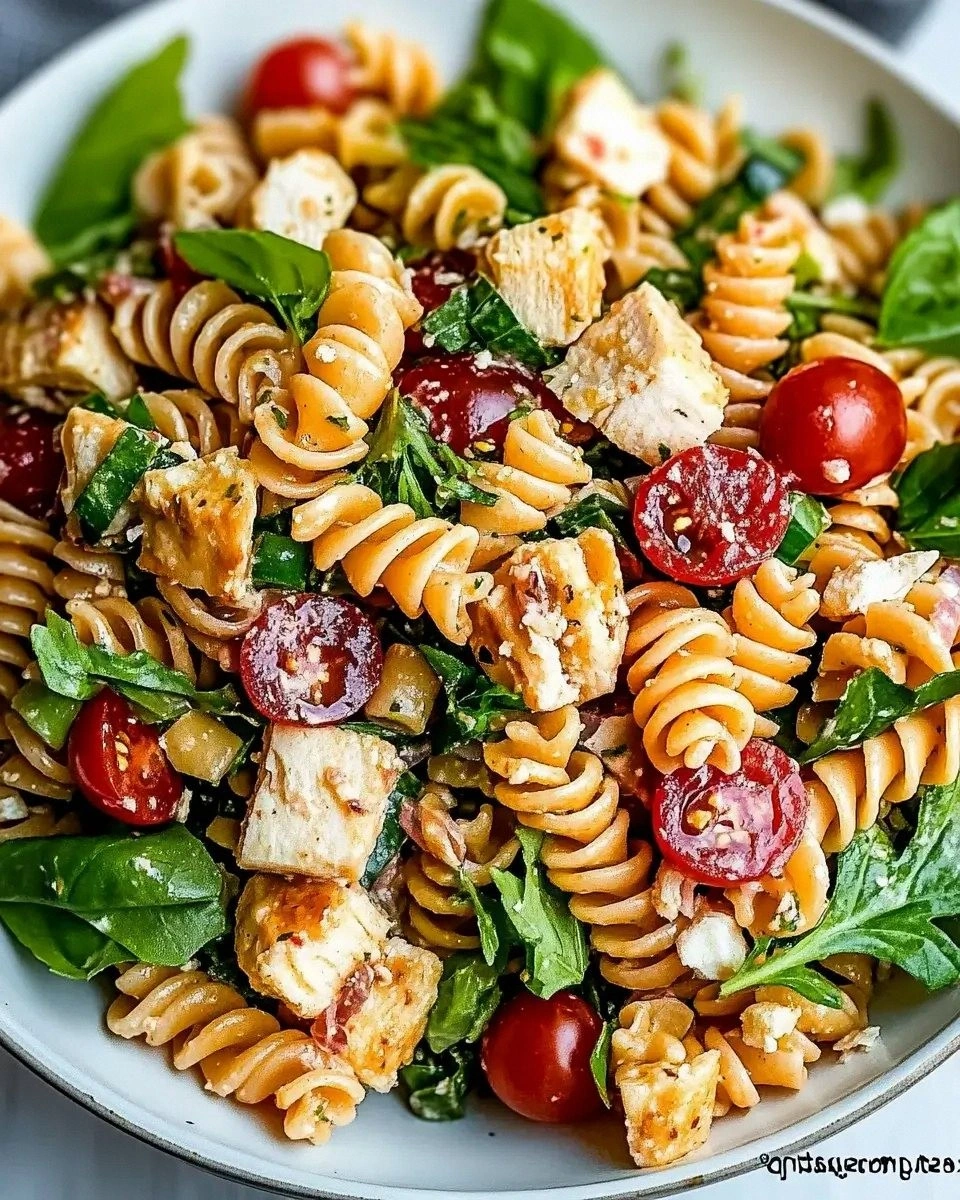
I was standing in my kitchen, staring down a pot of overcooked spaghetti that had turned into a sad, gummy mush. The timer had gone off, the smoke alarm screamed, and my roommate walked in, sniffing the air and asking, “Did you just burn the whole pantry?” I laughed, grabbed a handful of chickpeas, and thought, “What if I could turn this disaster into a high‑protein powerhouse that even the most skeptical carnivore would devour?” That moment sparked the creation of what I now call the ultimate High‑Protein Pasta Salad – a dish that marries the chew of whole wheat pasta with the bright snap of fresh veggies, all wrapped in a vinaigrette that coats the noodles like velvet. I dare you to taste this and not go back for seconds.
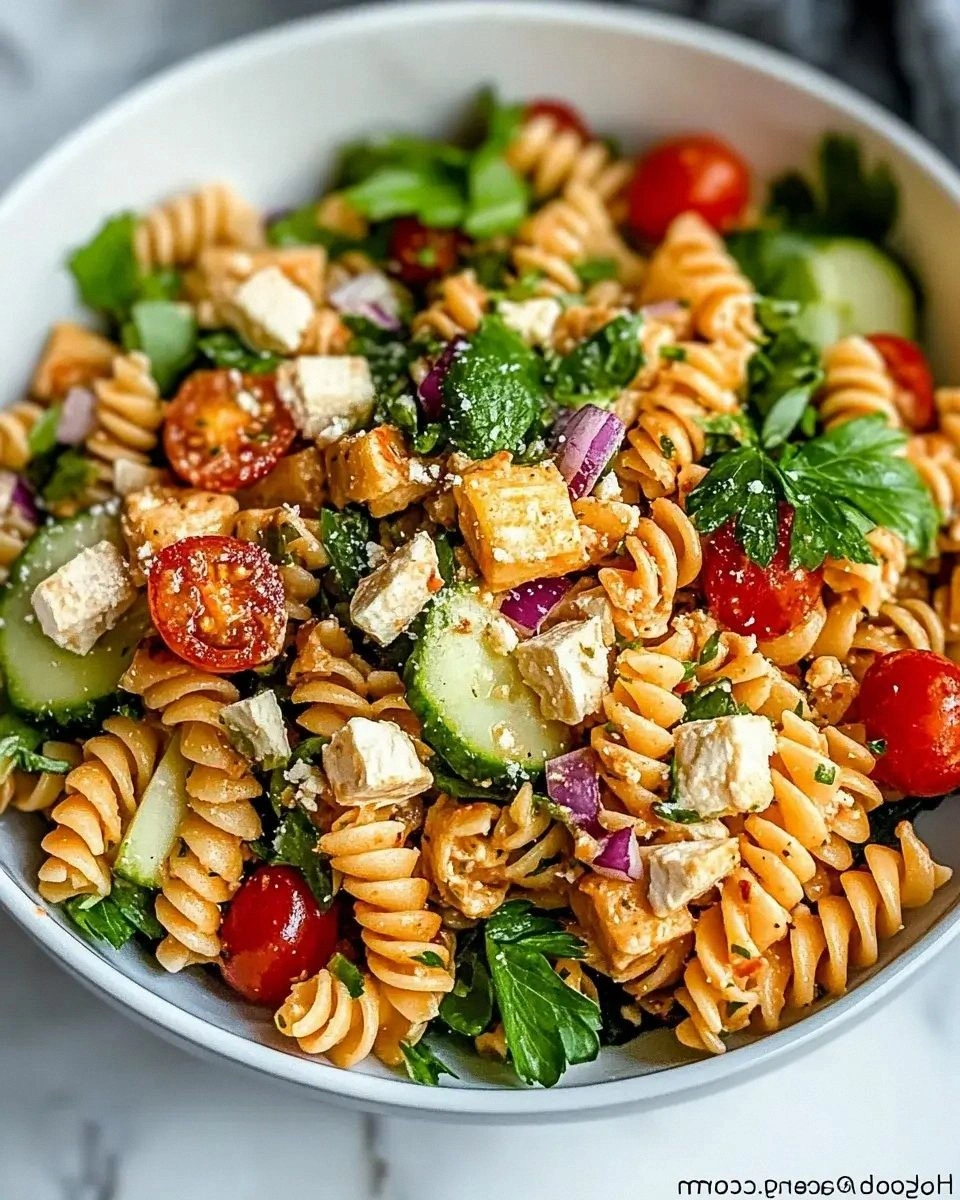
Picture this: a bright kitchen countertop littered with cherry‑red tomatoes, crisp cucumber ribbons, and a bowl of golden‑yellow chickpeas glistening with olive oil. The air is filled with the faint aroma of garlic powder and dried oregano, a scent that whispers of Mediterranean tavern tables. You hear the gentle clatter of a colander draining pasta, the sizzle of a skillet when you toast the red onion just enough to bring out its natural sweetness, and the soft thud of a wooden spoon as you toss everything together. Your hands feel the cool slickness of the olive oil, and your eyes are drawn to the specks of feta that crumble like snowflakes over the top. It’s a full‑sensory celebration, and every bite promises a burst of protein, fiber, and flavor that will keep you fueled for hours.
Most pasta salads out there either drown in mayo or skim on flavor, leaving you with a soggy, forgettable side. This version flips the script by using a red‑wine‑vinegar‑based dressing that brightens the dish while keeping calories in check. The secret? A dash of garlic powder that penetrates the pasta from the inside out, and a quick flash‑roast of the red onion that adds caramelized depth without any extra oil. I’ll be honest — I ate half the batch before anyone else got a chance to try it, and that’s because the combination of textures and the zingy dressing is simply addictive. This isn’t just a side; it’s a main‑course‑worthy, protein‑packed meal that will have you reaching for the bowl again and again.
Let me walk you through every single step — by the end, you’ll wonder how you ever made a pasta salad any other way. Okay, ready for the game‑changer? This next part? Pure magic. Stay with me here — this is worth it.
What Makes This Version Stand Out
- Protein Power: Whole wheat pasta and chickpeas deliver a combined 25 grams of protein per serving, turning a simple salad into a muscle‑fueling feast.
- Texture Symphony: The al dente bite of pasta meets the crisp snap of cucumber and the buttery crumble of feta, creating a mouthfeel that’s both hearty and refreshing.
- Flavor Punch: A red‑wine‑vinegar dressing with garlic powder and oregano provides a tangy, herbaceous lift that never gets boring.
- Simple Prep: No fancy equipment needed – just a pot, a colander, and a large bowl. Perfect for busy weeknights or lazy weekends.
- Make‑Ahead Friendly: This salad actually tastes better after it sits for an hour, allowing the flavors to meld and the pasta to absorb the vinaigrette.
- Crowd‑Pleaser: Whether you’re feeding athletes, kids, or picky eaters, the bright colors and balanced taste win over every palate.
- Ingredient Quality: Using whole wheat pasta and fresh, seasonal veggies maximizes nutrition without sacrificing flavor.
- Versatile Base: Swap out chickpeas for grilled chicken or add olives for a Mediterranean twist – the canvas is yours.
Alright, let's break down exactly what goes into this masterpiece…
Inside the Ingredient List
The Flavor Base
The vinaigrette is the heart of this salad. Olive oil provides a silky mouthfeel, while red wine vinegar adds a sharp acidity that cuts through the richness of feta. Garlic powder and dried oregano are the silent heroes, infusing the dressing with aromatic depth without the need for fresh garlic, which can sometimes dominate the palate. If you skip the vinegar, the salad becomes flat; if you omit the oregano, you lose that Mediterranean whisper. For a twist, try a splash of lemon juice instead of vinegar for a citrusy zing.
The Texture Crew
Whole wheat pasta gives you a nutty flavor and a firm bite that holds up to the dressing. Chickpeas add a buttery, slightly crunchy element while boosting protein and fiber. Cherry tomatoes burst with juicy sweetness, cucumber adds a cooling crunch, and bell pepper contributes a sweet, slightly peppery snap. Red onion, when lightly sautéed, transforms from sharp to sweet, adding a caramelized layer that balances the acidity. Skipping any of these means losing a crucial textural contrast that makes each forkful exciting.
The Unexpected Star
Feta cheese is the surprise guest that steals the show. Its salty, tangy crumble contrasts beautifully with the mellow pasta and bright veggies. If you’re dairy‑free, crumble some toasted tofu seasoned with nutritional yeast for a similar salty bite. The key is to add the cheese at the very end so it stays crumbly and doesn’t melt into the dressing.
The Final Flourish
Fresh parsley is the final green garnish that adds a peppery freshness and a pop of color. It also contributes a subtle herbaceous note that lifts the entire dish. When choosing parsley, look for deep green leaves without brown edges; a bunch that smells like clean garden air is ideal. If parsley isn’t your thing, try fresh basil or mint for a different aromatic profile.
Everything's prepped? Good. Let's get into the real action…
The Method — Step by Step
Bring a large pot of salted water to a rolling boil. Add the whole wheat pasta and cook according to package directions until al dente, usually about 9‑10 minutes. Pro tip: Taste a piece a minute before the timer ends – it should have a slight bite, not a mushy surrender. Once done, drain the pasta, rinse briefly under cold water to stop the cooking, and set aside. This is the moment where the pasta decides its fate – keep it firm, and you’ve won half the battle.
Kitchen Hack: After rinsing, toss the pasta with a teaspoon of olive oil and spread it on a baking sheet for five minutes; this creates a dry surface that soaks up the dressing later.While the pasta cooks, prep the vegetables. Halve the cherry tomatoes, dice the cucumber and bell pepper into bite‑size pieces, and finely chop the red onion. If you’re feeling adventurous, give the onion a quick 30‑second sauté in a dry skillet – this softens its edge and brings out a subtle sweetness without adding extra fat. The sizzling sound should be a gentle whisper, not a roar; you’re aiming for a light caramelization.
Combine the olive oil, red wine vinegar, garlic powder, dried oregano, salt, and pepper in a small bowl. Whisk vigorously until the mixture emulsifies into a glossy, amber‑colored vinaigrette. Watch Out: If the dressing separates, keep whisking – a dash of warm water (about a tablespoon) will bring it back together.
Watch Out: Over‑dressing can drown the pasta; start with three‑quarters of the vinaigrette and add more only if needed.In a massive mixing bowl, combine the cooked pasta, chickpeas, cherry tomatoes, cucumber, bell pepper, and sautéed red onion. Toss everything together gently, allowing each component to stay distinct yet ready to mingle. The colors should look like a vibrant painter’s palette – reds, greens, yellows, and the warm beige of the pasta.
Pour the vinaigrette over the salad, then use two large spoons to fold the mixture until every noodle is lightly coated. The dressing should cling to the pasta like a silk scarf, not pool at the bottom. At this point, taste and adjust salt or pepper if needed – remember, the feta will add saltiness later.
Crumble the feta cheese over the top and sprinkle the fresh parsley. Give the salad one final gentle toss, just enough to distribute the cheese without turning it into a powder. The feta should sit in little pockets, offering a salty surprise with each bite.
Cover the bowl with plastic wrap and let it rest in the refrigerator for at least 30 minutes. This resting period is the secret weapon; it allows the pasta to soak up the vinaigrette, the chickpeas to soften, and the flavors to meld into a harmonious whole. Picture yourself pulling this out of the fridge, the whole kitchen smelling incredible…
Before serving, give the salad one last light toss, drizzle a tiny drizzle of extra‑virgin olive oil if you like extra shine, and serve at room temperature. This final step brings everything together, making the texture perfect for a fork‑full. And now the fun part: dig in and watch everyone ask for seconds. I dare you to taste this and not go back for more.
That's it — you did it. But hold on, I've got a few more tricks that'll take this to another level…
Insider Tricks for Flawless Results
The Temperature Rule Nobody Follows
Never toss hot pasta directly into a cold vinaigrette; the heat will melt the feta and cause the dressing to separate. Instead, let the pasta cool to lukewarm – about 90°F – before mixing. I once tried skipping this step, and the salad turned into a soggy mess that clung to the bowl. The lesson? Respect the temperature, and your salad will stay glossy and distinct.
Why Your Nose Knows Best
When the vinaigrette is ready, give it a quick sniff. If you catch a sharp vinegar punch, it’s ready. If the aroma feels muted, add a splash more vinegar or a pinch of lemon zest. Your nose is a built‑in flavor gauge; trust it more than any recipe timer.
The 5‑Minute Rest That Changes Everything
After mixing, let the salad sit uncovered for five minutes before covering it. This short “air‑rest” allows excess moisture to evaporate, keeping the pasta from becoming waterlogged. I tried covering it immediately once, and the result was a soggy, limp salad that lacked bite. The five‑minute pause is a game‑changer for texture.
Seasoning Layers, Not One Shot
Season at three points: the pasta water, the vinaigrette, and the final toss. Each layer builds depth, ensuring the final dish isn’t bland. Skipping any layer leaves a flavor gap that’s hard to fill later.
The Secret of Fresh Parsley
Add parsley at the very end, right before serving. If you fold it in too early, the bright green wilts and loses its peppery snap. Fresh parsley should be added just before the final toss to retain its vivid color and crisp aroma.
Creative Twists and Variations
This recipe is a playground. Here are some of my favorite ways to switch things up:
Mediterranean Magic
Swap the chickpeas for kalamata olives and add sun‑dried tomatoes. The salty olives amplify the feta, while the sun‑dried tomatoes bring a chewy umami burst. Perfect for a Greek‑themed potluck.
Spicy Southwest
Add a chopped jalapeño, a teaspoon of smoked paprika, and replace the red wine vinegar with lime juice. Toss in black beans instead of chickpeas for an extra kick. This version pairs beautifully with grilled chicken.
Asian Fusion
Use a sesame‑soy dressing (soy sauce, rice vinegar, sesame oil, a touch of honey) and swap parsley for cilantro. Add edamame instead of chickpeas and sprinkle toasted sesame seeds on top. It’s a fresh twist that feels totally new.
Creamy Avocado
Blend a ripe avocado with Greek yogurt, lemon juice, and a pinch of salt to create a creamy dressing. The avocado adds healthy fats and a silky texture that contrasts with the crunchy veggies.
Protein‑Packed Power
Add grilled chicken breast strips or smoked turkey for an extra protein punch. This turns the salad into a full meal for athletes or anyone needing a post‑workout refuel.
Storing and Bringing It Back to Life
Fridge Storage
Transfer the salad to an airtight container and store it in the refrigerator for up to 4 days. Keep the feta on the side if you plan to store longer; add it just before serving to preserve its crumbly texture.
Freezer Friendly
While pasta salads aren’t traditionally frozen, you can freeze the un‑dressed pasta and chickpea mix for up to 2 months. Thaw in the fridge, then toss with fresh vinaigrette and veggies.
Best Reheating Method
If the salad feels a bit dry after refrigeration, drizzle a tiny splash of water or extra olive oil and give it a quick stir. The added moisture creates a gentle steam that revives the pasta without making it soggy.