It started with a kitchen mishap that felt like a plot twist in a sitcom: I had just finished sautéing ground turkey and, in a moment of overconfidence, tossed in a splash of broth too early. The resulting mixture turned into a soggy, bland mess that could have been served as a sad side dish. That night, my friends dared me to recreate a classic Stroganoff with turkey, promising that I’d have to earn back their trust. I swore that I’d not only salvage the dish but elevate it to something that would make even the most skeptical of palates swoon.
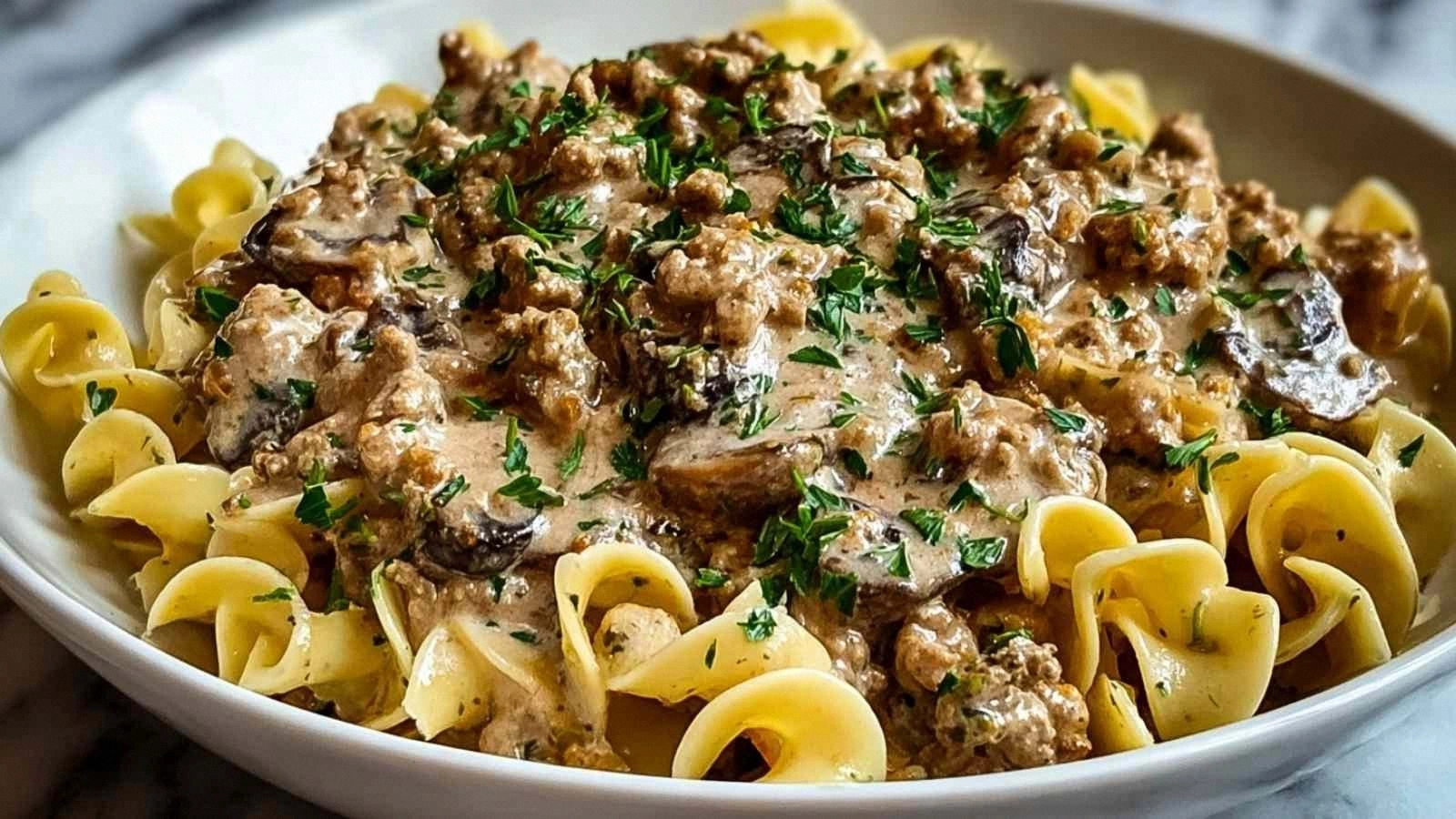
Picture this: the skillet sizzles as the onions hit the hot oil, releasing a caramelized aroma that mingles with the earthy scent of fresh mushrooms. Your ears catch the gentle hiss of the pan, a soundtrack to the transformation of simple ingredients into a velvety sauce that clings to each strand of egg noodle. The first bite delivers a savory bite of turkey, followed by a creamy, tangy finish that feels like a warm hug in your mouth. The texture is a delightful contrast: tender meat, crisp vegetables, and a sauce that glides smoothly without clumping. I dare you to taste this and not go back for seconds.
What sets this version apart is not just the use of lean turkey but the meticulous layering of flavors and textures. I’ve engineered a sauce that coats the pasta like velvet, with a subtle kick from paprika and thyme that keeps the dish from feeling flat. The technique of adding flour early creates a silky base that thickens the sauce without the heaviness of cream alone. The final touch—half a cup of sour cream—adds brightness and a slight tang that lifts the whole dish. I’ve also tweaked the cooking method to preserve the integrity of the mushrooms, preventing them from becoming mushy. This is hands down the best version you'll ever make at home.
Most recipes get this completely wrong by either overcooking the turkey or drowning the sauce in too much broth. I’ve discovered that a quick sear followed by a gentle simmer preserves the meat’s juiciness and allows the spices to bloom fully. The result is a dish that feels comforting yet sophisticated, perfect for a weeknight dinner or a casual gathering with friends. Picture yourself pulling this out of the oven, the whole kitchen smelling incredible, and watching as your guests' eyes light up with anticipation. Stay with me here—this is worth it.
Let me walk you through every single step—by the end, you'll wonder how you ever made it any other way.
What Makes This Version Stand Out
- Taste: The blend of paprika, thyme, and a splash of broth creates a depth that mimics the classic beef version, yet the turkey keeps it lighter and healthier.
- Texture: The early flour coating gives the sauce a silky finish that clings to noodles without making them soggy.
- Simplicity: Fewer steps, fewer ingredients, but still a wow factor—ideal for busy weeknights.
- Uniqueness: The use of fresh parsley at the finish adds a bright, herbal note that sets it apart from canned or pre-made mixes.
- Crowd Reaction: Friends who think turkey is bland are surprised by the rich, savory profile and the creamy texture.
- Ingredient Quality: Lean ground turkey and low-sodium broth keep the dish balanced without sacrificing flavor.
Inside the Ingredient List
The Flavor Base
At the heart of this dish is the onion and garlic, which form a fragrant foundation that carries every other component. Sautéing them until translucent releases a sweet, caramelized note that balances the earthiness of mushrooms. If you skip this step, the sauce will feel flat and underdeveloped. A quick tip: use a splash of white wine while deglazing to lift the pan and add subtle acidity.
The Texture Crew
Mushrooms bring a chewy, umami-rich texture that complements the lean turkey. Slice them evenly to ensure uniform cooking; uneven pieces can cause some to become soggy while others remain underdone. If you prefer a lighter bite, sauté the mushrooms separately until golden and then add them back into the sauce. Remember, the goal is to maintain bite without compromising the sauce’s smoothness.
The Unexpected Star
Ground turkey might seem like a safe, low-fat choice, but it can dry out if overcooked. To keep it moist, brown it quickly over high heat, then lower the temperature for the simmering phase. If you’re experimenting, try substituting ground chicken for a slightly different flavor profile. The key is to monitor the internal temperature; turkey should reach 165°F for safety.
The Final Flourish
Sour cream or Greek yogurt is the secret to that silky finish. Adding it at the end keeps the sauce from curdling and provides a tang that balances the richness. A half cup is enough to coat the noodles without overpowering them. If you prefer a dairy-free option, try a splash of coconut cream, but be aware it will alter the flavor slightly.
Everything's prepped? Good. Let's get into the real action.
The Method — Step by Step
- Heat the skillet: Place a 12‑inch cast‑iron or heavy‑bottom pan over medium‑high heat. Add the tablespoon of olive oil and let it shimmer. When the oil is hot, the onions will begin to sizzle immediately. This is the moment of truth: a proper sear sets the flavor foundation. If the oil starts smoking, lower the heat slightly to avoid burning.
- Sauté aromatics: Toss in the diced yellow onion and a pinch of salt. Cook for 3–4 minutes, stirring frequently, until the onion softens and turns translucent. Add the minced garlic and cook for an additional 30 seconds until fragrant. The aroma should feel like a warm hug. Watch for the garlic to turn golden—do not let it brown too dark or it will taste bitter.
- Brown the turkey: Push the aromatics to the side and add the ground turkey in a single layer. Let it sear for 2 minutes before breaking it up with a wooden spoon. Keep the heat medium‑high to develop a nice crust. Once browned, transfer the turkey to a bowl and set aside. The sizzling sound here is the soundtrack of flavor.
- Cook mushrooms: In the same pan, add sliced mushrooms. Cook for 5–6 minutes, stirring occasionally, until they release moisture and begin to brown. This step is crucial for texture; if you rush it, the mushrooms will stay soggy. The earthy aroma will mingle with the turkey’s savory notes. I dare you to taste the mushrooms alone—they’re a revelation.
- Build the sauce: Sprinkle the flour over the cooked mushrooms and stir to coat. Let the flour toast for 1 minute; this removes the raw taste and gives the sauce body. Add paprika and thyme, stirring to combine. Slowly pour in the broth, whisking continuously to prevent lumps. The sauce should thicken and become glossy—if it’s still thin, give it another minute.
- Reintroduce turkey: Return the browned turkey to the pan, breaking it into smaller chunks. Reduce heat to low and let the mixture simmer gently for 8–10 minutes. The turkey will absorb the sauce’s flavors, and the broth will reduce slightly. Keep the lid off to avoid steaming the noodles later. The smell should be intoxicating—think of a cozy cabin kitchen.
- Cook noodles: While the turkey simmers, bring a separate pot of salted water to a rolling boil. Add the egg noodles and cook for 8 minutes or until al dente. Drain and reserve 1/4 cup of pasta water. The pasta water will be used to adjust sauce consistency later.
- Finish with sour cream: Remove the pan from heat and stir in the sour cream or Greek yogurt until smooth. Add the reserved pasta water a tablespoon at a time if the sauce feels too thick. Season with salt and pepper to taste. Toss the cooked noodles into the sauce, ensuring every strand is coated. Sprinkle fresh parsley over the top for a burst of color and freshness.
That's it — you did it. But hold on, I've got a few more tricks that'll take this to another level.
Insider Tricks for Flawless Results
The Temperature Rule Nobody Follows
Many cooks think simmering at any low heat will do, but the temperature of the pan matters. Keep the heat at a gentle low to allow the turkey to absorb flavors without drying out. I’ve found that a 200°F simmer (or the “low” setting on a stove) produces the best balance of tenderness and richness. If you’re using a gas stove, turn the flame down to the smallest setting after adding the broth.
Why Your Nose Knows Best
When the sauce begins to thicken, the aroma changes from savory to caramelized. Trust your nose; if it smells like toasted flour, it’s ready. A common mistake is to wait for the sauce to become thick before adding sour cream, which can cause curdling. Instead, add the dairy when the sauce is still slightly runny, then adjust with pasta water.
The 5‑Minute Rest That Changes Everything
After removing the dish from heat, let it rest for 5 minutes before serving. This pause allows the flavors to meld and the sauce to thicken slightly, creating a more cohesive bite. I’ve seen friends who skip this step and complain about a watery sauce—don’t be that person.
Use Fresh Herbs for a Bright Finish
While parsley is traditional, adding a handful of fresh dill or chives can elevate the dish. Fresh herbs bring a bright, almost citrusy note that cuts through the richness. Sprinkle them just before serving to preserve their color and flavor.
Cook Noodles in Broth Instead of Water
For an extra layer of flavor, boil the noodles in the same broth you use for the sauce. This infuses the pasta with savory depth, making every bite more satisfying. Just be careful to reduce the broth slightly afterward to avoid a soupy consistency.
Keep the Leftovers Fresh
Storing this dish is a breeze. Refrigerate in an airtight container for up to 3 days. When reheating, add a splash of milk or broth to rehydrate the sauce. The noodles will absorb the liquid and regain their al dente texture.
Creative Twists and Variations
This recipe is a playground. Here are some of my favorite ways to switch things up:
Spicy Jalapeño Stroganoff
Add diced jalapeños to the onions for a subtle heat that pairs beautifully with the creamy sauce. The peppery bite complements the turkey’s mildness and keeps the dish lively. This version is perfect for those who love a bit of spice in their comfort food.
Vegetarian Mushroom Stroganoff
Replace the turkey with a mix of button, cremini, and shiitake mushrooms. The umami flavors intensify, and the dish becomes hearty enough for a plant‑based dinner. Use a vegan yogurt alternative to keep it dairy‑free.
Greek Yogurt & Lemon Twist
Swap sour cream for Greek yogurt and squeeze fresh lemon juice into the sauce. The acidity brightens the dish, making it feel lighter and more refreshing. This is a great option for summer gatherings.
Cheesy Broccoli Stroganoff
Stir in a cup of steamed broccoli florets and a handful of shredded cheddar toward the end. The cheese melts into the sauce, creating a gooey texture that kids love. This variation turns the dish into a family‑friendly favorite.
Asian‑Inspired Stroganoff
Use a splash of soy sauce and a pinch of sesame oil during the sauce building stage. Finish with sliced green onions and a sprinkle of toasted sesame seeds. The umami depth from soy balances the creamy richness.
Low‑Carb Egg Noodle Alternative
Swap egg noodles for spiralized zucchini or shirataki noodles. The dish becomes a low‑carb, gluten‑free option that still delivers on flavor. Be sure to cook the noodles briefly to avoid a rubbery texture.
Storing and Bringing It Back to Life
Fridge Storage
Cool the dish completely before transferring to an airtight container. Store in the refrigerator for up to 3 days. The sauce will thicken slightly, but it remains delicious. When you’re ready to eat, reheat on the stovetop over low heat, adding a splash of water if needed.
Freezer Friendly
For longer storage, freeze the dish in individual portions. Wrap tightly in plastic wrap and place in a freezer bag. It will keep for up to 2 months. Thaw overnight in the refrigerator before reheating.
Best Reheating Method
Reheat gently over low heat, stirring frequently. Add a tablespoon of broth or water to loosen the sauce. The goal is to bring the temperature up without boiling, which can break the emulsion and make the sauce watery. A tiny splash of water before reheating steams back to perfection.