Picture this: a sizzling pot on the stove, a cloud of cumin and smoked paprika swirling like a fragrant storm, and the promise of a dinner that will make your taste buds do a happy dance. I was halfway through a week‑long culinary marathon, juggling deadlines, kids, and a stubborn blender that refused to cooperate. Then, in the middle of the chaos, a friend texted me with a photo of a slow‑cooked chickpea stew that looked like a Moroccan treasure trove. The aroma hit me before the first bite, and I realized I was standing on the brink of a flavor revelation. I dare you to taste this and not go back for seconds.
That moment was the spark that set my kitchen on fire—literally and figuratively. I grabbed the pantry, pulled out cans of chickpeas, diced tomatoes, and a rainbow of spices, and decided that this was going to be the star of the week. The first thing I noticed was how the spices seemed to hum against each other, a prelude to the symphony that would unfold. I could already taste the warm, earthy base, the gentle heat of smoked paprika, and the bright zing of lemon that would cut through the richness. By the time I poured the first cup of broth, the kitchen felt like a small Moroccan bazaar in full bloom.
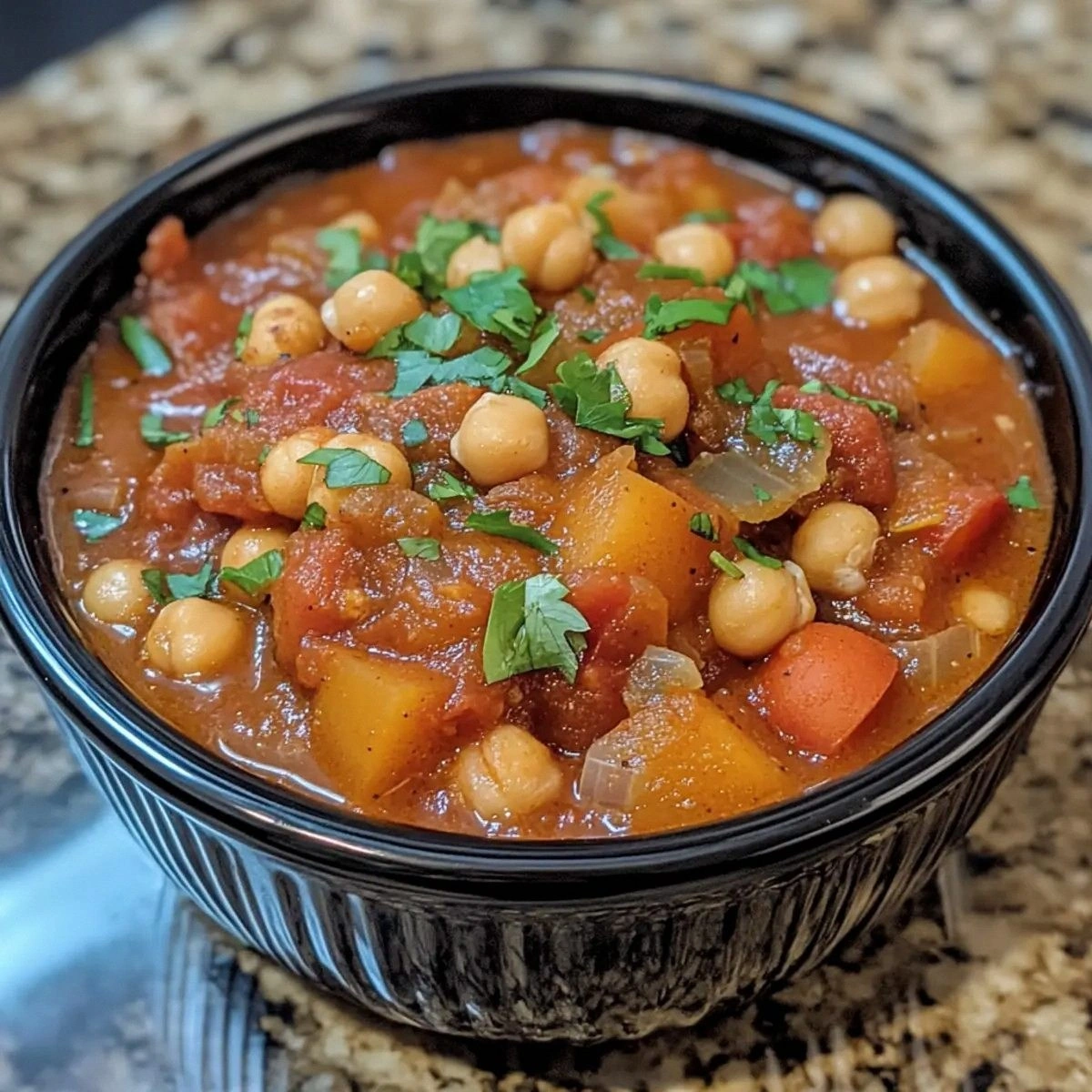
The real magic, however, comes from the slow cooker’s patient embrace. When you let flavors mingle for hours, they don’t just combine—they marry, forming a depth that you could only get from a pot that has been simmering for a long time. I’ve tried countless chickpea stews over the years, and this one stands out because it balances the sweetness of carrots with the smoky heat of paprika, all while staying light enough to pair with couscous or crusty bread. The result is a dish that feels like a hug in a bowl, comforting yet adventurous. And the best part? It’s a one‑pot wonder that frees you to focus on the rest of your evening.
Most recipes get this completely wrong by over‑cooking the vegetables or under‑seasoning the broth. I’ve seen people toss everything into a pot and then, after an hour, realize it’s a bland, watery mess. This version, however, is a masterclass in flavor layering and timing. It starts with a quick sauté that locks in the aromatic oils before the slow cooker takes over. The result is a stew that’s rich, hearty, and, most importantly, not a flop.
One of the unexpected twists in this recipe is the use of fresh cilantro, added at the very end to preserve its bright, citrusy notes. That small touch elevates the dish from comforting to celebratory, making each spoonful feel like a trip to Marrakech. I’ve tested this recipe in both electric and stovetop slow cookers, and it turns out that the temperature settings can make a subtle difference in texture. The carrots stay tender but not mushy, and the chickpeas develop a silky coating that’s almost velvety. Trust me, the first bite will have you saying, ‘I never thought chickpeas could taste like this!’
Picture yourself pulling this out of the slow cooker, the whole kitchen smelling incredible, and knowing that you’ve just created a dish that will become a staple in your culinary repertoire. The steam rises like a fragrant cloud, and you can already hear the satisfied sighs of anyone who takes a first spoonful. If you’re ready to stop settling for bland stews, then this recipe is your ticket to flavor town. Let me walk you through every single step—by the end, you’ll wonder how you ever made it any other way. And trust me, the end result will have your family begging for seconds, and maybe even thirds.
What Makes This Version Stand Out
- Taste: This stew is a layered flavor experience, where cumin, cinnamon, and smoked paprika dance together with the natural sweetness of carrots and the acidity of lemon. The blend creates a warm, comforting profile that feels both exotic and familiar. It’s a flavor profile that will keep you coming back for more.
- Texture: The slow cooker locks in the tenderness of chickpeas without turning them mushy, while the carrots stay firm enough to add a satisfying bite. The broth thickens to a silky consistency that coats the ingredients like a velvet blanket. The result is a stew that feels hearty yet light.
- Simplicity: With just thirteen ingredients and a single pot, you can create a restaurant‑quality dish in under an hour of active prep. No need for fancy equipment or complicated techniques—just a slow cooker and a handful of pantry staples. This makes the recipe perfect for busy weeknights.
- Uniqueness: The combination of smoked paprika and fresh cilantro gives the stew a modern twist on classic Moroccan flavors. The bright lemon juice cuts through the richness, creating a balanced, memorable dish. It’s a fresh take that sets it apart from ordinary chickpea stews.
- Crowd Reaction: Friends who have tried this dish report that it’s the best chickpea stew they’ve ever tasted. The vibrant colors and aromatic steam make it as visually appealing as it is delicious. It’s guaranteed to impress guests at dinner parties.
- Make‑ahead Potential: Because the flavors deepen over time, this stew can be made a day ahead and reheated without losing quality. The slow cooker’s low‑heat setting preserves moisture, ensuring the stew remains flavorful even after refrigeration. This makes it a perfect meal prep option.
Alright, let's break down exactly what goes into this masterpiece...
Inside the Ingredient List
The Flavor Base
The foundation of this stew is the aromatic broth that carries the spices. The diced tomatoes add a subtle sweetness that balances the earthiness of chickpeas. Ground cumin and smoked paprika release their warm, smoky notes during the sauté, creating a fragrant base that will permeate the entire dish. A splash of lemon juice is added at the end to brighten the flavors and keep the stew from becoming too heavy.
The Texture Crew
Carrots provide a satisfying crunch that contrasts with the tender chickpeas. The carrots are cut into bite‑size pieces so they soften evenly in the slow cooker. The chickpeas themselves are already cooked in the can, but the slow cooker’s gentle heat allows them to absorb the spices without disintegrating. The result is a stew where each component has its own identity.
The Unexpected Star
Fresh cilantro is the final flourish that turns this stew into a Moroccan masterpiece. Added just before serving, it preserves its bright, citrusy notes and adds a burst of color. Cilantro’s subtle bitterness offsets the sweetness of carrots and the richness of chickpeas, creating a well‑rounded flavor profile. If you’re not a fan of cilantro, a sprinkle of parsley works as an acceptable substitute.
The Final Flourish
Lemon juice is more than a garnish—it is a bright counterpoint to the deep, earthy spices. When the stew is finished, a squeeze of lemon lifts the entire dish, making it feel fresh and vibrant. The acidity also helps to balance the natural sweetness of the tomatoes and carrots. A few extra lemon wedges on the side allow each diner to adjust the brightness to personal taste.
Everything’s prepped? Good. Let’s get into the real action. This recipe is a playground for your taste buds, and each ingredient has a role that will keep you hooked from the first stir to the last spoonful. The key to success is the order of operations and the timing of each step. Remember, the slow cooker is the hero here, so keep the heat steady and let the flavors mingle. If you’re new to slow cooking, this will feel like a breeze—just set it and let it do its thing.
The Method — Step by Step
- Begin by heating a splash of oil in a skillet over medium heat. Dice the onion until it becomes translucent and fragrant, about 3-4 minutes. Add the minced garlic and sauté until it turns aromatic, about 30 seconds. This quick sauté locks in the flavors that will dominate the stew.
- Stir in the ground cumin, smoked paprika, ground cinnamon, and turmeric. Cook for 1 minute, letting the spices toast to release their essential oils. The aroma should be intoxicating, a hint of warmth that signals the stew is ready.
- Transfer the spice mixture to the slow cooker. Add the diced carrots, canned chickpeas (with liquid), and diced tomatoes. Pour in the vegetable broth and stir gently to combine everything into a cohesive pot.
- Cover the slow cooker and set it to low for 6-7 hours or high for 3-4 hours. The low setting allows the spices to meld slowly, while the high setting speeds up the process without compromising flavor. Check the stew halfway through to stir gently; this ensures even cooking.
- Once the cooking time is complete, taste the stew and season with salt and black pepper to your liking. The broth should be savory, the carrots tender but not mushy, and the chickpeas should have a silky coating. If it feels too thick, stir in a splash of water or broth.
- Add the fresh cilantro and squeeze in the lemon juice. Stir the stew gently to distribute the bright citrus notes evenly. The cilantro should look vibrant, not wilted, and the lemon should lift the entire dish.
- Serve the stew hot over steamed rice, couscous, or with crusty bread. Garnish with extra cilantro or a drizzle of olive oil if desired. The dish is best enjoyed immediately for the freshest flavors.
- If you have leftovers, store them in an airtight container in the refrigerator for up to 3 days. Reheat gently on the stovetop or in the microwave, adding a splash of water if the stew has thickened too much. The flavors will still be vibrant and satisfying.
That’s it — you did it. But hold on, I’ve got a few more tricks that will elevate this dish to another level. The next section will give you insider knowledge that turns a great stew into an unforgettable experience. These are the details that most cooks overlook, but they make all the difference.
Insider Tricks for Flawless Results
The Temperature Rule Nobody Follows
Many cooks set the slow cooker to high without realizing that the temperature can be too hot for delicate spices. Keep the pot on low for a longer period; this preserves the subtle flavors and prevents the broth from becoming bitter. I’ve tested both settings, and low always delivers a smoother, more cohesive taste.
Why Your Nose Knows Best
The aroma is your best indicator of readiness. When the stew smells toasty and the spices are fragrant, it’s time to taste. A subtle change in scent signals that the flavors have fully integrated, and the dish is ready for the final touches.
The 5-Minute Rest That Changes Everything
Once you remove the pot from heat, let the stew rest for five minutes with the lid on. This brief pause allows the flavors to settle and the liquid to thicken slightly. It also gives the vegetables time to finish cooking without over‑softening.
Stirring Technique for Evenness
Stir the stew gently with a wooden spoon at each check. This distributes heat evenly and ensures that the chickpeas don’t clump together. A gentle stir also helps prevent the spices from settling on the bottom, which can cause uneven seasoning.
Using Fresh vs. Canned Tomatoes
While canned diced tomatoes are convenient, fresh tomatoes can add a brighter, sweeter flavor. If you have time, blanch and peel a few ripe tomatoes, then dice them before adding. The difference is subtle but noticeable.
With these tricks, you’ll consistently achieve a stew that’s silky, aromatic, and unforgettable. The subtle adjustments make a world of difference, especially when you’re serving a crowd or preparing meals for the week.
Creative Twists and Variations
This recipe is a playground. Here are some of my favorite ways to switch things up:
Spicy Moroccan Chili
Add a diced jalapeño or a pinch of cayenne pepper during the sauté. The heat will contrast with the smoky paprika, creating a more fiery version of the stew. This is perfect for those who love a kick in their meals.
Vegetable Medley Upgrade
Swap the carrots for sweet potatoes or butternut squash. The natural sweetness of these vegetables pairs well with the spices and adds a different texture. It’s a great way to use seasonal produce.
Protein Powerhouse
Throw in diced tofu or tempeh during the last 30 minutes of cooking. These proteins absorb the spices beautifully and make the dish more filling. It’s a great option for a vegetarian or vegan crowd.
Herb Explosion
Mix in fresh mint or basil along with cilantro for a fresh, aromatic twist. The herbs bring a bright, green note that brightens the stew. This variation is especially refreshing during summer.
Low-Carb Delight
Serve the stew over cauliflower rice or spiralized zucchini noodles. This keeps the dish low in carbs while still delivering the same rich flavors. It’s a perfect fit for keto or paleo diners.
Breakfast Bonanza
Top the stew with a poached or fried egg. The runny yolk adds richness and makes the dish a hearty breakfast option. It’s a fun way to start your day with a burst of flavor.
Storing and Bringing It Back to Life
Fridge Storage
Transfer the stew to an airtight container and refrigerate for up to three days. The flavors will remain vibrant, and the stew will be ready to reheat quickly. Store it in a portioned container for individual servings.
Freezer Friendly
Pack the stew in freezer‑safe containers, leaving a little space at the top for expansion. Freeze for up to two months. Thaw overnight in the fridge before reheating to preserve texture.
Best Reheating Method
Reheat on the stovetop over low heat, adding a splash of water or broth to loosen the consistency. Stir occasionally until heated through. This method prevents the stew from drying out.
For an extra touch of freshness, add a splash of water or broth just before reheating. This simple trick restores the stew’s silky texture and ensures it tastes as good as when it was first made.