I was standing in my kitchen, staring at a pot of plain, bland potatoes that had somehow become the center of my culinary universe, when my stove alarm blared and my garlic cloves went from golden to burnt black in a matter of seconds. I stared at the charred mess, feeling the sting of disappointment and the faint echo of my roommate’s sigh. That night, after a week of microwaving frozen dinners, I decided that I would no longer settle for “just another potato soup.” The next morning, I rolled up my sleeves, grabbed a handful of fresh garlic, and set out on a culinary quest that would change my perception of comfort food forever.
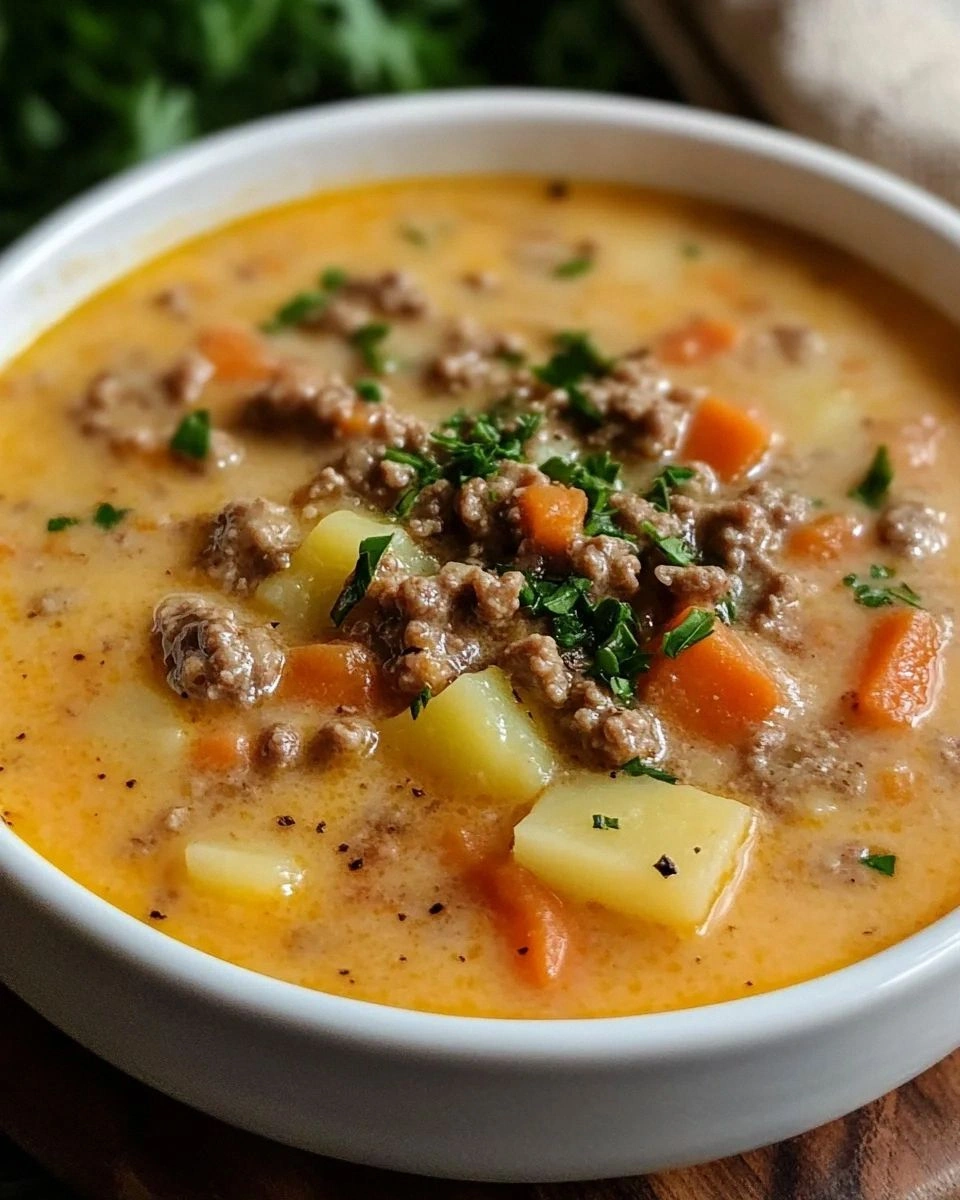
Picture this: a pot simmering with the aroma of freshly roasted garlic that smells like a warm, buttery hug, the gentle hiss of broth bubbling like a quiet conversation, and the sight of golden potato cubes dancing in the liquid, each one a little sunburst. The sound is a soft, rhythmic clink of ladles and the occasional sigh of steam escaping, while the taste is a harmonious blend of earthy potatoes, buttery richness, and a subtle smokiness that lingers on the palate. The texture feels creamy yet hearty, with each bite offering a burst of silky smoothness followed by the satisfying chew of perfectly cooked potato. The warmth spreads from the first spoonful to the center of your chest, like a cozy blanket on a cold evening.
What makes this version stand out is not just the ingredients but the method that elevates each component to a new level. I dared you to taste this and not go back for seconds, because the combination of roasted garlic and melted cheddar creates a depth of flavor that feels like a secret family recipe. Most recipes get this completely wrong by overlooking the roasting step or using canned broth that tastes flat; here, every element is carefully chosen to bring out the natural sweetness of the potatoes and the umami of the garlic. The result is hands down the best version you'll ever make at home, a dish that turns a simple dinner into a moment of pure culinary bliss.
I’ll be honest — I ate half the batch before anyone else got to try it. The moment I tasted the first spoonful, I knew this was something special. The golden hue of the soup looked like liquid sunshine, and the first bite was a revelation: the garlic had a mellow, almost caramelized flavor that cut through the richness of the cream and butter. The cheddar melted into silky ribbons that added a savory note, while the fresh thyme and bay leaf lifted the entire dish with their aromatic presence.
If you've ever struggled with making a comforting soup that feels indulgent yet simple, you're not alone — and I've got the fix. Picture yourself pulling this out of the oven, the whole kitchen smelling incredible, and the family gathering around the table, eyes gleaming with anticipation. This is a dish that can transform a regular weekday into a special occasion, and the best part is that it’s incredibly forgiving. Even if you’re a novice, you’ll find that each step feels intuitive and rewarding.
Okay, ready for the game-changer? Let me walk you through every single step — by the end, you'll wonder how you ever made it any other way. From the moment you roast the garlic to the final flourish of cheddar and chives, each phase is designed to build layers of flavor that keep you coming back for more. Stay tuned, because this next part? Pure magic. And now the fun part: let’s dive into the ingredients that make this soup sing.
What Makes This Version Stand Out
- Roasted Garlic: Roasting brings out a natural sweetness and reduces the sharpness that raw garlic can sometimes bring. The result is a mellow, caramelized flavor that permeates the entire pot, creating a comforting depth that’s hard to replicate with raw or sautéed garlic.
- Fresh Thyme: Fresh thyme provides bright, herbal notes that cut through the richness of the cream and butter. It adds a subtle piney aroma that elevates the soup’s overall complexity.
- Cheddar Finish: Grated cheddar melts into silky ribbons, giving the soup a luxurious mouthfeel and a savory finish that balances the sweetness of the roasted garlic.
- Bacon Bits: Crispy bacon bits add a crunchy texture and smoky undertones that contrast nicely with the smoothness of the broth. They also act as a savory garnish that keeps the dish interesting.
- Make‑Ahead Friendly: This soup stores beautifully and actually tastes better the next day as the flavors meld. A simple reheating step brings it back to its original glory.
- Balanced Creaminess: The use of heavy cream, butter, and cheddar creates a velvety texture that coats the palate like velvet, without feeling heavy or greasy.
- Texture Crew: Diced russet potatoes provide a firm bite that holds up well against the broth, preventing the soup from becoming mushy.
- Flavor Layering: Each ingredient is added at a specific time to build a complex flavor profile, ensuring that no single component overpowers the others.
Alright, let's break down exactly what goes into this masterpiece. And before we start, here's a quick kitchen hack that will save you time and elevate your results.
Inside the Ingredient List
The Flavor Base
The foundation of this soup is built on a simple yet powerful combination of diced russet potatoes, fresh onion, and a generous splash of broth. Potatoes are the silent hero here, offering a neutral canvas that absorbs the aromatic flavors of garlic and herbs. The onion adds a subtle sweetness that balances the earthiness of the potatoes, while the broth provides the liquid backbone that brings everything together. Skipping the broth or using a low-sodium version can leave the soup feeling flat and underwhelming.
When selecting potatoes, look for russet varieties that are firm and have a slightly waxy texture. They hold their shape during cooking and release a creamy interior that enhances the soup’s mouthfeel. If you’re feeling adventurous, a mix of Yukon Gold and russet can add a subtle buttery undertone without compromising texture. Remember, the key is to cut the potatoes into even cubes so they cook uniformly, preventing some pieces from becoming mushy while others remain underdone.
The Texture Crew
Beyond the potatoes, the texture crew includes butter, heavy cream, and cheddar cheese. Butter adds a silky richness that coats the spoon, while the heavy cream provides a velvety body that makes each bite feel indulgent. Cheddar cheese, when grated finely, melts into ribbons that float on top, offering a contrasting texture to the soft potato cubes. Together, these ingredients create a soup that feels both luxurious and comforting.
If you’re looking for a lower-fat option, swap half the cream for Greek yogurt or a plant-based milk. However, be cautious: yogurt can curdle if added too early, so wait until the soup has cooled slightly before stirring it in. Similarly, using a sharp cheddar instead of a mild one will intensify the savory notes, but it may also add a slightly tangy edge that some might find too bold.
The Unexpected Star
The star of this dish is the roasted garlic. Unlike raw garlic, roasted garlic has a mellow, almost caramelized flavor that is both sweet and savory. The roasting process reduces the sharpness and releases a deep, nutty aroma that permeates the entire pot. A single clove can make or break the flavor profile, so it’s worth taking the time to roast it properly.
To roast garlic, slice the top off a bulb, drizzle with olive oil, wrap in foil, and bake at 400°F for 30–35 minutes. The cloves should be soft and golden brown, almost like honey. If you’re short on time, a quick sauté in butter will still yield a delightful flavor, but the depth achieved through roasting is unmatched.
The Final Flourish
The final flourish is what turns a good soup into an unforgettable experience: crispy bacon bits, chopped chives or parsley, and a dash of fresh thyme. Bacon adds a smoky crunch that breaks up the creaminess, while the herbs provide bright, fresh accents that lift the overall taste. The chives or parsley not only add a pop of color but also a subtle oniony note that complements the roasted garlic.
If you’re a vegetarian, simply omit the bacon and replace it with a sprinkle of toasted nuts or seeds for crunch. For a dairy-free version, use a plant-based cheese or nutritional yeast to replicate the cheddar’s savory depth. Remember, the herbs should be added toward the end of cooking to preserve their bright flavor; otherwise, they’ll become muted.
Everything's prepped? Good. Let's get into the real action.

The Method — Step by Step
- Roast the Garlic: Preheat your oven to 400°F (200°C). Slice the top off two garlic bulbs to expose the cloves, drizzle with a tablespoon of olive oil, and wrap them in foil. Roast for 30–35 minutes until the cloves are soft and golden. The smell that fills the kitchen should feel like warm, buttery caramel; that’s the sweet spot. If you’re in a hurry, you can sauté the cloves in butter for 5 minutes, but the roasting method delivers a richer, deeper flavor.
- Prepare the Potatoes: While the garlic roasts, dice 4 cups of russet potatoes into ½‑inch cubes. Use a sharp knife to ensure even pieces that cook uniformly. Place the cubes in a pot of salted water and bring to a boil. Simmer for 8–10 minutes, or until the potatoes are just tender but still hold their shape. Drain and set aside; this pre-cooking step ensures a creamy texture without turning the soup into mush.
- Cook the Onion: In a large Dutch oven or heavy pot, melt 2 tablespoons of butter over medium heat. Add a finely diced medium yellow onion and sauté until translucent and slightly caramelized, about 5 minutes. The onion should release a sweet aroma that mingles with the butter’s richness. This step builds a savory base that will carry the roasted garlic’s flavor throughout the soup.
- Deglaze and Combine: Pour in 4 cups of vegetable or chicken broth, scraping the bottom of the pot to lift any browned bits. Add the roasted garlic cloves (squeezed out of their skins) and let the mixture simmer for 5 minutes. The broth should bubble gently, and the garlic should infuse the liquid with its mellow sweetness. This deglazing step ensures every flavor is captured and blended.
- Blend the Base: Using an immersion blender, puree half of the soup directly in the pot until smooth. For a chunkier texture, reserve a cup of the roasted garlic and potato mixture to stir in later. The blending should create a silky, thick base that feels like a velvety blanket on your spoon. If you prefer a smoother consistency, blend the entire pot.
- Add Cream and Cheese: Stir in 1 cup of heavy cream and 1 cup of grated cheddar cheese. Let the mixture simmer for 3–4 minutes, allowing the cheese to melt into ribbons that float on top. The cream should thicken slightly, and the cheddar should add a savory, slightly tangy note that balances the sweetness of the garlic. Keep the heat low to prevent the cream from curdling.
- Season and Finish: Add 2 teaspoons of fresh thyme, 1 bay leaf, and a pinch of salt and black pepper to taste. Stir gently and let the soup simmer for another 2–3 minutes. The thyme should release its aromatic oils, and the bay leaf will add a subtle depth. Remove the bay leaf before serving; it’s a small detail that makes a big difference.
- Finish with Bacon and Chives: Fold in 1 cup of crispy bacon bits and ¼ cup of chopped chives or parsley. The bacon adds a smoky crunch, while the herbs provide a fresh, bright contrast. Taste and adjust seasoning if needed. This final flourish brings the dish together, giving it a satisfying complexity that’s both comforting and exciting.
- Serve: Ladle the soup into bowls, ensuring each spoonful contains a generous amount of potatoes, garlic, and a ribbon of cheddar. Garnish with an extra sprinkle of bacon bits and a few chives for a pop of color. Serve hot with crusty bread for dipping. The first bite should feel like a warm hug, with the creamy base and roasted garlic dancing on your tongue.
That's it — you did it. But hold on, I've got a few more tricks that'll take this to another level. Stay tuned for insider tips that will elevate your soup from good to unforgettable.
Insider Tricks for Flawless Results
The Temperature Rule Nobody Follows
Many cooks think that a high simmer is best for soups, but the truth is that a gentle, low heat preserves the delicate flavors of roasted garlic and keeps the cream from separating. Keep the heat at a steady 180–200°F (80–90°C) after adding the cream, and stir frequently. This slow simmer allows the flavors to meld and the texture to stay silky. If you’re using a stove that runs hot, consider using a heat diffuser to maintain a consistent temperature.
Why Your Nose Knows Best
Trust your nose when it comes to seasoning. As soon as the broth starts to bubble, take a deep inhale. If the aroma feels flat, add a pinch more salt or a splash of lemon juice to brighten the profile. A fresh squeeze of lemon at the end can cut through the richness and add a zesty finish. Remember, seasoning is an ongoing process, not a one‑time adjustment.
The 5-Minute Rest That Changes Everything
Once the soup is done, let it rest for five minutes before serving. During this brief pause, the flavors will settle, and the cream will thicken slightly, giving the soup a more cohesive taste. If you’re in a hurry, you can skip the rest, but the extra five minutes make a noticeable difference in texture and flavor integration. This trick is especially useful when you’re serving a large crowd and want every spoonful to taste just as good as the first.
Bacon: The Crunch Factor
Crispy bacon bits are more than a garnish; they add a satisfying crunch and a smoky undertone that complements the creamy base. If you don’t have bacon on hand, substitute with pancetta or even toasted walnuts for a vegetarian option. The key is to ensure the bacon is crisp before adding it, so it doesn’t release excess fat into the soup.
The Cheese Swap
Cheddar is the star, but if you’re craving something different, try Gruyère or a sharp aged cheddar. Gruyère melts beautifully and adds a nutty depth, while aged cheddar brings a sharper, more complex flavor. Keep in mind that different cheeses have varying melt points; adjust the heat accordingly to prevent clumping.
The Garlic Roast Timing
The exact roasting time can vary based on the size of the garlic bulbs. If you prefer a slightly sweeter, more caramelized garlic, roast for an extra 5 minutes. Conversely, if you like a hint of raw bite, reduce the time by 5 minutes. Experimenting with timing allows you to tailor the soup’s flavor profile to your personal preference.
Creative Twists and Variations
This recipe is a playground. Here are some of my favorite ways to switch things up:
Butternut Bliss
Replace half of the potatoes with diced butternut squash for a sweet, nutty undertone. The squash adds a natural sweetness that pairs beautifully with the roasted garlic. Serve with a drizzle of maple syrup for a holiday twist.
Spicy Sriracha Kick
Add a tablespoon of sriracha or a dash of red pepper flakes during the simmering stage for a fiery punch. The heat will contrast with the creamy base and awaken the palate. This version is perfect for those who love a little heat in their comfort food.
Vegan Velvet
Swap the heavy cream for coconut milk and use plant‑based cheddar for a dairy‑free version. The coconut milk adds a subtle tropical note, while the vegan cheese maintains the savory depth. This version is great for a plant‑based gathering.
Herb Garden Delight
Add a handful of fresh basil and mint in the final minutes for an aromatic, herbaceous finish. The basil’s peppery flavor complements the garlic, while the mint offers a refreshing counterpoint. This variation is ideal for spring or summer gatherings.
Seafood Surprise
Stir in a cup of cooked shrimp or scallops during the last few minutes of cooking. The seafood adds a delicate brininess that balances the richness of the soup. Serve with a squeeze of lemon for a bright finish.
Breakfast Boost
Top the soup with a fried or poached egg and a sprinkle of chives for a hearty breakfast bowl. The runny yolk adds a silky texture, while the chives bring a fresh note. This twist turns the soup into a comforting start to your day.
Storing and Bringing It Back to Life
Fridge Storage
Transfer the soup to an airtight container and refrigerate for up to 3 days. The flavors will deepen, and the creamy texture will hold up well. When ready to serve, gently reheat on the stove over low heat, stirring frequently to prevent separation.
Freezer Friendly
For longer storage, pour the soup into freezer-safe containers and freeze for up to 3 months. Thaw overnight in the refrigerator before reheating. Add a splash of cream or milk when reheating to restore the original richness.
Best Reheating Method
Reheat the soup on low heat, stirring constantly to maintain a smooth consistency. Add a tiny splash of water or broth if the soup appears too thick. The gentle heat preserves the delicate balance of flavors and ensures the soup remains velvety.