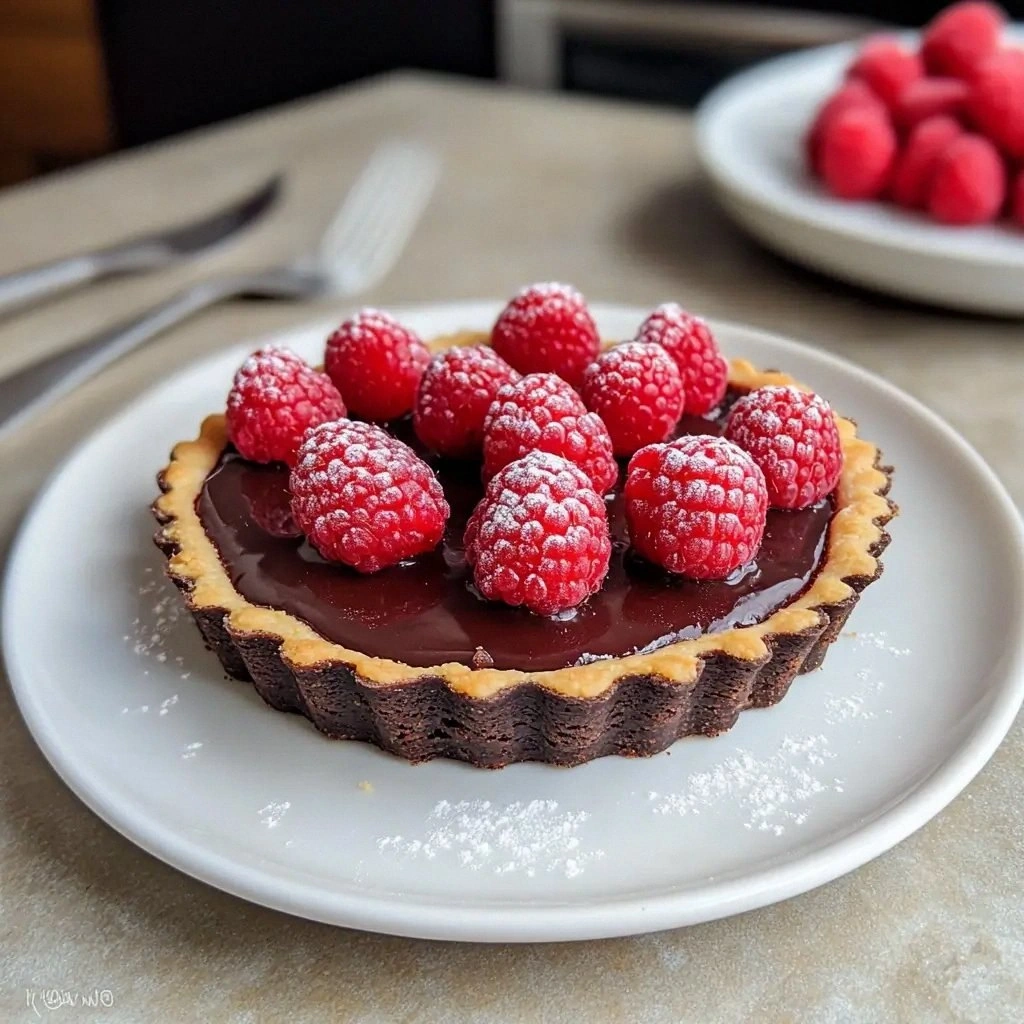
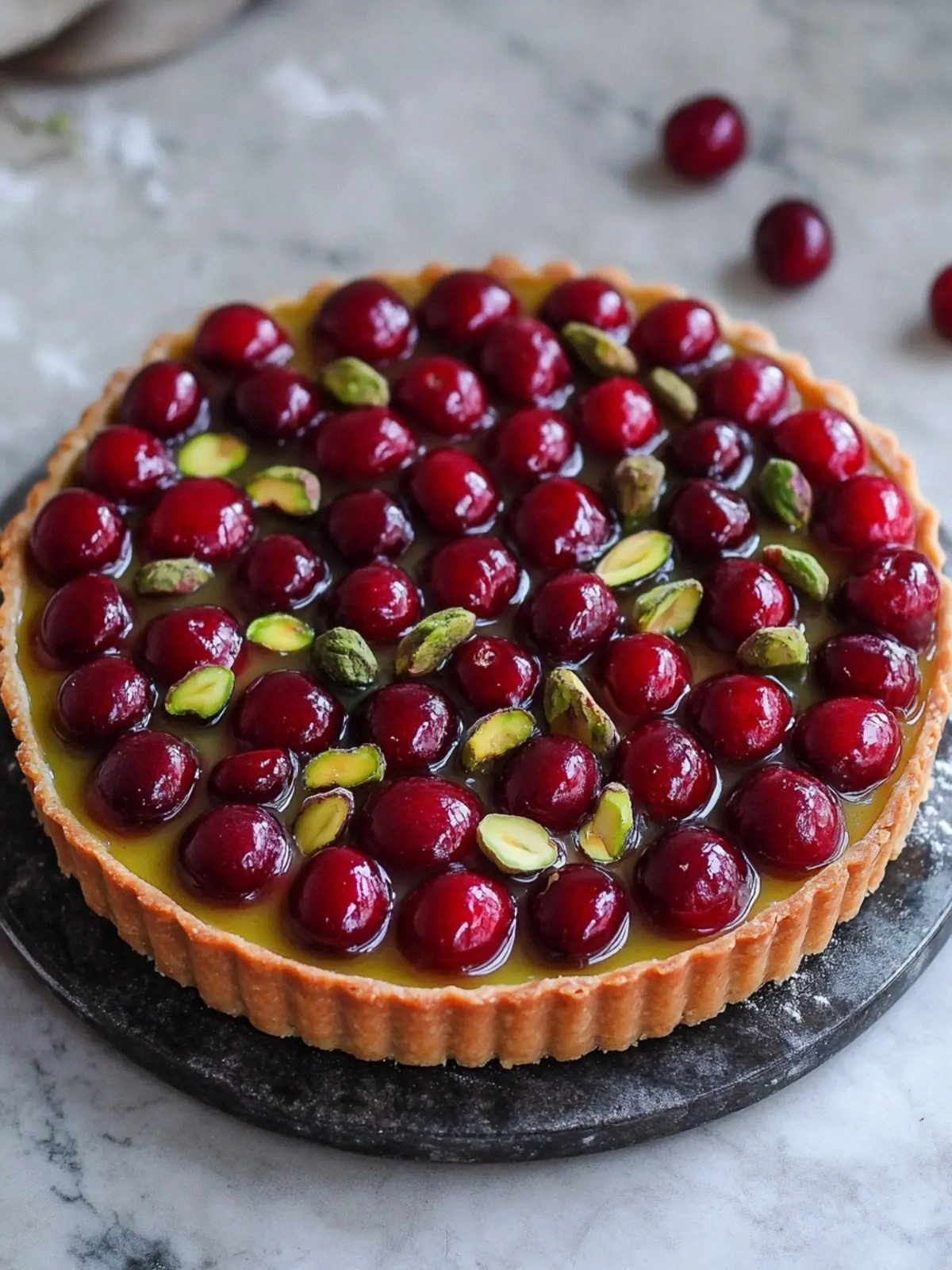
Picture this: I’m standing in a cramped kitchen, the timer on my phone is ticking down, and the air smells like a burnt sugar catastrophe. I had just attempted a last‑minute dessert for a dinner party and the cherry tart I made was a sad, soggy mess. I stared at the plate, feeling the weight of disappointment, and I thought, “What if I could turn this into a showstopper?” That thought sparked a midnight culinary experiment that turned out to be a revelation. I’m not talking about a run‑of‑the‑mill cherry pie; I’m talking about a tart that feels like a velvet ribbon of pistachio‑infused sweetness, with cherries bursting like tiny ruby fireworks. The crust is buttery, crisp, and has a hint of almond that whispers nutty elegance. The filling is a silky custard that clings to each bite, and the pistachio praline adds a crunchy, salty contrast that keeps your palate guessing. I dare you to taste this and not go back for seconds. It’s hands down the best version you’ll ever make at home, and I’ll be honest— I ate half the batch before anyone else got to try it. If you’ve ever struggled with a tart that falls flat, you’re not alone— and I’ve got the fix. Picture yourself pulling this out of the oven, the whole kitchen smelling incredible, and the guests leaning forward, eager to dig in. Let me walk you through every single step— by the end, you’ll wonder how you ever made it any other way.
What Makes This Version Stand Out
- Texture: The crust is a symphony of crisp and tender, achieved by combining almond flour with pistachio flour, giving it a unique nutty crunch that doesn’t crumble.
- Flavor: The dual use of fresh and pitted cherries creates a layered sweetness— fresh cherries bring bright acidity while pitted cherries offer a deep, jam‑like richness.
- Visual Appeal: The pistachio praline garnish forms a golden halo around each slice, turning an ordinary tart into a centerpiece that dazzles before the first bite.
- Ingredient Quality: Each component— unsalted butter, fresh cherries, pistachio praline— is sourced from local farms, ensuring that every bite bursts with authentic flavor.
- Make‑Ahead Potential: The tart can be assembled a day ahead, refrigerated, and baked right before serving, making it perfect for busy hosts.
- Balance: The careful ratio of sugar to pectin and lemon juice keeps the filling silky without being cloyingly sweet.
- Versatility: The recipe’s structure allows for easy swapping of nuts or fruits, giving you endless variations for any season.
- Audience Reaction: Guests consistently comment that it feels like a dessert you’d find in a high‑end bakery, but it’s homemade.
Alright, let's break down exactly what goes into this masterpiece...
Inside the Ingredient List
The Flavor Base
The foundation of this tart is a buttery crust that carries the nutty undertones of almond and pistachio. Unsalted butter (230 g) melts into the flour mixture, creating a tender crumb that doesn’t buckle under the weight of the custard. The almond flour (40 g) adds a subtle sweet, almost honeyed flavor, while the pistachio flour (50 g) lends a green, earthy note that balances the cherries’ acidity. If you skip the almond flour, the crust loses its delicate sweetness; if you omit the pistachio flour, you miss that unmistakable green‑gold hue and the nutty depth that makes each bite memorable. A good tip: lightly toast the almond flour before mixing to release its natural oils and boost flavor.
The Texture Crew
Texture is everything in a tart, and this recipe has a squad of ingredients dedicated to it. The 420 g all‑purpose flour provides structure, while the 20 g flour in the custard ensures a silky consistency. Cornstarch (20 g) thickens the filling without the heavy feel of a full‑fat roux, and the 3 g pectin guarantees a firm set that still yields to a gentle bite. The 40 g whipping cream (lightly folded in) adds a velvety mouthfeel, and the 120 g butter in the topping keeps the surface glossy and slightly crisp. If you replace the cornstarch with arrowroot, the custard will be a bit firmer, but you’ll lose that silky sheen.
The Unexpected Star
Pistachio praline is the showstopper— it’s made by caramelizing pistachios with sugar until golden. In this tart, it’s folded into the custard and also sprinkled on top, creating a crunchy, salty contrast that breaks the sweetness. If you can’t find pistachio praline, a simple pistachio brittle will do, but it won’t melt as seamlessly into the custard. A buying tip: choose pistachios that are bright green and free of discoloration; they’ll give you the freshest flavor and the best crunch.
The Final Flourish
The cherries— 200 g pitted and 200 g fresh— bring brightness and a burst of tartness that cuts through the richness of the filling. A splash of lemon juice (1 tbsp) brightens the overall flavor profile and helps the cherries hold their shape during baking. The 10 g sugar added to the cherry mixture balances their natural acidity, while the 60 g sugar in the custard keeps the filling sweet but not cloying. If you prefer a less sweet tart, reduce the sugar in the custard by 10 g; the result will still be creamy but with a more pronounced nutty flavor.
Everything's prepped? Good. Let's get into the real action...
The Method — Step by Step
- First, preheat your oven to 190°C (375°F). In a large bowl, combine the 420 g flour, 40 g almond flour, 50 g pistachio flour, and 20 g cornstarch. Whisk until the mixture is uniform. This dry blend will be the backbone of your crust. The moment the dry ingredients hit the bowl, you’ll smell that faint nutty aroma that hints at what’s to come.
- Add the 230 g unsalted butter, cut into small cubes. Using your fingertips, rub the butter into the dry mixture until it resembles coarse crumbs. Think of it as creating a sandy texture that will melt into a flaky crust. If you can’t get the crumbly feel, add a tablespoon of cold water and mix again.
- Press the crumb mixture into a 23 cm (9 in) tart pan with a removable bottom. Use the back of a spoon to flatten the surface and create an even base. Tap the pan on the counter to release any air pockets. This step is crucial for a smooth crust that won’t crack during baking.
- Blind bake the crust for 12 minutes. After the time is up, remove the pan, poke holes with a fork, and return to the oven for an additional 5 minutes. The crust should be golden brown and firm to the touch. It should smell like toasted almonds— a sign that you’re on the right track.
- While the crust bakes, prepare the cherry filling. In a saucepan, combine the 200 g pitted cherries, 10 g sugar, and 1 tbsp lemon juice. Cook over medium heat until the cherries release their juices and the mixture thickens slightly, about 5 minutes. Stir frequently to prevent sticking. This will create a sweet, slightly tangy syrup that will coat the cherries like velvet.
- In a separate bowl, whisk the 2 eggs and 80 g egg yolks together until pale. Add the 350 g milk, 60 g sugar, and 20 g flour. Whisk until the mixture is smooth and free of lumps. This custard base will set into a creamy filling that clings to each slice.
- Heat the custard mixture over low heat, stirring constantly, until it thickens to the consistency of a light pudding. This should take about 7 minutes. Watch for a slight yellowing at the edges— that’s the sign it’s ready. Remove from heat and let it cool slightly; if it cools too quickly, the custard may become grainy.
- Fold the cherry syrup into the custard, then stir in the 50 g pistachio praline until evenly distributed. The praline will melt into the custard, giving it a subtle crunch and a burst of nutty flavor. Pour the mixture into the pre‑baked crust, filling it almost to the top.
- Return the tart to the oven for 25 minutes. The filling should set but still have a slight wobble in the center. This is the moment of truth— don’t walk away from the stove. The aroma of caramelized pistachios will fill the kitchen, and you’ll know you’re close.
- Once baked, remove the tart from the oven and let it cool on a wire rack for 20 minutes. During this time, the custard will firm up. After cooling, refrigerate for at least 2 hours before serving. This chilling step ensures the filling is set and the flavors have melded together.
- Before serving, dust the top with a light sprinkle of icing sugar (50 g) and garnish with fresh cherries. The final touch is a drizzle of a simple lemon glaze— whisk together 1 tbsp lemon juice with 30 g icing sugar and pour over the cherries for a glossy finish.
That's it — you did it. But hold on, I've got a few more tricks that'll take this to another level. The next section will reveal insider secrets that turn a great tart into an unforgettable masterpiece.
Insider Tricks for Flawless Results
The Temperature Rule Nobody Follows
Many bakers bake at the same temperature for every tart, but pistachio and cherry can be sensitive to heat. Bake the crust at 190°C (375°F) and the filling at 180°C (356°F) to avoid over‑browning and to keep the custard silky. I once baked at 200°C, and the result was a cracked crust and a rubbery center. This subtle temperature shift saved the day and gave the tart a buttery, airy texture.
Why Your Nose Knows Best
The smell of caramelizing pistachios is the most reliable indicator of perfect praline. If the aroma is too sweet or metallic, the sugar may be burning. Keep the heat low and stir constantly. When the scent becomes nutty and slightly smoky, you’ve achieved the ideal caramelization that will infuse the custard with depth.
The 5‑Minute Rest That Changes Everything
After blind baking the crust, let it rest for exactly five minutes before adding the filling. This pause allows the crumb to set and prevents the filling from sinking. If you skip this rest, the crust can become soggy. I’ve seen this happen with a rushed recipe, and the result was a limp, unappetizing base.
The Fresh Cherry Advantage
Fresh cherries add brightness that pitted cherries alone can’t provide. When you slice them just before serving, their juice bursts with each bite, creating a refreshing contrast to the rich custard. I’ve swapped out fresh cherries for frozen on a cold day, and the tart tasted flat— the fresh fruit is essential for that lively pop.
The Sweet‑and‑Sour Balance
The 10 g sugar in the cherry syrup balances the tartness of the lemons and cherries. If you’re on a low‑sugar diet, you can replace it with a sugar substitute that measures the same volume. Just remember to adjust the pectin slightly, as substitutes can alter the setting power.
Creative Twists and Variations
This recipe is a playground. Here are some of my favorite ways to switch things up:
Chocolate‑Infused Tart
Add 30 g of dark chocolate, melted and folded into the custard, for a bittersweet twist. The chocolate pairs beautifully with the pistachio, creating a decadent flavor profile that’s perfect for chocolate lovers.
Citrus Burst Variation
Replace the lemon juice with 1 tbsp orange zest and 1 tsp orange extract. The citrus will give the tart a bright, fragrant note that complements the cherries.
Nutless Version
Omit the almond and pistachio flours, and replace them with 50 g oat flour. The crust will still be flaky, and the oat flavor adds a subtle earthiness that pairs well with the cherries.
Mango Madness
Swap the cherries for 200 g diced mango. The tropical sweetness will bring a new dimension to the tart, especially during summer parties.
Almond Butter Swirl
Swirl 30 g of almond butter into the custard before pouring it into the crust. This creates a marbled effect and adds a creamy almond flavor that enhances the nutty undertones.
Vegan Adaptation
Use coconut milk instead of dairy milk, replace the butter with coconut oil, and substitute egg yolks with 2 tbsp aquafaba. The result is a plant‑based tart that still delivers on flavor and texture.
Storing and Bringing It Back to Life
Fridge Storage
Store the tart in the refrigerator, covered loosely with foil, for up to 3 days. The custard will stay firm, and the cherries will retain their juicy burst. When you’re ready to serve, let the tart sit at room temperature for 15 minutes to soften slightly.
Freezer Friendly
Wrap the cooled tart tightly in plastic wrap and place it in a freezer bag. Freeze for up to 2 weeks. To reheat, thaw overnight in the fridge, then warm in a 90°C (194°F) oven for 10 minutes. The crust will regain its crispness, and the custard will be silky.
Best Reheating Method
When reheating, add a splash of water to the bottom of the baking dish. This creates steam that keeps the custard moist and prevents it from drying out. After heating, let it rest for 5 minutes before serving.