I was halfway through a frantic week, juggling deadlines and a craving that seemed to have a mind of its own. The aroma of garlic and soy sauce had been dancing in the kitchen for hours, but the dish I was aiming for had slipped through my fingers like a slippery eel. I stared at the two glossy eggplants, their deep purple skins reflecting the kitchen light, and thought, “If I could just find the right balance, this could be a game‑changer.” That moment sparked a culinary revelation: a version of Chinese eggplant that turns every bite into a silky, umami‑laden adventure.
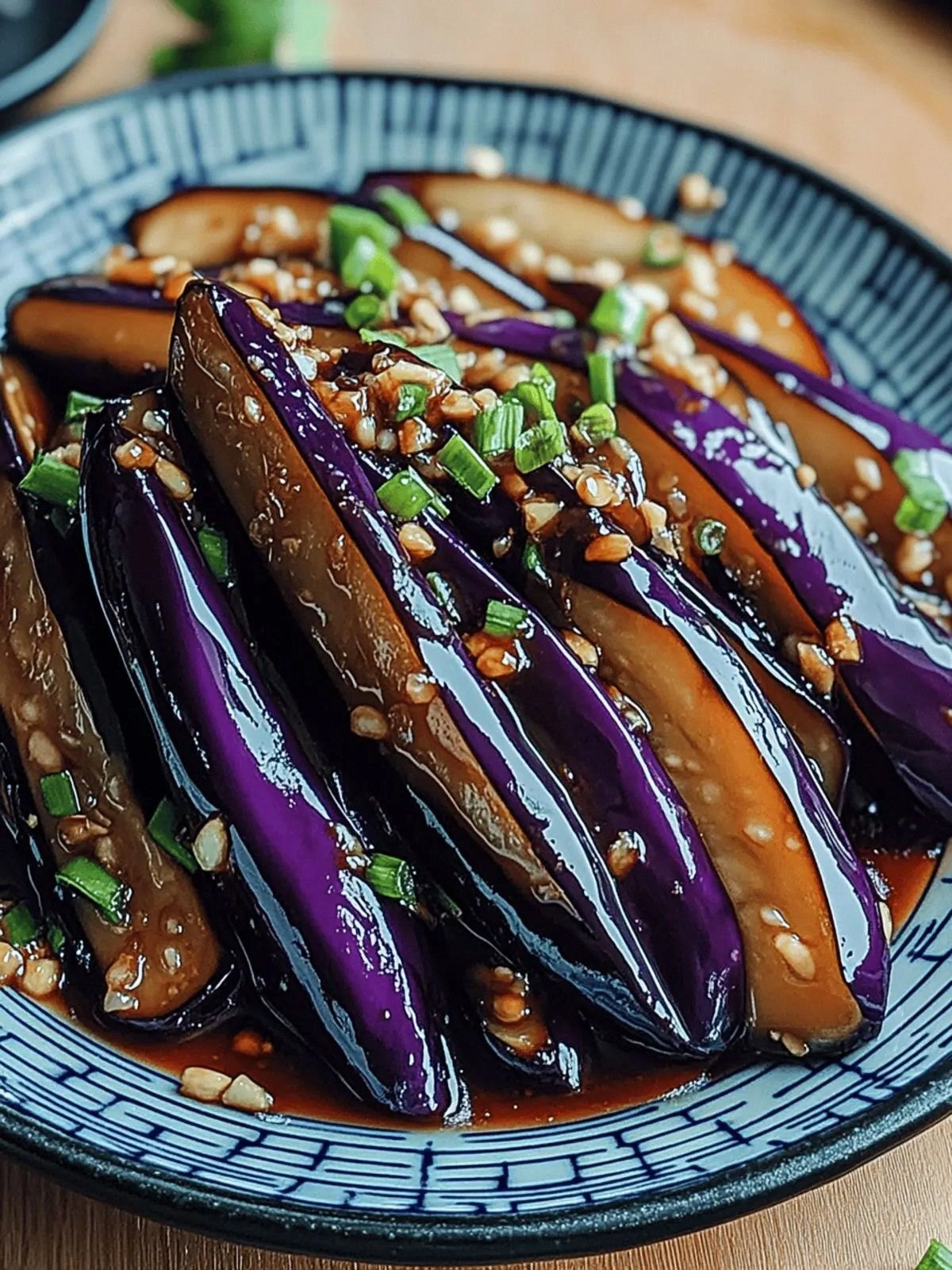
Picture this: the first sizzle as oil meets the cut eggplant, a crackle that sounds like applause. The garlic and ginger hit the pan, releasing a fragrant steam that fills the room, and the eggplant begins to soften, its flesh turning a glossy, almost translucent sheen. The sauce starts to thicken, coating each slice like velvet, and the final splash of scallions gives a bright, almost citrusy pop that cuts through the richness. Each mouthful is a harmony of tender, slightly caramelized eggplant, sweet‑savory sauce, and a subtle heat from the ginger that lingers on the palate.
What sets this version apart is not just the flavor but the simplicity and the precision of the technique. I discovered that a quick blanching step before stir‑frying removes that bitter bite that some eggplants have, and the cornstarch slurry locks the sauce in place, giving a silky finish that doesn’t cling to the pan. The sauce is balanced—just enough sugar to counter the soy’s saltiness, and the ginger adds a fresh bite that keeps the dish from becoming too heavy. The result is a dish that feels both indulgent and light, a true crowd‑pleaser that’s surprisingly easy to master.
I dare you to taste this and not go back for seconds. This is hands down the best version you’ll ever make at home. If you’ve ever struggled with eggplant’s tendency to absorb oil or end up with a mushy texture, you’re not alone—and I’ve got the fix. Picture yourself pulling this out of the pan, the whole kitchen smelling incredible, and everyone asking for the recipe. Stay with me here—this is worth it.
What Makes This Version Stand Out
Flavor: The sauce is a sweet‑savory balance that coats the eggplant without overpowering it. The subtle heat from ginger and the brightness of scallions add layers that keep each bite fresh.
Texture: The eggplant is tender yet firm, thanks to a quick blanch that removes bitterness and a careful stir‑fry that locks in moisture.
Technique: A cornstarch slurry is used to thicken the sauce, giving it a silky finish that clings to the eggplant rather than pooling.
Ingredient Quality: Fresh, firm eggplants and freshly grated ginger make the difference between a good dish and a great one.
Time: In under 30 minutes you’ll have a restaurant‑style dish that feels effortless.
Versatility: It pairs beautifully with steamed rice, noodles, or even as a filling for lettuce wraps.
Make‑Ahead Potential: The sauce can be prepared ahead of time and reheated without losing its silky texture.
Alright, let's break down exactly what goes into this masterpiece…
Inside the Ingredient List
The Flavor Base
4 cloves Garlic: Garlic is the backbone of this sauce, providing depth and a slight bite. Mince it finely so it releases maximum flavor without burning. Skipping garlic would leave the dish flat and bland.
1 inch Ginger: Fresh ginger adds a bright, peppery note that cuts through the richness of the eggplant. Grate or finely dice it; the smaller the pieces, the more aroma it releases. If you’re in a pinch, a tablespoon of ginger paste works, but fresh is best.
2 tablespoons Scallions: Scallions give a mild onion flavor and a pop of color. Chop them into thin rings or small pieces; they’ll be added at the end to preserve their crunch.
The Texture Crew
2 pieces Chinese Eggplant: Choose eggplants that feel heavy for their size and have smooth, glossy skin. The flesh should be firm, not mushy. If you cut them too thin, they’ll break apart; if too thick, they’ll stay rubbery.
2 teaspoons Cornstarch: Cornstarch is the secret to that silky sauce. Mix it with a splash of water to create a slurry before adding it to the pan. This prevents clumping and ensures a glossy finish.
The Unexpected Star
4 tablespoons Soy Sauce: Soy sauce provides the umami backbone. Use a low‑sodium version if you’re watching salt. It’s the main salty element, so don’t replace it with any other sauce without adjusting the sugar.
1 tablespoon Sugar: Sugar balances the saltiness and brings a caramelized sheen to the sauce. If you prefer a sweeter dish, add a teaspoon more; if less, reduce it.
The Final Flourish
2 tablespoons Vegetable Oil: Oil is the medium that brings everything together. Use a neutral oil like canola or grapeseed for the best flavor. Too much oil will make the dish greasy.
Everything's prepped? Good. Let's get into the real action…
The Method — Step by Step
- Prep the eggplant: Cut the eggplants into ½‑inch thick slices, then slice those into strips about 1 inch wide. Sprinkle them lightly with salt and let them sit for 10 minutes; this draws out bitterness and moisture. Rinse the salt off and pat dry with a paper towel. I dare you to skip the salt step—your dish will be noticeably less vibrant.
- Blanch the eggplant: Bring a pot of water to a rolling boil, add a splash of salt, and drop the strips in. Cook for 2 minutes, then drain and pat dry. This quick blanch removes bitterness and gives the eggplant a firmer bite that holds up during stir‑frying. Watch the time—over‑blanching turns it mushy.
- Make the sauce: In a small bowl, whisk together soy sauce, sugar, minced garlic, grated ginger, and a splash of water. Then stir in the cornstarch slurry. The sauce should be smooth and slightly thick. If it’s too thin, let it simmer a minute; if too thick, add a teaspoon of water.
- Heat the oil: In a large wok or skillet, heat the vegetable oil over medium‑high heat. Add the eggplant strips in a single layer, letting them sear without stirring for 2–3 minutes. Flip them and let the other side brown. The edges should look slightly caramelized—this is where flavor develops.
- Introduce the sauce: Once the eggplant is browned, pour the prepared sauce over it. Stir gently to coat every piece. Reduce the heat to medium, letting the sauce thicken and coat the eggplant in a glossy glaze. The aroma should be intoxicating—this is the moment of truth.
- Add scallions: Sprinkle the chopped scallions over the dish, stir quickly, and turn off the heat. The scallions add a fresh, slightly crunchy contrast that brightens the dish.
- Plate and serve: Transfer the eggplant to a serving dish, drizzle any remaining sauce over the top, and garnish with a few extra scallion rings. Serve immediately with steamed rice or noodles. The dish is best enjoyed hot, as the sauce’s silkiness is at its peak.
That's it — you did it. But hold on, I've got a few more tricks that'll take this to another level…
Insider Tricks for Flawless Results
The Temperature Rule Nobody Follows
The key to a perfect eggplant is maintaining a high heat while keeping the sauce from scorching. Use medium‑high heat for searing, then drop to medium once the sauce is added. If the heat drops too low, the eggplant will steam instead of fry, losing that coveted caramelized edge.
Why Your Nose Knows Best
Don’t trust your eyes alone—listen to the aroma. When the garlic starts to brown and the eggplant releases a sweet scent, it’s the cue to add the sauce. If you wait too long, the sauce will burn; too early, and you’ll miss that depth.
The 5-Minute Rest That Changes Everything
Let the dish sit for 5 minutes before serving. This resting period allows the sauce to thicken and the flavors to meld. The result is a richer, more cohesive taste. I’ve seen people skip this step and end up with a watery sauce.
The Secret of Fresh Eggplant
Choose eggplants that feel firm and have a glossy, unblemished skin. Avoid those with dark spots or soft spots, as they’ll absorb too much oil. Freshness is the foundation of every great dish.
The Sweet‑Savory Balance
If you’re sensitive to sweetness, reduce the sugar by half and increase the soy sauce slightly. Conversely, if you love a sweeter sauce, add a teaspoon more sugar. The balance is what keeps the dish from becoming too salty or too sweet.
Creative Twists and Variations
This recipe is a playground. Here are some of my favorite ways to switch things up:
Spicy Szechuan Kick
Add a tablespoon of Szechuan peppercorns and a teaspoon of chili oil to the sauce. The peppercorns give a numbing heat that contrasts beautifully with the eggplant’s softness. Great for those who love a spicy bite.
Citrus Brightness
Replace half the soy sauce with tamari and add a squeeze of fresh lime juice. The citrus lifts the dish, making it feel lighter and more refreshing—perfect for summer meals.
Mushroom Umami Boost
Sauté sliced shiitake mushrooms with the garlic before adding the eggplant. The mushrooms infuse the sauce with deep, earthy umami, creating a richer flavor profile.
Herb Infusion
Stir in a handful of chopped cilantro or basil at the end. The fresh herbs add a bright, herbal note that cuts through the richness.
Low‑Carb Version
Serve over cauliflower rice instead of regular rice. The cauliflower provides a neutral base that absorbs the sauce without adding extra carbs.
Storing and Bringing It Back to Life
Fridge Storage
Store leftovers in an airtight container for up to 3 days. The sauce thickens as it cools, so add a splash of water before reheating to restore its silky texture. I always keep a small container of sauce separate to add fresh flavor.
Freezer Friendly
Freeze the dish in a freezer‑safe container for up to 2 months. Thaw overnight in the refrigerator and reheat gently on the stove, adding a tablespoon of water to loosen the sauce. Freezing works well because the eggplant retains its shape and the sauce doesn’t separate.
Best Reheating Method
Reheat on the stove over medium heat, stirring occasionally. Add a small splash of water or broth to keep the sauce from drying out. Avoid microwaving, as it can make the eggplant rubbery.