Last Tuesday at 6:47 p.m. I was standing in my kitchen wearing mismatched socks, holding a limp piece of salmon that looked like it had already given up on life, and cursing the name of every celebrity chef who ever promised me "crispy skin in minutes." My air fryer was blinking accusatorily, the smoke detector was humming its pre-alarm warning, and my cat was judging me from the countertop like a furry Gordon Ramsay. I had followed some random recipe that told me to "just season and air-fry," and what I got was a sad, gray fillet that tasted like disappointment with a side of rubber. That's when I decided enough was enough — either I cracked the code to restaurant-quality crispy salmon at home, or I was hanging up my apron forever.
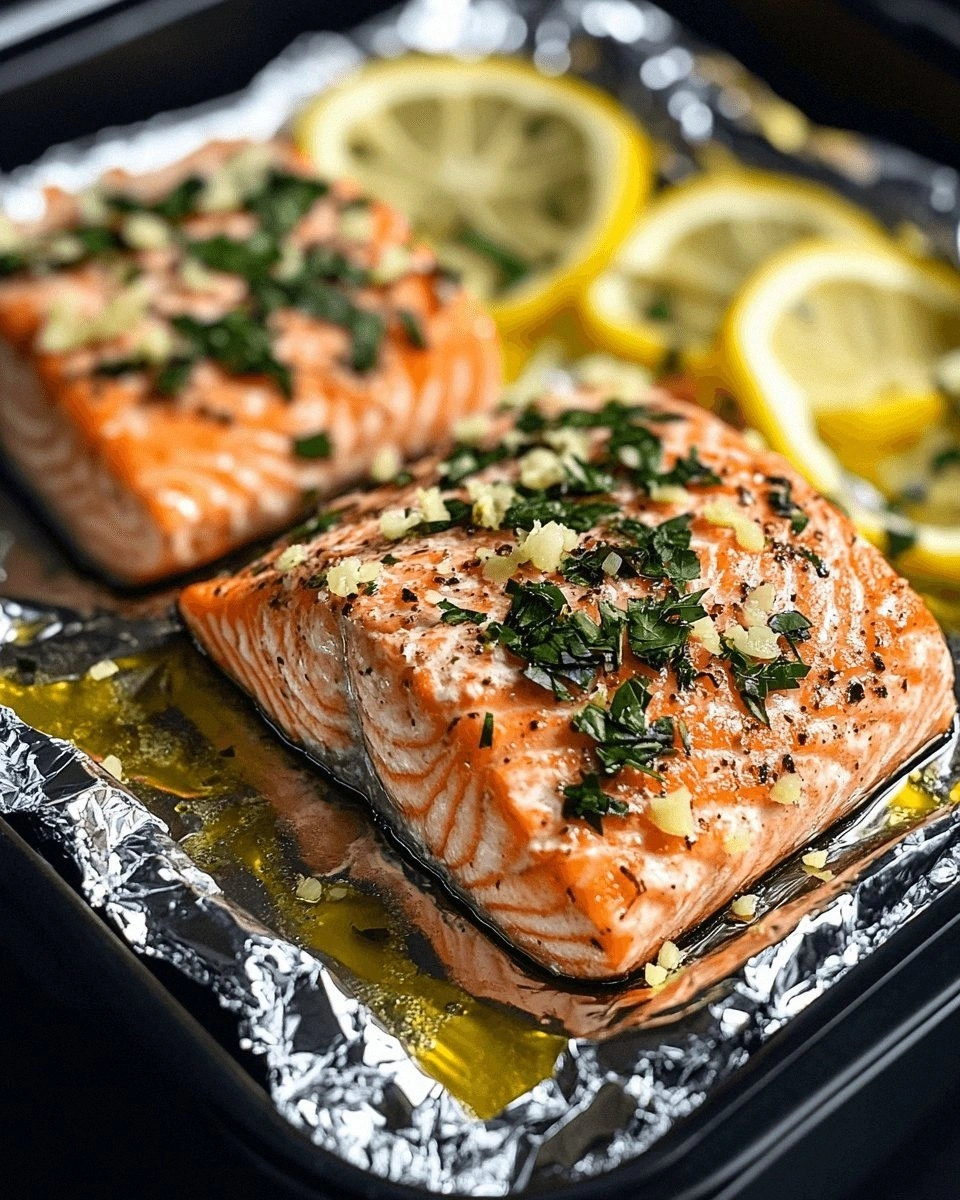
Fast forward through three grocery runs, two near-kitchen-fires, and one very dramatic taste-test where my neighbor actually applauded from her balcony, and I emerged victorious with this foil-wrapped marvel. The secret isn't some fancy gadget or mystical ingredient — it's a method so simple you'll want to high-five yourself mid-cook. We're talking skin so shatteringly crisp it sounds like autumn leaves underfoot, flesh so buttery it practically spoons itself onto your plate, and a lemon-garlic situation that'll make your taste buds do backflips. Picture yourself pulling this beauty out of the air fryer, the foil packet hissing open to reveal glistening, perfectly cooked salmon while the aroma of garlic and citrus wraps around your kitchen like a cozy sweater.
Here's the kicker: while every other recipe tells you to toss salmon naked into the air fryer basket and pray to the culinary gods, we're using foil as our secret weapon. Not to steam — oh no — but to create a micro-oven environment that crisps the bottom while keeping the top gloriously moist, then we rip it open for the final blast of heat that transforms the skin into edible gold leaf. I dare you to taste this and not go back for seconds. Actually, I double-dog dare you, because I ate half the batch before my husband even knew dinner was ready, and I'm not sorry.
Let me walk you through every single step — by the end, you'll wonder how you ever made it any other way.
What Makes This Version Stand Out
Crunch Factor: The foil trick creates a heat pocket that renders the skin from below while the final uncovered blast makes it shatter like thin ice on a winter pond. Most recipes leave you with either leathery skin or no skin at all, but this method delivers the kind of crispy edges that make restaurant diners pay twenty-five bucks a plate.
Speed Demon: From fridge to fork in under fifteen minutes flat. While your oven is still preheating, your salmon is already resting on the plate, perfectly cooked and ready to rock. This is weeknight dinner gold for anyone who's ever stared into the fridge abyss at 7 p.m. wondering how to adult properly.
Foolproof Flavor: The spice blend hits every note — garlic powder for depth, paprika for subtle smokiness, salt to amplify natural salmon sweetness, and pepper for that gentle back-of-throat warmth. It's balanced like a tightrope walker on espresso, and it works every single time.
One-Packet Wonder: Everything cooks in a single foil pouch, which means zero cleanup and maximum flavor concentration. The juices mingle and marry, creating an accidental sauce that's pure magic when drizzled over rice or potatoes.
Ingredient Integrity: We're not masking the salmon here — we're elevating it. Each fillet emerges tasting more like itself, only better, like salmon with a graduate degree and a confidence boost.
Crowd Psychology: Serve this at a dinner party and watch how fast conversation stops. People will literally pause mid-sentence when they bite through that crispy skin into the tender flesh below. I've seen it happen three times now, and it never gets old.
Make-Ahead Magic: Season the fillets in the morning, park them in the fridge, and you've got dinner that cooks faster than ordering takeout. The flavors actually improve with a few hours of hang-time, making this the ultimate meal-prep flex.
Alright, let's break down exactly what goes into this masterpiece...
Inside the Ingredient List
The Flavor Base
Olive oil isn't just a cooking fat here — it's the flavor highway that carries every other ingredient directly into the salmon's cells. Use the good stuff, the bottle you save for salads and bragging rights, because when you only have seven ingredients, each one needs to pull its weight like a small-town parade. The oil creates a barrier between the fish and the foil, preventing any tragic sticking situations while helping those spices bloom and release their aromatic oils. If you're tempted to substitute with vegetable oil, I'm not saying the food police will arrest you, but your taste buds might file a formal complaint.
Garlic powder is our umami bomb, delivering that savory depth that makes people close their eyes involuntarily when they take a bite. Fresh garlic would burn in the air fryer's intense heat, but the powdered version disperses evenly and toasts to perfection. Think of it as garlic's sophisticated older sibling who studied abroad and came back with complex flavors and stories about small European cafes.
The Texture Crew
Paprika does double duty, adding both color and a subtle sweetness that balances the fish's natural richness. Hungarian sweet paprika will give you the best results — it's like the difference between supermarket tomatoes and the ones your neighbor grows in their backyard. The paprika creates a gorgeous reddish-golden crust that makes the salmon look like it just returned from a Mediterranean vacation, all sun-kissed and glowing with health.
Salt isn't just a seasoning here — it's a transformer. It draws moisture from the surface of the fish, helping create that crispy exterior while seasoning the flesh all the way through. Use kosher salt if you've got it; the larger crystals are easier to distribute evenly, and they dissolve at just the right speed. Table salt works in a pinch, but you'll want to use about half as much since the crystals are more compact.
The Unexpected Star
Black pepper adds the gentle heat that keeps the salmon from tasting flat, but timing matters. Fresh cracked pepper retains its volatile oils better than the pre-ground stuff that's been sitting in your cabinet since the last presidential administration. If you only have pre-ground pepper, I won't tell anyone, but your future self will thank you for investing in a pepper mill after tasting the difference.
The Final Flourish
Lemon isn't just a garnish — it's the bright pop that cuts through the richness like a spotlight on a dark stage. The zest contains essential oils that taste like lemon turned up to eleven, while the juice provides acid that makes every other flavor sing in harmony. Roll your lemon on the counter before cutting to maximize juice yield, and zest it before juicing because trying to zest a squeezed lemon is like trying to grate air.
Fresh parsley brings the herbal note that makes this dish taste like it was cooked by someone who knows what they're doing, even if you're still figuring out which end of the air fryer is up. Chop it just before serving so it stays perky and green, not sad and wilted like week-old lettuce. If parsley isn't your thing, fresh dill or chives work beautifully — this recipe is flexible like yoga instructor flexible.
Everything's prepped? Good. Let's get into the real action...
The Method — Step by Step
- Pat those fillets drier than your humor after three cups of coffee. I'm talking paper towel pressing, moisture-seeking, surgical-level drying here. Any residual water will steam instead of sear, leaving you with sad, rubbery skin instead of the crispy masterpiece we're after. Lay the fillets skin-side up on a cutting board and really go to town — press, flip, press again until the paper towel comes away almost dry. This step alone will elevate your salmon game from amateur hour to restaurant quality, and it takes exactly forty-five seconds per fillet.
- Mix your spice blend in a small bowl while the air fryer preheates to 400°F. Combine the garlic powder, paprika, salt, and pepper, then take a moment to appreciate how this humble powder mixture is about to become flavor confetti on your fish. The ratio matters here — too much paprika and you'll taste nothing but smoky, too little salt and the whole dish falls flat. Whisk it with a fork like you're conducting a tiny orchestra, breaking up any paprika clumps that look like mini red boulders in your spice desert.
- Drizzle olive oil over the salmon like you're painting a masterpiece, because essentially, you are. Use your hands to massage the oil into every nook and cranny, making sure no dry spots remain where the spices could burn. This is therapeutic — get in there, channel your inner spa therapist, and give that salmon the rubdown of its life. The fish should glisten like it just applied highlighter for a night out, evenly coated but not swimming in oil.
- Season aggressively with your spice blend, covering every surface like you're dusting for fingerprints at a crime scene. Don't be shy here — some spices will fall off during cooking, so what looks like too much now will be perfect later. Press the spices gently into the flesh so they stick, but don't grind them in like you're trying to tenderize the fish. The skin side gets the same treatment, creating a flavorful crust that'll make you wonder why you ever ate salmon any other way.
- Place each fillet skin-side down on its foil rectangle, positioning it slightly off-center so you have room to fold. The skin needs direct contact with the foil for maximum crisping power — think of the foil as a personal frying pan for each piece. If the fillet has a thinner tail end, tuck it under itself to create even thickness, preventing the dreaded over-cooked tip while the thick part is still raw.
- Fold the foil into packets by bringing the long sides together and rolling them down, then twisting the ends like you're wrapping up treasure — because honestly, you are. Leave about an inch of space above the salmon for air circulation, creating a tiny sauna that'll cook the fish evenly. The packets should look like silver burritos, sealed tight enough to trap steam but loose enough to allow some breathing room. This is the moment of truth — your salmon is now in its cocoon, about to emerge as a beautiful, crispy butterfly.
- Air fry the packets for 7 minutes at 400°F. This is when the magic happens — the trapped steam cooks the salmon through while the bottom skin crisps against the hot foil. Don't peek, don't shake the basket, don't even walk away in case your air fryer runs hot and you need to adjust timing. Your kitchen will start smelling like garlic and ocean breeze had a beautiful baby.
- Carefully open the packets — watch for steam — and fold back the foil to expose the top of the salmon. This is where we transform from steamed to supreme. The fish should be opaque about three-quarters of the way up the sides, with the center still looking slightly translucent. That's perfect — it'll finish cooking in the final crisping phase.
- Return the opened packets to the air fryer for 3-4 more minutes. This is when the top surface develops that gorgeous golden crust while the skin turns into salmon bacon. The edges will start pulling away slightly, and the surface should look lacquered and glossy. If you listen closely, you'll hear a gentle sizzling — that's the sound of success, my friend.
- Rest the salmon for exactly 2 minutes before serving. I know you're hungry, I know it smells incredible, but these 120 seconds allow the juices to redistribute so every bite is as moist as the first. Squeeze fresh lemon over the top, sprinkle with parsley, and prepare for the applause. That sizzle when the juice hits the hot fish? Absolute perfection.
That's it — you did it. But hold on, I've got a few more tricks that'll take this to another level...
Insider Tricks for Flawless Results
The Temperature Rule Nobody Follows
Your air fryer lies to you — not maliciously, but it doesn't actually know how hot it is inside that metal box of hopes and dreams. Buy an inexpensive oven thermometer and place it inside while preheating. When the display says 400°F but the thermometer reads 375°F, you'll know why your salmon timing has been off. Adjust accordingly by adding 30-60 seconds to the cook time, or bump up the temperature setting by 25 degrees. This one discovery fixed every timing issue I'd been having for months, and now my salmon comes out like clockwork.
Why Your Nose Knows Best
Forget timers — your nose is the most sophisticated cooking tool you own. When the garlic in the spice blend starts to smell toasted rather than raw, you're about 60 seconds away from perfect doneness. Raw garlic smells sharp and aggressive, but toasted garlic smells warm and nutty, like someone's baking bread in a cabin. A friend tried skipping this sensory checkpoint once — let's just say it didn't end well, and her smoke detector now has trust issues.
The 5-Minute Rest That Changes Everything
I know I mentioned resting already, but this deserves its own moment in the spotlight. After cooking, transfer the salmon to a warm plate and tent loosely with foil — not the same foil you cooked in, that's greasy and tired. Let it rest away from direct heat for 5 minutes instead of 2, and watch the texture transform from good to legendary. The proteins relax, the juices settle, and what you get is salmon so tender it practically flakes at the suggestion of a fork. This is the difference between home cook and home cook who gets asked for the recipe.
The Skin Test for Doneness
Here's a pro move: gently lift the edge of the skin with a fork. If it peels away from the flesh in one satisfying sheet, you've achieved crispy nirvana. If it sticks and tears, it needs another minute or two. The skin should sound like you're breaking thin ice when you tap it with a fingernail — that's the audio cue for perfect texture. When you get this right, you'll understand why crispy salmon skin is basically seafood bacon.
The Lemon Timing Secret
Add half the lemon juice immediately after cooking and save the rest for the table. The first application penetrates the hot fish, seasoning it from within as the acid travels through the flesh. The second hit provides that bright, fresh pop that makes your palate sit up and pay attention. It's like lemon in stereo instead of mono — same ingredient, totally different experience. I'll be honest — I ate half the batch before anyone else got to try it, and I blame this dual-lemon technique for making it impossible to stop.
Creative Twists and Variations
This recipe is a playground. Here are some of my favorite ways to switch things up:
The Mediterranean Vacation
Swap the paprika for a teaspoon of za'atar and add a pinch of sumac to the spice blend. Replace the lemon with lime and add a handful of cherry tomatoes to the foil packet before cooking. The tomatoes burst and create their own sauce, while the za'atar brings herbaceous notes that transport you straight to a Greek island. Serve over couscous with a dollop of yogurt mixed with cucumber and mint.
The Asian Fusion Adventure
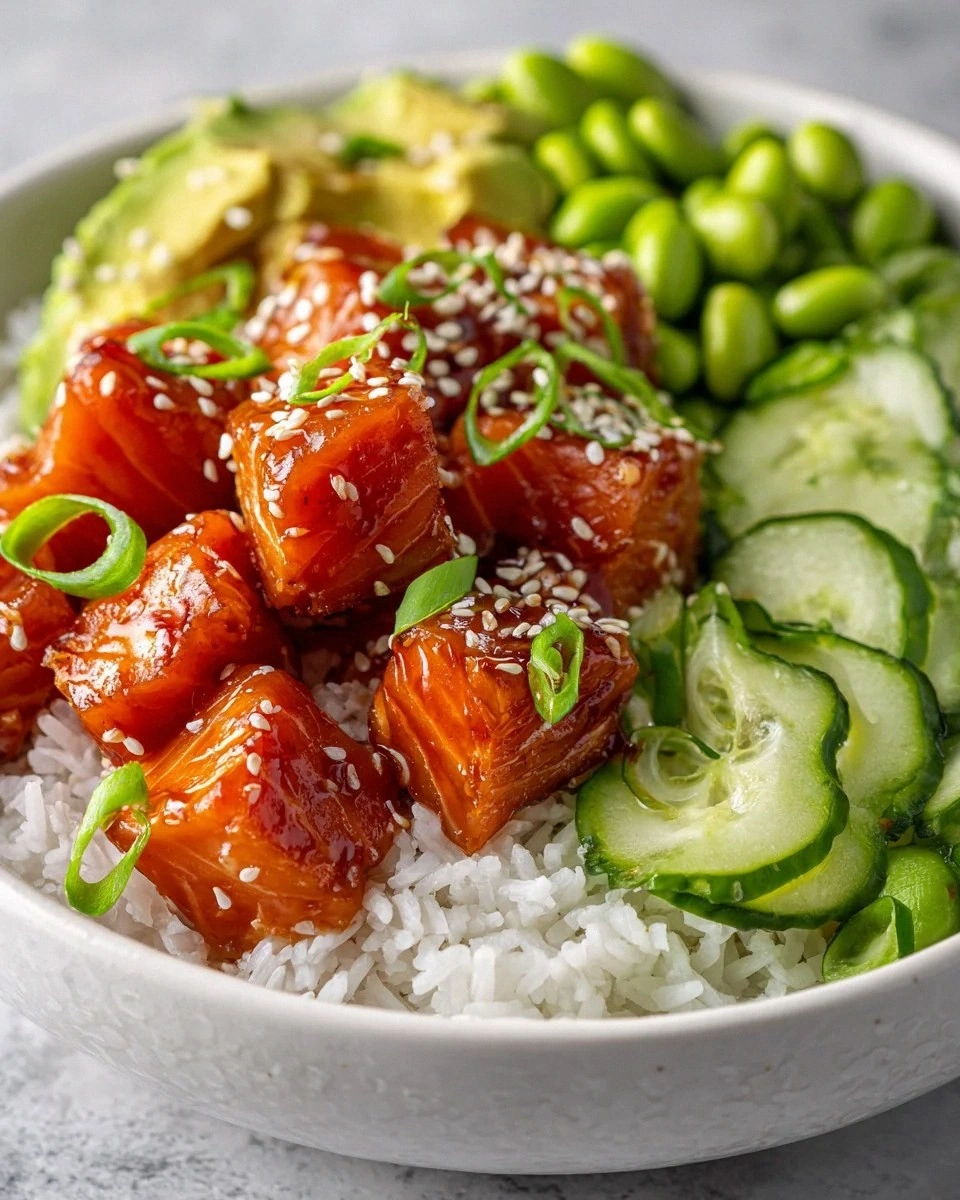
Replace the garlic powder with ginger powder and add a teaspoon of sesame seeds to the spice mix. Swap olive oil for sesame oil — just use half the amount since it's more potent. After cooking, drizzle with a mixture of soy sauce and honey, then sprinkle with sliced green onions and toasted sesame seeds. The result tastes like salmon candy, in the best possible way.
The Spicy Rebel
Add half a teaspoon of smoked paprika and a quarter teaspoon of cayenne to the original blend. Keep everything else the same, but serve with a cooling cucumber salad to balance the heat. This version has just enough kick to make your lips tingle without overwhelming the salmon's natural sweetness. My spice-loving friends demolish this version and then reach for water while grinning like maniacs.
The Herb Garden Special
Keep the original spice blend but add a tablespoon of mixed fresh herbs — thyme, rosemary, and oregano — chopped fine and pressed into the flesh. The herbs toast against the hot foil and infuse the salmon with garden-fresh flavor. Use lemon zest instead of juice for a more subtle citrus note that doesn't compete with the herbs. This version tastes like summer on a plate, even in the dead of winter.
The Everything Bagel Salmon
Replace the salt with everything bagel seasoning — yes, the whole mix with garlic, onion, sesame, and poppy seeds. The seeds toast beautifully in the air fryer, creating tiny crunchy explosions in every bite. Serve with cream cheese mixed with chives and capers for a brunch dish that makes lox look basic. This is hands down the best version you'll ever make at home if you're into that bagel-shop vibe.
The Sweet Heat Phenomenon
Add a teaspoon of brown sugar to the spice blend along with a pinch of chipotle powder. The sugar caramelizes and creates a glossy, slightly sweet crust that contrasts beautifully with the smoky heat. The key is using just enough sugar to enhance, not overwhelm — you want savory with a hint of sweet, not dessert salmon. Serve with grilled pineapple for a tropical twist that'll make you feel like you're on vacation.
Storing and Bringing It Back to Life
Fridge Storage
Let the salmon cool completely before storing — about 30 minutes on the counter won't hurt anything and prevents condensation from making the skin soggy. Store in an airtight container with a paper towel underneath to absorb excess moisture. The salmon will keep for up to 3 days, though the skin will lose its crunch after the first day. If you've ever struggled with storing crispy fish, you're not alone — and I've got the fix: store the skin separately if you want to try reviving it later.
Freezer Friendly
Cooked salmon freezes beautifully for up to 2 months. Wrap each fillet tightly in plastic wrap, then in foil, and label with the date. Thaw overnight in the fridge, not on the counter — we're not trying to grow bacteria here. The texture will be slightly different after freezing, but the flavor remains excellent. Pro tip: freeze individual portions so you can grab exactly what you need for salads or pasta.
Best Reheating Method
Forget the microwave — it'll turn your beautiful salmon into cat food. Instead, place the fillet skin-side up on a foil-lined baking sheet and heat in a 275°F oven for 10-12 minutes. Add a tiny splash of water before reheating — it steams back to perfection and helps re-crisp the skin. For emergency situations, the air fryer works too: 3 minutes at 350°F does the trick. And now the fun part — flake leftover salmon over salads, stir into pasta, or make salmon cakes that'll make you glad you cooked extra.