Picture this: I’m standing in a kitchen that smells like burnt toast, a pot of over‑simmered tomato sauce, and the faint whiff of a forgotten spice. I had just tried to recreate the creamy pumpkin alfredo my friend bragged about, only to end up with a soupy, bland mess that tasted like the inside of a plastic bag. The moment the disaster hit, I made a solemn promise to myself: I would never let that happen again. That promise is the spark behind the version of Creamy Pumpkin Alfredo Pasta you’re about to discover.
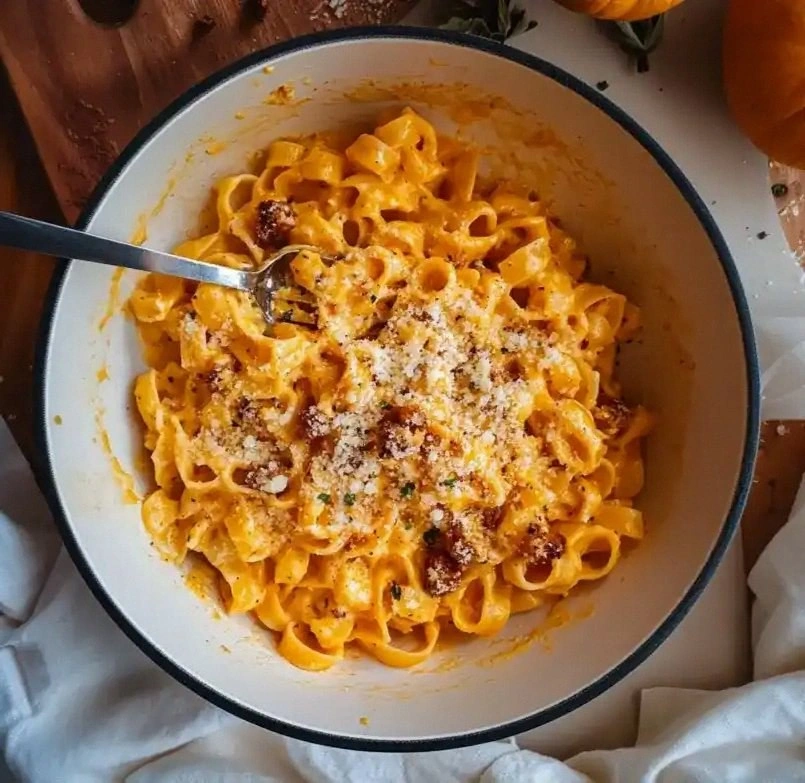
From the very first glance, the sauce glistens like a buttery, golden lake. The aroma that rises as it simmers is a sweet, earthy perfume that instantly signals comfort and indulgence. When I taste it, the pumpkin’s natural sweetness is balanced by a velvety, savory richness that coats the pasta like velvet. The texture feels both silky and slightly thick, with a gentle bite from the sage and nutmeg that keeps the dish from feeling too heavy. I can almost hear the satisfying “sizzle” of garlic in butter, the gentle hiss of cream, and the subtle crackle of a pan warming to the right temperature.
What makes this version stand out is that it eliminates the usual pitfalls—over‑creamy sauce, burnt garlic, or a sauce that clings only to the bottom of the pan. I’ve distilled the recipe to its purest form, using high‑quality pumpkin puree that’s been simmered down to a silky consistency, and a carefully measured blend of herbs that bring depth without overpowering. The result is a dish that is both comforting and sophisticated, and it’s the kind of pasta that makes you want to keep a second plate ready. I dare you to taste this and not go back for seconds.
There’s a little secret that most people overlook: the exact ratio of cream to pumpkin puree. It’s a delicate balance that, if tipped too far toward cream, turns the sauce into a greasy puddle. If you lean too heavily on pumpkin, the dish can taste like a dessert. I’ve cracked that sweet spot, and it’s what gives this sauce its signature, luscious mouthfeel. The final flourish—just a whisper of nutmeg and a sprinkle of fresh sage—adds a warm, aromatic finish that feels like a hug on a chilly evening.
Let me walk you through every single step—by the end, you’ll wonder how you ever made it any other way. If you’ve ever struggled with a sauce that refuses to coat the pasta evenly, you’re not alone, and I’ve got the fix. And now, let’s dive into the details that will elevate your cooking game to new heights.
What Makes This Version Stand Out
- Flavor Depth: The pumpkin puree provides a natural sweetness that is enhanced by a whisper of nutmeg, creating a complex flavor profile that lingers on the palate. The sage adds an earthy aroma that grounds the dish, preventing it from feeling too sweet.
- Texture Perfection: The sauce coats each strand of fettuccine like a silky blanket, thanks to the precise balance of cream and pumpkin. It remains silky without becoming overly thick or watery.
- Ingredient Quality: Using fresh, unsalted butter and a generous amount of freshly grated Parmesan ensures that the sauce has a rich, buttery base that elevates every bite.
- Time Efficiency: The entire process takes less than 45 minutes from start to finish, making it an ideal weeknight dinner that feels indulgent.
- Versatility: The recipe can be easily adapted with optional additions like Pecorino Romano or a splash of white wine, allowing you to customize the flavor to your taste.
- Make‑Ahead Potential: The sauce can be prepared ahead of time and refrigerated, making it perfect for dinner parties or busy evenings.
Inside the Ingredient List
The Flavor Base
At the heart of this dish is pumpkin puree, which gives the sauce its signature color and subtle sweetness. The puree is made from fresh pumpkin that has been simmered until it’s silky, avoiding the chunky texture that can break the sauce’s harmony. If you skip pumpkin, the sauce loses its body and becomes a plain alfredo that feels flat. For those who prefer a slightly sweeter note, you can add a pinch of brown sugar, but the natural sugars in pumpkin usually suffice.
Heavy cream is the second pillar, providing a luxurious mouthfeel and a subtle richness that balances the pumpkin’s earthiness. It’s crucial to use full‑fat cream to maintain a creamy consistency; low‑fat alternatives tend to curdle when heated. If you’re looking to cut calories, you can replace half the cream with whole milk, but be aware that the sauce will be less silky.
Unsalted butter is used to sauté the garlic, creating a fragrant base that infuses the entire sauce. Butter adds a deep, caramelized flavor that can’t be replicated with oil alone. A small amount of butter is enough; using too much can make the sauce greasy. The butter also helps to emulsify the cream and pumpkin, creating a smooth, cohesive sauce.
Fresh sage and a pinch of ground nutmeg are the aromatic finish. Sage brings a slightly peppery, pine‑like flavor that pairs beautifully with pumpkin, while nutmeg adds a warm, nutty undertone that elevates the dish. These herbs are optional but highly recommended; they provide depth without overwhelming the delicate flavors.
The Texture Crew
Fettuccine is the pasta of choice because its flat, wide strands hold the sauce beautifully, creating a luxurious bite. The pasta’s surface area allows the sauce to cling, preventing it from sliding off during the first few spoonfuls. If you prefer a different shape, linguine or tagliatelle will work just as well.
Grated Parmesan cheese is essential for adding a salty, umami kick that balances the cream’s richness. It also contributes to the sauce’s thickness, giving it that velvety feel. The cheese should be freshly grated; pre‑grated cheese often contains anti‑caking agents that can affect texture.
Garlic cloves add a subtle, savory layer that complements the pumpkin’s sweetness. They’re sautéed in butter until golden, releasing their aroma and creating a fragrant base. If you’re sensitive to garlic, you can reduce the number of cloves, but the overall flavor profile will shift slightly.
The Unexpected Star
Reserved pasta water is a game‑changer. A splash of the starchy water helps to bind the sauce, allowing it to cling to the pasta without becoming too thick. It also adds a touch of silkiness that enhances mouthfeel. If you forget to reserve pasta water, the sauce may appear dry or clumpy; a quick splash of broth can rescue it.
The Final Flourish
Optional Pecorino Romano adds a sharp, salty finish that can elevate the dish to a gourmet level. It’s not necessary, but it’s a delightful twist for those who crave a more complex flavor. The cheese should be grated finely so it melts smoothly into the sauce.
Everything’s prepped? Good. Let’s get into the real action.
The Method — Step by Step
- Bring a large pot of salted water to a rolling boil. Toss in the fettuccine and cook for 8–10 minutes, or until al dente. Reserve a cup of pasta water before draining. This step is crucial: the starch in the water will help bind the sauce later. While the pasta cooks, I always set the timer so I can multitask without rushing.
- While the pasta is cooking, melt the butter in a large skillet over medium heat. Add the minced garlic and sauté until fragrant and golden, about 1–2 minutes. Watch the garlic closely; a brown spot means it’s burnt and will taste bitter. This is the moment of truth—if the garlic turns brown, you’ll know you’ve missed the timing.
- Add the pumpkin puree to the skillet, stirring to combine with the butter and garlic. Let it simmer for 3–4 minutes, allowing the flavors to meld. The sauce should start to thicken slightly, emitting a warm, earthy aroma. If it feels too thick, add a splash of reserved pasta water to loosen it.
- Pour in the heavy cream and stir until the mixture is smooth. Reduce the heat to low and let it bubble gently for 5 minutes. This step is essential for developing the sauce’s silky texture; high heat can cause the cream to curdle.
- Add the grated Parmesan cheese, fresh sage, and ground nutmeg to the skillet. Stir until the cheese melts and the sauce becomes glossy. The nutmeg should release its warm, nutty fragrance, signaling that the sauce is ready. I love this moment because the aroma is intoxicating.
- Season the sauce with salt and freshly ground black pepper to taste. The pepper should add a subtle bite without overpowering the creamy base. Taste the sauce; if it feels too thin, add a tablespoon of reserved pasta water to thicken.
- Add the drained pasta to the skillet and toss vigorously to coat each strand. If the sauce feels too thick, drizzle in a little more reserved pasta water until the desired consistency is achieved. The pasta should be slick with sauce, not clumped together.
- Serve immediately, topping with optional Pecorino Romano if desired. A sprinkle of fresh sage or a drizzle of truffle oil can elevate the dish further. The sauce should cling to the pasta, offering a luxurious bite that melts in your mouth.
- If you’re plating for a crowd, keep the pasta warm in a low‑heat oven (around 200°F) until all guests are ready. The sauce will stay silky and the pasta will remain tender. This final step ensures everyone enjoys the dish at its best.
That’s it—you did it! But hold on, I’ve got a few more tricks that will take this dish from great to unforgettable. If you’re looking to elevate the sauce even further, keep reading for insider tips that will transform your cooking.
Insider Tricks for Flawless Results
The Temperature Rule Nobody Follows
Many cooks keep the sauce at a high simmer, but the secret to silky texture lies in low, steady heat. I always set the skillet to medium‑low once the cream is added, allowing the sauce to thicken without scorching. This gentle approach preserves the subtle flavors of sage and nutmeg, preventing them from becoming bitter. A friend once tried this at high heat and ended up with a burnt sauce—an experience I’ll never forget.
Why Your Nose Knows Best
The aroma of the sauce is a reliable indicator of its readiness. When the pumpkin and cream combine, the smell should become rich, slightly sweet, and aromatic. If the scent leans too buttery or metallic, it’s a sign the sauce is over‑cooked or has separated. Trust your nose; it’s a seasoned judge of flavor.
The 5-Minute Rest That Changes Everything
After tossing the pasta, let the dish rest for 5 minutes before serving. This pause allows the pasta to absorb the sauce fully, creating a harmonious blend of flavors. It also gives the cheese a chance to melt completely, ensuring every bite is uniformly creamy. I’ve found that a short rest elevates the dish’s overall quality.
Use Fresh Parmesan for Depth
Freshly grated Parmesan melts more smoothly than pre‑grated cheese. The fine texture ensures the cheese integrates seamlessly into the sauce, enhancing its richness. If you’re on a budget, you can use a blend of Parmesan and a small amount of aged cheddar for a unique twist.
Reserve Pasta Water, Don’t Throw It Away
That starchy water is a secret weapon for achieving a glossy sauce. Even a tablespoon can prevent the sauce from clumping. If you’re cooking for a large group, keep a small ladle of pasta water on the side to adjust consistency on the fly.
Finish with a Splash of White Wine (Optional)
A splash of dry white wine added right before the final toss adds a subtle acidity that cuts through the richness. The wine evaporates quickly, leaving behind a bright, layered flavor profile. This step is optional but highly recommended for those who enjoy a more complex sauce.
Creative Twists and Variations
This recipe is a playground. Here are some of my favorite ways to switch things up:
Smoky Chipotle Pumpkin Alfredo
Swap fresh sage for smoked paprika and add a pinch of chipotle powder. The smoky undertone pairs beautifully with the pumpkin’s sweetness, creating a bold, adventurous flavor. This version is perfect for those who love a bit of heat.
Herb‑Infused Ricotta Blend
Replace half the Parmesan with ricotta cheese and stir in chopped fresh basil. The ricotta adds a creamy, tangy element that lightens the sauce, while basil introduces a fresh, aromatic note. This variation works well for a lighter dinner.
Seafood Surprise
Add sautéed shrimp or scallops to the sauce after the pasta is tossed. The seafood’s delicate flavor complements the pumpkin, while the sauce’s richness holds everything together. This twist turns the dish into a hearty, elegant entrée.
Vegan Pumpkin Alfredo
Use coconut milk instead of heavy cream and nutritional yeast in place of Parmesan. The coconut milk gives a subtle tropical flavor that balances the pumpkin’s earthiness. Nutritional yeast adds a cheesy, umami depth without dairy.
Nutty Crunch Topping
Top the finished dish with toasted pine nuts or slivered almonds for a delightful crunch. The nuts add a buttery, nutty flavor that pairs beautifully with the creamy sauce. This small addition elevates the dish’s texture profile.
Spicy Cajun Kick
Stir in a teaspoon of Cajun seasoning and a dash of cayenne pepper. The spice blend adds a zesty punch that contrasts the sweet pumpkin. This version is ideal for those who love bold, spicy flavors.
Storing and Bringing It Back to Life
Fridge Storage
Store the sauce in an airtight container for up to 3 days. When reheating, add a splash of milk or water to loosen the sauce. Stir gently over low heat until heated through. The sauce remains silky and flavorful when stored properly.
Freezer Friendly
Freeze the sauce in a freezer‑safe container for up to 2 months. Thaw overnight in the refrigerator before reheating. Add a tablespoon of water or milk to restore the sauce’s original consistency. The pumpkin’s flavor stays intact, and the texture remains smooth.
Best Reheating Method
Reheat the sauce on the stovetop over low heat, stirring occasionally. Avoid high heat, which can cause the sauce to separate. If the sauce has thickened during storage, whisk in a small amount of reserved pasta water or milk until you reach the desired consistency. The result is a sauce that tastes almost brand‑new.