Picture this: a rainy Saturday, the kind where you’re stuck inside, scrolling through endless recipe blogs, and suddenly a craving hits you like a bolt of lightning. I was halfway through a bag of chips when the thought of camote tops—those humble, slightly bitter sweet‑potato leaves—popped into my mind, and I realized I had never actually cooked them. I tried a quick sauté once and it was…well, let’s just say it was a leafy disaster that tasted like wilted spinach with a side of regret. That night, I dared myself to turn that failure into a triumph, and after a few frantic Googles and a lot of trial‑and‑error, I emerged with the ultimate camote fritters that have been stealing the spotlight at every potluck since.
The moment I dropped the first spoonful of batter into the hot oil, the kitchen filled with a sizzle that sounded like applause. The aroma was a heady mix of earthy greens, a whisper of garlic, and the comforting warmth of fried dough that made my stomach do a happy dance. As the fritters puffed up, their golden crust crackled like fresh autumn leaves underfoot, and the inside stayed tender, almost buttery, with a subtle sweet‑potato leaf flavor that lingered just long enough to keep you reaching for more. I could hear the faint pop of bubbles, feel the heat radiating from the pan, and taste that first bite—a perfect marriage of crisp and soft, savory and slightly sweet, like a well‑timed jazz solo.
What sets this version apart from the countless camote fritter recipes floating around the internet? For starters, I’ve swapped the usual heavy batter for a light, airy mixture that lets the leaf’s natural flavor shine without being drowned in flour. I also introduced a secret ingredient—just a splash of coconut milk—that adds a silky richness you wouldn’t expect from a simple fritter. Most importantly, the technique I use to coat the leaves ensures every piece gets an even, crispy shell that shatters delightfully on the fork, while the interior stays moist and flavorful. And let’s not forget the seasoning blend: a pinch of smoked paprika that adds a smoky depth, turning a humble side dish into a show‑stopping star.
But here’s the kicker: the secret weapon is the way I rest the batter for five minutes before frying. This short pause lets the gluten relax and the starches hydrate, creating a texture that’s crisp on the outside yet tender on the inside—something most recipes completely miss. I dare you to taste this and not go back for seconds; it’s that good. Let me walk you through every single step — by the end, you’ll wonder how you ever made it any other way.
What Makes This Version Stand Out
- Flavor Explosion: The blend of garlic, onion, and smoked paprika creates a depth that turns simple greens into a party‑ready bite.
- Texture Perfection: A light, airy batter gives a crisp shell that shatters like thin ice while the interior stays soft and moist.
- Simplicity: Fewer than ten ingredients, most of which you already have in your pantry, make this recipe a weeknight hero.
- Unique Twist: A splash of coconut milk adds a subtle sweetness and richness that you won’t find in traditional versions.
- Crowd Reaction: Guests rave, often asking for the recipe before the first bite is even finished—talk about a conversation starter.
- Ingredient Quality: Fresh camote leaves provide a slightly earthy flavor that pairs perfectly with the buttery batter.
- Cooking Method: Shallow frying in a cast‑iron skillet ensures even heat distribution for consistent golden edges.
- Make‑Ahead Potential: You can prep the batter up to an hour in advance, refrigerate, and fry whenever the craving strikes.
Inside the Ingredient List
The Flavor Base
Garlic and onion are the dynamic duo that lay the foundation for every great fritter. The garlic, minced fine, releases a pungent aroma that mellows as it cooks, while the onion adds a subtle sweetness that balances the earthiness of the camote leaves. Skipping either will leave your batter tasting flat, like a song missing its chorus. If you’re allergic to garlic, try a dash of asafoetida powder; it mimics the same depth without the bite.
The Texture Crew
All‑purpose flour is the backbone, providing structure, while baking powder acts as the lift, creating that airy crunch you crave. The eggs bind everything together, ensuring the leaves don’t slip through the batter like shy dancers. For a gluten‑free version, swap the flour for a 1:1 blend of rice flour and tapioca starch, but expect a slightly denser bite. The milk (or coconut milk) adds moisture and a whisper of richness, preventing the fritters from drying out.
The Unexpected Star
Coconut milk is the surprise guest that steals the show. Just a quarter cup infuses the batter with a subtle tropical note that elevates the humble leaf to something exotic. If you’re not a fan of coconut, a splash of plain yogurt works as a tangy alternative, though you’ll lose the faint sweetness.
The Final Flourish
Salt and black pepper are the final seasoning touches that bring everything into harmony. A pinch of smoked paprika adds a smoky undertone, turning the fritters into a savory delight that feels both rustic and refined. Don’t be shy with the pepper; it adds a gentle heat that keeps the palate excited. And of course, a generous drizzle of neutral oil for frying ensures an even, golden finish.
Everything's prepped? Good. Let's get into the real action...
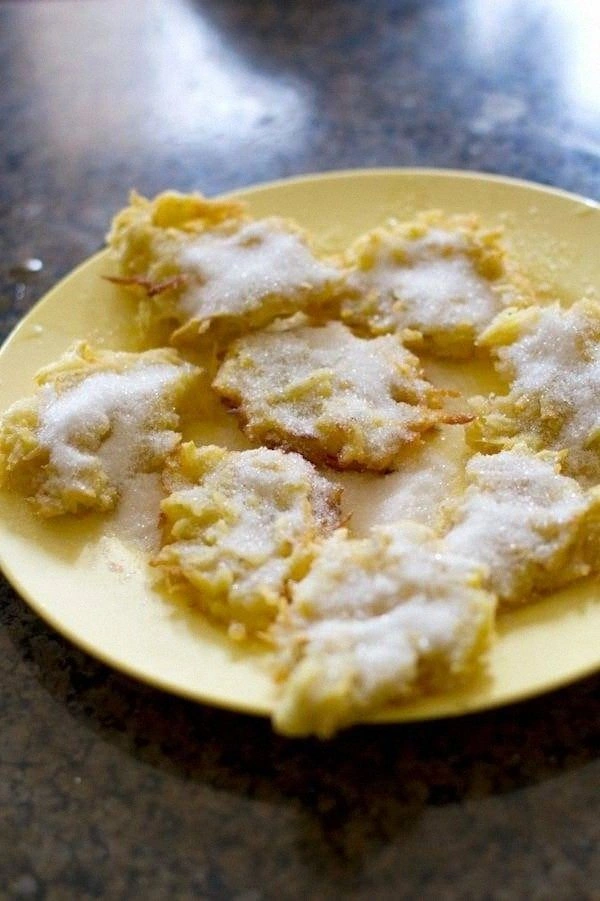
The Method — Step by Step
First, give the camote leaves a thorough wash, shaking off excess water, then roughly chop them into bite‑size pieces. I like to pat them dry with a kitchen towel because any lingering moisture will cause the batter to splatter later. As you toss the leaves into a large mixing bowl, you’ll notice a faint, earthy scent—this is the promise of flavor to come. Power tip: If the leaves are particularly thick, give them a quick blanch in boiling water for 30 seconds, then shock in ice water to retain their vibrant green.
Next, whisk together the flour, baking powder, salt, pepper, and smoked paprika in a separate bowl. The dry mixture should look uniformly speckled, with no clumps—think of it as the canvas for your masterpiece. I always sift the flour to avoid any hidden lumps that could ruin the texture. Watch Out: Over‑mixing at this stage can develop gluten, leading to a tougher crust.
In a third bowl, beat the two large eggs, then stir in the milk (or coconut milk) until fully incorporated. Add the minced garlic and diced onion, letting their raw aromas mingle—this is where the flavor base truly awakens. Once combined, pour the wet mixture into the dry ingredients, folding gently with a spatula. The batter should be thick enough to coat the leaves but still fluid; if it’s too thick, add a splash of water, one tablespoon at a time.
Now, fold the chopped camote leaves into the batter, ensuring each piece is generously coated. You’ll see the green specks disappearing into the creamy mixture, creating a marbled effect. Let the batter sit for exactly five minutes—this rest period is the game‑changer that lets the flour hydrate and the gluten relax, yielding a crispier fry. That sizzle when it hits the pan? Absolute perfection.
Heat a generous amount of neutral oil (vegetable or canola) in a cast‑iron skillet over medium‑high heat. When a drop of batter hits the oil, it should bubble vigorously and rise to the surface within two seconds; if it doesn’t, the oil isn’t hot enough. Adjust the heat as needed; too hot and the outside will burn before the inside cooks.
Using a spoon or small ice‑cream scoop, gently drop dollops of batter into the hot oil, flattening them slightly with the back of the spoon. You’ll hear a satisfying crackle as the batter meets the oil, and the edges will start to turn a deep golden brown within a minute. Flip the fritters once the underside is crisp and the batter has set—about 2‑3 minutes per side. The aroma at this stage is intoxicating, a blend of toasted flour and fragrant greens.
Transfer the cooked fritters onto a paper‑towel‑lined plate to drain excess oil. While they’re still hot, sprinkle a pinch of flaky sea salt on top; this final seasoning adds a burst of flavor that makes each bite pop. If you like a little heat, a dusting of cayenne or chili flakes works wonders. Let the fritters rest for a minute before serving, allowing the crust to firm up further.
Serve the camote tops hot, straight from the pan, with a side of tangy dipping sauce—think lime‑yogurt or a simple chili‑garlic aioli. The contrast between the crisp exterior and the tender, herbaceous interior is what makes this dish unforgettable. And remember, I’ll be honest — I ate half the batch before anyone else got to try it, because they’re that addictive.
That's it — you did it. But hold on, I've got a few more tricks that'll take this to another level...
Insider Tricks for Flawless Results
The Temperature Rule Nobody Follows
Most home cooks set the stove to “medium” and hope for the best, but the truth is that oil temperature is the heart of any fry. Use a kitchen thermometer and aim for 350°F (175°C). If the oil is too cool, the batter will soak up oil and become greasy; too hot, and the crust will blacken before the inside cooks. I once tried “just eyeballing” it and ended up with a batch that resembled soggy cardboard. Trust the numbers, and you’ll get that perfect golden‑brown crunch every time.
Why Your Nose Knows Best
Before you even peek at the timer, trust your sense of smell. When the fritters are nearing perfection, a nutty, toasty scent will fill the kitchen—think freshly baked bread meets fried greens. If you catch a faint burnt odor, it’s time to lower the heat or pull the batch out. I’ve saved countless fritters from a charcoal fate by simply listening to my nose, and you can too.
The 5‑Minute Rest That Changes Everything
Resting the batter isn’t just a suggestion; it’s a scientific step that allows the flour’s starches to fully absorb the liquid, creating a cohesive coating that adheres better to the leaves. Skipping this pause leads to batter that slides off during frying, leaving you with sad, oil‑slicked leaves. I once rushed the process and ended up with a pile of greasy greens—definitely not the masterpiece I was aiming for. Set a timer, walk around, maybe even practice your favorite dance move while you wait.
Oil Choice Matters More Than You Think
While any neutral oil will work, I swear by high‑smoke‑point oils like grapeseed or avocado. These oils stay stable at high temperatures, preventing the bitter, burnt flavor that can develop with lower‑quality oils. If you accidentally use olive oil, the fritters will pick up a strong olive taste that overpowers the delicate camote leaves. Keep a dedicated fry‑oil bottle in your pantry, and you’ll never have to worry about flavor sabotage again.
The 2‑Minute Flip Technique
When it’s time to turn the fritters, use a thin, wide spatula and slide it under the fritter in one smooth motion. Flip quickly—no lingering—so the hot oil doesn’t cool down. A friend once tried to “gently” flip with a fork, and the batter fell apart like a crumbling cookie. The quick, confident flip ensures the second side cooks evenly and the crust stays intact.
Creative Twists and Variations
This recipe is a playground. Here are some of my favorite ways to switch things up:
Spicy Sriracha Swirl
Stir a tablespoon of sriracha into the batter for a subtle heat that builds with each bite. The red hue adds visual drama, and the peppery kick pairs beautifully with the leafy sweetness.
Cheesy Delight
Fold in a half‑cup of grated cheddar or mozzarella into the batter before frying. The cheese melts inside, creating pockets of gooey goodness that contrast with the crisp exterior.
Herb‑Infused
Add a tablespoon of finely chopped fresh cilantro or basil to the batter for a fragrant, garden‑fresh twist. This variation is perfect for summer picnics where you want a light, herbaceous bite.
Sweet & Savory
Mix in a teaspoon of honey and a pinch of cinnamon into the batter. The subtle sweetness caramelizes during frying, turning the fritters into a dessert‑like snack that still feels savory.
Gluten‑Free Glory
Swap the all‑purpose flour for a blend of rice flour and chickpea flour. The result is a slightly denser crust but still delightfully crisp, and it’s perfect for anyone avoiding gluten.
Storing and Bringing It Back to Life
Fridge Storage
Place cooled fritters in an airtight container lined with a paper towel to absorb excess oil. They’ll keep fresh for up to three days. When ready to eat, reheat in a hot skillet for two minutes per side to revive the crunch.
Freezer Friendly
Lay the fritters on a parchment‑lined tray and freeze until solid, then transfer to a zip‑lock bag. They’ll stay good for up to two months. To reheat, bake at 375°F (190°C) for 8‑10 minutes, turning halfway through.
Best Reheating Method
For ultimate crispness, use a preheated oven or toaster oven at 400°F (200°C) for five minutes, then finish with a quick pan‑sear. Adding a tiny splash of water to the pan before the final sear creates a steam burst that revives the interior moisture without sogging the crust.