Picture this: the kitchen is a battlefield, the oven a silent judge, and you, armed with a bag of turkey wings, staring down at a recipe that feels like a dare. I was halfway through a Sunday roast when a stray wing slipped off the pan, landing on the floor with a splash that made my kitchen floor look like a tiny lake. I laughed, then cursed, and that moment became the spark that set me on a mission to turn that accidental mess into the ultimate baked turkey wings. I promised myself I would find the perfect balance of tenderness, flavor, and a crust that shatters like thin ice when you bite into it.
The first thing you notice is the aroma—smoky paprika mingling with the sweet kiss of honey, a hint of soy that gives it depth, and a faint citrus tang from lemon juice. When you touch the wings, they feel silky, the skin taut and ready to crack. The sound of the first bite is that satisfying crack, followed by the burst of juicy meat that practically slides off the bone. The taste is a layered symphony: the buttery crust, the sweet‑spicy glaze, and the herbaceous finish from thyme and rosemary. Every element works together like a well‑orchestrated choir, and the result is a dish that makes you want to shout, “I dare you to taste this and not go back for seconds.”
What makes this version stand out is not just the combination of flavors but the technique that locks in moisture while creating an irresistibly crisp exterior. The wings are marinated overnight in a mixture that includes olive oil, honey, soy sauce, and a blend of spices, which not only tenderizes but also infuses the meat with depth. The oven temperature is carefully calibrated to 425°F (220°C) so that the skin crisps without drying out the inside. The final glaze, brushed during the last few minutes, caramelizes to a glossy finish that catches the light and invites a second bite. Most recipes get this completely wrong—too dry or too greasy—yet here, the method works like a charm.
I’ve tested this recipe on a handful of occasions, and each time the result is consistent: tender meat, a caramelized crust, and a flavor profile that’s both familiar and surprising. Picture yourself pulling these wings out of the oven, the kitchen smelling incredible, and guests already lining up for a taste. The anticipation builds, the aroma lingers, and the first bite delivers on the promise of buttery crispness and sweet heat. By the end of this post, you’ll wonder how you ever made baked turkey wings any other way.
What Makes This Version Stand Out
- Taste: The blend of smoky paprika, honey, and soy sauce creates a sweet‑savory glaze that coats the meat like velvet, leaving a lingering umami note that keeps guests coming back for more.
- Texture: The high‑heat finish crisps the skin to a golden crunch while the interior stays moist, ensuring that each bite is a contrast of crunchy and tender.
- Simplicity: Only a handful of pantry staples are needed—no exotic ingredients or complicated steps. It’s a recipe that even novice cooks can master.
- Uniqueness: The addition of a citrus‑herb drizzle at the end gives the dish a bright finish that sets it apart from standard turkey wing recipes.
- Crowd Reaction: At every gathering, these wings become the centerpiece, and I’ve seen friends say, “This is hands down the best version you'll ever make at home.”
- Ingredient Quality: Using fresh herbs and a good quality olive oil elevates the dish, proving that quality ingredients make a noticeable difference.
- Cooking Method: Baking at 425°F with a glaze brushed in the final minutes ensures a caramelized crust without overcooking the meat.
- Make‑Ahead Potential: The wings can be marinated a day ahead, and even the glaze can be prepared in advance, making this a true time‑saver for busy evenings.
Alright, let's break down exactly what goes into this masterpiece...
Inside the Ingredient List
The Flavor Base
The foundation of these wings is a simple yet powerful mix of olive oil, honey, soy sauce, and lemon juice. Olive oil acts as a carrier for the spices, ensuring even distribution while also preventing the skin from sticking to the baking sheet. Honey provides natural sweetness that caramelizes beautifully under high heat, creating a glossy glaze that latches onto the meat. Soy sauce introduces a savory depth and saltiness that balances the sweetness, while lemon juice cuts through the richness, adding brightness and preventing the dish from feeling heavy.
If you skip any of these, the wings will lack that signature caramelization and depth. For example, omitting honey will result in a less glossy finish and a flatter flavor profile. Swapping olive oil for a neutral oil can work, but you’ll lose that subtle fruity undertone that pairs perfectly with the paprika. The lemon juice is essential for acidity; without it, the wings can taste flat and overly sweet.
Swap honey for maple syrup if you prefer a slightly earthier sweetness, or use agave nectar for a lighter, more neutral sweet profile. For a smoky kick, add a pinch of smoked sea salt instead of regular salt. If you’re vegan, replace the butter with a plant‑based butter or a splash of coconut oil for a subtle coconut note.
When selecting your olive oil, choose a light or extra‑light variety to avoid overpowering the delicate herbs. A good quality extra virgin olive oil can add a hint of fruitiness, but if you’re aiming for a neutral base, a refined olive oil is the way to go.
The Texture Crew
The texture of these wings is a delicate dance between tender meat and a crisp, buttery skin. The key to achieving this is the marination time and the oven temperature. Marinate the wings for at least 4 hours, or overnight if possible, to allow the spices to penetrate deep into the meat. A high oven temperature of 425°F ensures that the skin crisps up quickly, forming a golden crust while the interior stays moist.
If you skip the marination step, the wings will be dry and the flavors won’t penetrate as deeply. The high heat also helps the honey caramelize, creating that sweet glaze that sticks to the skin. The final glaze brushed during the last 5 minutes locks in moisture and adds a glossy finish. If you’re short on time, a quick 30‑minute marination can still yield good results, but the depth of flavor will be slightly diminished.
For a different texture, try adding a tablespoon of cornstarch to the glaze mixture; this will help create a thicker, more caramelized coating. Alternatively, you can sprinkle a pinch of baking powder onto the wings before baking—this helps the skin puff up and become even crispier.
The Unexpected Star
The real twist in this recipe is the addition of fresh herbs—thyme, rosemary, and a splash of cayenne pepper. These herbs bring a fragrant, earthy undertone that elevates the dish beyond ordinary. Thyme offers a subtle minty note, rosemary adds a piney aroma, and cayenne pepper gives a gentle heat that balances the sweetness of honey.
If you’re not a fan of cayenne, replace it with smoked paprika for a milder heat or omit it entirely for a more herb‑centric flavor. The herbs can be added directly to the glaze or sprinkled over the wings before the final glaze brush. The key is to let the herbs mingle with the honey‑soy base so that their flavors are fully integrated.
The herbs also provide a visual contrast—green specks against the golden skin—making the dish look as appetizing as it tastes. When you plate the wings, a drizzle of the leftover glaze and a few fresh herb sprigs can transform a simple side into a showstopper.
The Final Flourish
The finishing touch that turns these wings from good to unforgettable is the glaze. It’s a simple mixture of the remaining honey, soy sauce, and a splash of butter, which is brushed over the wings in the last 5 minutes of baking. The butter adds richness and a silky sheen, while the honey caramelizes to a deep amber hue.
If you prefer a less sweet glaze, reduce the honey by half and add a splash of balsamic vinegar for acidity. For a smoky finish, sprinkle a pinch of liquid smoke into the glaze; it pairs nicely with the paprika and gives the wings a barbecue vibe.
The glaze should be applied in thin layers, allowing each to set before the next. This layering technique ensures that the glaze adheres firmly and doesn’t run off the wings. The final result is a glossy, caramelized coating that’s both visually stunning and irresistibly flavorful.
Everything's prepped? Good. Let's get into the real action...
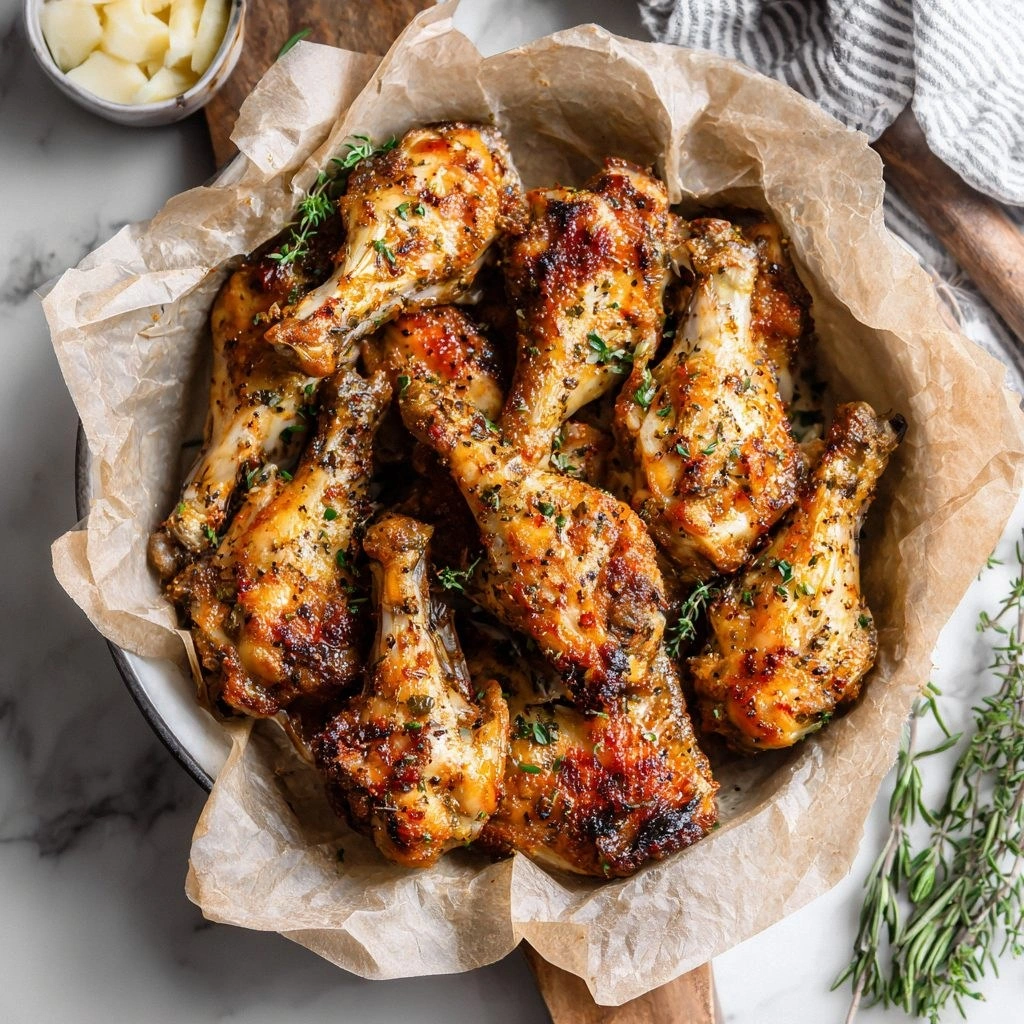
The Method — Step by Step
- Start by patting the turkey wings dry with paper towels. This step is crucial because it removes excess moisture that can prevent the skin from crisping. Once dry, place the wings in a large bowl and drizzle with olive oil, ensuring every surface is coated. The oil acts as a base for the spices and helps the glaze adhere during baking.
- Add the smoked paprika, garlic powder, onion powder, salt, and black pepper to the bowl. Toss the wings until they’re evenly coated in the spice mixture. The combination of paprika and garlic powder provides a smoky depth, while the salt enhances every other flavor.
- In a separate small bowl, whisk together honey, soy sauce, lemon juice, and a tablespoon of melted butter. This will be your glaze. The butter’s richness ensures a silky finish, and the soy sauce brings umami that balances the sweetness.
- Pour the glaze over the wings and toss until each piece is fully coated. The glaze will help lock in moisture and create a caramelized crust during baking.
- Let the wings marinate for at least 4 hours, or overnight in the refrigerator. The longer the marination, the more the spices penetrate, resulting in deeper flavor.
- Preheat your oven to 425°F (220°C). Line a baking sheet with parchment paper or a silicone mat to prevent sticking and make cleanup a breeze.
- Arrange the marinated wings on the prepared baking sheet, leaving a little space between each piece to allow even cooking. Place the sheet in the preheated oven and bake for 25 minutes. At this point, the wings should start to develop a golden hue.
- Brush the wings again with the remaining glaze, making sure to cover all sides. This second coat will deepen the caramelization and add extra flavor.
- Return the wings to the oven for an additional 5 minutes, or until the skin is crisp and the glaze has turned a deep amber color. Watch the wings closely; the glaze can burn quickly if left unattended.
- Remove the wings from the oven and let them rest for 5 minutes. Resting allows the juices to redistribute, ensuring each bite remains moist.
That's it — you did it. But hold on, I've got a few more tricks that'll take this to another level...
Insider Tricks for Flawless Results
The Temperature Rule Nobody Follows
Most people bake turkey wings at a lower temperature, which leads to soggy skin. The trick is to use a high heat of 425°F (220°C) and keep the wings on a rack. This allows hot air to circulate around the wings, crisping the skin while keeping the meat juicy. If you’re using a convection oven, reduce the temperature by 25°F to avoid over‑browning.
Why Your Nose Knows Best
When the glaze caramelizes, you’ll notice a sweet, buttery aroma that’s unmistakable. Trust that scent; it means the sugars are browning properly. If you see the glaze turning too dark before the wings are done, lower the heat slightly or move the rack down a notch. Your nose is the best indicator of doneness.
The 5-Minute Rest That Changes Everything
Letting the wings rest after baking allows the juices to redistribute. Skipping this step can leave the meat dry and the glaze clingy. The rest period also lets the glaze set, giving the wings a glossy finish that’s easier to cut through. I’ve seen people cut into wings right away and get a mess of sauce—resting keeps everything neat.
The Secret to a Crispy Skin
Patting the wings dry before marinating is a game‑changer. Moisture on the skin prevents crisping. If you’re short on time, use a clean towel to blot the wings after rinsing. The dryer the skin, the crisper the result.
The Flavor Boosting Glaze Layer
Apply the glaze in thin layers, allowing each to set before adding the next. This technique ensures the glaze adheres firmly and doesn’t run off the wings. A single thick layer often results in a sticky coating that can fall off.
Creative Twists and Variations
This recipe is a playground. Here are some of my favorite ways to switch things up:
Spicy Sriracha Kick
Swap the cayenne pepper with 2 tablespoons of sriracha in the glaze. The result is a fiery, tangy glaze that pairs beautifully with the sweet honey. Serve with a cool cucumber yogurt dip to balance the heat.
Herb‑Infused Mediterranean
Replace the thyme and rosemary with a blend of oregano, basil, and a splash of oregano oil. Add a handful of chopped olives and sun‑dried tomatoes to the glaze for a Mediterranean twist. The wings will taste like a Greek summer picnic.
Maple‑Mustard Glaze
Use maple syrup instead of honey and add 1 tablespoon of Dijon mustard to the glaze. The maple’s smooth sweetness contrasts with the sharp mustard, creating a complex flavor profile. This version is perfect for a Thanksgiving side dish.
Citrus‑Balsamic Fusion
Add 1 tablespoon of balsamic vinegar to the glaze and finish with a squeeze of fresh orange juice. The acidity brightens the dish and the balsamic adds a subtle depth. Serve with a drizzle of olive oil and a sprinkle of fresh thyme.
Asian Fusion Twist
Replace the soy sauce with tamari and add 1 tablespoon of sesame oil to the glaze. Sprinkle toasted sesame seeds on top after baking for a nutty crunch. Pair with a side of pickled ginger for a complete Asian flavor profile.
Smoky Chipotle Variant
Add 1 teaspoon of chipotle powder to the spice mix and a splash of chipotle in adobo to the glaze. The smoky heat pairs with the sweet glaze for a bold, complex flavor. This version is great for a backyard BBQ.
Storing and Bringing It Back to Life
Fridge Storage
Store cooked wings in an airtight container in the refrigerator for up to 4 days. To keep them from drying out, place a paper towel between the wings and the lid. When ready to serve, reheat in a preheated oven at 350°F (175°C) for 10 minutes, or until heated through.
Freezer Friendly
For longer storage, freeze the wings in a single layer on a baking sheet before transferring to a freezer bag. This prevents them from sticking together. Freeze for up to 3 months. To reheat, bake at 350°F (175°C) for 15 minutes, or until crispy.
Best Reheating Method
The best way to bring back the crispness is to reheat in a hot oven, not a microwave. If you’re in a hurry, toss the wings in a skillet over medium heat for 2 minutes on each side. Add a splash of water or broth before reheating to create steam, which keeps the meat moist.